
The Lone Star State, known for its vast landscapes, vibrant cities, and rich history, is also a significant hub for healthcare professionals. Among these, radiology technologists, or radiology techs, play a crucial role in diagnosing and treating a wide range of medical conditions. If you’re considering a career in this field or are already a radiology tech looking to relocate to Texas, understanding the earning potential is paramount. This article delves into the average salaries, influencing factors, and regional variations for radiology techs across Texas, weaving in insights relevant to travel, accommodation, and lifestyle choices that might accompany such a career.
Understanding the Radiology Tech Salary Landscape in Texas
Radiology technologists are highly skilled individuals responsible for operating sophisticated imaging equipment, such as X-ray machines, CT scanners, and MRI scanners, to produce diagnostic images. Their work is vital for physicians to make accurate diagnoses. In Texas, the demand for these professionals is steady, driven by a growing population and an expanding healthcare infrastructure. Several factors contribute to the salary a radiology tech can expect to earn, making it a dynamic compensation structure rather than a fixed number.
Average Salary and Earning Potential
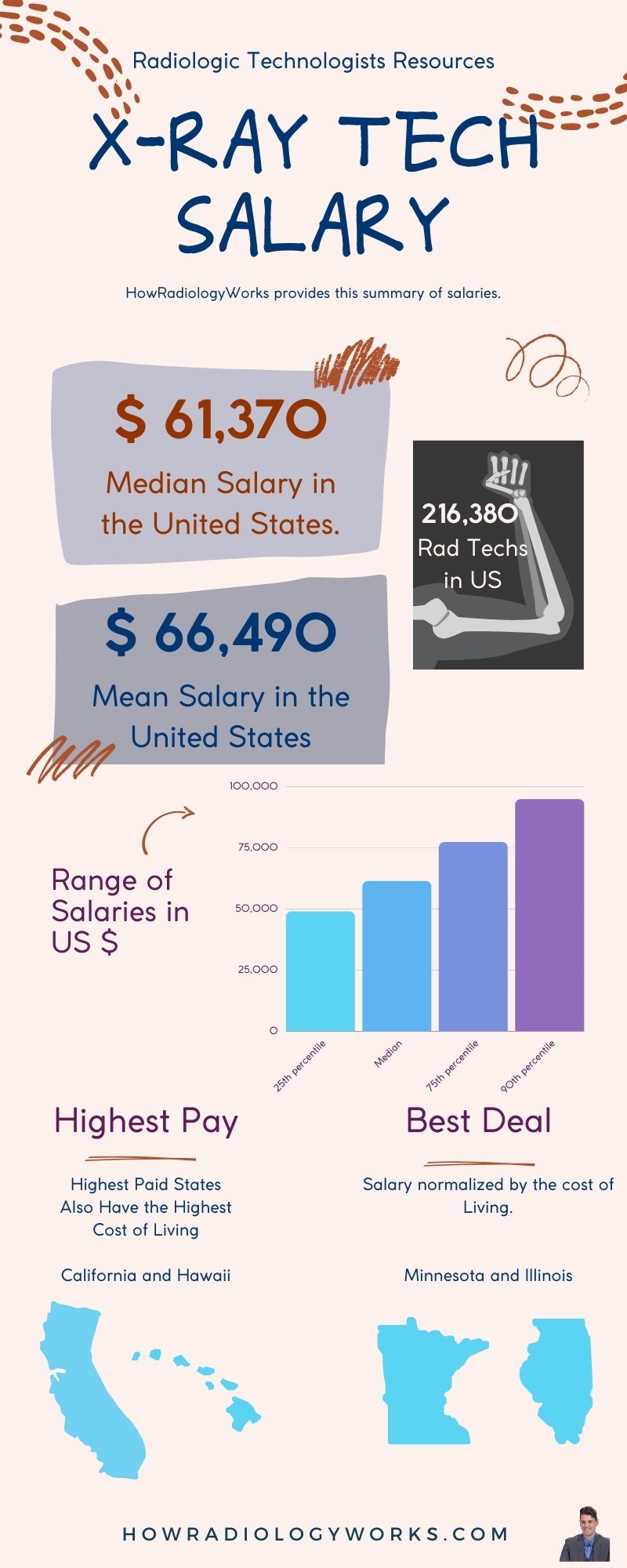
On average, radiology techs in Texas can expect to earn a competitive salary. While exact figures can fluctuate based on experience, location, and employer, general estimates place the average annual salary in the range of $60,000 to $75,000. Entry-level technologists, those with less than a year or two of experience, might start at the lower end of this spectrum, perhaps around $50,000 to $55,000. As they gain experience and specialized certifications, their earning potential increases significantly. Experienced radiology techs, those with five or more years in the field, can command salaries upwards of $75,000 to $85,000, and in some cases, even exceed $90,000, particularly in high-demand areas or specialized roles.
The Bureau of Labor Statistics (BLS) provides valuable data on the median annual wage for radiologic technologists and technicians nationwide. While Texas figures may vary slightly from national averages, understanding the national trend provides a good benchmark. The BLS reported a median annual wage of $61,900 in May 2022 for radiologic technologists and technicians. It’s important to note that this is a median, meaning half earned more and half earned less. Texas’s competitive healthcare market and cost of living, especially in major metropolitan areas, often push these figures higher than the national median.
Factors Influencing Salary
Several key factors can significantly influence how much a radiology tech makes in Texas:
Experience Level
This is perhaps the most critical factor. As mentioned, entry-level positions will offer lower salaries compared to those held by seasoned professionals. With each year of experience, technologists gain valuable skills, become more proficient with various equipment, and develop a deeper understanding of patient care and safety protocols. This accumulated expertise is directly reflected in their earning potential. Employers are willing to pay more for the reliability, efficiency, and advanced knowledge that experienced techs bring to their departments.
Education and Certification
While an Associate’s degree is often the minimum requirement for becoming a radiology tech, holding a Bachelor’s degree can sometimes lead to higher starting salaries or open doors to supervisory or specialized roles. Furthermore, obtaining certifications beyond the basic certification, such as those in CT, MRI, or mammography, can significantly boost earning potential. These advanced certifications demonstrate a commitment to professional development and specialized skills, which are highly valued in the healthcare industry. For example, a tech certified in Magnetic Resonance Imaging (MRI) might earn more than a general radiographer.
Geographic Location within Texas
Texas is a vast state, and salary expectations can vary dramatically from one city to another.
- Major Metropolitan Areas: Cities like Houston, Dallas, Austin, and San Antonio generally offer higher salaries due to a greater demand for healthcare services and a higher cost of living. These urban centers house large hospital systems, specialized medical centers, and numerous outpatient imaging facilities, all competing for qualified talent. For instance, a radiology tech working in a bustling medical district in Houston might see a higher paycheck than someone in a smaller, rural town.
- Rural vs. Urban: While rural areas may have a lower cost of living, they often have fewer job opportunities and potentially lower salary offerings. However, some rural clinics or hospitals might offer competitive packages to attract skilled professionals to underserved regions.
- Specific Facilities: The type of facility also plays a role. Large, non-profit hospital systems or prestigious private medical institutions might offer more lucrative compensation packages compared to smaller clinics or government-run facilities.
Type of Employment (Travel vs. Permanent)
This is where the lifestyle and travel aspects of a radiology tech career in Texas become particularly interesting.
- Permanent Positions: These offer stability, benefits, and a consistent work environment. Salaries for permanent roles are generally in the range discussed earlier, with opportunities for raises and promotions within the institution.
- Travel Radiology Techs: For those who enjoy variety and exploring new places, a career as a travel radiology tech in Texas can be highly rewarding financially. Travel positions often come with higher hourly rates, housing stipends, and per diem allowances, aimed at compensating for the transient nature of the work. A travel tech might earn significantly more on a weekly or monthly basis than their permanent counterparts, especially when factoring in bonuses and benefits. These roles are perfect for individuals who love travel, exploring different attractions, and experiencing the diverse local culture of various Texas cities. They can work in a bustling Dallas hospital for a few months, then move on to an imaging center in the scenic Texas Hill Country or a critical care facility near the Gulf Coast.
Exploring Career Paths and Specializations
The field of radiology technology is not monolithic. There are various avenues for specialization that can lead to increased earning potential and more diverse career experiences. Understanding these specializations can help aspiring or current radiology techs tailor their education and training to maximize their career prospects in Texas.
Specializations and Advanced Roles

Beyond the general scope of X-ray imaging, radiology techs can specialize in advanced modalities, each requiring additional training and certification. These specializations often command higher salaries due to the specialized knowledge and skills involved.
- CT Technologist: Operating Computed Tomography (CT) scanners to create detailed cross-sectional images of the body. This requires a strong understanding of radiation physics and patient positioning for optimal imaging.
- MRI Technologist: Working with Magnetic Resonance Imaging (MRI) scanners, which use powerful magnetic fields and radio waves to generate images. This field often involves more complex patient care, especially for those with implants or claustrophobia.
- Mammography Technologist: Specializing in performing mammograms, a crucial tool for breast cancer screening and diagnosis. This role demands a high level of patient sensitivity and precision.
- Ultrasound Technologist (Sonographer): While often considered a separate but related field, sonographers use sound waves to create images. Some radiology programs include basic ultrasound training, and specialization is common.
- Interventional Radiology Technologist: Assisting physicians in minimally invasive procedures using imaging guidance, such as angioplasty or stent placement. This is a high-skill, high-stress environment that often offers premium compensation.
The demand for specialists is high across Texas, from the medical centers in Houston to clinics in the more remote parts of West Texas. Investing in these specializations can lead to substantial salary increases and a more fulfilling career.
Opportunities in Different Healthcare Settings
Radiology techs can find employment in a variety of healthcare settings, each offering a different work environment and compensation structure.
- Hospitals: This is the most common employer for radiology techs. Texas boasts numerous hospitals, ranging from large teaching hospitals affiliated with universities like the University of Texas MD Anderson Cancer Center in Houston, to smaller community hospitals. Hospital roles often provide comprehensive benefits, opportunities for diverse case exposure, and structured career progression.
- Outpatient Imaging Centers: These facilities specialize in diagnostic imaging services. They often offer more predictable hours compared to hospitals and can be a good option for those seeking a better work-life balance. Examples include imaging chains like RadNet Imaging Centers or independently owned facilities.
- Physician Offices and Clinics: Smaller practices may employ radiology techs, particularly those specializing in specific areas like orthopedics or chiropractic care. Salaries here can be more varied.
- Mobile Imaging Services: Some companies offer mobile X-ray or CT units that travel to nursing homes or patients’ homes. This can be an interesting option for those who enjoy working independently and providing services to those with limited mobility.
The choice of setting can significantly impact daily tasks, patient interaction, and, of course, salary. For instance, working in a high-volume trauma center in Dallas might offer a higher salary due to the demanding nature of the work, compared to a small private practice.
Cost of Living and Lifestyle Considerations in Texas
When considering a radiology tech salary in Texas, it’s essential to factor in the cost of living and the lifestyle that different regions offer. While Texas is often perceived as an affordable state, this perception can vary greatly depending on the specific city or region.
Regional Salary Variations and Cost of Living
The interplay between salary and cost of living is crucial for understanding the real value of a radiology tech’s income.
- High Cost of Living Areas: Cities like Austin and Dallas have seen their cost of living rise significantly in recent years, particularly in housing. While salaries in these areas might be higher, the increased expenses for rent, hotels (if relocating or on temporary assignments), and daily living can offset some of the financial advantage. However, these cities also offer a wealth of attractions, diverse culinary scenes, and vibrant lifestyles, making them attractive despite the higher costs.
- Mid-Range Cost of Living Areas: Cities like Houston and San Antonio generally offer a more moderate cost of living compared to Austin or Dallas. Houston, with its extensive medical complex, offers numerous job opportunities, while San Antonio provides a rich cultural experience and a slightly more relaxed pace.
- Lower Cost of Living Areas: Smaller cities and rural areas across Texas typically have a lower cost of living, which can make a salary in the $50,000-$60,000 range stretch further. However, job availability might be more limited, and the range of specialized roles may be narrower.
For a radiology tech considering a move to Texas, researching the specific cost of living in their target city is a vital step. This includes not only housing but also transportation, utilities, and the general price of goods and services.

Accommodation and Travel Opportunities
The diverse travel and accommodation options across Texas also contribute to the overall lifestyle for radiology techs.
- Accommodation: Whether you are relocating permanently or considering short-term travel assignments, Texas offers a wide array of accommodation choices. From luxurious resorts and extended-stay apartments in Austin to budget-friendly villas near the Texas Coast, there’s something for every preference and budget. For travel techs, employers often assist with finding suitable long-term stay options or provide stipends.
- Travel and Tourism: Texas is a destination in itself. Radiology techs working in the state have ample opportunities to explore its many landmarks, from the historic Alamo in San Antonio to the stunning natural beauty of Big Bend National Park. The state’s extensive network of highways makes it easy to embark on weekend getaways to different cities, experience unique local culture, sample delicious Tex-Mex cuisine, and enjoy various activities. Whether it’s exploring the art scene in Dallas, enjoying the live music in Austin, or visiting the beaches of Galveston, the opportunities for leisure travel are abundant.
This combination of a stable and well-compensated career with the allure of exploring a large and diverse state like Texas makes it an attractive prospect for radiology technologists. Understanding the salary benchmarks, the factors influencing them, and the associated lifestyle benefits will empower you to make an informed decision about your career path in the Lone Star State.
LifeOutOfTheBox is a participant in the Amazon Services LLC Associates Program, an affiliate advertising program designed to provide a means for sites to earn advertising fees by advertising and linking to Amazon.com. Amazon, the Amazon logo, AmazonSupply, and the AmazonSupply logo are trademarks of Amazon.com, Inc. or its affiliates. As an Amazon Associate we earn affiliate commissions from qualifying purchases.