
Navigating the vast landscapes and vibrant cities of Texas can be an unforgettable experience. Whether you’re planning a road trip from the iconic Alamo in San Antonio to the bustling streets of Dallas, or seeking the tranquility of a luxury resort in the Hill Country, understanding the legalities of driving in the Lone Star State is paramount. One crucial aspect that every traveler should be aware of is the requirement for auto insurance. Driving without it in Texas isn’t just a minor inconvenience; it can lead to significant financial penalties and legal complications. This article delves into the potential costs and consequences of receiving a “no insurance” ticket in Texas, offering a comprehensive guide for both residents and visitors.
The Legal Mandate: Why Auto Insurance is Non-Negotiable in Texas
In Texas, like most states in the United States, possessing a valid auto insurance policy is not optional – it’s a legal requirement. The Texas Financial Responsibility Law dictates that all drivers must be able to prove they have the financial means to cover damages or injuries they might cause in an accident. The most common and advisable way to meet this requirement is through purchasing a liability insurance policy. This insurance covers the costs of damage to other people’s property and their medical expenses if you are found at fault in an accident.
The minimum liability coverage required by Texas law is often referred to as “30/60/25” coverage. This means:
- $30,000 in bodily injury liability per person.
- $60,000 in total bodily injury liability per accident.
- $25,000 in property damage liability per accident.
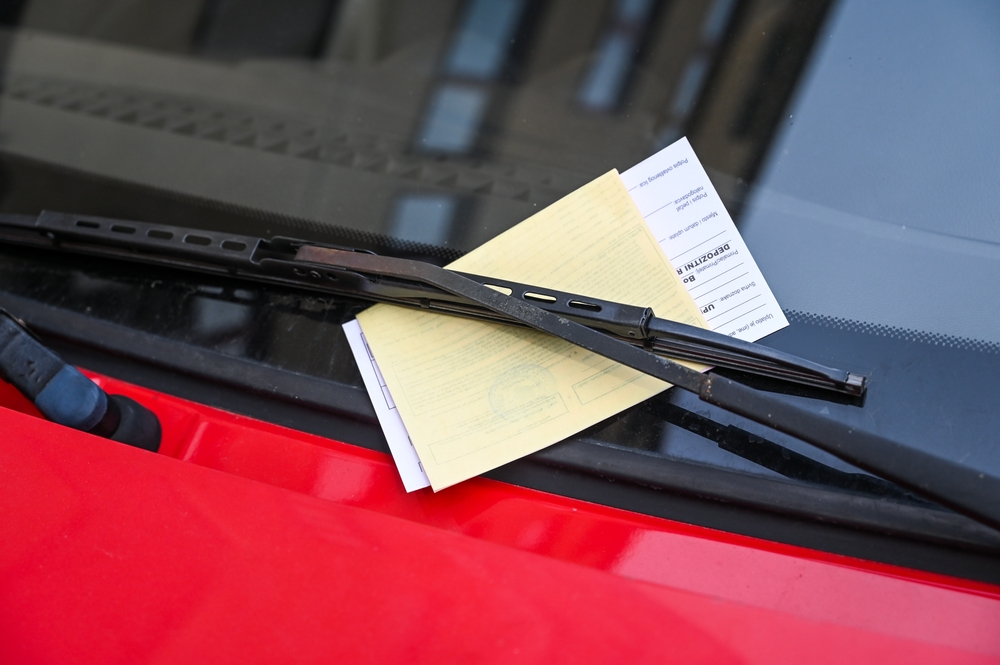
Failure to meet these minimums, or more commonly, driving without any insurance coverage at all, can result in severe repercussions. Law enforcement officers are authorized to ask for proof of insurance during traffic stops. If you cannot produce it, you risk being issued a ticket, which initiates a cascade of potential fines and penalties.
Consequences Beyond the Ticket: A Financial and Legal Domino Effect
Receiving a “no insurance” ticket in Texas is more than just a fine. It’s the start of a potential domino effect that can impact your finances, your ability to drive, and even your personal liberty. The immediate financial hit from the ticket itself is just the beginning.
The Fines: A Steep Price for Negligence
The exact amount of the fine for driving without insurance in Texas can vary depending on several factors, including the specific court, whether it’s a first offense or a repeat offense, and any additional court costs or fees. However, you can expect the initial fines to be substantial.
For a first offense, a conviction for driving without liability insurance in Texas can result in a fine of $175 to $350. While this might seem manageable to some, it’s only the beginning of the financial burden.
The real sting comes with subsequent offenses. If you are caught driving without insurance again, the fines can escalate dramatically. A second or subsequent offense conviction can lead to a fine of $350 to $1,000. These figures represent the base fines; they do not include additional court costs, administrative fees, or surcharges that are often added, pushing the total cost significantly higher. For instance, some reports suggest that the total cost for a first offense, including all fees, can easily reach over $500, and for subsequent offenses, it can climb into the thousands.
Additional Penalties: More Than Just Monetary
Beyond the fines, a conviction for driving without insurance in Texas carries other serious penalties that can disrupt your life.
License Suspension and Reinstatement Fees
One of the most significant consequences is the potential suspension of your driver’s license. If you are convicted of driving without insurance, the court can order your license to be suspended for a period of time. To get your license back, you will not only have to pay the fines and any accumulated court costs but also pay a reinstatement fee to the Texas Department of Public Safety. This fee can be substantial, often ranging from $250 to $1,000, depending on the circumstances and the length of the suspension. This fee is in addition to the original ticket fine and court costs.
SR-22 Requirement: A Long-Term Burden
For drivers convicted of certain offenses, including driving without insurance, the state of Texas may require them to file an SR-22 certificate. This is not insurance itself but a document filed by your insurance company with the state, certifying that you have obtained the minimum required liability coverage. An SR-22 requirement is essentially a sign of high-risk status for insurance providers. This means you will likely face significantly higher insurance premiums for an extended period, typically three years. Finding an insurance company willing to issue an SR-22 can also be challenging, and those that do will charge a premium for the service, adding to your ongoing financial burden. This can make it much more expensive to simply get back on the road legally, even after paying the initial ticket fines.
Vehicle Impoundment and Towing Fees
In some situations, especially for repeat offenders or if the driver is unable to immediately prove they have insurance, law enforcement may have the authority to impound the vehicle. This means your car will be towed to an impound lot, and you will be responsible for all towing fees and daily storage charges. These costs can add up very quickly, potentially amounting to hundreds or even thousands of dollars before you can retrieve your vehicle.
Increased Insurance Premiums for Everyone
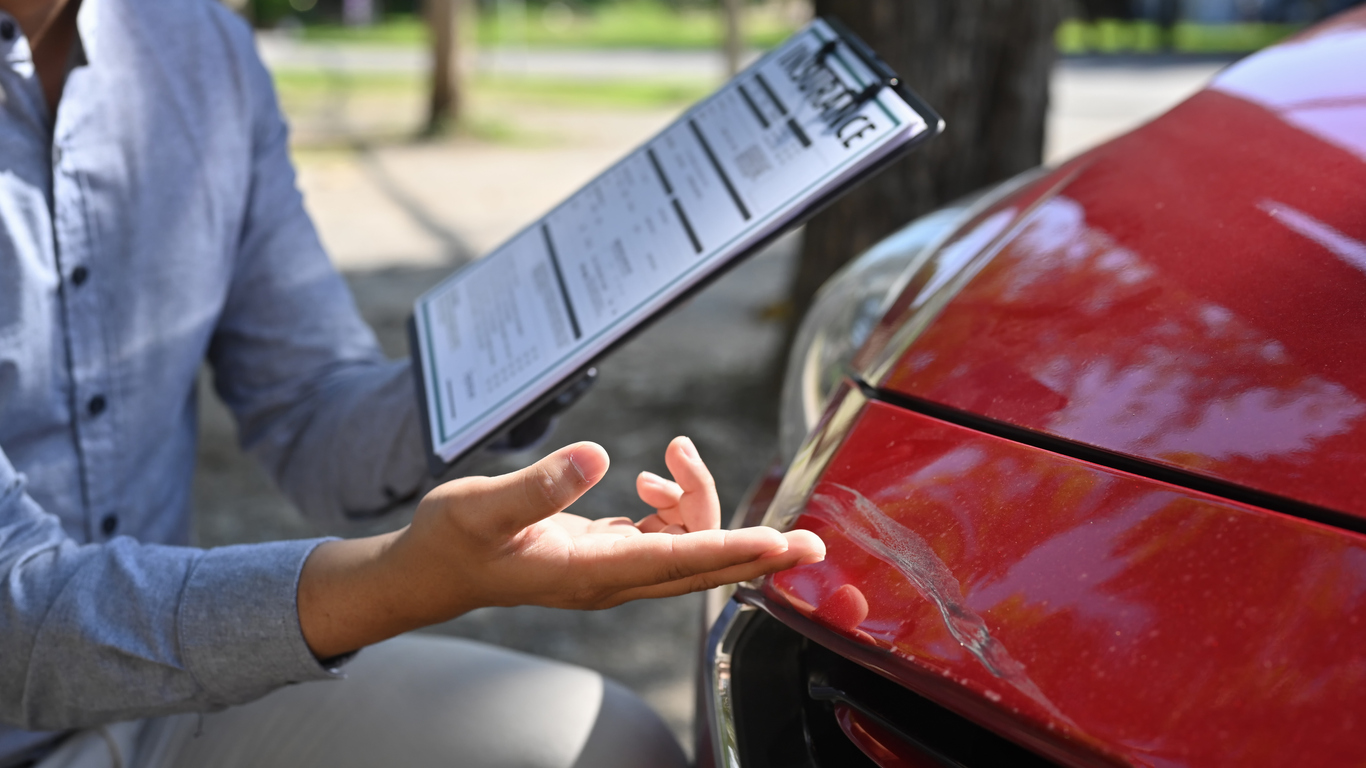
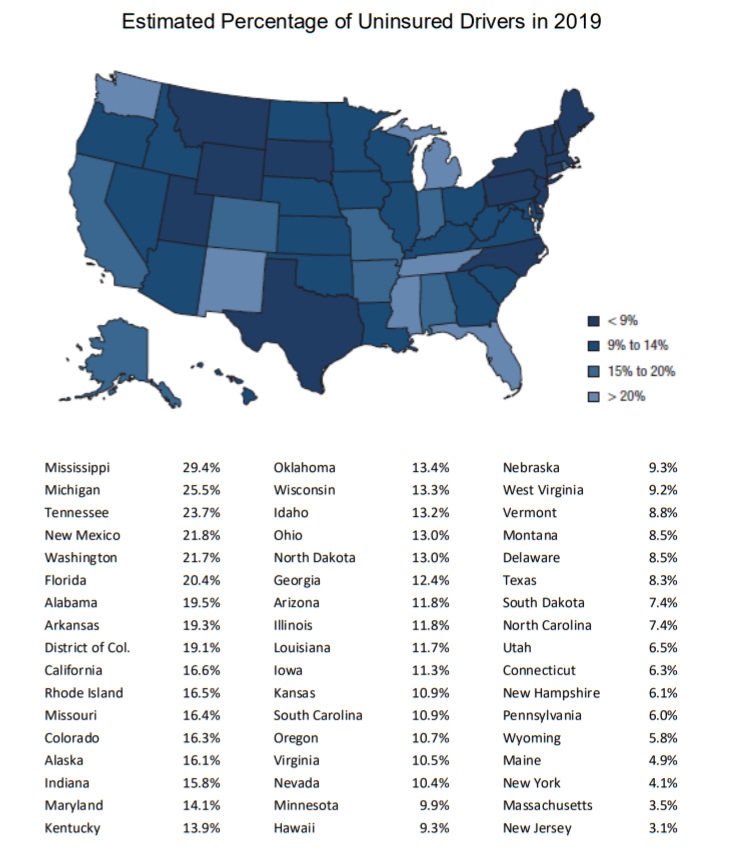
Even if you’ve never been ticketed for driving without insurance, being associated with such an offense can indirectly impact you. When insurance companies assess risk, they look at various factors, including accident rates and claims in specific areas. A higher incidence of uninsured drivers in a region can lead to higher insurance premiums for all policyholders in that area. This means that by not having insurance, you’re not only jeopardizing your own finances but also contributing to a less affordable insurance market for everyone else.
Understanding the Exceptions and Proof of Financial Responsibility
While the general rule in Texas is that you must have liability insurance, there are a few specific exceptions and alternative ways to demonstrate financial responsibility. It’s crucial to understand these to avoid mistakenly believing you are compliant when you are not.
Alternative Forms of Financial Responsibility
Texas law does allow for other methods of demonstrating financial responsibility besides traditional insurance policies. However, these are typically only feasible for individuals or entities with significant assets.
- Self-Insurance: If you own a fleet of 25 or more vehicles and meet certain financial qualifications, you may be able to self-insure. This involves applying for and receiving approval from the Texas Department of Insurance to self-insure your vehicles. This is a complex process and not a practical option for the average driver.
- Bonding: You can file a surety bond with the state that guarantees your ability to meet financial responsibility requirements. This typically involves securing a bond from an insurance company, which comes with its own costs and requirements.
- Deposit of Cash or Securities: In rare cases, an individual might deposit a significant amount of cash or certain securities with the state comptroller as a form of financial guarantee.
For the vast majority of drivers planning a trip or residing in Texas, especially those looking for affordable accommodations in places like Galveston or planning to explore attractions such as the Space Center Houston, purchasing the minimum required liability insurance is the only practical and legal way to meet the state’s financial responsibility laws.
What Constitutes “Proof” of Insurance?
When you are stopped by law enforcement, you will be asked to provide proof of insurance. This can typically be done in a few ways:
- Insurance Card: Most insurance companies provide physical or digital insurance cards that you should keep in your vehicle.
- Policy Declarations Page: This document outlines your coverage details and is also acceptable proof.
- Insurance Company Website or App: Many insurers now offer digital proof of insurance through their websites or mobile applications.
It is your responsibility as the driver to ensure you have this proof readily available. Simply having insurance is not enough; you must be able to demonstrate it when asked.
Minimizing Your Risk: Ensuring Compliance and Staying Protected
The best way to avoid the significant costs and stresses associated with a “no insurance” ticket in Texas is to ensure you are always compliant with the law. This means understanding the requirements and taking proactive steps to secure adequate coverage.
Obtaining Affordable Auto Insurance
The cost of auto insurance can vary widely based on factors such as your driving record, the type of vehicle you drive, your age, your location, and the coverage limits you choose. However, there are ways to potentially find more affordable options:
- Shop Around: Never settle for the first quote you receive. Compare rates from multiple insurance providers.
- Bundle Policies: Many insurers offer discounts if you bundle your auto insurance with other policies, such as homeowners or renters insurance.
- Ask About Discounts: Inquire about any available discounts, such as for safe driving, good student status (if applicable), anti-theft devices, or low mileage.
- Increase Your Deductible: While this increases your out-of-pocket cost in case of a claim, it can lower your monthly premiums. Make sure you can afford the deductible if an incident occurs.
- Consider Usage-Based Insurance: Some companies offer programs where your driving habits are monitored (e.g., through a mobile app) to determine your premium. If you’re a safe and cautious driver, this could lead to lower rates.
Beyond the Minimum: The Value of Comprehensive Coverage
While Texas law mandates minimum liability coverage, it’s crucial to consider whether this is sufficient for your needs. If you were to cause a serious accident, the minimum coverage might not be enough to cover all the damages and injuries, leaving you personally responsible for the difference.
For travelers exploring renowned destinations like the San Antonio Riverwalk or the vibrant arts district in Houston, it’s wise to have more robust insurance. Consider adding:
- Collision Coverage: This covers damage to your own vehicle in an accident, regardless of fault.
- Comprehensive Coverage: This covers damage to your vehicle from non-collision events, such as theft, vandalism, fire, or natural disasters.
- Uninsured/Underinsured Motorist Coverage: This protects you if you are involved in an accident with a driver who has no insurance or insufficient insurance to cover your damages. This is particularly important in states where the rate of uninsured drivers might be higher.
Investing in comprehensive insurance not only provides peace of mind but also offers a crucial financial safety net. It protects you from the potentially devastating financial consequences of an accident, whether you are traveling for leisure to a charming bed and breakfast or on a business trip staying at a reputable hotel like the J.W. Marriott San Antonio Hill Country Resort & Spa.
Driving in Texas without insurance is a gamble with potentially high stakes. By understanding the legal requirements, the penalties for non-compliance, and the options for obtaining affordable and comprehensive coverage, you can ensure your travels and daily life are protected, allowing you to fully enjoy the unique experiences Texas has to offer, from its vast ranches to its lively urban centers.
LifeOutOfTheBox is a participant in the Amazon Services LLC Associates Program, an affiliate advertising program designed to provide a means for sites to earn advertising fees by advertising and linking to Amazon.com. Amazon, the Amazon logo, AmazonSupply, and the AmazonSupply logo are trademarks of Amazon.com, Inc. or its affiliates. As an Amazon Associate we earn affiliate commissions from qualifying purchases.