
Dreaming of a career where you can hone your craft, connect with people, and build a successful business? For many aspiring professionals in the great state of Texas, barbering offers just that. The allure of sharp fades, classic styles, and the satisfaction of a perfectly executed haircut is strong. But before you invest your time and passion, a crucial question looms: “How much is barber school in Texas?” Understanding the financial commitment is the first step towards achieving your dream.
Barber school, or cosmetology school with a barbering specialization, is more than just a place to learn techniques. It’s a structured environment where you’ll acquire the fundamental knowledge, practical skills, and professional etiquette necessary to thrive in the industry. This includes everything from sanitation and safety protocols to hair cutting, styling, shaving, and even the business aspects of running a barbershop. The cost of this transformative education can vary significantly, influenced by a range of factors.
The Financial Landscape of Barber Education in Texas
When considering the cost of barber school in Texas, it’s essential to break down what contributes to the overall price. This isn’t a one-size-fits-all scenario. The tuition fees are just one piece of the puzzle; you also need to account for additional expenses that are inherent to any educational program. Understanding these components will help you create a realistic budget and make informed decisions about where to enroll.
Tuition and Program Length
The most significant factor determining the cost of barber school is the tuition itself. This fee covers the instruction, access to facilities, and sometimes even the use of certain equipment. In Texas, tuition for barber programs can range broadly. You might find programs costing anywhere from $5,000 to $15,000 or more. This wide range is often tied to the reputation of the school, the quality of its instructors, and the comprehensiveness of its curriculum.
The length of the program also plays a vital role. Barbering programs in Texas are regulated by the Texas Department of Licensing and Regulation (TDLR). The TDLR mandates a minimum of 1000 hours of training for a barber license. However, many schools offer programs that extend beyond this minimum, often providing more in-depth training and specialized skills. Longer programs, while potentially offering more value, will naturally come with higher tuition costs. For instance, a 1200-hour program will likely be more expensive than a 1000-hour one.
Additional Costs to Consider
Beyond the sticker price of tuition, several other expenses contribute to the total financial outlay for barber school. These are often overlooked by prospective students but are crucial for accurate budgeting.
Kit and Supplies
Most barber schools require students to purchase a student kit. This kit typically includes essential tools of the trade: clippers, trimmers, shears, combs, brushes, razors, capes, and even a mannequin head for practice. The cost of these kits can range from $300 to $800, depending on the quality and brand of the tools included. Some schools may have specific brands they require, while others allow for some flexibility. It’s important to inquire about what’s included in the kit and whether there are options for purchasing it separately if you already own some tools.
Textbooks and Study Materials
While barbering is a hands-on profession, a solid theoretical foundation is equally important. Schools will often require specific textbooks covering topics like anatomy, physiology, chemistry (related to hair and skin), sanitation, and business management. The cost of these books can add up, potentially ranging from $100 to $300 for the entire program. In addition to textbooks, there might be fees for online learning platforms, study guides, or other supplemental materials.
Licensing and Examination Fees
Upon completing your barbering program, you’ll need to pass a licensing exam administered by the Texas Department of Licensing and Regulation (TDLR) to obtain your barber license. There are fees associated with applying for your license and taking the examination. These fees are typically not included in the school’s tuition. While these are usually a few hundred dollars, it’s wise to confirm the current TDLR fees to factor them into your overall budget.
Transportation and Living Expenses
This is a variable cost that depends heavily on your personal circumstances. If you’re attending barber school in a city like Dallas or Houston, and you don’t live nearby, you’ll need to consider the cost of transportation. This could include gas, car maintenance, or public transportation fares. If you need to relocate for school, you’ll also need to factor in rent, utilities, food, and other living expenses. These costs can significantly impact your total investment in barber education.
Uniforms and Professional Attire
Barber schools often have dress codes to maintain a professional environment. You may be required to purchase specific uniforms, aprons, or professional attire to wear to class. While this might seem like a minor expense, it’s another cost to keep in mind. The price will depend on the school’s requirements and where you purchase the items.
Factors Influencing Barber School Costs
Several key factors contribute to the variation in barber school costs across Texas. Understanding these can help you make a more informed decision when comparing different institutions.

School Reputation and Accreditation
Well-established barber schools with a strong reputation for producing successful graduates often command higher tuition fees. These schools may have more experienced instructors, better facilities, and stronger industry connections. Accreditation is also important. While most barber schools in Texas are regulated by the TDLR, some may also seek accreditation from national bodies, which can sometimes influence cost.
Program Curriculum and Specializations
Some barber schools offer more comprehensive programs that include advanced training in areas like barber styling, hair coloring, or even salon management. Programs that offer specialized training or incorporate a broader curriculum may naturally be priced higher due to the added value and expertise provided. For example, a program that focuses heavily on traditional wet shaving techniques alongside cutting might be more expensive than a basic curriculum.
Location and Cost of Living
Schools located in major metropolitan areas like Austin or San Antonio might have higher operating costs, which can be reflected in their tuition fees. The general cost of living in the city where the school is located can also indirectly influence your personal expenses, such as transportation and housing.
Included Services and Amenities
Some schools might include more in their tuition, such as all necessary tools and supplies, or even career placement assistance. Others might offer fewer inclusions, requiring students to purchase these items separately. Consider what is included in the advertised price to get a true understanding of the overall value.
Exploring Your Options: Finding the Right Barber School in Texas
Choosing the right barber school is as important as understanding the cost. Texas offers a variety of institutions, from large vocational schools to smaller, more specialized academies. Each has its own strengths and financial structures.
Public vs. Private Institutions
Texas has both public and private barber schools. Public institutions, often affiliated with community colleges or technical centers, may offer lower tuition rates, especially for in-state residents. Private schools, on the other hand, might have more flexibility in their curriculum and schedules, but their tuition can be higher. It’s worth investigating both types to see which best fits your budget and learning style.
Understanding Financial Aid and Scholarships
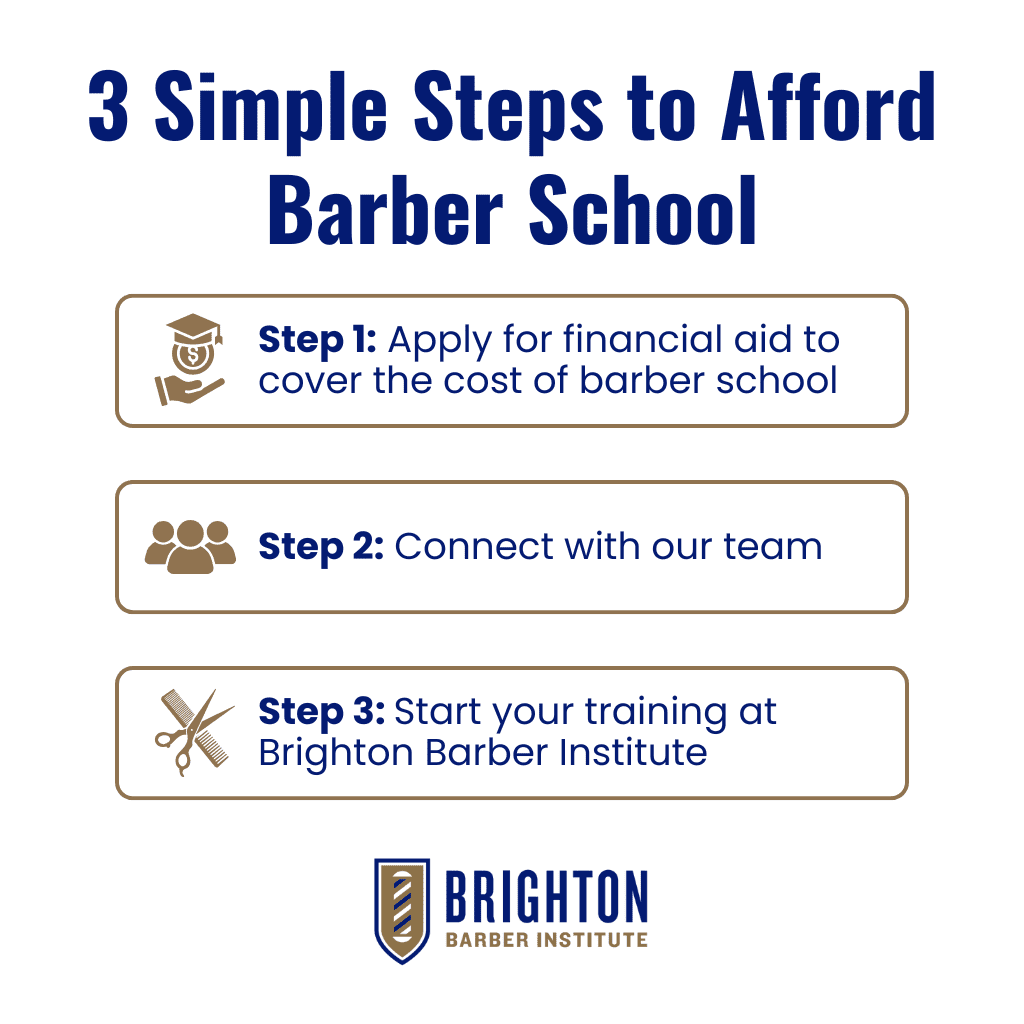
The cost of barber school can be a significant investment, but financial aid and scholarships can make it more accessible. Many barber schools accept federal student aid, such as Pell Grants and federal student loans. It’s crucial to fill out the Free Application for Federal Student Aid (FAFSA) to determine your eligibility.
Additionally, some schools offer their own internal scholarships or payment plans. Local organizations, industry associations, and even some barbershops may offer scholarships for aspiring barbers. Researching these opportunities diligently can help offset a substantial portion of the tuition cost. Don’t hesitate to speak directly with the admissions or financial aid office at the schools you’re interested in to learn about all available options.
Making an Informed Decision: Budgeting for Your Barbering Career
When you’re ready to make a decision, it’s essential to have a clear financial plan. The total cost of barber school in Texas isn’t just the tuition; it’s the sum of all the expenses we’ve discussed.
Creating a Comprehensive Budget
Start by researching specific schools and gathering detailed cost breakdowns. Add up tuition, kit fees, books, estimated living expenses, transportation, and licensing fees. This comprehensive budget will give you a realistic picture of your financial commitment.
Comparing Offers and Negotiating
Don’t be afraid to compare offers from different schools. If one school offers a slightly lower tuition but requires you to buy a more expensive kit, it might end up costing more overall. Sometimes, schools may be willing to work with you on payment plans or offer discounts. Always ask about potential hidden fees or additional charges that might not be immediately apparent.
Investing in barber school is investing in your future. By thoroughly understanding the costs involved, exploring all available financial aid options, and carefully comparing different institutions, you can embark on your journey to becoming a skilled and successful barber in Texas with confidence and clarity. The roar of the clippers, the camaraderie of the barbershop, and the satisfaction of a job well done await.
LifeOutOfTheBox is a participant in the Amazon Services LLC Associates Program, an affiliate advertising program designed to provide a means for sites to earn advertising fees by advertising and linking to Amazon.com. Amazon, the Amazon logo, AmazonSupply, and the AmazonSupply logo are trademarks of Amazon.com, Inc. or its affiliates. As an Amazon Associate we earn affiliate commissions from qualifying purchases.