
For both residents and visitors alike, seeing the United States flag, or the Texas state flag, flying at half-mast can be a poignant and often somber sight. It’s a powerful visual cue that signals a moment of collective grief, remembrance, or solemn respect. In a state as rich in history and community spirit as Texas, these instances are not uncommon, each carrying a unique story of loss, heroism, or reflection. Whether you’re planning a trip to the vibrant cities of Houston or Dallas, exploring the cultural heart of San Antonio, or enjoying the unique vibe of Austin, understanding the significance behind a flag at half-mast enriches your travel experience and deepens your connection to the local community.
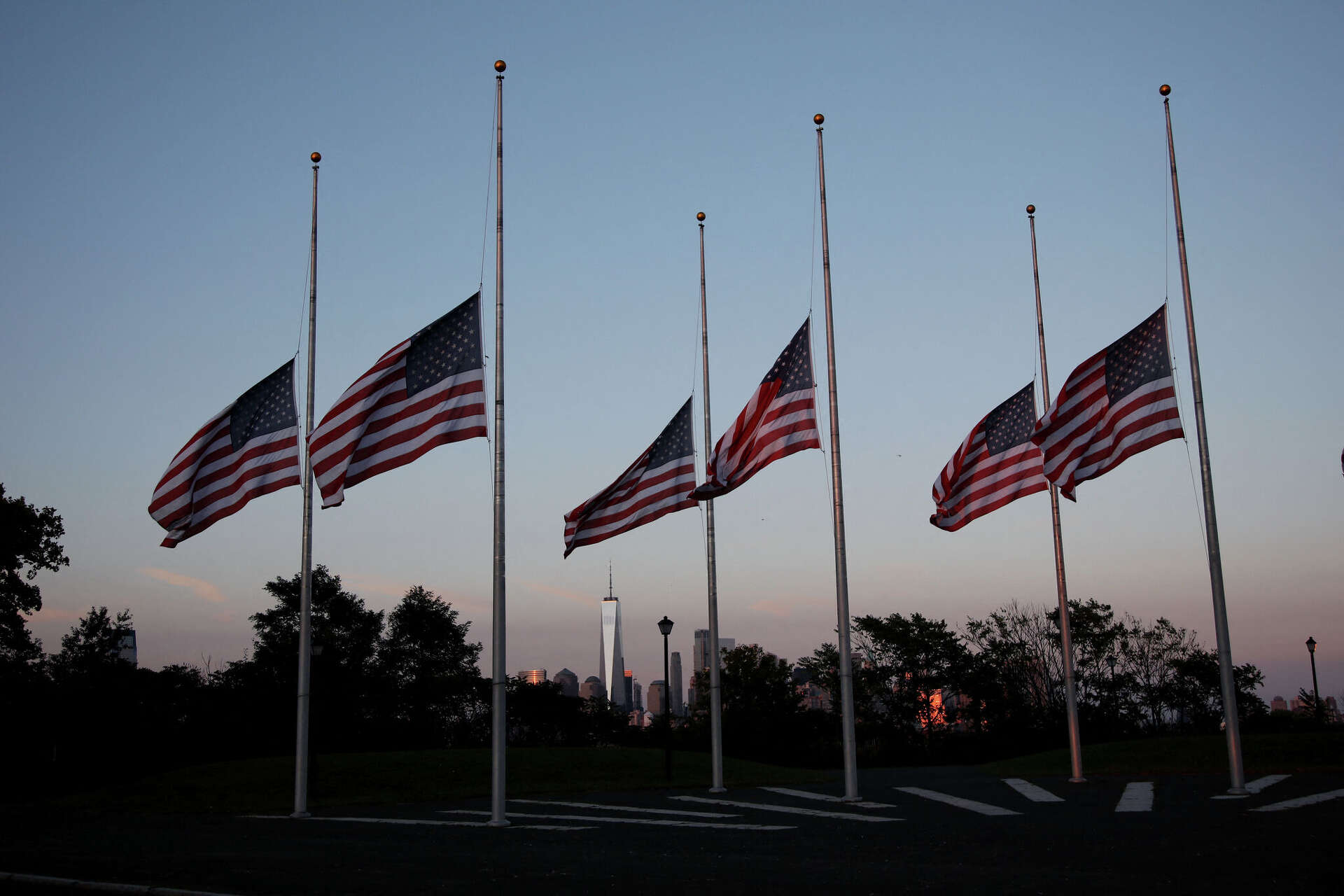
Our guide at Life Out Of The Box delves into the reasons why the flag might be flying at half-mast in Texas, exploring the historical context, the official protocols, and how these moments resonate within the diverse landscapes of the Lone Star State. This understanding is key for anyone wishing to travel respectfully and engage thoughtfully with the destinations they visit.
The Deep Significance Behind the Half-Mast Tradition
The tradition of flying flags at half-mast (or half-staff, as it is formally referred to for flags flown on land) is a centuries-old practice steeped in symbolism. It is a universal gesture of mourning, respect, and remembrance, signifying that something profound has occurred, prompting a collective pause for reflection. For travelers exploring the various landmarks and attractions across Texas, recognizing this gesture can transform a casual observation into a moment of shared understanding and empathy.
Historical Roots and Symbolism
The origins of flying a flag at half-mast are believed to date back to the 17th century, with naval traditions often cited as the earliest examples. It was a way for ships to signal mourning or distress. The symbolism is clear: the flag is lowered to make room for an “invisible flag of death” flying at the top of the mast, or simply to show a subdued, less prominent display in deference to sorrow. It’s a powerful non-verbal communication that transcends language barriers, immediately conveying a sense of solemnity.
In the United States, the tradition has been codified over time, most notably in the U.S. Flag Code. This code outlines specific days for flying the flag at half-mast nationwide, such as Memorial Day (until noon), Patriot Day (September 11th), and National Peace Officers’ Memorial Day (May 15th). However, beyond these national observances, flags are often lowered by presidential or gubernatorial proclamation in response to specific tragic events or to honor distinguished individuals.
The Protocol of Remembrance in Texas
In Texas, the decision to fly flags at half-mast rests primarily with two authorities: the President of the United States for federal buildings and national observances, and the Governor of Texas for state-specific occasions. These proclamations are typically issued to honor the memory of:
- Fallen Service Members: Often in remembrance of military personnel from Texas who have died in the line of duty.
- Deceased Public Officials: Including former governors, state legislators, or other prominent figures who have served the State of Texas with distinction.
- First Responders: Firefighters, police officers, and emergency medical personnel who lose their lives in the line of duty.
- Victims of Tragedies: Following mass casualty events, natural disasters, or other significant incidents affecting the community.
When such a proclamation is made, it applies to all state buildings, agencies, and public institutions across Texas. This includes prominent landmarks like the Texas State Capitol in Austin, county courthouses, public schools, and various other government facilities. Private businesses and individuals are also encouraged, though not legally required, to follow suit as a sign of solidarity and respect. For travelers, seeing flags at half-mast near your chosen accommodation in Dallas or while visiting attractions in Houston is a direct indication of a significant event in the community’s consciousness.
Understanding Gubernatorial Proclamations in Texas
The Governor of Texas plays a crucial role in directing when flags within the state should be lowered to half-mast. These proclamations are formal directives, often accompanied by an explanation of the reason for the observance, and are widely communicated to ensure compliance across the state. For those interested in tourism and local governance, understanding this process offers insight into the civic lifestyle and community values of Texas.
The Role of the Governor
The Governor of Texas, as the chief executive of the state, has the authority to issue directives concerning the flying of flags. These directives often align with the sentiments of the state’s residents, reflecting a collective need to mourn, honor, or remember. When a declaration is made, it outlines the specific duration for which flags are to be lowered – sometimes for a single day, other times for several days, or until a specific event, like a funeral, has concluded.
These gubernatorial proclamations are typically announced through official press releases, government websites, and local news outlets. Staying informed, especially if you’re a traveler, allows you to understand the local mood and plan your activities with sensitivity. For example, if a memorial service for a fallen hero is taking place, certain roads might be closed, or public gatherings might be observed near key landmarks.
State vs. Federal Directives
It’s important to distinguish between federal and state directives. A federal proclamation, issued by the President of the United States, applies to all federal buildings and establishments throughout the country, including those in Texas. These typically occur for national tragedies, the passing of national figures, or established national days of remembrance.
A gubernatorial proclamation, on the other hand, is specific to Texas. While often mirroring federal directives, it also allows the state to honor its own heroes and commemorate events unique to its history and people. For instance, the Governor of Texas might order flags to half-mast to honor a distinguished former Texas Ranger, a state legislator, or victims of a local tragedy, even if no national directive has been issued. This dual system ensures that both national and state-specific moments of mourning and remembrance are appropriately observed.
Recent & Past Instances: Honoring Texas Heroes and Tragedies
While we cannot predict the exact reason the flag may be at half-mast on any given day, understanding the common types of events that trigger these solemn displays provides valuable context. Texas has a long history of resilience and community, where moments of sorrow are met with collective solidarity. These events often become part of the state’s narrative, shaping its tourism landscape with memorials and sites of remembrance.
Remembering Fallen First Responders
One of the most frequent reasons for a flag-lowering directive in Texas is to honor law enforcement officers, firefighters, and other first responders who have died in the line of duty. These individuals make immense sacrifices, and their passing deeply impacts the communities they served. Cities like Dallas, Houston, San Antonio, and Austin regularly participate in these tributes, with flags at police stations, firehouses, and city halls lowered to express profound gratitude and sorrow. When such an event occurs, visitors may notice memorial services or processions, particularly around public safety buildings or important city landmarks.
Commemorating Victims of Tragedies
Texas has unfortunately experienced its share of tragedies, from natural disasters like devastating hurricanes along the Gulf Coast in cities like Galveston to horrific acts of violence. In these moments, the Governor of Texas often issues a proclamation to lower flags as a sign of mourning for the victims and solidarity with affected families and communities. These acts of collective remembrance highlight the resilience and unity of Texans in the face of adversity. For those staying in hotels or various accommodation types, a local news broadcast might explain the specific reason for the flag’s position, offering a window into the community’s current emotional landscape.
Presidential and Gubernatorial Tributes
Beyond specific incidents, flags are also lowered to honor the passing of significant national or state figures. This could include former President of the United States from Texas, former Governor of Texass, senators, or other individuals who have made extraordinary contributions to public life. These tributes are often extended to national holidays where flags are traditionally flown at half-mast, such as Pearl Harbor Remembrance Day or September 11th (Patriot Day), serving as a reminder of collective historical moments that have shaped the nation. Understanding these broader contexts helps travelers appreciate the depth of meaning behind the half-mast flag display.
Navigating Solemnity as a Visitor: Respectful Travel in Texas
When you encounter flags at half-mast during your travels in Texas, it’s an opportunity to engage with the local community on a deeper level. Respectful observation and participation, even as a visitor, can enhance your understanding of Texas’s unique lifestyle and culture.
Observing Local Customs and Etiquette
As a visitor, the best way to show respect is to simply be observant and sensitive. If you notice flags at half-mast, you might also observe a quieter atmosphere, particularly around public buildings or memorial sites. Here are a few tips for respectful tourism:
- Be Mindful of Noise Levels: If visiting an attraction or dining in a restaurant, be aware of the general mood. Keep voices down in public spaces, particularly if you are near a designated memorial or during a public gathering.
- Dress Appropriately: While Texas is known for its relaxed atmosphere, if you plan to visit a memorial site or attend a public ceremony, consider dressing in more subdued attire.
- Follow Local Lead: Observe how local residents are reacting and conducting themselves. This provides the best guidance on appropriate behavior.
- Check Local News: A quick check of local news sources in your current city (e.g., Austin, Fort Worth) can provide context on why flags are lowered and if any specific memorial events are planned. Many hotels offer complimentary access to local newspapers or news channels.
Engaging with Memorials and Landmarks
Many of Texas’s most significant landmarks are places of historical memory, and some serve as active sites of remembrance during periods of mourning.
- The Alamo in San Antonio: This iconic mission and battleground in San Antonio is a powerful symbol of Texas history and sacrifice. When flags are lowered statewide, the atmosphere here can become even more profound.
- Texas State Capitol in Austin: As the seat of state government, the grounds of the Texas State Capitol are often a central point for official ceremonies and public displays of mourning.
- Sixth Floor Museum at Dealey Plaza in Dallas: In Dallas, sites like the Sixth Floor Museum at Dealey Plaza serve as powerful reminders of national tragedy. While their primary focus might be historical events, the collective mood of remembrance often extends to these sites.
Visiting these sites during a period of mourning can offer a unique, if somber, perspective on Texas’s collective identity. It’s an opportunity to reflect on the stories that shape the state and to pay your respects alongside local residents.
Connecting with Texas’s Spirit: Beyond the Half-Mast
While moments of mourning are important, they are part of a larger, vibrant tapestry that is Texas. The spirit of the state is one of resilience, community, and boundless enthusiasm, making it an incredible destination for all types of travelers.
Exploring Heritage Sites and Local Culture
Beyond the solemn occasions, Texas offers an incredible array of cultural and historical experiences that showcase its enduring spirit. From the historic River Walk in San Antonio to the live music scene of Austin, and the world-class museums in the Houston Museum District (including the Museum of Fine Arts, Houston) and the Dallas Arts District, there’s always something to discover. Embrace the local culture by exploring charming small towns in the Texas Hill Country, like Fredericksburg, or by enjoying the outdoor lifestyle on trails like Katy Trail in Dallas.
The Enduring Appeal of Texas Tourism
Texas remains a top destination for its diverse landscapes, ranging from the dramatic mountains of Big Bend National Park to the serene beaches of Padre Island National Seashore and South Padre Island, and the rugged beauty of Guadalupe Mountains National Park. Whether you’re interested in luxury travel with stays in top-tier resorts or a budget travel adventure, Texas offers a wide array of accommodations from boutique hotels and suites to cozy apartments and villas. From exhilarating urban attractions like Space Center Houston to tranquil natural retreats, the state caters to every preference.
Understanding the moments when flags fly at half-mast provides a unique window into the heart of Texas – its values, its history, and its community. It’s a reminder that beneath the vibrant tourism and bustling cities, there’s a deep sense of shared humanity and respect. By acknowledging these moments, visitors can foster a more meaningful connection with the places and people they encounter, truly experiencing the full depth of the Lone Star State.
