
The dream of saying “I do” in the vast and vibrant landscape of Texas conjures images of sprawling ranches, historic missions, bustling cities, and breathtaking natural wonders. Whether you’re planning an intimate ceremony under the Texas sky or a grand celebration in a charming town, understanding the practicalities is key to a seamless wedding experience. One of the most fundamental steps in this journey, before you even choose your dream hotel or plan your honeymoon destination, is securing a Texas marriage license. This essential document is your legal permission to tie the knot in the Lone Star State. But how much does this vital piece of paper cost, and what are the associated fees and requirements? This guide will delve into the specifics of Texas marriage license costs, ensuring you’re well-prepared for your upcoming nuptials, whether you’re a local or a destination bride or groom.

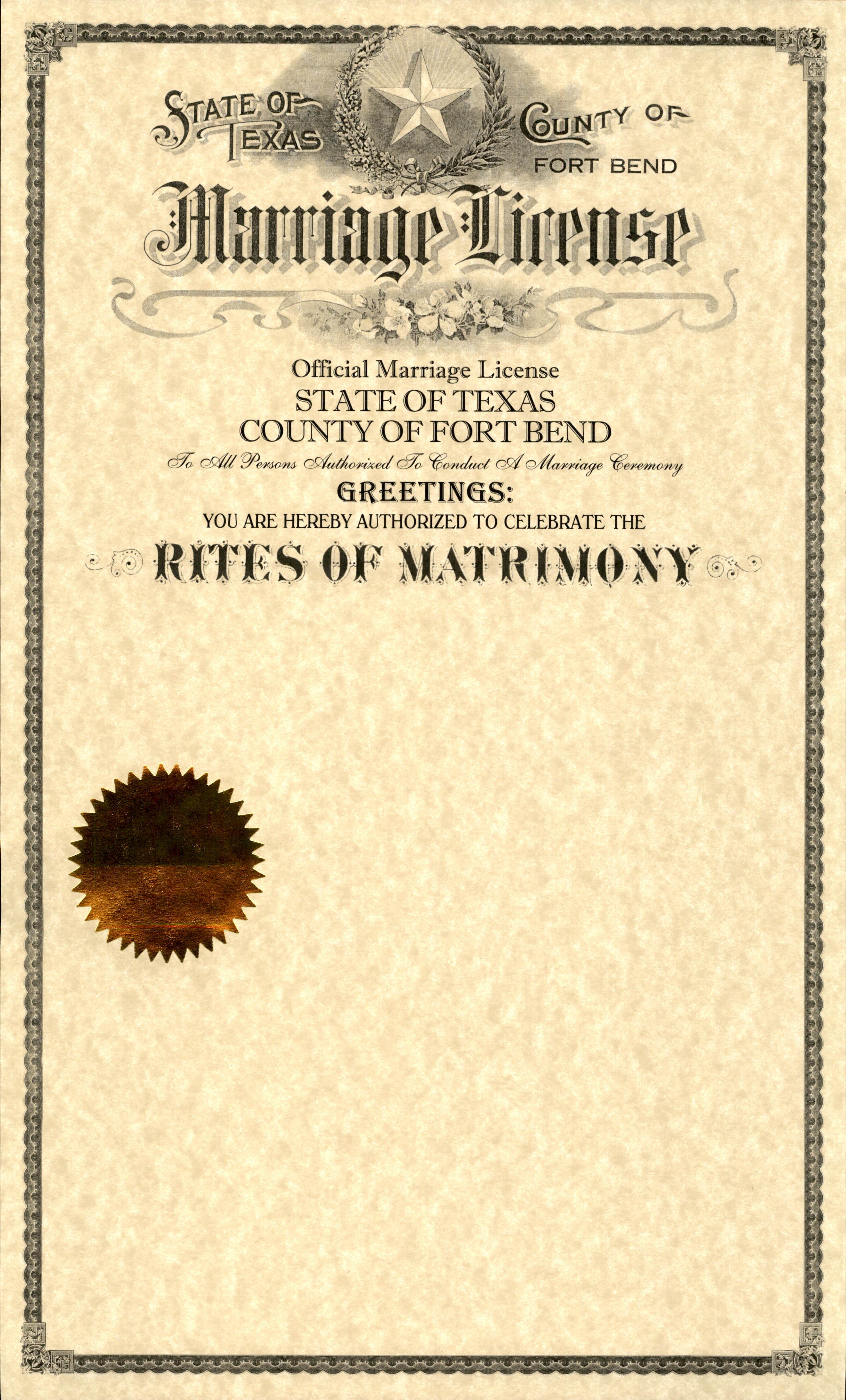
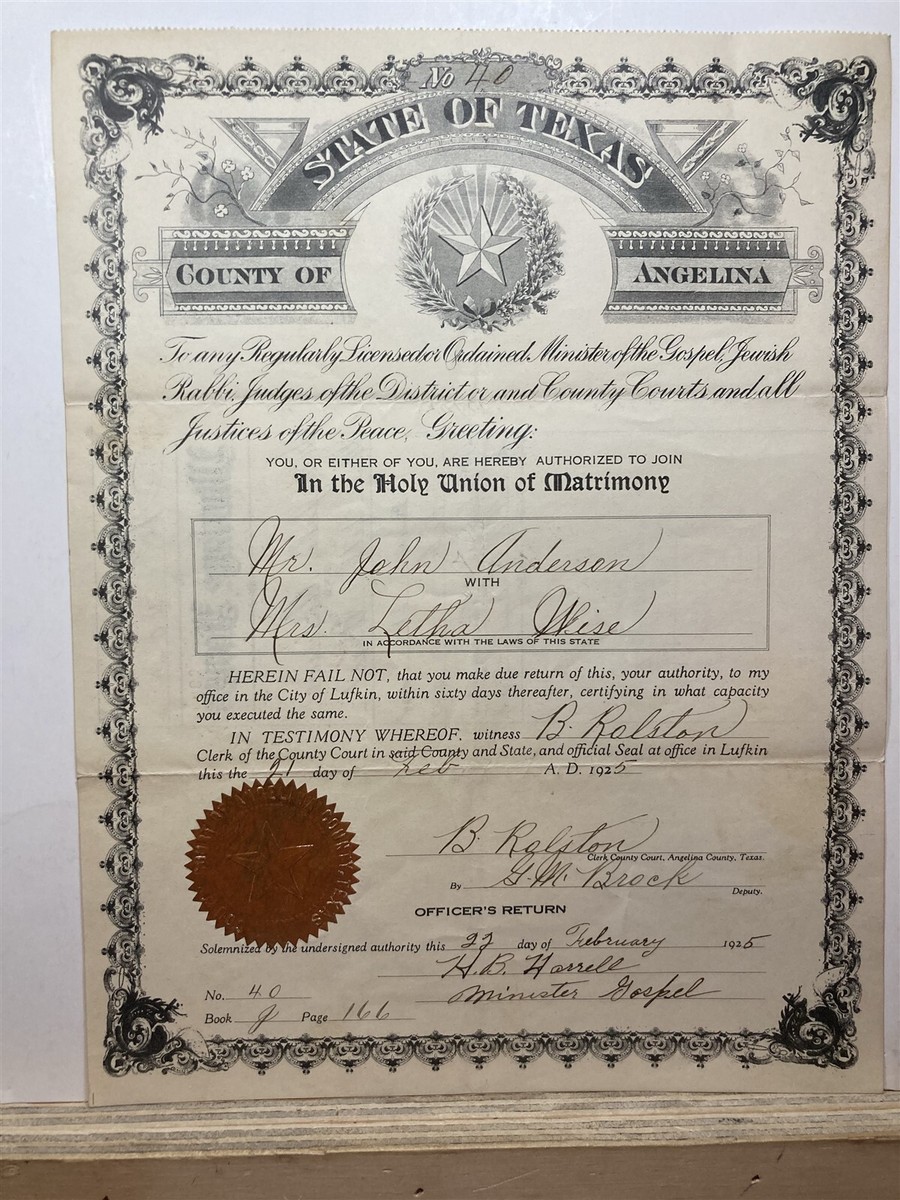
The cost of a marriage license in Texas is remarkably consistent across the state, but there can be minor variations depending on the county. Generally, you can expect the fee to fall within a specific range, making budgeting straightforward. The primary cost associated with obtaining a marriage license is the application fee itself. This fee is set by the state legislature but is collected by the individual county clerk’s offices.
Understanding the Cost of Your Texas Marriage License
The standard fee for a marriage license in Texas is $85. This price is uniform across most counties, making it a predictable expense for couples planning their Texas wedding. It’s important to note that this fee is non-refundable, regardless of whether the marriage ultimately takes place or if the license expires unused.
Factors Influencing the Final Cost
While the $85 fee is standard, there are a couple of factors that can slightly influence the total amount you might pay:
- County-Specific Fees: While the state mandates the base fee, some counties might have a nominal additional administrative fee. These are usually very small, often just a few dollars. It’s always a good idea to check the specific county clerk’s website where you intend to apply for the most up-to-date information. For instance, a couple planning to marry in Austin, Texas, might find the fee in Travis County to be slightly different from a couple applying in Dallas County.
- Waiver of the Waiting Period: Texas has a mandatory 72-hour waiting period between the issuance of the marriage license and the ceremony. However, in certain circumstances, this waiting period can be waived. Couples who have completed a premarital education course approved by Texas can have the fee waived in some counties, or the fee might be reduced. The state of Texas encourages premarital education, and some counties will reduce the marriage license fee by up to $60 if you present a completion certificate from an approved course. This means you could potentially pay as little as $25 for your license if you qualify for this discount. This is an excellent incentive for couples looking to save money while also investing in their marital future.
When you visit the county clerk’s office, be sure to inquire about any potential discounts or programs, such as the premarital education course, that might reduce your overall cost. Keeping a copy of your completion certificate for the approved course is crucial to claim this discount.
Beyond the License Fee: Additional Costs to Consider
While the marriage license fee is the primary expense, there are other aspects of the wedding planning process that might indirectly be influenced by the marriage license acquisition. These aren’t direct fees for the license itself but are important considerations for your overall wedding budget and lifestyle choices.
The Premarital Education Course Discount
As mentioned, completing an approved premarital education course can significantly reduce the cost of your marriage license. These courses are designed to equip couples with essential skills for a successful marriage, covering topics like communication, conflict resolution, and financial management. The courses typically cost between $30 and $100, depending on the provider. If the discount on the marriage license is substantial (up to $60), then the course effectively pays for itself and provides valuable relationship building. Many organizations offer these courses online, making them accessible regardless of your location within Texas or even if you’re planning your Texas wedding from afar. This option is particularly appealing for couples who might be considering a destination wedding in Texas but are not residents.
Application Requirements and Potential Delays
While not a direct monetary cost, understanding the application process and requirements is crucial to avoid potential delays and last-minute rushes, which can sometimes incur additional expenses (e.g., expedited travel to the clerk’s office). To apply for a marriage license in Texas, both applicants must appear in person at a county clerk’s office. They will need to present valid identification, such as a driver’s license, state ID, or passport. If either applicant has been previously married, they will need to provide proof of termination of the previous marriage, such as a divorce decree or death certificate.
The application process itself is generally straightforward, but being prepared with the correct documentation can save you time and stress. For instance, if you’re planning a wedding at a historic landmark in San Antonio, Texas, you’ll want to ensure your marriage license is secured well in advance, especially if you’re coming from out of state.
The Importance of Timing Your License Acquisition
The marriage license is valid for 90 days from the date it is issued. This means you can’t apply too far in advance of your wedding date. However, you also don’t want to wait until the last minute, especially if you have a specific date and venue in mind. For couples planning a destination wedding, such as a romantic getaway to the Texas Hill Country, it’s advisable to visit the county clerk’s office a few weeks before your ceremony to secure the license. This provides a buffer for any unexpected issues and allows you to fully immerse yourselves in the tourism aspects of your Texas trip, exploring local culture, indulging in food, and enjoying various activities.
For those who are not Texas residents but wish to marry in the state, the requirements are generally the same. There is no residency requirement to obtain a marriage license in Texas. This makes Texas a popular choice for couples from other states or even other countries who want to exchange vows in a beautiful and unique setting. They can often find charming resorts or unique villas for their accommodation and make a memorable experience out of their wedding journey.
Maximizing Your Budget for a Memorable Texas Wedding
The cost of a marriage license is a small but significant part of your overall wedding budget. By understanding the fees and potential discounts, you can allocate your resources effectively. This allows you to focus on other crucial aspects of your wedding, such as securing the perfect hotel suite for your luxury travel experience, finding a breathtaking landmark for your ceremony, or planning an unforgettable family trip.
Strategic Planning for Destination Weddings
If you’re planning a destination wedding in Texas, researching county clerk office hours and locations in advance is essential. Many counties offer online appointment scheduling, which can be a lifesaver when coordinating travel plans. Consider the travel logistics of obtaining the license. If you’re flying into Houston, Texas, for your wedding, you might choose to obtain your license at the county clerk’s office closest to your hotel or resort upon arrival. This allows you to take care of this important task without adding extra travel time on your wedding day.
Texas offers a diverse range of wedding venues, from the sophisticated hotels of Dallas and Houston to the rustic charm of ranches in West Texas, the historic architecture of Galveston, and the natural beauty of the Big Bend National Park. Each location offers a unique backdrop for your special day, and understanding the marriage license requirements is the first step to making that vision a reality.
Budgeting Beyond the License
While the marriage license fee itself is relatively modest, the overall cost of a wedding can vary dramatically. Couples often spend a significant portion of their budget on venues, catering, photography, attire, and entertainment. By strategically saving on the marriage license through premarital education, you free up funds that can be used for other elements that enhance your lifestyle and create lasting memories. Perhaps those savings can go towards upgrading your accommodation to a luxurious villa, extending your honeymoon to explore more destinations, or adding unique experiences for your guests.
In conclusion, the cost of a Texas marriage license is a straightforward $85, with the potential for a significant reduction if you complete an approved premarital education course. This small investment ensures you have the legal authorization to begin your married life in the beautiful and diverse state of Texas. By understanding these requirements and planning accordingly, you can ensure a smooth and stress-free process, allowing you to focus on the joy and excitement of your upcoming wedding and the incredible journey that lies ahead. Whether you choose to say “I do” amidst the vibrant cityscape of Austin, the historic charm of San Antonio, or the wide-open spaces of West Texas, your Texas wedding will undoubtedly be a cherished memory for years to come.
LifeOutOfTheBox is a participant in the Amazon Services LLC Associates Program, an affiliate advertising program designed to provide a means for sites to earn advertising fees by advertising and linking to Amazon.com. Amazon, the Amazon logo, AmazonSupply, and the AmazonSupply logo are trademarks of Amazon.com, Inc. or its affiliates. As an Amazon Associate we earn affiliate commissions from qualifying purchases.