
Embarking on a journey to explore the vast landscapes and vibrant cities of Texas is an exciting prospect, whether you’re planning a leisurely road trip through the Hill Country, soaking up the culture in Austin, or venturing to the historic Alamo in San Antonio. To truly experience the freedom of the open road and discover hidden gems scattered across this expansive state, obtaining a Texas driver’s license is often a crucial step. This guide aims to demystify the process, providing a clear and comprehensive walkthrough for both new residents and those looking to obtain a Texas license for the first time.
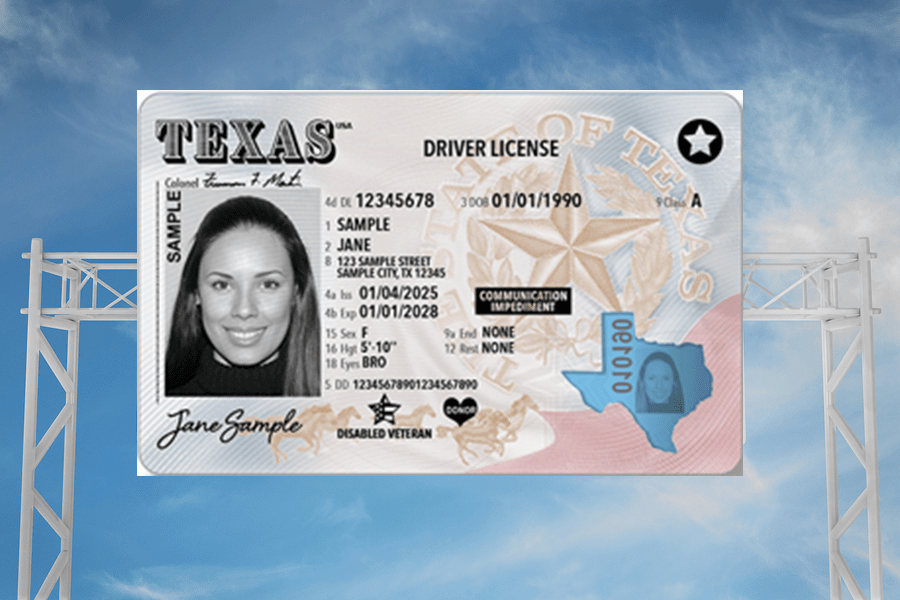
Navigating the requirements for a Texas driver’s license can seem daunting, but with the right information, it’s a manageable task. The primary authority overseeing driver licensing in Texas is the Texas Department of Public Safety (DPS). Understanding their procedures, documentation, and testing requirements will set you on the right path. Whether your travels are envisioned as luxury escapes to resorts like the Four Seasons Resort and Club Dallas at Las Colinas, budget-friendly explorations of small towns, or family adventures to theme parks, having a valid Texas license will undoubtedly enhance your mobility and independence.
This guide will break down the application process into logical steps, covering everything from understanding eligibility and gathering necessary documents to preparing for the knowledge and driving tests. We’ll also touch upon specific considerations for different age groups and situations. By the end of this article, you’ll have a clear roadmap to successfully apply for your Texas driver’s license, empowering you to fully embrace all that the Lone Star State has to offer, from its iconic landmarks to its unique local culture and diverse culinary scenes.
Understanding the Eligibility and Requirements
Before you even think about scheduling an appointment or visiting a Texas Department of Public Safety (DPS) office, it’s essential to understand who is eligible to apply for a Texas driver’s license and what the general requirements entail. Texas has specific rules for obtaining a driver’s license, which vary slightly depending on your age and whether you are a new resident or a visitor.
Residency Requirements
One of the fundamental requirements for obtaining a Texas driver’s license is establishing residency in the state. This means you must have a physical presence in Texas and intend to make it your home. The DPS may ask for proof of residency. Accepted forms of documentation can include utility bills, lease agreements, bank statements, or official mail addressed to you at your Texas address. It’s important to have at least two forms of proof of residency when you visit the DPS office.
Identification and Legal Presence
You will need to provide proof of identity and legal presence in the United States. This is a critical step, and the DPS has a comprehensive list of acceptable documents. Generally, you will need to present your original Social Security card or an official letter from the Social Security Administration showing your Social Security number. For proof of identity and legal presence, common documents include a valid U.S. passport, a certified copy of your birth certificate (issued by the state or county), or permanent resident alien cards. If you are not a U.S. citizen, you will need to provide documentation proving your legal status in the United States, such as a visa, green card, or employment authorization document.
Vision Test
A vision test is a mandatory part of the licensing process in Texas. You must meet certain vision standards to be eligible for a driver’s license. You can either pass the vision test at a DPS driver’s license office or present a Vision Specialist Report (Form DL-63) from a licensed ophthalmologist or optometrist. If you wear corrective lenses (glasses or contact lenses), you will be required to wear them while driving, and this will be noted on your driver’s license.
Knowledge Test and Driving Test
All applicants, unless they meet specific exemption criteria, will need to pass both a knowledge test (written or computer-based) and a driving test (road test). The knowledge test assesses your understanding of Texas traffic laws, road signs, and safe driving practices. The driving test evaluates your ability to operate a vehicle safely and follow traffic rules in real-world conditions. The specific requirements for these tests can vary based on your age and whether you have prior driving experience.
The Application Process: Step-by-Step
Once you’ve confirmed your eligibility and gathered the necessary documentation, the next step is to go through the official application process. This typically involves visiting a Texas DPS driver’s license office. It’s highly recommended to schedule an appointment online in advance to minimize wait times, as DPS offices can be very busy.
Obtaining a Learner’s Permit (For First-Time Drivers Under 18)
For individuals under 18 years of age applying for their first driver’s license, the process begins with obtaining a learner’s permit. This permit allows them to practice driving under the supervision of a licensed adult. To be eligible for a learner’s permit, applicants must:
- Be at least 15 years old.
- Complete an approved Texas Driver Education Program (classroom or online).
- Present a Certificate of Completion (Form DE-964 or ADE-1350) from the driver education course.
- Pass the Texas DPS knowledge test.
- Provide all required documentation, including proof of identity, Social Security number, Texas residency, and legal presence.
The learner’s permit is typically valid for six months or until the applicant turns 18, whichever comes first. During this permit phase, supervised driving practice is crucial.
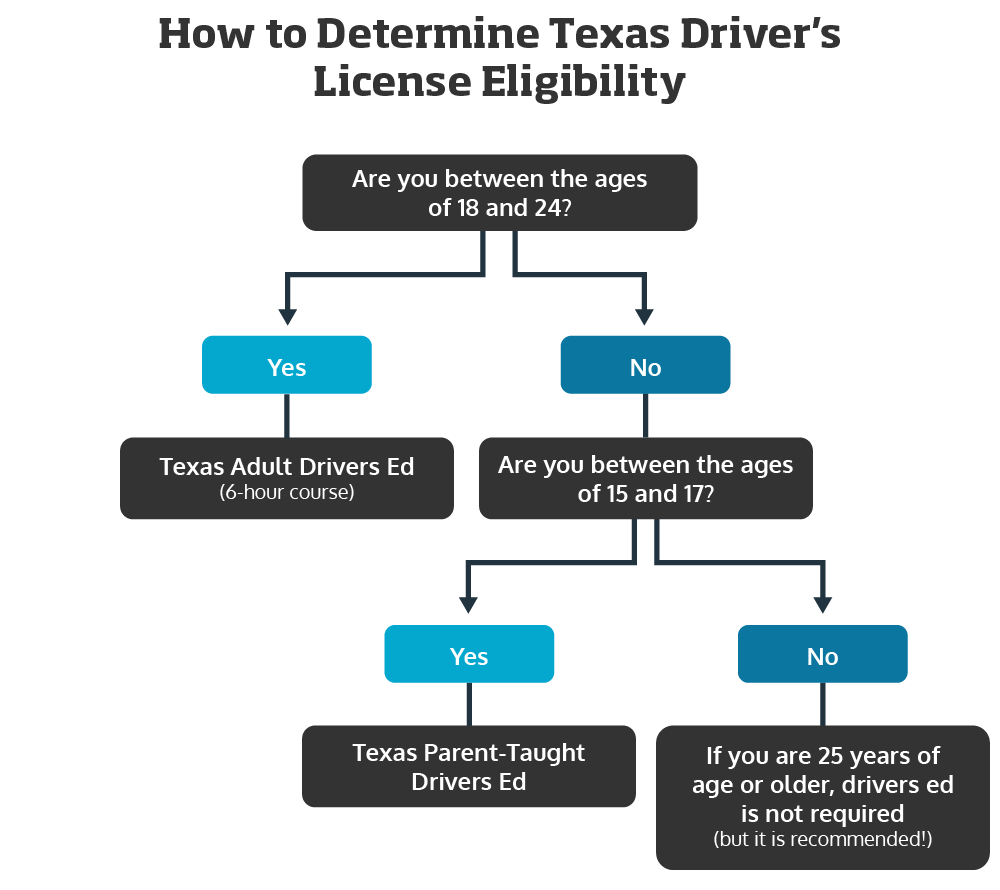
The Provisional License (For Drivers Under 18)
After holding a learner’s permit for at least six months and reaching the age of 16, applicants can apply for a provisional driver’s license. To qualify for a provisional license, individuals must:
- Be at least 16 years old.
- Have held a learner’s permit for at least six months.
- Complete 30 hours of behind-the-wheel driving practice with a licensed adult.
- Pass the Texas DPS driving test.
- Provide all required documentation.
The provisional license comes with certain restrictions, such as limitations on driving with young passengers or during nighttime hours, designed to ensure new drivers gain experience in a safer environment. These restrictions are lifted once the driver turns 18.
Applying for a Full Driver’s License (Age 18 and Over)
For individuals 18 years of age and older applying for their first Texas driver’s license, the process is more streamlined. You will need to:
- Visit a Texas DPS Driver License Office: As mentioned, it’s best to schedule an appointment.
- Complete the DL-44 Application Form: This form is available online or at the DPS office.
- Provide Required Documentation: This includes proof of identity, Social Security number, Texas residency, and legal presence.
- Pass the Vision Test: As described earlier.
- Pass the Knowledge Test: This is a computer-based exam covering traffic laws and signs. You must score at least 70% to pass.
- Pass the Driving Test: If you are not exempt based on holding a valid license from another state, you will need to demonstrate your driving skills. You will need to provide a vehicle that is properly registered, insured, and in safe working condition for the test. The examiner will assess your ability to perform maneuvers such as parallel parking, backing up, and general road driving.
- Pay the Required Fee: There is a fee associated with obtaining a driver’s license, which can vary. The DPS website will have the most up-to-date fee schedule.
- Get Your Photo Taken and Receive Your License: Once all tests are passed and fees are paid, your photograph will be taken, and you will receive a temporary paper license. Your permanent plastic driver’s license will be mailed to you within a few weeks.
Specific Considerations and Tips for a Smooth Application
Applying for a Texas driver’s license involves several steps, and being prepared can significantly smooth the process. Here are some specific considerations and practical tips to help you succeed.
Gathering Your Documents
The most common reason for delays or rejections in driver’s license applications is incomplete or incorrect documentation. Before you go to the DPS, meticulously review the Texas DPS website for the most current list of acceptable documents for proof of identity, Social Security number, Texas residency, and legal presence. It’s crucial to bring original documents or certified copies, not photocopies, unless specified otherwise. For example, a certified copy of your birth certificate from the issuing state is essential, not a hospital-issued one. If your name has changed (e.g., due to marriage), you’ll need to bring legal documentation proving the name change, such as a marriage certificate or court order, along with your updated Social Security card.
Preparing for the Tests
The knowledge test covers a broad range of topics from the official Texas Driver Handbook. It is highly recommended to read the handbook thoroughly and take practice tests online. Many third-party websites offer free practice knowledge tests that mimic the format and difficulty of the official exam. Familiarize yourself with Texas traffic laws, road signs, speed limits, and safe driving practices.
For the driving test, practice driving in various conditions and situations that you might encounter during the test. Pay close attention to skills like proper lane changes, signaling, speed control, and spatial awareness. Practice parallel parking and backing up, as these are common elements of the road test. Ensure the vehicle you plan to use for the driving test is in good working order, with functioning brake lights, turn signals, and a clean windshield.
What If You Fail a Test?
It’s not uncommon to need to retake a test. If you fail the knowledge test, you will have to wait a specified period before you can retake it. Typically, you can retake the knowledge test on your next visit to the DPS office, but there might be a waiting period of 24 hours. If you fail the driving test, you will also have to wait and reschedule your road test. The DPS website provides details on waiting periods and retesting policies. Use any setbacks as an opportunity to identify areas where you need more practice or study.
Transferring an Out-of-State License
If you are moving to Texas from another U.S. state and hold a valid driver’s license from that state, the process is generally simpler. You will typically not need to retake the knowledge test or the driving test. However, you will still need to surrender your out-of-state license and provide proof of identity, Social Security number, Texas residency, and legal presence. You will also need to pass the vision test. You usually have a specific timeframe (often 30 to 90 days after establishing residency) to transfer your license.

Real ID Requirements
Texas is compliant with the federal REAL ID Act. This means that if you plan to use your Texas driver’s license or identification card to board domestic flights or enter certain federal facilities in the future, you will need to meet REAL ID requirements. This involves bringing specific, enhanced documentation to the DPS office, including proof of identity, Social Security number, Texas residency, and legal presence. Check the Texas DPS website for the exact list of acceptable REAL ID documents, as these requirements are stricter than for a standard license.
By understanding these requirements and preparing thoroughly, you can navigate the process of obtaining your Texas driver’s license with confidence. This will open up a world of possibilities for exploring the diverse attractions, experiencing the rich local culture, and enjoying the unique lifestyle that Texas has to offer, from the bustling streets of Houston to the serene beauty of Big Bend National Park. Whether your trip involves luxury accommodation in Dallas, a culinary tour of Austin, or a historical exploration of Galveston, your new Texas driver’s license will be your key to unlocking the full Lone Star State experience.
LifeOutOfTheBox is a participant in the Amazon Services LLC Associates Program, an affiliate advertising program designed to provide a means for sites to earn advertising fees by advertising and linking to Amazon.com. Amazon, the Amazon logo, AmazonSupply, and the AmazonSupply logo are trademarks of Amazon.com, Inc. or its affiliates. As an Amazon Associate we earn affiliate commissions from qualifying purchases.