
Navigating the process of securing affordable housing can feel like embarking on a complex journey, especially when seeking low-income options in a state as vast and diverse as Texas. While Texas is renowned for its sprawling landscapes, vibrant cities, and rich cultural tapestry, it also faces challenges in ensuring that all its residents have access to safe, stable, and affordable places to call home. This guide aims to demystify the application process for low-income housing in Texas, providing a clear roadmap for individuals and families seeking assistance. Our focus is on providing practical information and actionable steps, drawing parallels to the planning and research one might undertake for a significant travel or accommodation experience. Just as a well-planned trip requires understanding destinations, booking the right hotels, and immersing oneself in local tourism, finding affordable housing necessitates careful research, understanding eligibility, and navigating application procedures.

The concept of “low income” in the context of housing assistance is typically defined by a percentage of the Area Median Income (AMI). This figure varies by geographic location within Texas and is determined annually by the U.S. Department of Housing and Urban Development (HUD). Housing programs, whether federal, state, or local, often target individuals or families earning below 80%, 50%, or even 30% of the AMI. Understanding where you fall within these income brackets is the foundational step in your housing search. It’s akin to identifying your budget and travel style before booking a flight or hotel; knowing your financial parameters is crucial for targeting the most suitable housing options.
Understanding Your Eligibility and Available Programs
Before diving into applications, it’s vital to understand the various types of low-income housing available and the general eligibility criteria. Texas offers a range of programs designed to assist those with limited financial resources, each with its own set of requirements. These programs can be broadly categorized into subsidized housing, public housing, and rental assistance programs.
Types of Low Income Housing Assistance
When considering “accommodation” options in Texas, it’s important to recognize that not all are geared towards luxury resorts or exclusive villas. The spectrum of housing includes more fundamental and essential provisions for residents.
-
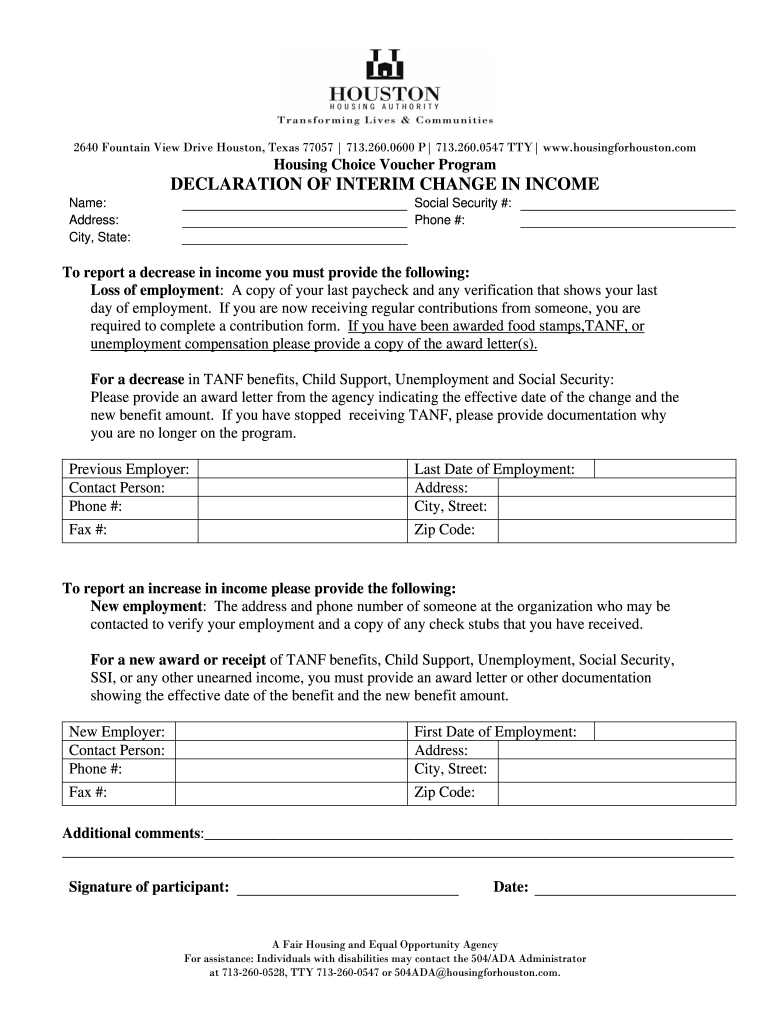
Public Housing: This is housing owned and managed by a local public housing authority (PHA). These units are specifically built and set aside for low-income families, the elderly, and people with disabilities. Eligibility is primarily based on income and family status. The application process for public housing is often managed directly by the local PHA. For example, if you are in Dallas, you would interact with the Dallas Housing Authority. Similarly, in Houston, the Houston Housing Authority would be your point of contact.
-
Housing Choice Vouchers (Section 8): This is a federal program administered by HUD and implemented by PHAs. It provides rental assistance to low-income families, the elderly, and disabled individuals to afford decent, safe, and sanitary housing in the private market. With a voucher, you can choose almost any type of housing, including single-family homes, apartments, and townhouses, as long as the landlord agrees to participate in the program and the rent is within the program’s limits. The voucher pays a portion of your monthly rent directly to the landlord. This is a highly sought-after program, and waiting lists can be long, so prompt application is key.
-
Low-Income Housing Tax Credit (LIHTC) Properties: These are privately owned apartment complexes that receive tax credits from the federal government to make them affordable for low-income individuals and families. While privately owned, they are subject to specific income restrictions for tenants. These properties are not managed by PHAs but by private property management companies. Rent is typically lower than market rate, and eligibility is determined by income limits set for the specific property. When researching these options, you might find listings for apartments in cities like Austin or San Antonio that fall under this program.
-
Other State and Local Programs: Beyond federal initiatives, Texas may have additional state or local programs offering housing assistance. These could include emergency shelters, transitional housing, or specific programs for certain populations, such as veterans or victims of domestic violence. Information on these can often be found through local community action agencies or social service organizations.
Determining Your Eligibility
The first crucial step in applying for any low-income housing program is to determine your eligibility. This typically involves a review of your:
- Income: As mentioned, your household income will be compared against the Area Median Income (AMI) for your specific region in Texas. You will likely need to provide proof of income, such as pay stubs, tax returns, or benefit statements.
- Family Size: The size of your household often plays a role in determining eligibility and the type or size of housing you may qualify for.
- Citizenship or Immigration Status: Most federal housing programs require applicants to be U.S. citizens or have eligible immigration status.
- Criminal Background: Some programs may conduct background checks. However, specific regulations are in place to ensure that individuals are not unfairly denied housing based on past offenses, particularly for minor or old convictions.
- Rent Burden: Your current housing costs relative to your income are also a significant factor. Programs aim to reduce the “rent burden,” which is the percentage of your income spent on housing.
Gathering documentation for these aspects beforehand can significantly streamline the application process. Think of it as preparing your itinerary and travel documents before a trip; having everything ready makes the journey smoother.
The Application Process: Step-by-Step
Applying for low-income housing can seem daunting, but breaking it down into manageable steps makes it achievable. This process is similar to planning an elaborate trip, requiring research, patience, and attention to detail.
Step 1: Research and Identify Housing Opportunities
Your journey begins with understanding what is available in your desired location within Texas. This is akin to researching different “destinations” or “attractions” to find the best fit for your travel preferences.
-
Contact Your Local Public Housing Authority (PHA): This is your primary starting point. Every metropolitan area and many counties in Texas have a PHA. You can find a list of PHAs in Texas on the HUD website or by searching online. The PHA will have information on public housing units they manage and how to apply for their waiting lists, as well as details on local Housing Choice Voucher programs. Some PHAs might also have information on other local affordable housing initiatives. For example, if you are in El Paso, you would contact the El Paso Housing Authority.
-
Search for LIHTC Properties: Many websites and databases list properties that are part of the Low-Income Housing Tax Credit program. These often operate like apartment complexes but with income restrictions. You can usually find these by searching online for “affordable apartments [your city name] Texas” and looking for properties that mention income-based rent or LIHTC. Property management websites for these complexes will detail their specific eligibility requirements and application procedures.
-
Utilize Online Resources: Several online platforms are dedicated to listing affordable housing options. Websites like HousingList.com, AffordableHousing.com, and the Texas Department of Housing and Community Affairs (TDHCA) website can be valuable resources. These platforms allow you to filter by location, income level, and program type, much like using travel comparison sites to find suitable “hotels” or “resorts.”
- Consult Social Service Agencies: Local community action agencies, non-profit organizations, and 211 helplines can often provide guidance and referrals to various housing assistance programs and resources in your area. They act as experienced “travel guides” for navigating complex systems.
Step 2: Gather Necessary Documentation
Once you’ve identified potential housing opportunities, it’s time to prepare your application package. This is similar to gathering your passport, visa, and booking confirmations before a trip. Thorough preparation is key to a smooth application.
- Proof of Identity: Government-issued identification for all household members (e.g., driver’s license, state ID, passport).
- Proof of Income: Recent pay stubs (usually for the last 30-60 days), W-2 forms, tax returns, Social Security benefit statements, disability statements, pension statements, unemployment benefits, or any other documentation verifying your household income.
- Proof of Household Size: Birth certificates for children, social security cards for all family members.
- Proof of Residency: Utility bills or lease agreements showing your current address.
- Social Security Numbers: For all household members.
- Other Documents: Depending on the specific program, you may need to provide documentation for assets, medical expenses, or other factors that influence eligibility.
Step 3: Complete and Submit Applications
Filling out applications accurately and completely is critical. This is where the details of your “travel plan” are solidified.
- Application Forms: Obtain the official application forms from the housing provider (PHA or property management company). These can often be downloaded from their websites or picked up in person.
- Honesty and Accuracy: Be truthful and accurate in all information provided. Inaccurate information can lead to disqualification or delays.
- Deadlines: Pay close attention to application deadlines. Waiting lists can close, and opening periods can be limited. Mark these dates on your calendar.
- Submission Methods: Follow the submission instructions precisely. This might involve mailing the application, submitting it online, or delivering it in person. If submitting by mail, consider using certified mail for proof of delivery.
Step 4: Waiting Lists and Interviews
For many programs, especially public housing and Housing Choice Vouchers, you will be placed on a waiting list once your application is accepted.
- Waiting Lists: The length of waiting lists varies significantly based on the program, location, and demand. Some lists can have wait times of several months to several years. It’s crucial to maintain updated contact information with the PHA or housing provider so they can reach you when a unit becomes available.
- Interviews: When your turn comes up on the waiting list, you will typically be scheduled for an interview. This is an opportunity for the housing provider to verify the information on your application and for you to ask any remaining questions. Treat this interview with the same seriousness as a crucial business meeting or a significant travel appointment. Be prepared, be punctual, and bring any requested updated documentation.
- Unit Offers: If you qualify and a unit becomes available, you will receive an offer. You will usually have a limited time to accept or decline the offer. If you decline, you may be removed from the waiting list or placed at the bottom, depending on the program’s rules.
Tips for a Successful Application
Navigating the world of low-income housing requires more than just filling out forms. A strategic approach, much like planning a memorable “lifestyle” experience, can increase your chances of success.
Patience and Persistence
The application process for low-income housing in Texas can be lengthy and sometimes frustrating. Waiting lists are common, and demand often exceeds supply. It is essential to be patient and persistent. Don’t get discouraged if you don’t hear back immediately. Keep your contact information updated with the housing authorities and management companies. Regular follow-ups, done respectfully, can sometimes be beneficial, but always adhere to their communication guidelines.
Be Prepared for Verification
Housing authorities and property managers will thoroughly verify the information provided in your application. This means having all your supporting documents readily available and accurate. Any discrepancies can cause significant delays or lead to disqualification. Think of this as the background checks and verification processes that might occur before a long-term “stay” or a substantial “booking.”
Understand the Terms and Conditions
Once you are offered a housing unit or a voucher, take the time to thoroughly understand the lease agreement, program rules, and your responsibilities as a tenant. This includes understanding rent payment procedures, maintenance responsibilities, and any community rules. Clarity on these terms ensures a harmonious living situation, much like understanding the amenities and rules of a “resort” or “villa” to fully enjoy your stay.
Explore All Options
Don’t limit your search to just one program or one PHA. If you are open to relocating within Texas, research housing options in different cities or counties. Smaller towns might have less competition for housing. Similarly, explore all types of programs—public housing, vouchers, and LIHTC properties—as one might be more accessible than another. This broad approach to “accommodation” can reveal unexpected opportunities.
Seek Assistance
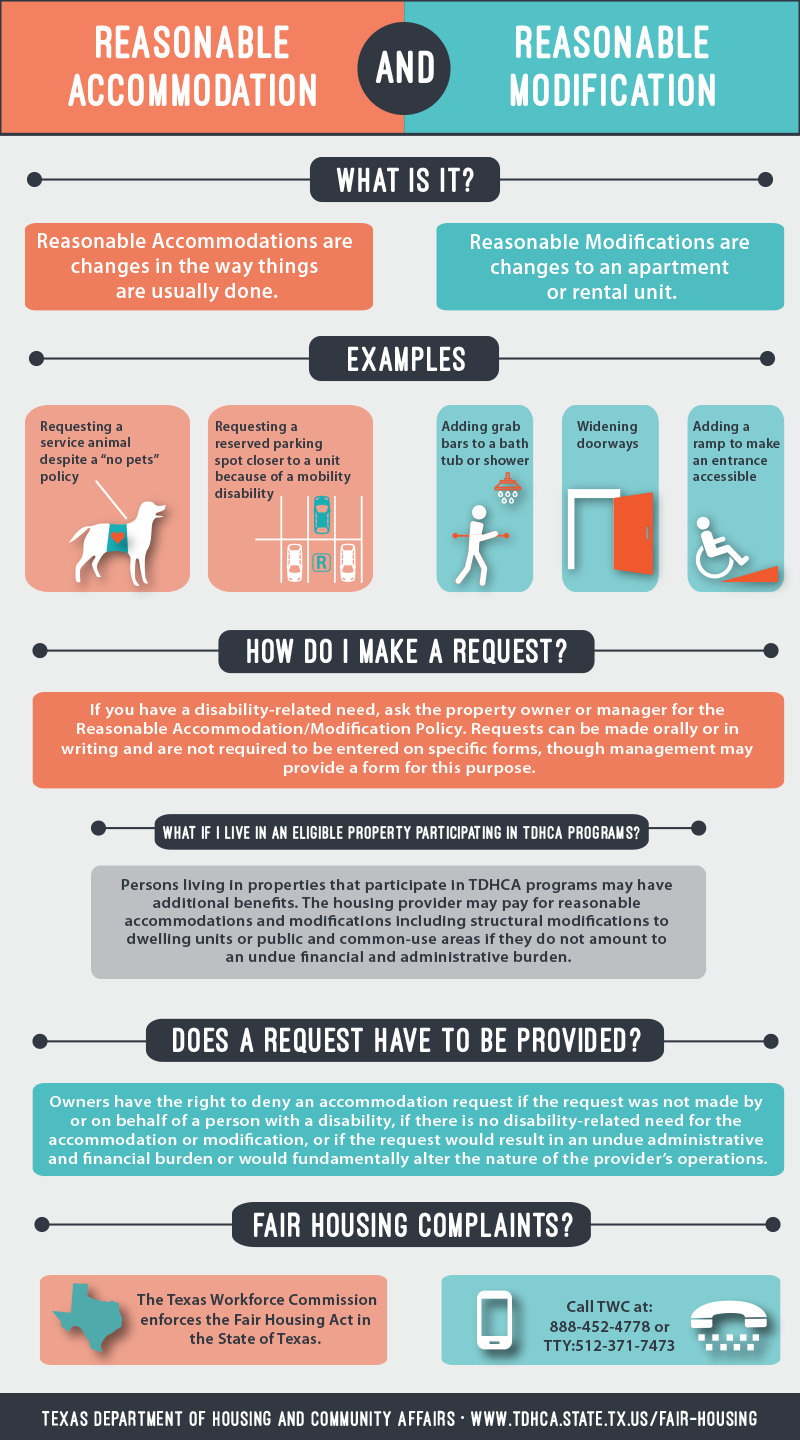
If you find the process overwhelming, don’t hesitate to seek help. Many organizations and individuals are dedicated to assisting low-income residents with their housing applications. This can include housing counselors, social workers, and staff at non-profit organizations. They can provide guidance, help you complete forms, and advocate on your behalf. These resources are like having an experienced “guide” who knows the terrain and can help you navigate its complexities.
Securing low-income housing in Texas is a journey that requires diligence, preparation, and perseverance. By understanding the available programs, meticulously gathering documentation, and patiently following the application procedures, individuals and families can navigate this process successfully and find a stable and affordable place to call home. This pursuit of housing is a fundamental aspect of establishing a stable “lifestyle,” allowing individuals to focus on other areas of their lives, from contributing to the local “tourism” economy to enjoying the rich “culture” Texas has to offer.
LifeOutOfTheBox is a participant in the Amazon Services LLC Associates Program, an affiliate advertising program designed to provide a means for sites to earn advertising fees by advertising and linking to Amazon.com. Amazon, the Amazon logo, AmazonSupply, and the AmazonSupply logo are trademarks of Amazon.com, Inc. or its affiliates. As an Amazon Associate we earn affiliate commissions from qualifying purchases.