
Embarking on a career as an insurance agent in Texas can be a rewarding path, offering financial stability, the opportunity to help others, and a flexible lifestyle. While the prospect of a new career might seem daunting, Texas has a well-defined process to guide aspiring agents. This comprehensive guide will walk you through the essential steps, from understanding the licensing requirements to building a successful career. Whether you envision yourself advising clients in the bustling metropolis of Houston or the charming historic districts of San Antonio, the journey to becoming a licensed insurance agent in the Lone Star State is achievable with dedication and the right information.
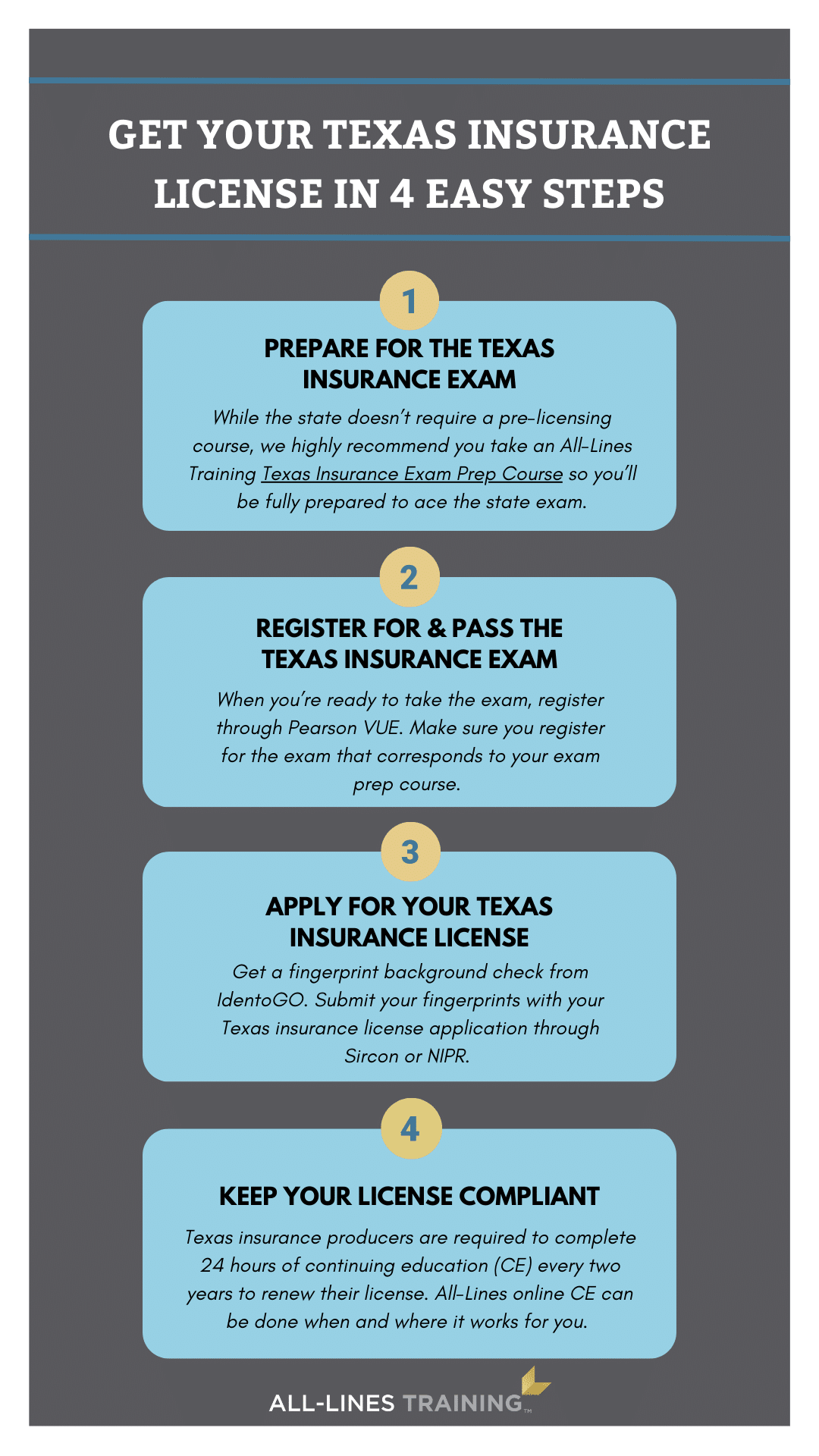
Understanding the Role and Requirements
Before diving into the procedural aspects, it’s crucial to grasp what an insurance agent does and the fundamental prerequisites for entering the profession in Texas. Insurance agents act as intermediaries between insurance companies and individuals or businesses seeking coverage. They assess clients’ needs, explain policy options, help with applications, and provide ongoing support. This role demands strong communication skills, a detail-oriented approach, and a genuine desire to assist people in protecting their assets and well-being.
The Texas Department of Insurance (TDI) oversees all licensing and regulatory matters for insurance professionals in the state. To become a licensed insurance agent in Texas, you must meet several core requirements:
- Age: You must be at least 18 years old.
- Residency: You must be a bona fide resident of Texas.
- Criminal Background: You must not have been convicted of a felony or a crime involving moral turpitude. The TDI will conduct a background check as part of the application process.
- Education: While Texas does not mandate a specific college degree, you are required to complete a pre-licensing education course approved by the TDI.
The type of insurance you wish to sell will also influence your specific licensing requirements. Texas offers licenses for various lines of insurance, including:
- Life Insurance: Covers the financial protection of beneficiaries upon the death of the insured.
- Health Insurance: Provides coverage for medical expenses.
- Property and Casualty Insurance: Covers damage or loss to property (homes, vehicles, etc.) and liability for injuries or damages to others. This can include auto insurance, homeowners insurance, and commercial property insurance.
- Variable Products: This typically includes variable life and variable annuity products, which have investment components. Selling these requires additional securities licenses.
For most aspiring agents, the initial goal is to obtain a resident Producer license, which allows you to sell multiple lines of insurance. The specific steps involved in this process are detailed in the following sections.
Pre-Licensing Education: Building Your Knowledge Foundation
A cornerstone of becoming a licensed insurance agent in Texas is completing a state-approved pre-licensing education course. These courses are designed to equip you with the fundamental knowledge of insurance principles, laws, ethics, and specific product details relevant to the lines of insurance you intend to sell. The TDI mandates a specific number of hours for these courses, which varies depending on the type of license:
- Life, Health, and Accident (LHA) or Personal Lines (PL) License: Typically requires 40 hours of approved pre-licensing education.
- Combination License (Life, Health, and Property & Casualty): Usually requires 80 hours of approved pre-licensing education.
These courses can be taken through various providers, including online platforms, community colleges, and dedicated licensing schools. When choosing a provider, ensure they are officially recognized by the Texas Department of Insurance. Look for programs that offer practice exams and comprehensive study materials to maximize your preparation for the state licensing exam.
The curriculum generally covers:
- Basic Insurance Concepts: Understanding risk, peril, hazard, insurance principles (insurable interest, utmost good faith, indemnity, etc.).
- Insurance Law and Regulations: Key statutes and regulations governing the insurance industry in Texas, including unfair trade practices and consumer protection laws.
- Life Insurance Policies: Types of policies, policy provisions, nonforfeiture options, dividend options, and riders.
- Health Insurance Policies: Major medical, disability income, Medicare, Medicaid, and various supplemental plans.
- Property and Casualty Insurance: Principles of property insurance, types of property policies (homeowners, dwelling), auto insurance coverages, liability, and commercial insurance basics.
- Ethics and Professional Conduct: The importance of ethical behavior and fiduciary responsibility when dealing with clients.
Completing this educational component not only fulfills a licensing requirement but also provides a solid understanding of the products and responsibilities involved in your new career. It’s an investment in your future success, enabling you to confidently advise clients and navigate the complexities of insurance.
The State Licensing Exam: Proving Your Competence
Once you have completed your pre-licensing education, the next critical step is to pass the official Texas state licensing exam. This exam is administered by a third-party testing service, currently Pearson VUE, on behalf of the TDI. The exam will test your comprehension of the material covered in your pre-licensing course and your understanding of Texas insurance laws and regulations.
The format of the exam typically consists of multiple-choice questions. The number of questions and the passing score will depend on the specific license you are pursuing. For instance, a Life, Health, and Accident exam will have a different structure than a Property and Casualty exam.
Key tips for preparing for and taking the exam:
- Schedule Wisely: Book your exam appointment well in advance after completing your pre-licensing course. Familiarize yourself with the Pearson VUE testing centers and their locations.
- Utilize Study Materials: Go back over your pre-licensing course materials, focusing on areas you found challenging. Use flashcards, create study guides, and take advantage of any practice exams provided by your course provider or Pearson VUE.
- Understand Exam Structure: Be aware of the time limits and the number of questions you will face. This helps in pacing yourself during the exam.
- Read Carefully: Pay close attention to the wording of each question and the answer choices. Sometimes, subtle differences in phrasing can lead to the correct answer.
- Focus on Texas Specifics: Remember that the exam will include questions specific to Texas insurance laws, so ensure your review emphasizes this.
- Stay Calm: On exam day, try to remain calm and focused. A well-prepared mind is your best asset.
Passing the state licensing exam is a significant milestone. It signifies that you have demonstrated the necessary knowledge and understanding to operate as a licensed insurance agent in Texas.

The Application and Licensing Process
With your pre-licensing education completed and your state exam successfully passed, you are ready to formally apply for your insurance agent license in Texas. The application process is handled through the Texas Department of Insurance.
Submitting Your Application and Fees
The application for an insurance agent license is typically submitted online through the TDI website. You will need to provide personal information, details about your education, and attest to meeting all the eligibility requirements.
As part of the application, you will be required to undergo a background check, which includes fingerprinting. The TDI uses this to ensure you meet the character and fitness standards for holding a license. You will need to schedule a fingerprinting appointment with an approved vendor.
There are also associated fees for the license application, examination, and fingerprinting. These fees are subject to change, so it’s essential to check the current fee schedule on the Texas Department of Insurance website. Prompt payment of these fees is crucial for the processing of your application.
Background Check and Final Approval
The TDI will review your application, background check results, and exam scores. If all requirements are met, your license will be issued. The processing time can vary, so it’s advisable to apply as soon as you have successfully passed your exam.
You will receive notification from the TDI once your license has been approved and issued. Your license status can typically be verified online through the TDI’s public database.
Building Your Insurance Career in Texas
Obtaining your insurance license is the foundational step, but it’s just the beginning of a dynamic career. To thrive as an insurance agent in Texas, consider the following strategies for building a successful practice and exploring various lifestyle opportunities:
Choosing Your Path: Captive vs. Independent Agent
A crucial decision you’ll face is whether to become a captive agent or an independent agent.
-
Captive Agents: These agents represent a single insurance company, such as State Farm or Allstate. They sell only that company’s products and often receive leads and marketing support directly from the insurer. This path offers a structured environment and a defined product line.
-
Independent Agents (Brokers): These agents partner with multiple insurance companies, allowing them to offer a wider range of products and compare policies to find the best fit for their clients. This offers greater flexibility and the ability to serve diverse client needs, from comprehensive travel insurance for a trip to Disney World to robust homeowners policies for properties in areas prone to severe weather. This model often appeals to those who enjoy the entrepreneurial aspect of building their own business.
Affiliation and Ongoing Education
Regardless of whether you choose to be captive or independent, affiliating with an established agency can provide invaluable mentorship, training, and administrative support, especially in your early years. Many agencies offer training programs that go beyond the pre-licensing requirements, covering sales techniques, product knowledge, and customer relationship management.
Continuing education (CE) is not only a regulatory requirement for license renewal but also a vital part of staying current in the ever-evolving insurance landscape. Texas requires licensed agents to complete a certain number of CE hours biennially, covering topics like ethics, law, and new insurance products. Investing in ongoing learning will ensure you can offer the most relevant and up-to-date advice to your clients, whether they’re seeking affordable auto insurance for their commutes through Dallas or specialized coverage for a unique business venture.

Specializing and Building a Client Base
As you gain experience, consider specializing in specific lines of insurance or niche markets. This could involve focusing on:
- Small Business Insurance: Helping local Texas businesses in industries ranging from restaurants to construction secure the right commercial coverage.
- Life Insurance Planning: Assisting families with wealth transfer, estate planning, and ensuring financial security.
- Senior Market Insurance: Focusing on Medicare plans, long-term care insurance, and other products relevant to older adults.
- Luxury Travel Insurance: Catering to affluent clients who require comprehensive coverage for high-value international trips.
Building a strong client base is paramount. This involves developing effective networking strategies, leveraging referrals, and providing exceptional customer service. For example, a client who purchased homeowners insurance for their home in Austin might later seek your advice on travel insurance for a family vacation to the Caribbean or life insurance for themselves. Consistently exceeding client expectations will lead to loyal customers and a steady stream of new business.
The lifestyle of an insurance agent in Texas can be incredibly fulfilling. The ability to set your own hours, work from various locations – perhaps even enjoying a remote work setup from a charming bed and breakfast near the Texas Hill Country – and directly impact people’s financial security offers a unique blend of professional achievement and personal freedom. By diligently following the steps outlined, embracing continuous learning, and focusing on client needs, you can successfully launch and build a prosperous career as an insurance agent in the great state of Texas.
LifeOutOfTheBox is a participant in the Amazon Services LLC Associates Program, an affiliate advertising program designed to provide a means for sites to earn advertising fees by advertising and linking to Amazon.com. Amazon, the Amazon logo, AmazonSupply, and the AmazonSupply logo are trademarks of Amazon.com, Inc. or its affiliates. As an Amazon Associate we earn affiliate commissions from qualifying purchases.