
While the allure of exotic destinations and luxurious accommodations often defines the pages of travel and lifestyle blogs, there’s a unique kind of excitement that can be found in mastering a skill that complements many of these experiences. For those who find themselves in the vibrant atmosphere of a Las Vegas casino or enjoying a sophisticated evening at a high-end resort, understanding the nuances of a popular card game can elevate the overall experience. This guide, inspired by the fundamental principles of dealing Texas Hold’em poker, aims to equip you with the knowledge to not only understand the game but also to appreciate its strategic depth, much like appreciating the intricate planning behind a memorable trip.
Our journey into the world of Texas Hold’em will mirror the meticulous approach we take when planning travel. Just as we research the best hotels and uncover hidden local gems, we will delve into the mechanics of the game, from the initial shuffle and deal to the strategic betting rounds and the ultimate showdown. We’ll explore how this seemingly simple game involves observation, calculated risk, and a touch of psychology – elements that resonate deeply with the sophisticated traveler who values both experience and expertise.
The Foundation: Understanding the Cards and the Deal
At its core, Texas Hold’em is a game of probabilities, skill, and nerve. Before any betting begins, understanding the fundamental components is paramount. This is akin to understanding the currency, basic phrases, and cultural etiquette of a new country before embarking on your adventure.
The Deck and the Players
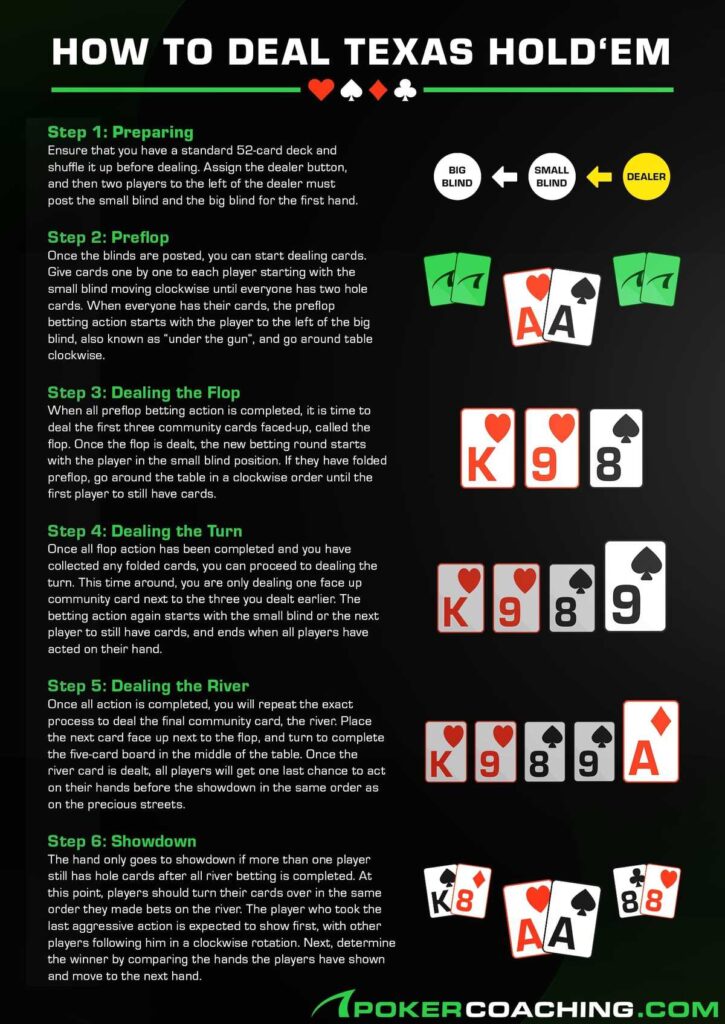
A standard 52-card deck is used in Texas Hold’em. The game is typically played with anywhere from two to ten players. The objective is to form the best possible five-card poker hand using a combination of your two private “hole” cards and the five community cards that are dealt face-up on the table. The dealer’s role is crucial; they are responsible for shuffling the cards, distributing them to the players, and managing the flow of the game, including the placement of blinds and the order of betting.
The Deal: From Shuffle to Flop
The process begins with the dealer shuffling the deck thoroughly. This ensures randomness and fairness, a principle we also seek in travel when comparing flight options or hotel prices. After shuffling, the deck is “cut” by a player to further randomize the order.
The actual deal begins with the player to the left of the dealer. Each player receives two cards, dealt one at a time, face down. These are your “hole cards” – your private hand. The quality of these initial cards significantly influences your strategy, much like the quality of your flight or the location of your hotel can set the tone for your trip.
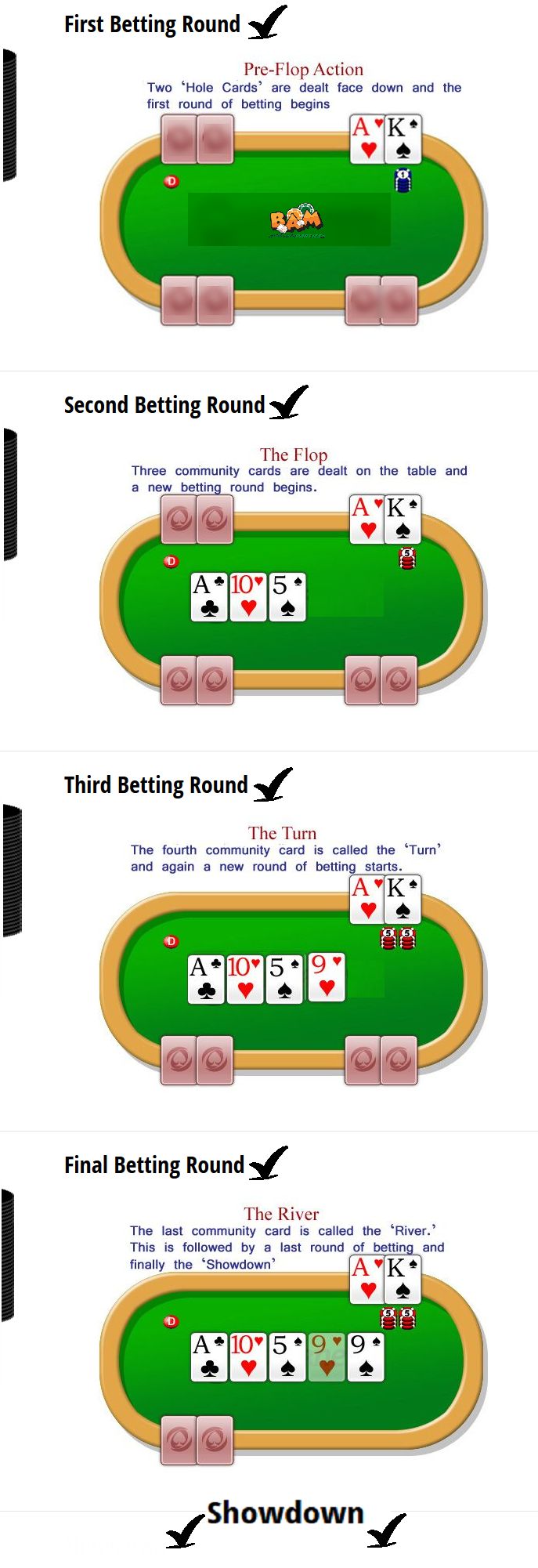
Following the initial deal, the first round of betting commences. This is where players assess the strength of their hole cards and the potential they hold.
The Community Cards: Building the Hand
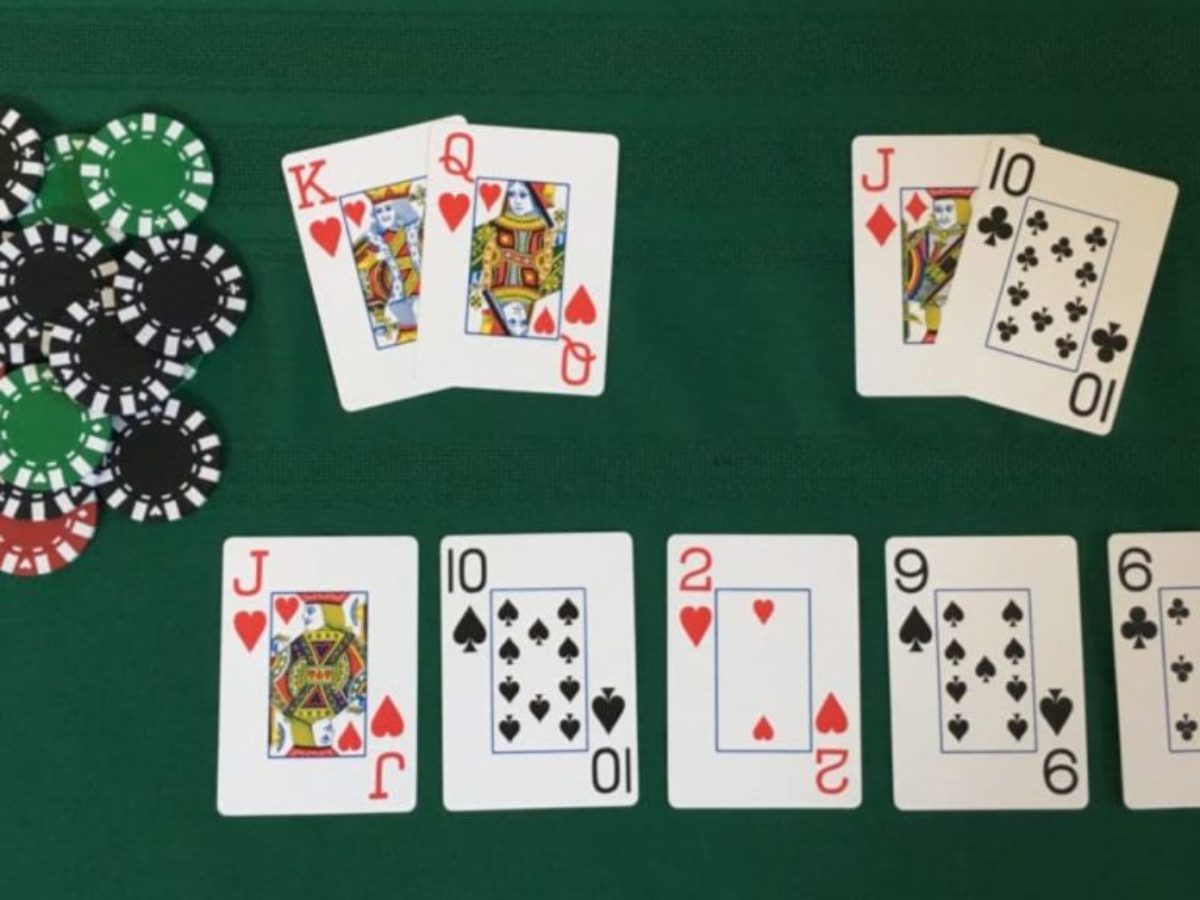
Once the first betting round is complete, the dealer proceeds to deal the “flop.” This involves burning one card (discarding it face down) and then dealing three community cards face up in the center of the table. These three cards are shared by all players and can be used in conjunction with their hole cards to form their best five-card hand.
The flop is a critical juncture in the game. It provides a significant amount of information and dramatically increases the potential hands players can form. This is analogous to arriving at your destination and beginning to explore its attractions – the initial impressions are formed, and the possibilities for discovery expand.
After the flop, a second round of betting occurs. Players now have more information about the potential hands of their opponents, leading to more strategic decisions.
Next, the “turn” card is dealt. Again, one card is burned, and a fourth community card is placed face up. This further refines the potential hands and intensifies the strategic considerations. A third round of betting follows the turn.
Finally, the “river” card is dealt. After burning one final card, the fifth and last community card is placed face up. This completes the board, and all seven cards (your two hole cards plus the five community cards) are available for players to form their best five-card hand. A final round of betting takes place after the river.
Beyond the Deal: Strategy and Observation
Dealing Texas Hold’em is only the first step; understanding the strategy and observing your opponents is where the real game unfolds. This mirrors the way a seasoned traveler moves beyond simply booking a room and begins to immerse themselves in the local culture and hidden experiences.
Reading Your Opponents: The Unseen Attractions
In poker, as in travel, keen observation is key. While you can’t physically see your opponents’ hole cards, their betting patterns, physical tells (like a nervous twitch or a confident lean), and the speed at which they act can reveal a great deal about the strength of their hand. This is similar to how a local’s recommendations can reveal the true gems of a city, often overlooked by guidebooks.
A player who bets aggressively might have a strong hand, or they might be bluffing. A player who plays cautiously might be holding weak cards, or they might be trying to lure you into a trap with a monster hand. Learning to discern these nuances is a skill that develops over time, much like developing an eye for authentic local cuisine over tourist traps.
Betting Strategies: Navigating the Landscape
The betting in Texas Hold’em is a dynamic dance of aggression and caution. Understanding when to bet, when to raise, and when to fold is fundamental.
- Betting: Placing a wager to start the action or continue it.
- Calling: Matching the bet of another player.
- Raising: Increasing the bet, forcing others to call a larger amount or fold.
- Folding: Discarding your hand and forfeiting any chance of winning the pot.
Choosing the right betting strategy depends on your hand strength, your position at the table, and your assessment of your opponents. A player who consistently bets out of turn or makes erratic wagers might be exhibiting a tell, similar to a tourist struggling with the local transportation system.
The Showdown: Revealing Your Hand and Your Experience
The culmination of a Texas Hold’em hand is the showdown, where the remaining players reveal their cards to determine the winner. This is the moment of truth, much like experiencing a breathtaking vista after a challenging hike or savoring a meticulously prepared meal that was a highlight of your culinary tour.
Determining the Winner
The player with the best five-card poker hand wins the pot, which is the collection of all bets made during the hand. The standard poker hand rankings, from highest to lowest, are:
- Royal Flush: Ace, King, Queen, Jack, Ten of the same suit.
- Straight Flush: Five cards in sequence, all of the same suit.
- Four of a Kind: Four cards of the same rank.
- Full House: Three cards of one rank and two cards of another rank.
- Flush: Five cards of the same suit, not in sequence.
- Straight: Five cards in sequence, but not all of the same suit.
- Three of a Kind: Three cards of the same rank.
- Two Pair: Two cards of one rank and two cards of another rank.
- One Pair: Two cards of the same rank.
- High Card: If no player has any of the above hands, the player with the highest-ranking single card wins.
Understanding these rankings is as essential as knowing the local currency and basic greetings when traveling abroad.
The Psychology of the Game: The Human Element
Beyond the cards and the betting, Texas Hold’em is a game of psychology. It’s about managing your emotions, understanding the emotional states of your opponents, and making rational decisions under pressure. This mirrors the skill required to navigate unexpected travel challenges, such as flight cancellations or lost luggage, with grace and composure. A calm demeanor and a strategic approach can turn a potentially frustrating situation into a manageable one.
For the discerning traveler, mastering Texas Hold’em is not just about winning chips; it’s about honing skills that enhance other aspects of life. It’s about developing patience, strategic thinking, and the ability to read people and situations – qualities that are invaluable whether you’re negotiating a deal in a bustling souk in Marrakech or navigating the intricate social dynamics of a high-stakes poker game in Macau.
Just as you might seek out unique experiences and luxurious stays, from the opulent suites at the Bellagio Hotel in Las Vegas to a secluded villa overlooking the azure waters of the Maldives, understanding Texas Hold’em adds another layer of sophisticated engagement. It’s about appreciating the game’s elegance, its strategic depth, and the thrill of intellectual combat. So, the next time you find yourself in a setting where cards are dealt and fortunes hang in the balance, remember this guide. Embrace the process, observe your surroundings, and play your hand with confidence, just as you would explore the ancient landmarks of Rome or savor the local cuisine in Tokyo. The journey of learning, in poker as in travel, is often the most rewarding part.
LifeOutOfTheBox is a participant in the Amazon Services LLC Associates Program, an affiliate advertising program designed to provide a means for sites to earn advertising fees by advertising and linking to Amazon.com. Amazon, the Amazon logo, AmazonSupply, and the AmazonSupply logo are trademarks of Amazon.com, Inc. or its affiliates. As an Amazon Associate we earn affiliate commissions from qualifying purchases.