
Embarking on a journey to the Lone Star State, whether for an extended vacation, a business trip, or simply to explore its vast landscapes and vibrant cities, often brings up a fundamental question for many: how to obtain a driving permit in Texas. For visitors, and especially those new to the state, navigating the process of getting a Texas driving permit can seem daunting. This guide aims to demystify the requirements, outline the steps involved, and provide you with the essential information to confidently acquire your Texas driving permit, ensuring your travels across Texas are smooth and legally compliant.

The need for a Texas driving permit can arise in various scenarios. For instance, if you’re planning a road trip from Houston to San Antonio, or venturing out to the historical sites of Goliad, having a valid permit is crucial. It’s not just about personal convenience; it’s about adhering to state laws, which are paramount for a safe and enjoyable experience. Understanding the nuances of Texas driving laws and permit acquisition is the first step towards embracing the freedom of the open road in this expansive state.
Understanding the Different Types of Driving Permits in Texas
Before diving into the application process, it’s essential to understand that Texas offers different types of driving permits, each tailored to specific circumstances. The most common inquiries revolve around obtaining a learner’s permit for new drivers or those under 18, and the standard driver’s license for those who are eligible. For international visitors or those with out-of-state licenses, the requirements can also vary, though often less about a “permit” and more about license reciprocity or obtaining a Texas state identification card if driving is not the primary need.
The Provisional Driver’s License for Teen Drivers
For Texas residents under the age of 18, the path to independent driving typically begins with a learner’s permit, also known as a provisional driver’s license. This is a crucial stepping stone, designed to allow young drivers to gain supervised driving experience under safe conditions. The process is structured to ensure that new drivers develop the necessary skills and knowledge before they are fully licensed. Obtaining this permit is not a quick task; it requires dedication to learning the rules of the road and demonstrating a level of maturity and responsibility.
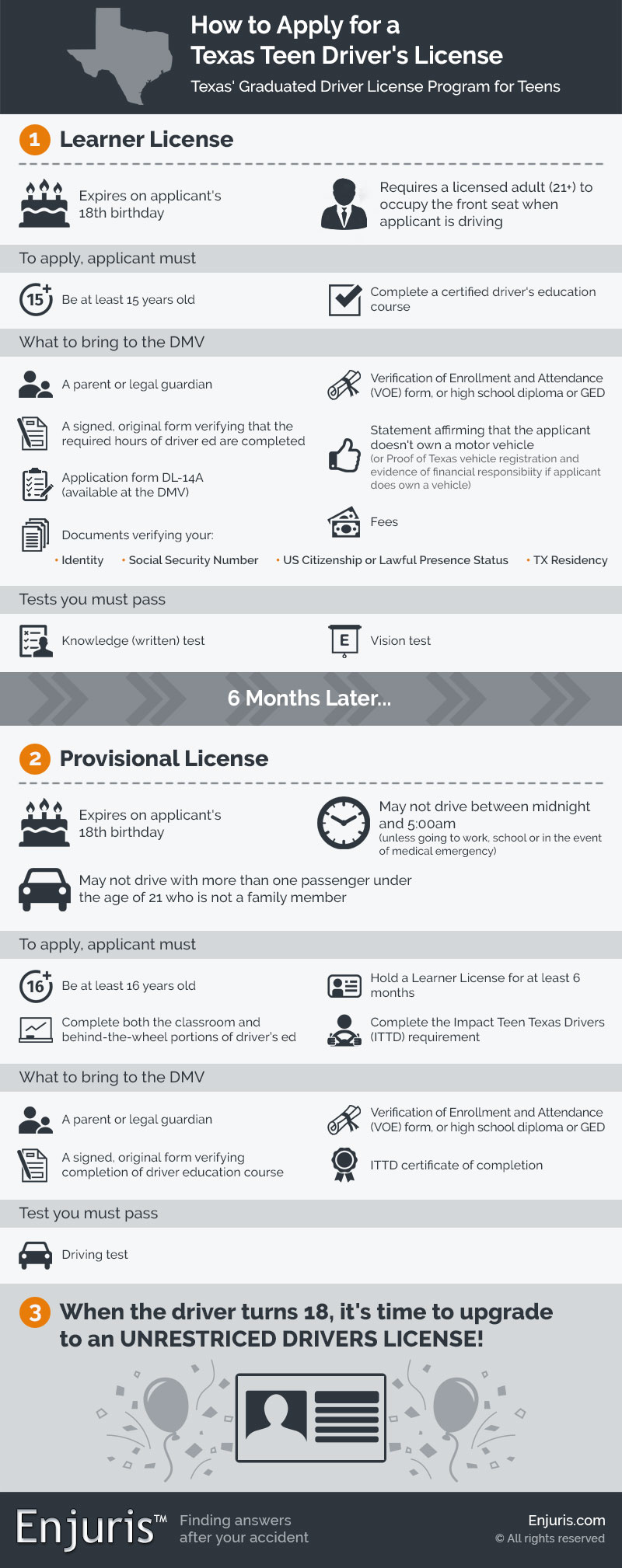
The requirements for a provisional driver’s license in Texas are comprehensive and designed with safety as the top priority. Applicants must meet specific age criteria, complete a driver education program, pass vision and knowledge tests, and fulfill certain holding periods before progressing to a full driver’s license. The entire process is a testament to Texas‘s commitment to fostering safe driving habits from an early age, contributing to the overall safety of its roadways.
What Visitors Need to Know About Driving in Texas
For individuals visiting Texas from other countries or states, the driving permit situation can be a bit different. Generally, if you hold a valid driver’s license from another U.S. state, you can drive in Texas with that license for a specified period. However, if you are new to Texas and intend to establish residency, you will need to obtain a Texas driver’s license. For international visitors, the rules depend on the country of origin and whether an international driving permit is recognized. It is always advisable to check with the Texas Department of Public Safety (DPS) for the most up-to-date information regarding out-of-state and international driving.
The aim of these regulations is to ensure that all drivers operating vehicles on Texas roads possess the necessary qualifications and understand local traffic laws. Whether you’re a temporary tourist exploring the Alamo or a new resident settling in Dallas, understanding these distinctions will prevent potential issues and allow you to fully enjoy your time in Texas.
The Step-by-Step Guide to Obtaining Your Texas Driving Permit
The process of obtaining a driving permit in Texas is well-defined, with specific steps that must be followed meticulously. Whether you are a teenager seeking your first license or an adult looking to navigate Texas by car, adhering to these guidelines will streamline your application. The Texas Department of Public Safety (DPS) oversees all driver licensing procedures, ensuring that all applicants meet the state’s rigorous standards for road safety.
Requirements for a Provisional Driver’s License (Under 18)
To apply for a provisional driver’s license in Texas, applicants under 18 years of age must meet a set of prerequisites. The first and most fundamental requirement is age: you must be at least 15 years old. Prior to this age, you can begin working towards your permit, but the application itself has age restrictions.
Next, you must complete a state-approved driver education program. This program typically consists of 32 hours of classroom instruction and 7 hours of behind-the-wheel training, along with 1 hour of observation. Many driving schools across Texas offer these courses, and some high schools also provide driver education. The objective of this program is to impart essential knowledge about traffic laws, safe driving practices, and defensive driving techniques.
Once the driver education course is successfully completed, you will receive a certificate of completion. This certificate, along with other required documentation, will be necessary when you visit a Texas DPS driver license office. You will also need to provide proof of identity, Texas residency, and U.S. citizenship or lawful presence in the United States. Common documents include birth certificates, social security cards, utility bills, and school enrollment records.
A critical component of the application process is passing the Texas Knowledge Test. This exam assesses your understanding of traffic laws, road signs, and safe driving practices as outlined in the Texas Driver Handbook. It’s highly recommended to study the handbook thoroughly before taking the test.
Finally, before receiving your provisional license, you must complete the Impact Texas Teen Drivers (ITTD) program. This is a free, two-hour informational video course focused on the dangers of distracted driving. Upon completion, you will receive a certificate that is valid for 90 days. This certificate, along with all other required documents and successful completion of the permit test, allows you to apply for your provisional driver’s license.
Requirements for an Instructional Permit (18 and Older)
Adult applicants, aged 18 or older, who are seeking their first Texas driver’s license, will typically apply for an instructional permit. This permit allows them to drive under the supervision of a licensed driver who is at least 21 years old and has been driving for at least one year. The process for adults is slightly different from that of teenagers.
The initial step for adults is to obtain a Texas Identification Card if they do not already possess one, or provide other valid forms of identification. This includes proof of identity, Texas residency, and lawful presence in the United States, similar to the requirements for minors, but with potentially different accepted documentation.
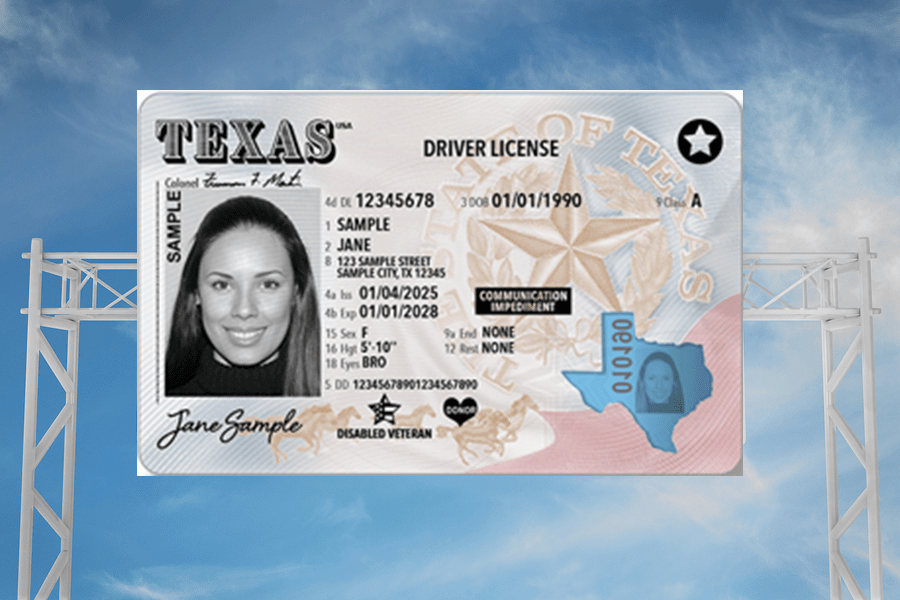
Adults are also required to pass the Texas Knowledge Test, which covers traffic laws and safe driving. While they don’t have to complete a formal driver education course, they are strongly encouraged to study the Texas Driver Handbook to prepare for the exam.
In Texas, adults applying for their first driver’s license must also complete the Impact Texas Teen Drivers (ITTD) program, even though the name suggests it’s only for teens. This program emphasizes the dangers of distracted driving and is a mandatory step before taking the driving skills test.
After passing the knowledge test and completing the ITTD program, you will be issued an instructional permit. You must then hold this permit for at least six months and accumulate at least 30 hours of supervised driving practice, including at least 10 hours of night driving, before you can apply for a provisional or unrestricted driver’s license. This supervised practice period is crucial for developing confidence and competence behind the wheel.
Scheduling Your Tests and Visiting a DPS Office
Once you have gathered all the necessary documents and completed any required coursework, the next step is to schedule your tests and visit a Texas Department of Public Safety (DPS) driver license office. It is highly recommended to schedule appointments for both the knowledge test and the subsequent driving skills test, if applicable. This will help you avoid long wait times and ensure you are seen promptly. You can usually schedule these appointments online through the official Texas DPS website.
When you visit the DPS office, be sure to arrive early and bring all your original documents. The staff at the DPS office will verify your identification and residency, check your completed forms, and administer the necessary tests. If you are applying for a provisional license, you will take the knowledge test first. Upon passing, you will be issued your instructional permit. If you are an adult applying for an instructional permit, the process is similar.
Remember that the Texas Driver Handbook is your primary resource for studying for the knowledge test. It contains all the information you need to pass. Familiarize yourself with traffic signs, signals, right-of-way rules, speed limits, and general safe driving practices.
After holding your instructional permit for the required duration and completing the necessary supervised driving hours, you will be eligible to take the driving skills test. This test assesses your ability to safely operate a vehicle in real-world driving conditions. It typically involves demonstrating maneuvers such as parking, turning, changing lanes, and navigating intersections. Passing this test is the final hurdle to obtaining your Texas driver’s license.
Essential Tips for a Smooth Application Process
Navigating the process of obtaining a driving permit in Texas can be made significantly smoother with a few key strategies. Being prepared, understanding the requirements thoroughly, and planning your visit to the Texas Department of Public Safety (DPS) can save you time and reduce potential stress. This section offers practical advice to ensure your application process is as efficient as possible, allowing you to get on the road sooner and enjoy your adventures across Texas, from the bustling streets of Austin to the natural beauty of Big Bend National Park.
Gather All Necessary Documentation in Advance
One of the most common causes of delays in any official application process is missing documentation. For your Texas driving permit, it is crucial to meticulously gather all required paperwork well in advance. This includes proof of identity (such as a birth certificate or passport), proof of Texas residency (utility bills, lease agreements, bank statements), proof of lawful presence in the United States (social security card, visa documents), and any certificates of completion for driver education programs or the ITTD program.
It is highly advisable to visit the official Texas DPS website to obtain the most current and precise list of acceptable documents for your specific situation. Requirements can sometimes change, and having the latest information is paramount. Make copies of all your documents as a backup, but always bring the original documents to the DPS office. Having everything organized and ready will expedite the verification process and prevent you from having to make multiple trips.
Study the Texas Driver Handbook Diligently
The Texas Driver Handbook is the official guide to Texas traffic laws, rules, and safe driving practices. It is the primary resource for preparing for the Texas Knowledge Test. Do not underestimate the importance of studying this document thoroughly. Many applicants find the test challenging because they have not adequately reviewed the material.
Break down the handbook into sections and study them systematically. Pay close attention to chapters on traffic signs, signals, right-of-way, speed limits, parking regulations, and laws specific to new drivers, such as those pertaining to provisional licenses. Many online resources and practice tests are available, which can help you gauge your readiness and identify areas where you need further study. Understanding the concepts, rather than just memorizing facts, will serve you better in both the test and on the road.
Schedule Your Appointments Wisely
As mentioned previously, scheduling appointments for your tests at the Texas DPS is a critical step towards efficiency. The DPS offices can be extremely busy, and walk-in service may lead to very long wait times, especially for testing. By scheduling your appointments online in advance, you can often choose a date and time that works best for your schedule and reduce your waiting period significantly.
When scheduling, consider the order of your tests. You will need to pass the knowledge test before you can obtain your instructional permit, and then hold that permit for a specified period before being eligible for the driving skills test. Plan your appointments accordingly to ensure a smooth progression through the licensing process. If you need to reschedule, do so as early as possible to avoid any penalties or missed opportunities.
Practice Your Driving Skills
For those applying for a provisional license or for adults who have obtained an instructional permit, supervised driving practice is not just a requirement; it’s an essential part of becoming a safe and competent driver. The Texas DPS mandates specific hours of supervised driving, including night driving, for new drivers. Make the most of this time by practicing in various conditions and on different types of roads.
Seek opportunities to drive in diverse environments – from quiet suburban streets to busier city roads, and even on highways if appropriate and supervised. Practice maneuvers like parallel parking, three-point turns, and hill starts. Discuss driving scenarios with your supervisor and ask questions. The more comfortable and experienced you are behind the wheel, the more confident you will feel during your driving skills test and, more importantly, in your day-to-day driving.
By following these tips, you can approach the process of obtaining your Texas driving permit with confidence. This will allow you to fully enjoy the freedom and opportunities that come with being able to drive legally across the diverse and exciting landscapes of Texas, from the vibrant culture of New Orleans (though technically in Louisiana, it’s a common travel aspiration for many in Texas) to the wide-open spaces of West Texas. Your journey to obtaining a Texas driving permit is a significant step towards independence and exploration within the Lone Star State.
LifeOutOfTheBox is a participant in the Amazon Services LLC Associates Program, an affiliate advertising program designed to provide a means for sites to earn advertising fees by advertising and linking to Amazon.com. Amazon, the Amazon logo, AmazonSupply, and the AmazonSupply logo are trademarks of Amazon.com, Inc. or its affiliates. As an Amazon Associate we earn affiliate commissions from qualifying purchases.