
Navigating the Lone Star State, whether as a temporary visitor or a new resident, often involves understanding the local administrative landscape. While the allure of Texas spans its vast landscapes, from the vibrant streets of Austin to the historic charm of San Antonio, and its diverse culinary scene to its world-class resorts, the practicalities of life here are equally important. One such practical aspect for many is obtaining a Texas Identification Card. This official document serves as a crucial form of identification for various purposes, from accessing services to proving age. This guide aims to demystify the process, ensuring you have all the information needed to acquire your Texas ID with confidence, complementing your exploration of Texas’s abundant travel opportunities.
Understanding the Texas Identification Card and its Importance
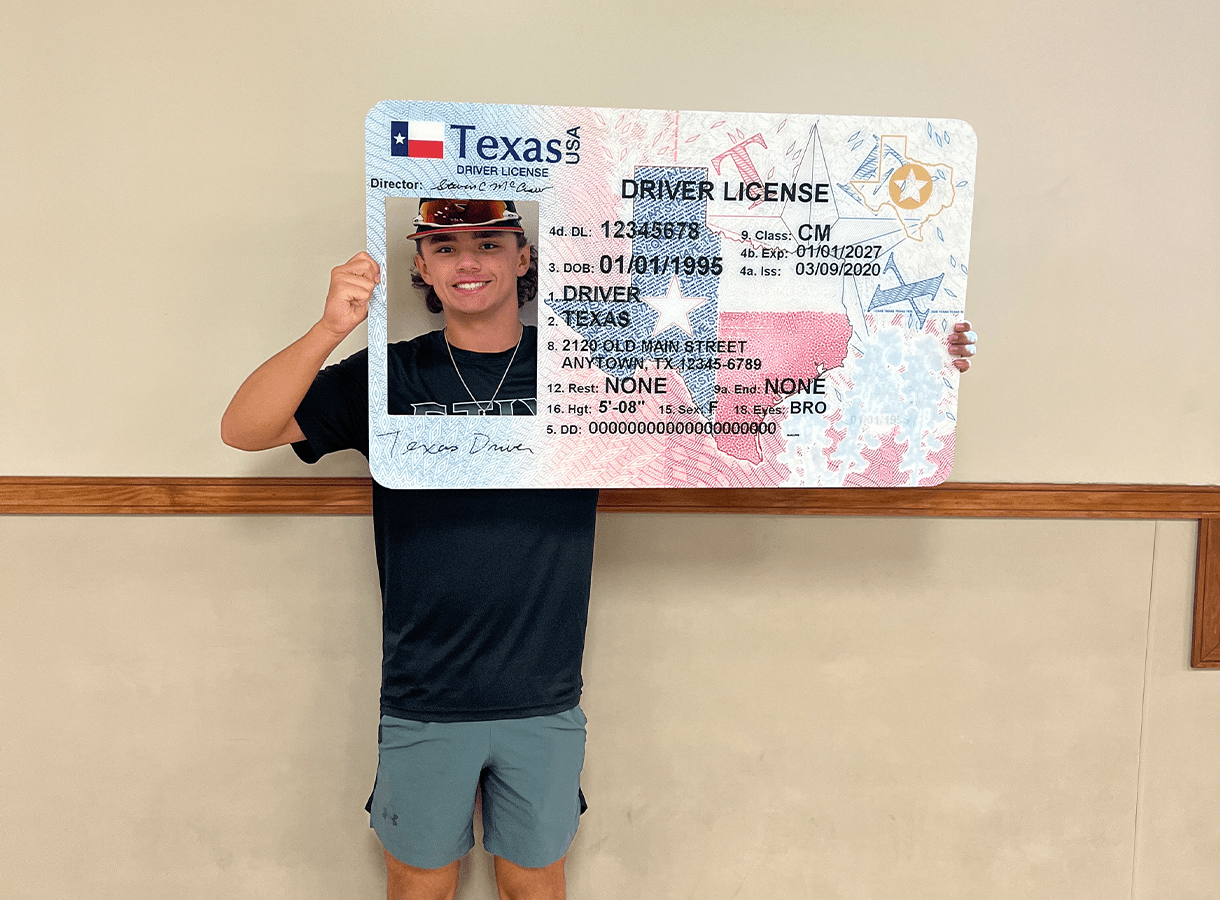
A Texas Identification Card, often referred to as a Texas ID, is a state-issued identification document that is invaluable for a multitude of reasons. Unlike a driver’s license, it does not grant driving privileges but serves as a primary form of identification for individuals who do not drive or already possess a driver’s license. Its significance extends beyond mere proof of identity; it plays a vital role in accessing a wide range of services and experiences across the state. For instance, when booking hotels or renting apartments, especially for longer stays, a valid ID is almost always a prerequisite. It’s also essential for age verification, whether you’re trying to enter an age-restricted venue, purchase certain goods, or participate in specific activities.
Beyond transactional necessities, the Texas ID is a key piece of documentation for engaging with local culture and community. It can be required for opening bank accounts, applying for certain jobs, or accessing government services. For those considering a more permanent lifestyle in Texas, establishing residency and having official identification is a foundational step. This card legitimizes your presence and allows you to fully participate in the fabric of Texas life, from enjoying its famous places to experiencing its unique history.
The Department of Public Safety (DPS) is the governing body responsible for issuing these identification cards. Understanding their requirements and procedures is the first step in a smooth application process. Whether you are a student at a prominent university like The University of Texas at Austin, a business traveler frequenting cities like Dallas, or a tourist exploring the nature of Big Bend National Park, having a Texas ID can simplify many aspects of your stay. It’s a small but mighty document that unlocks doors and smooths transitions within the vast expanse of Texas.
Eligibility and Documentation Requirements
Before embarking on the journey to acquire a Texas ID, it’s crucial to understand who is eligible and what documentation you’ll need to present. The Texas Department of Public Safety has specific criteria to ensure the integrity and authenticity of the identification issued. Generally, individuals who are residents of Texas and are not eligible for or do not possess a Texas driver’s license are prime candidates for a Texas ID. This includes non-driver adults, minors, and even individuals who have a driver’s license from another state or country but wish to obtain a state-issued ID for convenience or specific purposes.
The cornerstone of your application will be proving your identity, age, and residency. The DPS requires a specific set of documents, and it’s highly advisable to gather these well in advance to avoid any delays. Typically, you will need to provide:
- Proof of Identity: This is usually demonstrated through a U.S. birth certificate, a U.S. passport, or a foreign passport with appropriate U.S. visa and immigration documents. The document must clearly show your full legal name and date of birth.
- Proof of Social Security Number: A Social Security card is the most common document, but other acceptable forms might include a W-2 form or a Social Security Administration printout.
- Proof of Texas Residency: This is a critical component, and you will need to provide at least two documents that show your current physical address in Texas. Examples include utility bills (electricity, water, gas), lease agreements, mortgage statements, bank statements, or even voter registration cards. It’s important that these documents are recent, typically dated within the last 60-90 days, and display your full name and Texas address.
For minors applying for an ID, additional documentation such as proof of parental relationship (e.g., birth certificate listing parents) and consent from a parent or legal guardian may be required. The DPS website provides an exhaustive list of acceptable documents, and it is always best to consult it directly to ensure you have the correct items. Missing even one document or providing an insufficient one can lead to your application being rejected, necessitating another trip to a Department of Public Safety office. Planning ahead with your documents is a key step in ensuring a smooth and successful application process, allowing you to focus more on enjoying Texas Tourism.
The Application Process: Step-by-Step
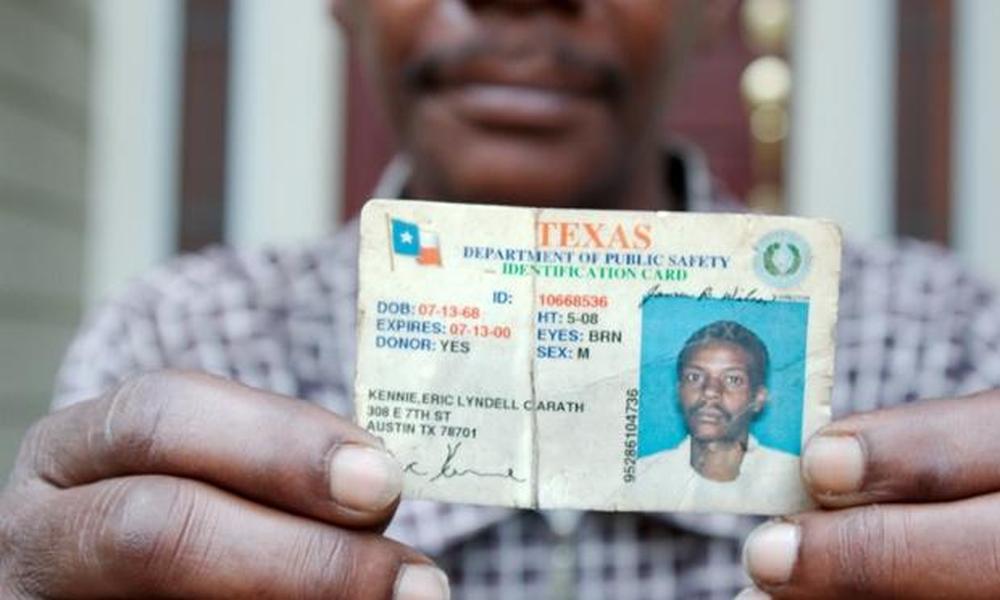
Once you have gathered all the necessary documentation, the next step is to navigate the application process itself. This is a straightforward procedure, but understanding each stage will help alleviate any potential anxiety. The process is managed through the Texas Department of Public Safety (DPS), and it generally involves visiting a local DPS driver license office, completing an application form, passing a vision exam, and having your photograph taken.
1. Locate a Driver License Office:
The first practical step is to find a DPS driver license office conveniently located near you. You can find a list of offices and their operating hours on the official Texas DPS website. Some offices may offer appointment scheduling, which can significantly reduce your waiting time, especially in busier urban areas like Houston.
2. Complete the Application Form:
Upon arrival at the DPS office, you will be given an application form to fill out. This form will request personal information such as your name, address, date of birth, and other identifying details. Ensure you fill out the form completely and accurately, using your legal name as it appears on your supporting documents.
3. Present Your Documentation:
You will then present your gathered documents (proof of identity, Social Security number, and Texas residency) to the DPS representative. They will verify the authenticity of your documents and ensure they meet the state’s requirements. This is where having all your paperwork in order is paramount.
4. Pass a Vision Exam:
All applicants are required to pass a vision exam to ensure their eyesight meets the minimum standard for identification purposes. This is a simple test conducted at the DPS office. If you wear corrective lenses, it’s advisable to bring them with you.
5. Have Your Photograph Taken:
A photograph will be taken of you for the identification card. This is a standard procedure for all official identification documents.
6. Pay the Required Fee:
There is a fee associated with obtaining a Texas Identification Card. The amount can vary slightly, so it’s good to check the current fee structure on the DPS website. Payment is typically accepted in various forms, including cash, check, or money order.
7. Receive Your Identification Card:
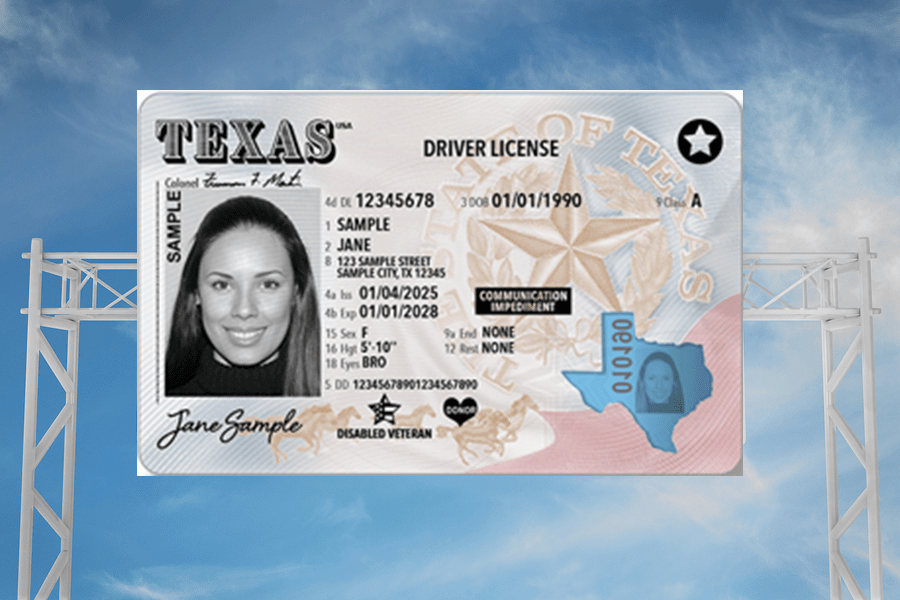
After completing all the steps and your application is approved, you will be issued your Texas Identification Card. In some cases, you may receive a temporary identification document on the spot, with the permanent card mailed to your address within a few weeks. This card will be a valuable asset for your lifestyle and travels within Texas.
Tips for a Smooth Application and Beyond
Successfully obtaining a Texas Identification Card is more than just a procedural step; it’s an enabler of smoother experiences throughout your time in the Lone Star State. To ensure the process is as seamless as possible and to maximize the utility of your new ID, consider the following tips. These recommendations are designed to help you bypass common hurdles and make the most of your travel and living experiences in Texas.
- Book an Appointment: As mentioned, many DPS offices allow or encourage appointments. This is particularly true in major cities like Dallas, Houston, and Austin. Booking online in advance can save you hours of waiting time.
- Double-Check Your Documents: Before you even leave your accommodation, carefully review the list of required documents on the official Texas DPS website. Ensure each document is valid, current, and accurately reflects your information. photocopies are generally not accepted, so bring originals.
- Understand Proof of Residency Requirements: This is often a point of confusion for applicants. Make sure your proof of residency documents are recent and clearly show your name and current Texas address. If you are living with someone, check the DPS website for specific guidance on how to prove residency in such situations.
- Be Prepared for the Vision Exam: While simple, it’s wise to be rested. If you wear glasses or contact lenses, bring them. If you have any concerns about your vision, consider getting a preliminary eye check-up beforehand.
- Arrive Early: Even with an appointment, arriving a bit early can be beneficial. This gives you time to locate the office, park, and get settled before your scheduled slot. It also allows for unexpected queues.
- Keep Your ID Safe: Once you have your Texas ID, treat it with care. It is a vital document for many aspects of your life, from booking hotels and exploring landmarks to simply proving your identity. Consider keeping it in a secure place when not in use.
- Explore Texas’s Offerings: With your Texas ID in hand, you are better equipped to fully immerse yourself in the state’s offerings. Whether you are interested in the luxury travel experiences at world-class resorts, the rich local culture, or the diverse food scene, your official identification will smooth many interactions. From enjoying the historical sites of San Antonio to the natural beauty of Big Bend National Park, your Texas ID is your gateway to a more integrated experience.
By following these guidelines, you can ensure a positive and efficient experience when obtaining your Texas Identification Card, making your stay in the Lone Star State all the more enjoyable and stress-free. This official document is not just a piece of plastic; it’s a key to unlocking a more complete Texas experience.
LifeOutOfTheBox is a participant in the Amazon Services LLC Associates Program, an affiliate advertising program designed to provide a means for sites to earn advertising fees by advertising and linking to Amazon.com. Amazon, the Amazon logo, AmazonSupply, and the AmazonSupply logo are trademarks of Amazon.com, Inc. or its affiliates. As an Amazon Associate we earn affiliate commissions from qualifying purchases.