
Navigating the process of obtaining a Texas State ID is a practical step for many, whether you’re a new resident looking to establish yourself, a student needing official identification, or a traveler who prefers to carry a state-issued ID alongside your passport. While often associated with driving, a Texas State ID card serves a crucial purpose as a valid form of identification for various everyday needs, from opening bank accounts to verifying your age for certain purchases. This guide aims to demystify the requirements and procedures, making the journey to acquiring your Texas State ID as smooth as possible, complementing your travel and lifestyle adventures across the Lone Star State.

Understanding the Texas State ID Card: More Than Just Identification
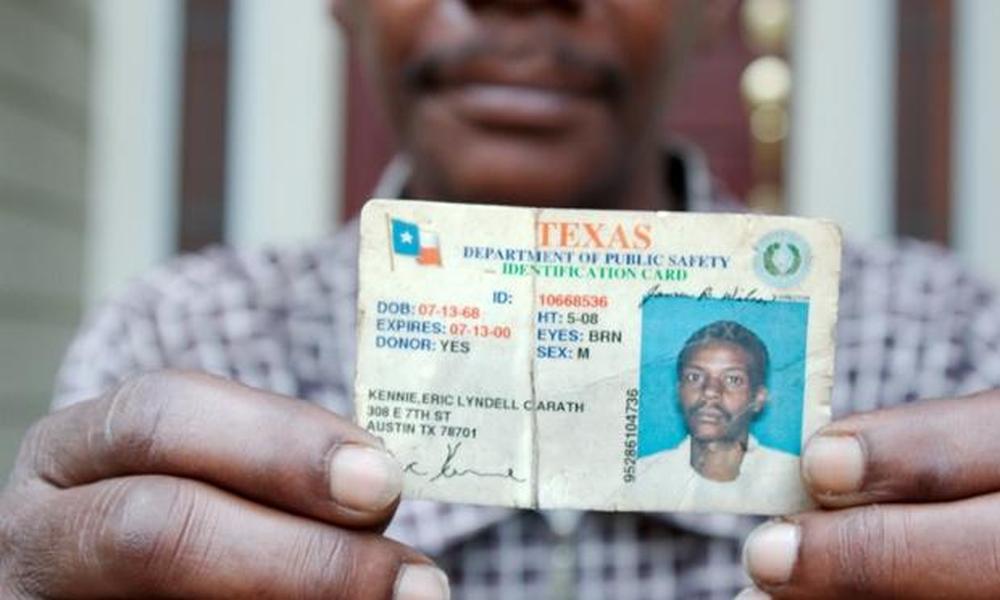
A Texas State ID card, officially known as a Texas Identification Card, is a non-driver identification card issued by the Texas Department of Public Safety (DPS). It’s designed for individuals who do not possess a Texas driver’s license but require official proof of identity. Think of it as your key to unlocking a myriad of services and activities that necessitate verified identification.
Why You Might Need a Texas State ID
The utility of a Texas State ID extends far beyond simple identification. For residents, it’s often a prerequisite for numerous official transactions.
- Financial Services: Opening a bank account, applying for loans, or accessing other financial services typically requires a government-issued ID.
- Age Verification: Purchasing alcohol, tobacco products, or entering age-restricted venues necessitates proof of age, which your Texas State ID readily provides.
- Accessing State Services: When dealing with state agencies for benefits, services, or applications, your ID will be required.
- Travel: While a passport is standard for international travel, a Texas State ID can be useful for domestic air travel if you don’t have a driver’s license, for hotel check-ins, or when exploring various attractions across the United States. Many hotels and resorts in Texas, from the bustling streets of Dallas to the historic charm of San Antonio, will ask for a valid ID upon check-in.
- Education: Students, especially those attending universities in Texas, might need a state ID for various campus-related activities and local interactions.
- Legal and Official Purposes: It can be used for voter registration, picking up mail at the post office, and other legal or official proceedings.
Key Differences from a Driver’s License
The fundamental difference lies in its purpose. A Texas Driver’s License grants you the privilege to operate a motor vehicle on public roads. A Texas State ID, conversely, is purely for identification purposes. It does not authorize you to drive. Both are issued by the Texas DPS and have similar security features, ensuring their authenticity.
The Application Process: What You Need to Know
Securing your Texas State ID involves a straightforward application process, primarily handled at a Texas Department of Public Safety (DPS) driver license office. Preparation is key to a swift and successful application.
Gathering Your Required Documents
The Texas DPS has specific documentation requirements to ensure the identity and residency of applicants. You will generally need to present original documents (photocopies are not accepted) to prove the following:
-
Identity: This document verifies who you are. Accepted forms include:
- U.S. Passport or Passport Card
- Certified Birth Certificate (issued by a vital records office, not a hospital)
- Consular Report of Birth Abroad
- Certificate of Citizenship
- Certificate of Naturalization
- Valid Permanent Resident Card
- Foreign Passport with a valid U.S. Visa and I-94
-
Social Security Number: You need to provide proof of your Social Security number. Accepted forms include:
- Social Security Card
- W-2 form (with your full Social Security number)
- SSA-1099 form (with your full Social Security number)
- Non-SSA-1099 form (with your full Social Security number)
-
U.S. Citizenship or Lawful Presence in the U.S.: If your identity document doesn’t clearly indicate your citizenship or lawful presence, you’ll need an additional document. Examples include:
- U.S. Birth Certificate
- U.S. Passport or Passport Card
- Certificate of Citizenship
- Certificate of Naturalization
- Valid Permanent Resident Card
- Valid Employment Authorization Document
- Valid Foreign Passport with a valid U.S. Visa and I-94
-
Texas Residency: You must prove you live in Texas. This can be done with two different documents showing your name and Texas address. Examples include:
- Utility bills (electricity, water, gas) dated within the last 60-90 days.
- Lease agreements or deeds to your residence.
- Mortgage statements.
- Bank statements.
- Insurance policies.
- Recent mail from government agencies.
It’s crucial to check the official Texas DPS website for the most up-to-date and comprehensive list of acceptable documents, as requirements can sometimes change. Some applicants may have unique circumstances, and it’s always best to verify directly with the DPS.
The Application Steps at the DPS Office
Once you have all your documents in order, the next step is to visit a Texas DPS driver license office.
-
Visit a Driver License Office: Locate the nearest Texas DPS driver license office. You can find a list and operating hours on the Texas DPS website. It’s often recommended to arrive early, as wait times can be significant, especially during peak hours. Some offices may offer appointments, which can save you considerable waiting time.
-
Complete the Application Form: You will need to fill out the official Application for a Texas Identification Certificate (Form DL-180). This form will ask for personal information, including your name, address, date of birth, and other relevant details. You can often download and fill out this form in advance to save time at the office.
-
Present Your Documents: Hand over your original supporting documents to the DPS representative. They will review them to verify your identity, Social Security number, residency, and lawful presence.
-
Provide Your Photograph: A photograph will be taken of you at the office. This image will appear on your Texas State ID.
-
Pay the Fee: There is a fee associated with obtaining a Texas State ID. The amount can vary slightly, so it’s best to check the current fee structure on the Texas DPS website. Payment is typically accepted in cash, check, or money order, and some offices may accept credit or debit cards.
-
Receive Your Temporary ID and Mail: After successfully completing the application and payment, you will be issued a temporary Texas State ID. Your permanent card will be mailed to your registered address within a few weeks.
Navigating Special Circumstances and Considerations
While the general process is straightforward, certain situations might require additional steps or considerations. Understanding these can prevent delays and ensure a smoother experience.
Age Requirements and Minors
- Under 18 Years Old: If you are under 18 years old, you will need a parent or legal guardian to consent to the issuance of the Texas State ID. They will need to accompany you to the driver license office and provide their own identification. The minor will also need to present their own proof of identity and Social Security number, along with proof of residency.
- Seniors: Seniors can also benefit greatly from a Texas State ID, especially if they no longer drive. It’s a convenient way to maintain official identification for various needs.
Non-Citizens and Lawful Presence
For individuals who are not U.S. citizens, proving lawful presence in the United States is a critical component of the application. This typically involves presenting a valid U.S. Visa along with your foreign passport and your I-94 arrival and departure record. The expiration date of your visa and I-94 will often dictate the validity period of your Texas State ID. It is essential to have current and valid documentation that clearly establishes your legal status in the U.S.
Renewing or Replacing Your Texas State ID
Your Texas State ID has an expiration date, typically valid for up to eight years.
- Renewal: You can renew your Texas State ID before it expires. Similar to the initial application, you will need to visit a driver license office with the required documents and pay the renewal fee. Some renewals may be eligible for online or mail-in options, but this is less common for state IDs compared to driver’s licenses. Always check the DPS website for the most current renewal procedures.
- Replacement: If your Texas State ID is lost, stolen, or damaged, you can apply for a replacement. The process generally involves visiting a driver license office, completing an application for a duplicate, providing proof of identity, and paying a fee. You will need to report lost or stolen identification promptly.
Real ID Compliance
In Texas, like in many other states, driver licenses and ID cards are compliant with the federal REAL ID Act. This means that your Texas State ID can be used as an acceptable form of identification for federal purposes, such as boarding commercial aircraft and entering federal facilities, starting from the federally mandated deadline. Ensuring your documentation meets REAL ID requirements from the outset simplifies future needs for federal identification.

Enhancing Your Texas Experience with a State ID
Possessing a Texas State ID can significantly enhance your experience as you explore the diverse offerings of Texas, from its vibrant cities to its natural wonders. Whether you’re planning a weekend getaway to Austin to experience its renowned music scene, exploring the historic Alamo in San Antonio, or seeking a luxurious resort experience in the Texas Hill Country, having a readily accessible form of identification makes these experiences smoother.
For instance, when booking accommodation, from charming boutique hotels in Galveston to sprawling resorts near Big Bend National Park, a Texas State ID serves as essential verification. Similarly, many local attractions, museums, and even restaurants might require ID for entry or special services. Your Texas State ID acts as your local pass, allowing you to fully immerse yourself in the tourism and lifestyle aspects of the Lone Star State without any identity-related hurdles. It’s a practical tool that supports your travel adventures and ensures you can fully participate in everything Texas has to offer.
LifeOutOfTheBox is a participant in the Amazon Services LLC Associates Program, an affiliate advertising program designed to provide a means for sites to earn advertising fees by advertising and linking to Amazon.com. Amazon, the Amazon logo, AmazonSupply, and the AmazonSupply logo are trademarks of Amazon.com, Inc. or its affiliates. As an Amazon Associate we earn affiliate commissions from qualifying purchases.