
Navigating the legal labyrinth of divorce can feel like embarking on an unexpected and often unwelcome journey. While the topic might seem distant from the sunny shores of a tropical resort or the vibrant streets of a bustling city, the process of dissolving a marriage, especially in a state as vast and diverse as Texas, requires careful planning and understanding, much like planning a significant trip. Just as one might research the best accommodations and travel experiences before a vacation, understanding the intricacies of divorce proceedings in the Lone Star State is paramount. This guide aims to demystify the Texas divorce process, offering a clear roadmap for those facing this life transition, drawing parallels to the organizational skills needed for any major life undertaking.

Understanding the Texas Divorce Landscape
The State of Texas operates under specific legal frameworks that govern the dissolution of marriage. Unlike some states where divorce might be a relatively swift administrative process, Texas divorce law involves distinct stages and requirements. The core principle is that a divorce is a legal action that formally ends a marriage recognized by the state. This means that whether you’re contemplating a separation while enjoying a luxurious stay at a JW Marriott San Antonio Hill Country Resort & Spa or after a memorable family trip exploring the Alamo in San Antonio, the legal steps remain consistent.
Residency Requirements: Establishing Your Texas Connection
Before you can even begin the formal divorce process in Texas, you must meet specific residency requirements. This is akin to needing a valid passport or visa to enter a foreign country.
Texas Residency
To file for divorce in Texas, one of the spouses must have been a resident of the state for at least six months and a resident of the particular county where the divorce is filed for at least 90 days. This ensures that the Texas courts have jurisdiction over the marriage. Therefore, if you’re a recent transplant to Dallas or Houston and are considering divorce, you’ll need to wait until you’ve met these temporal benchmarks. Understanding this foundational requirement is the first step in your legal journey.
Grounds for Divorce: Why You’re Seeking Dissolution
Texas law recognizes both “no-fault” and “fault” grounds for divorce. This means you don’t necessarily have to prove wrongdoing by your spouse to obtain a divorce, but you can if you choose to.
No-Fault Divorce
The most common ground for divorce in Texas is “insupportability.” This essentially means that the marriage has become so fundamentally broken that there is no reasonable expectation of reconciliation. This is often the simplest and least contentious path to divorce, mirroring the ease of booking a straightforward hotel room versus a complex multi-room suite. A no-fault divorce avoids the need to delve into marital misconduct.
Fault-Based Divorce
While less common, Texas also allows for fault-based divorce. These grounds include:
- Adultery: If one spouse has committed adultery.
- Cruelty: If one spouse has been habitually cruel to the other, making cohabitation unbearable.
- Abandonment: If one spouse has abandoned the other for at least one year.
- Felony Conviction: If a spouse has been convicted of a felony and imprisoned for at least one year.
- Living Apart: If spouses have lived separately for at least three years.
While fault can be alleged, it often introduces complexity and can prolong the divorce process, potentially increasing legal costs. For many, a no-fault approach, focusing on the practicalities of separation, is the preferred route, much like opting for a package tour that simplifies travel arrangements.
The Divorce Process: A Step-by-Step Guide
The journey through a Texas divorce typically involves several key stages, each with its own set of legal procedures and considerations. This process can be compared to navigating through different regions or attractions during a comprehensive travel itinerary, requiring distinct approaches for each segment.
Filing the Original Petition for Divorce
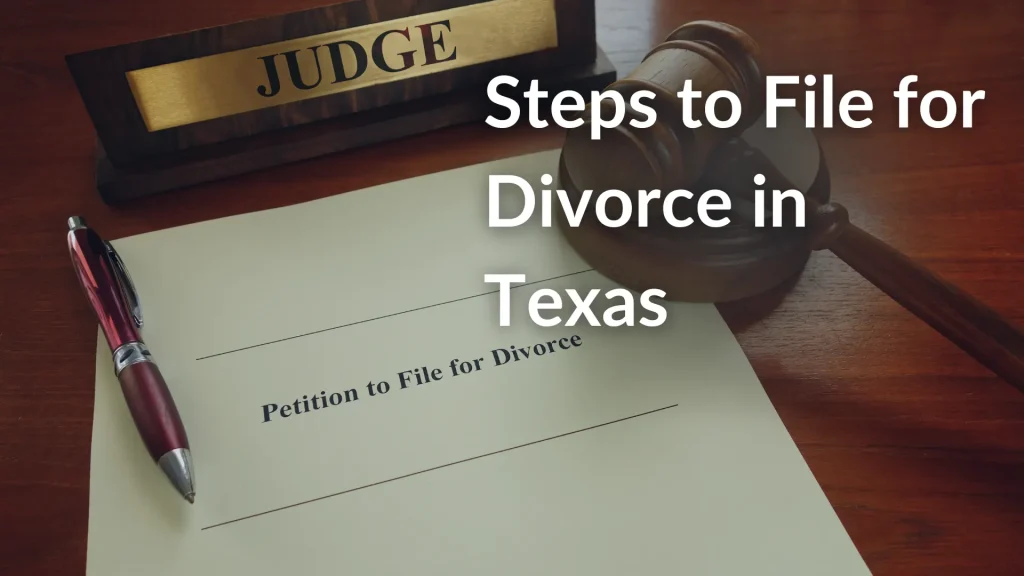
The first official step in the divorce process is to file an “Original Petition for Divorce” with the court. This document formally initiates the divorce proceedings.
What the Petition Includes
The petition typically contains information about both spouses, the date of marriage, the grounds for divorce, and requests for relief regarding issues such as child custody, child support, spousal support (alimony), and the division of property. This is the initial blueprint for your legal separation, much like an itinerary lays out the framework for a trip.
Service of Process
Once the petition is filed, the other spouse must be formally notified. This is called “service of process.” Typically, a sheriff’s deputy or a private process server will deliver a copy of the petition and a citation to the respondent (the spouse who did not file). This ensures that both parties are aware of the legal action and have an opportunity to respond. It’s a crucial legal formality, ensuring due process, much like confirming your flight details and ensuring your airline tickets are in order.
Temporary Orders: Addressing Immediate Needs
In many divorces, especially those involving children or significant assets, temporary orders are necessary to address immediate concerns while the divorce is pending.
Purpose of Temporary Orders
Temporary orders can cover a wide range of issues, including:
- Temporary Custody and Visitation: Establishing who has physical and legal custody of children and setting visitation schedules.
- Temporary Child Support and Spousal Support: Determining interim payments for child and spousal support.
- Temporary Use of Property: Deciding who will live in the marital home or use specific vehicles.
- Restraining Orders: Prohibiting certain actions, such as transferring assets or harassing the other spouse.
These orders provide a framework for how the parties will live and manage their affairs during the divorce process, offering stability much like booking a comfortable hotel suite or apartment for a long-term stay.
Discovery and Negotiation: Gathering Information and Reaching Agreements
The divorce process often involves a phase known as “discovery,” where both parties gather information about each other’s finances, assets, and debts. This can involve exchanging financial documents, taking depositions (sworn testimony outside of court), and requesting admissions.

Reaching an Agreement (Settlement)
The ultimate goal for many is to reach a divorce settlement agreement outside of court. This is often the most cost-effective and least emotionally draining way to resolve a divorce. Negotiations can take place directly between the parties, through their attorneys, or with the help of a mediator.
- Mediation: A neutral third-party mediator helps facilitate discussions and guide the couple towards a mutually agreeable solution. This is a popular option, offering a less confrontational environment than court proceedings, and can be likened to utilizing a professional tour guide to navigate unfamiliar territory.
If an agreement is reached, it is typically submitted to the court for approval in the form of a “Final Decree of Divorce.”
The Final Decree of Divorce: The Official End
The “Final Decree of Divorce” is the court order that officially terminates the marriage and outlines the terms of the divorce.
Key Provisions of the Decree
This document is comprehensive and will address:
- Division of Marital Property: Texas is a community property state, meaning that most assets and debts acquired during the marriage are considered jointly owned and subject to a “just and fair” division by the court. This can involve real estate, bank accounts, investments, vehicles, and personal property.
- Child Custody and Support: The decree will detail legal custody (decision-making authority), physical custody (where the children live), visitation schedules, and child support obligations.
- Spousal Support (Alimony): If applicable, the decree will specify any spousal support payments.
- Name Change: A spouse may request to have their maiden name or a former name restored.
Once signed by the judge, the Final Decree of Divorce legally dissolves the marriage. This marks the formal conclusion of the legal journey, much like reaching your final destination after a well-planned trip, perhaps to a relaxing resort in the Texas Hill Country.
Considerations for Specific Situations
While the general process of divorce in Texas is outlined above, certain circumstances can introduce additional complexities or require specific approaches. These can range from managing shared luxury travel plans to dividing assets acquired through business stays.
Divorce with Children: Prioritizing the Best Interests of the Child
When children are involved, the court’s primary concern is always the “best interest of the child.” This principle guides all decisions regarding custody, visitation, and child support.
Custody Arrangements
Texas courts typically favor arrangements that allow both parents to have significant involvement in their children’s lives. This can include:
- Joint Managing Conservatorship: This is the most common form of custody, where both parents share rights and responsibilities.
- Sole Managing Conservatorship: Awarded in situations where one parent is deemed unfit or unable to co-parent effectively.
Child Support Calculations
Child support is generally calculated based on statutory guidelines, taking into account the obligor’s net monthly income and the number of children. It’s crucial for both parents to understand these guidelines and ensure that the support order is fair and accurately reflects the child’s needs.
Divorce with Significant Assets: Property Division and Financial Planning
Divorces involving substantial assets, such as multiple properties, investments, or businesses, can be more complex. The division of community property requires careful valuation and negotiation.
Community Property in Texas
Understanding what constitutes community property is vital. Generally, anything acquired by either spouse during the marriage, with the exception of gifts and inheritances, is considered community property. This can include:
- Real Estate: Homes, vacation properties, or investment properties.
- Financial Accounts: Savings, checking, brokerage, and retirement accounts.
- Businesses: Ownership interests in companies.
- Personal Property: Vehicles, artwork, jewelry.
Seeking Professional Guidance
In complex financial situations, it is highly advisable to seek the assistance of experienced divorce attorneys and potentially forensic accountants. These professionals can help ensure that assets are properly valued and divided equitably, safeguarding your financial future, much like a financial advisor helps plan for a comfortable lifestyle.
Post-Divorce Modifications: Adapting to Life’s Changes
Life is dynamic, and circumstances can change after a divorce is finalized. Texas law allows for modifications to court orders under certain conditions.
Modifying Custody and Support Orders
Common reasons for seeking modifications include:
- Material and Substantial Change in Circumstances: This is the overarching legal standard for most modifications.
- Relocation: If a parent wishes to move a significant distance with the children.
- Change in Income: If a parent’s income has substantially increased or decreased.
- Child’s Best Interest: If the current custody or visitation arrangement is no longer in the child’s best interest.
Modifying a divorce decree requires filing a new legal action with the court and demonstrating that a significant change has occurred since the original order was put in place.
In conclusion, while the prospect of divorce in Texas may seem daunting, understanding the legal framework and procedural steps can empower individuals to navigate this challenging period with greater clarity and confidence. By approaching the process with careful planning, clear communication, and appropriate legal counsel, individuals can work towards a fair and equitable resolution, allowing them to move forward and embrace new lifestyle opportunities, perhaps even planning their next great adventure or a peaceful retreat to a charming villa in a faraway land.
LifeOutOfTheBox is a participant in the Amazon Services LLC Associates Program, an affiliate advertising program designed to provide a means for sites to earn advertising fees by advertising and linking to Amazon.com. Amazon, the Amazon logo, AmazonSupply, and the AmazonSupply logo are trademarks of Amazon.com, Inc. or its affiliates. As an Amazon Associate we earn affiliate commissions from qualifying purchases.