
Embarking on international adventures often begins with a single, crucial document: a passport. For residents of the great state of Texas, the process of obtaining this essential travel companion is straightforward, albeit requiring careful attention to detail. Whether you’re dreaming of exploring the ancient ruins of Rome, basking on the beaches of the Caribbean, or immersing yourself in the vibrant culture of Tokyo, your Texas passport is your golden ticket. This comprehensive guide will walk you through every step, from understanding the requirements to submitting your application, ensuring your journey from the Lone Star State to destinations unknown is as smooth as possible.

The Foundation: Eligibility and Essential Documentation
Before you even think about filling out forms, it’s vital to understand who is eligible for a U.S. passport and what crucial documents you’ll need to prove your identity and citizenship. The U.S. Department of State issues passports to U.S. citizens, and Texas is no exception.
Proving Your U.S. Citizenship
To apply for a passport, you must be a U.S. citizen. This can be established through several primary documents:
- Previously Issued, Undamaged U.S. Passport: If you’ve had a U.S. passport before that is not damaged, expired more than 15 years ago, or was issued when you were under 16, it serves as excellent proof of citizenship.
- Original or Certified Copy of Your Birth Certificate: This document must be issued by the city, county, or state of your birth, list your full name, date of birth, and place of birth, and have the registrar’s signature and date filed. Hospital-issued birth certificates are generally not acceptable.
- Consular Report of Birth Abroad or Certification of Birth: If you were born abroad to U.S. citizen parents, these documents are vital.
- Certificate of Naturalization: If you became a U.S. citizen through naturalization.
- Certificate of Citizenship: If you derived citizenship through your parents.
It is crucial to have the original or a certified copy of your citizenship evidence. Photocopies are not sufficient.
Establishing Your Identity
In addition to proving your citizenship, you must also prove your identity. This is typically done with a government-issued photo identification. Acceptable forms of identification include:
- Valid Driver’s License: This is the most common form of ID used. Ensure it is not expired and contains your full legal name, date of birth, and a photograph. If your driver’s license is from out-of-state, you may need an additional ID.
- Government Employee ID: A federal, state, or municipal government employee ID.
- U.S. Military ID: A valid military identification card.
- U.S. Passport Card: If you already possess a passport card.
- Other Valid Government-Issued Photo ID: This can include certain state-issued ID cards that meet the specific requirements.
If your ID was issued more than a year ago, you might need to present additional identification. For minors, the rules for parental identification and consent are specific and important to follow.
The Application Process: From Form to Fulfillment
Once you have gathered your necessary documents, the next step is to complete the application and submit it in person. This is often the most detailed part of the process, and accuracy is paramount.
Form DS-11: The Passport Application
The primary form you’ll need is the Application for a U.S. Passport, also known as Form DS-11. This form is used for first-time applicants, individuals under 16, and those whose previous passport was issued more than 15 years ago or when they were under 16.
- Downloading and Filling the Form: You can download Form DS-11 from the U.S. Department of State’s travel website. It is highly recommended to fill out the form online using the form filler tool and then print it. This minimizes the chance of errors and ensures legibility. Do not sign the form until you are instructed to do so by an acceptance agent.
- Accuracy is Key: Double-check all information for accuracy, including your full legal name, date of birth, place of birth, and Social Security number. Any discrepancies can lead to significant delays or rejection of your application.
Your Passport Photo: A Specific Requirement
Passport photos have very strict guidelines to ensure they meet international standards. Failing to adhere to these can result in your application being returned.
- Size and Background: The photo must be 2×2 inches in size, with your head measuring between 1 inch and 1 3/8 inches from the top of your head to the bottom of your chin. It must be a color photo taken within the last six months, showing a natural expression or a neutral facial expression, with both eyes open. The background must be plain white or off-white.
- Attire: You should wear normal street clothes. No uniforms (except religious or employment uniforms that are worn daily). Hats and head coverings are not permitted unless worn daily for religious purposes or medical reasons. If you wear glasses for medical reasons, you may need a signed doctor’s statement.
- Where to Get a Photo: Many pharmacies, shipping centers, and photo studios in Texas offer passport photo services that comply with the requirements. When in doubt, ask if they specifically cater to passport photo specifications.
Submitting Your Application in Person
For Form DS-11, you must apply in person at a designated passport acceptance facility. Texas has numerous such locations.
- Finding an Acceptance Facility: These facilities are typically found at local post offices, libraries, and county clerk offices. You can use the U.S. Department of State’s online tool to find an acceptance facility near you. Popular choices might include facilities in major cities like Houston, Dallas, San Antonio, or Austin.
- What to Bring: On the day of your appointment, you will need to bring:
- Completed (but unsigned) Form DS-11
- Proof of U.S. citizenship (original or certified copy)
- Valid government-issued photo identification
- One passport photo
- Payment for fees (discussed below)
- The Appointment: At the acceptance facility, an agent will review your documents, verify your identity, witness you signing the DS-11 form, and then seal your application package to be mailed to the Department of State for processing.
Fees, Processing Times, and Expediting Your Application
The cost of a U.S. passport and the time it takes to receive it are important considerations for your travel planning.
Passport Fees
There are two main fees associated with a new passport: the application fee and the execution fee.
- Application Fee: This fee is paid directly to the U.S. Department of State. For a passport book, the current fee is $130. For a passport card, it’s $30. You can get both for $160.
- Execution Fee: This fee is paid to the acceptance facility for their services in processing your application. It is typically $35.
- Payment Methods: Payment methods can vary by facility. The Department of State typically accepts checks or money orders. Acceptance facilities may have additional payment options for the execution fee. It’s always best to check with your chosen facility beforehand.
Standard Processing Times
Standard processing times for passport applications can fluctuate based on demand. As of recent information, it can take anywhere from 6 to 8 weeks for routine processing. This is a significant period, so it’s essential to apply well in advance of any planned international travel.
Expedited Processing
If your travel dates are approaching and you cannot wait for standard processing, you have options for expedited service.
- Expedited Fee: You can pay an additional fee of $60 per application for expedited processing. This significantly reduces the processing time, typically to 2 to 3 weeks.
- Urgent Travel: In cases of very urgent travel (within 14 calendar days), you may be able to make an appointment at a regional passport agency. These appointments are limited and require proof of urgent travel. Texas has regional agencies in major cities like Houston and Dallas, but appointments are often scarce and require proof of immediate need.
- Shipping: For expedited applications, consider paying for overnight delivery of your application to the processing center and for the return of your completed passport to ensure the fastest possible transit.
Special Considerations for Travelers in Texas
While the general process for obtaining a passport is the same across the United States, there might be specific nuances or resources available to Texas residents.
Children and Minors
Applying for a passport for a child under 16 requires specific procedures to prevent child abduction.
- Both Parents Present: Generally, both parents or legal guardians must apply with the child. They will need to present their own government-issued photo identification.
- One Parent Present: If only one parent can attend, the absent parent must provide a signed, notarized Form DS-3053, “Statement of Consent,” along with a photocopy of the front and back of their government-issued photo identification.
- Sole Custody: If one parent has sole legal custody, they must present evidence of this, such as a court order.
- Children Aged 16-17: Those aged 16 or 17 can apply themselves, but it is still highly recommended that at least one parent appear with them to confirm identity and consent.
Renewing Your Passport
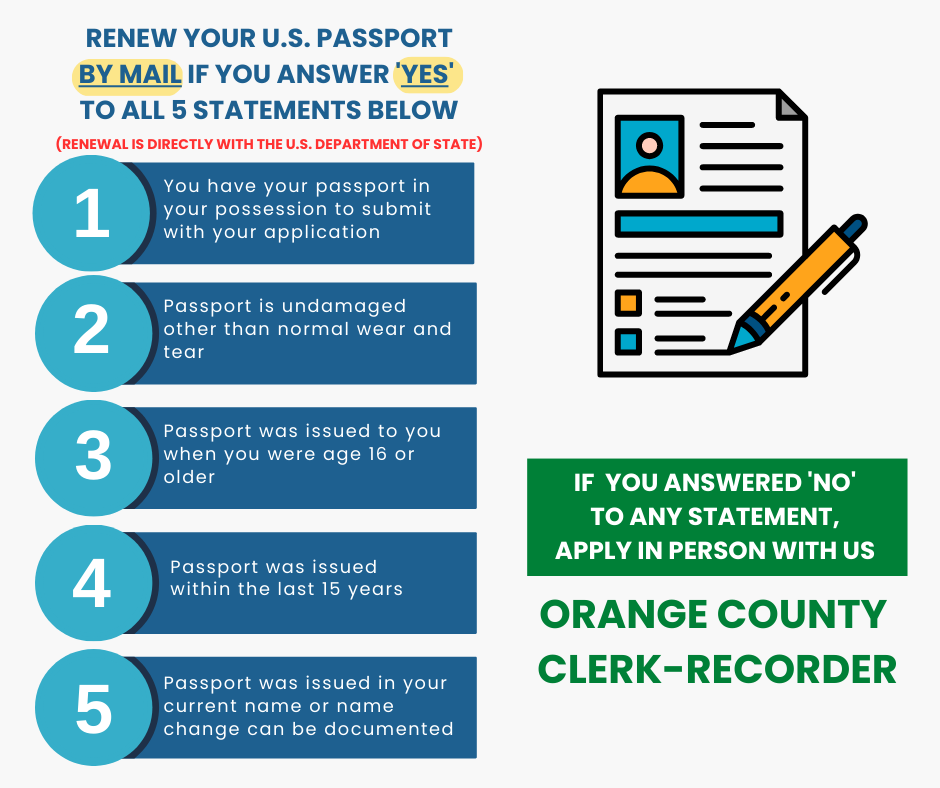
If you have a previously issued passport that is undamaged, was issued when you were 16 or older, and was issued within the last 15 years, you can likely renew your passport by mail using Form DS-82, “Application for U.S. Passport Renewal.” This process is simpler as you do not need to appear in person and generally has a faster turnaround time than a new application. However, if your situation doesn’t meet these criteria, you will need to apply as a new applicant using Form DS-11.
Planning Your International Travel from Texas
Once you have your passport in hand, the world of travel opens up. Texas offers a unique starting point for various international journeys. Whether you’re flying out of Dallas/Fort Worth International Airport (DFW), George Bush Intercontinental Airport (IAH) in Houston, or Austin-Bergstrom International Airport (AUS), your passport is your key.
Consider destinations that align with your travel style. If you’re a luxury traveler, you might be looking at exclusive resorts in the Maldives or five-star hotels in Paris. For budget-conscious adventurers, exploring hostels in Southeast Asia or finding affordable flights to Central America could be ideal. Families might plan trips to theme parks in Orlando, Florida, or cultural immersions in Mexico City. Business travelers might frequent hubs like London or Singapore.
Remember that international travel often involves more than just a passport. Visa requirements, travel advisories, and vaccination recommendations should also be thoroughly researched for your chosen destination. Websites like the U.S. Department of State’s travel page are invaluable resources for this information.
In conclusion, securing your Texas passport is an essential first step towards experiencing the wonders the world has to offer. By understanding the documentation requirements, carefully completing your application, and submitting it at an official acceptance facility, you’ll be well on your way to collecting passport stamps from your dream destinations. Plan ahead, gather your materials, and soon you’ll be ready to embark on your next great adventure.
LifeOutOfTheBox is a participant in the Amazon Services LLC Associates Program, an affiliate advertising program designed to provide a means for sites to earn advertising fees by advertising and linking to Amazon.com. Amazon, the Amazon logo, AmazonSupply, and the AmazonSupply logo are trademarks of Amazon.com, Inc. or its affiliates. As an Amazon Associate we earn affiliate commissions from qualifying purchases.