
Navigating the requirements for a Real ID in Texas might seem like a daunting task, but with the right information, it’s a straightforward process. Whether you’re a long-time resident or a newcomer to the Lone Star State, understanding what a Real ID is, why you might need one, and how to obtain it is crucial for seamless travel and access to federal facilities. This guide aims to demystify the Real ID acquisition process in Texas, ensuring you’re well-prepared for its implementation.
Understanding the Real ID Act and Its Implications for Texas Residents
The Real ID Act of 2005 was enacted by Congress following the September 11th terrorist attacks. Its primary goal is to establish minimum security standards for state-issued driver’s licenses and identification cards. These enhanced security features are designed to make these documents more difficult to counterfeit and to ensure that they are issued only to individuals who can verify their identity.
For residents of Texas, the implications of the Real ID Act are significant, particularly concerning domestic air travel. Starting May 7, 2025, your standard Texas driver’s license or identification card will no longer be sufficient to board a commercial airplane within the United States. Furthermore, access to certain federal buildings, nuclear power plants, and other secure facilities will also require a Real ID compliant credential.
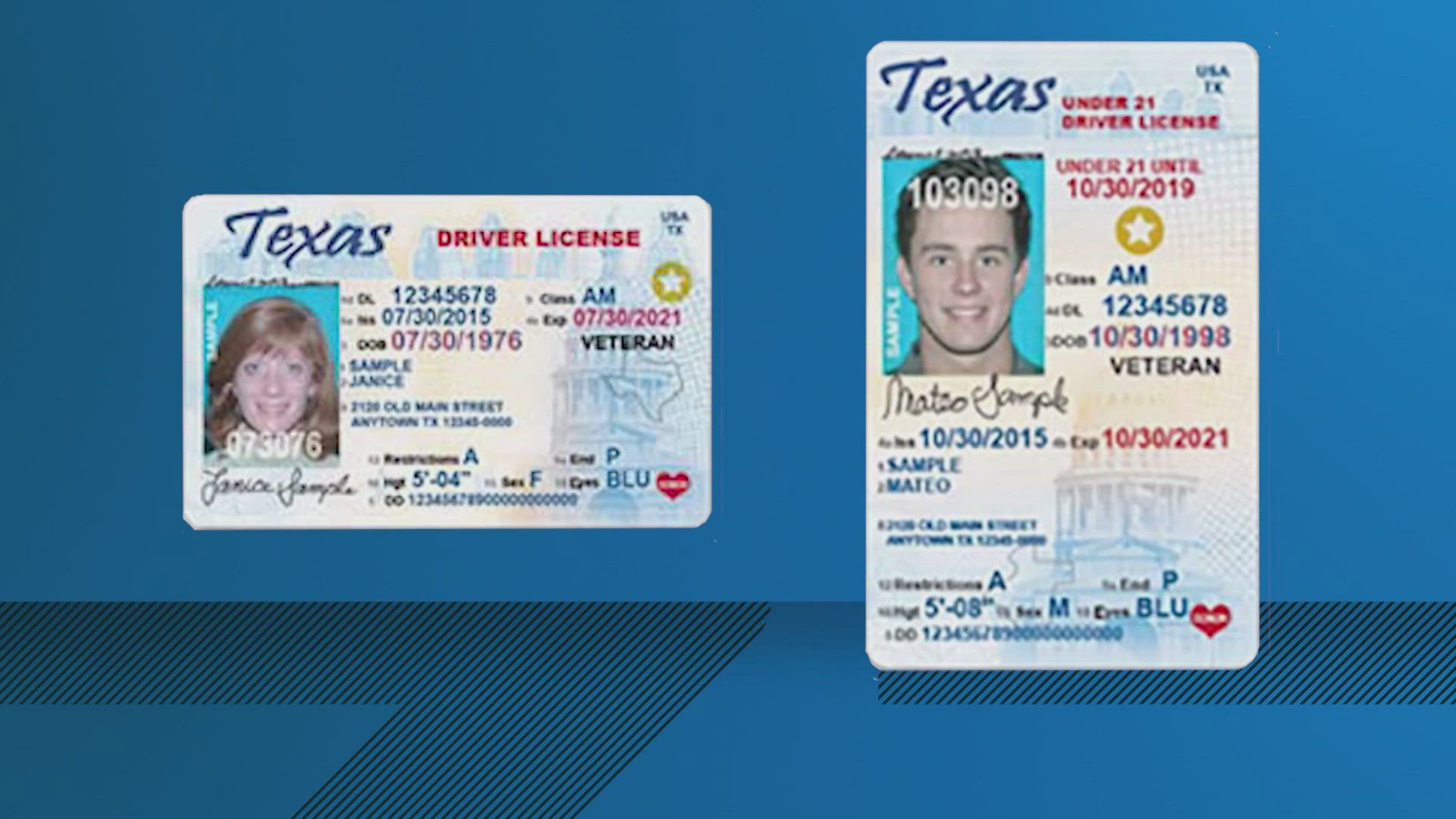
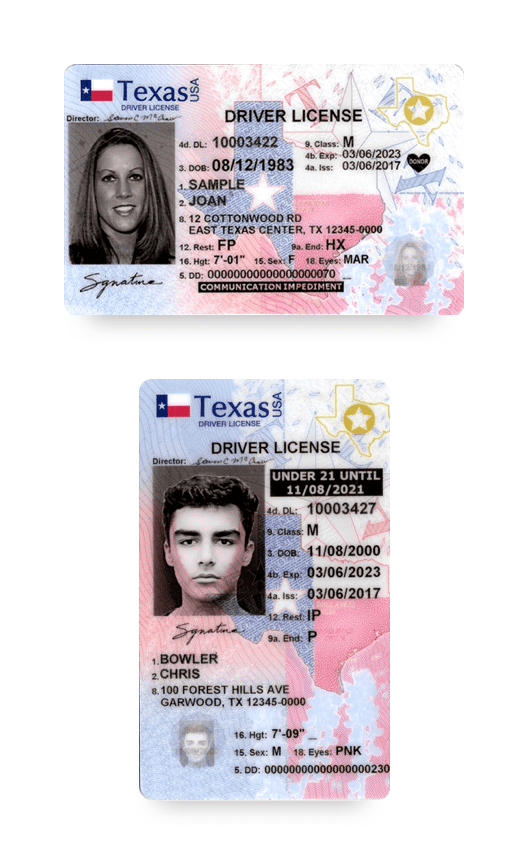
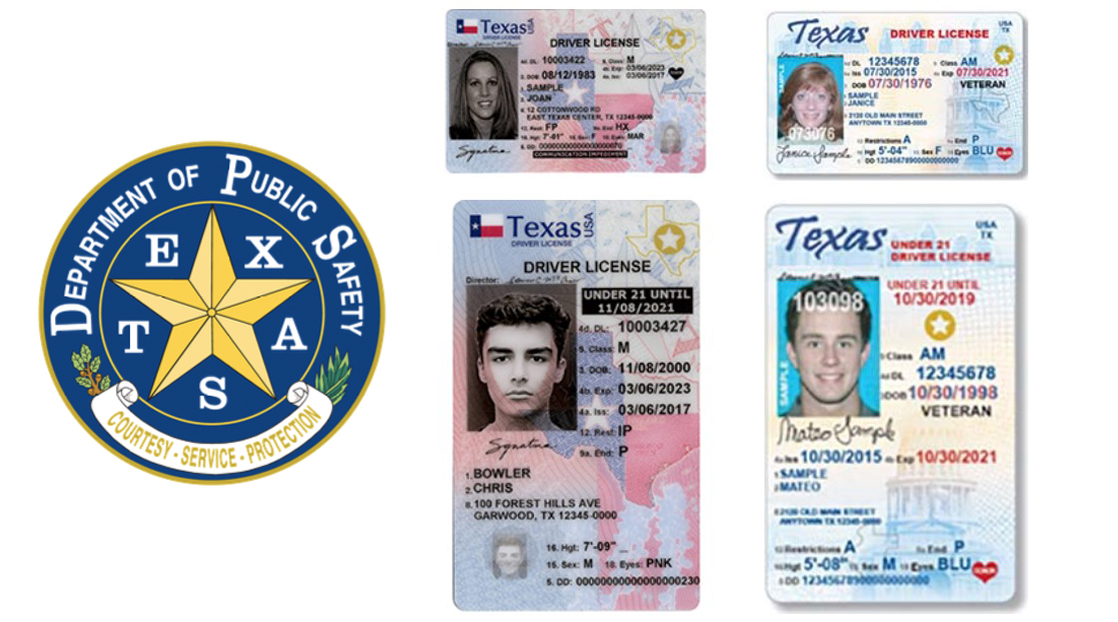
The Texas Department of Public Safety (DPS) is responsible for issuing Real ID compliant licenses and identification cards. These cards are visually distinguished by a star in the upper right corner. It’s important to note that obtaining a Real ID is voluntary, and your existing driver’s license or ID card will remain valid for driving and other state-specific purposes until its expiration date. However, if you plan to travel by air or access federal facilities after the deadline, a Real ID will become a necessity.
Why You Might Need a Real ID
The most compelling reason for obtaining a Real ID in Texas is to maintain your ability to travel freely by air. Once the deadline passes, individuals without a Real ID compliant license or ID card will need to present an alternative form of identification, such as a U.S. passport, to board domestic flights. This can be inconvenient and may disrupt travel plans, especially for frequent flyers or those who don’t possess a passport.
Beyond air travel, Real ID compliant cards will be required for entry into federal facilities. This includes courthouses, federal offices, and military bases. If your profession or personal life requires you to access such locations, acquiring a Real ID will streamline your entry process and avoid potential delays or rejections.
For those who enjoy exploring the diverse attractions Texas has to offer, understanding Real ID is also beneficial. While it doesn’t directly impact your ability to visit places like the Alamo or the Space Center Houston, it ensures that your future travel adventures, including those that might involve flying to destinations like New York City or Los Angeles, remain unhindered.
Understanding the Difference: Standard vs. Real ID
It’s crucial to understand the distinction between a standard Texas driver’s license or ID card and a Real ID compliant one. Both serve as proof of identity and driving privileges. However, a Real ID card has undergone a more rigorous verification process to confirm your identity, date of birth, social security number, and lawful presence in the United States.
The visual cue for a Real ID is a small, gold star embedded in the upper right corner of the card. This star signifies that the card meets the federal security standards. A standard Texas driver’s license or ID card will not have this star.
If your current Texas driver’s license or ID card does not have the star, it is not Real ID compliant. While it will remain valid for driving and other state purposes until its expiration, you will need to upgrade to a Real ID if you wish to use it for federal identification purposes, such as air travel, after the enforcement date.
The Process of Obtaining a Real ID in Texas
The process of acquiring a Real ID in Texas involves visiting a Texas Department of Public Safety (DPS) driver license office in person. You cannot apply for a Real ID online or by mail. The key to a smooth application is to be well-prepared with the necessary documentation.
Required Documentation: What to Bring to Your Appointment
The Texas DPS requires applicants to present specific documents to prove their identity, social security number, and lawful presence. It’s essential to gather these documents in advance to avoid multiple trips. Generally, you will need to provide at least three types of documents:
-
Proof of Identity: This document must show your full legal name and date of birth. Acceptable documents include:
- A certified copy of your birth certificate (issued by a vital statistics office, not a hospital certificate).
- A U.S. Passport or Passport Card.
- A Texas driver license or ID card that is not expired.
- A U.S. Certificate of Citizenship or Naturalization.
- A U.S. Permanent Resident Card.
-
Proof of Social Security Number: You can provide your Social Security card. If you do not have your card, you can submit a W-2 form with your full Social Security number, or a pay stub with your Social Security number.
-
Proof of Lawful Presence in the United States: This document confirms your legal status in the United States. Acceptable documents include:
- A U.S. birth certificate.
- A U.S. Passport or Passport Card.
- A Certificate of Citizenship or Naturalization.
- A U.S. Permanent Resident Card.
- For non-U.S. citizens, a valid foreign passport with an I-94 form and visa or other immigration documents.
-
Proof of Texas Residency: You will need to present two documents that show your current Texas residential address. These documents must be recent, typically dated within the last 60 days. Examples include:
- Utility bills (electricity, water, gas, internet).
- Bank statements.
- Lease agreements or mortgage statements.
- Pay stubs.
- Texas voter registration card.
- Current homeowner’s or renter’s insurance policy.
It’s highly recommended to visit the official Texas DPS website or contact them directly to confirm the most up-to-date list of acceptable documents. Document requirements can vary slightly based on individual circumstances, such as name changes due to marriage or divorce. If your name has changed, you will need to provide legal documentation of the name change, such as a marriage certificate or divorce decree, in addition to your other required documents.
Scheduling Your Appointment and What to Expect at the DPS Office
To get your Real ID in Texas, you’ll need to schedule an appointment at a Texas Department of Public Safety (DPS) driver license office. While some offices may accommodate walk-in customers, appointments are strongly encouraged to minimize wait times. You can typically schedule an appointment online through the Texas DPS website.
When you arrive at the DPS office for your appointment, be prepared for the process. You will first present your gathered documents to a customer service representative. They will verify the authenticity of your documents and enter your information into the system.
Next, you will have your photograph taken. This photograph will be used for your Real ID. You will also be asked to provide your fingerprint.
If you are applying for a Real ID driver’s license, you may need to take a vision test. Depending on your situation and whether you are renewing an existing license or applying for a new one, you might also be required to take a knowledge test or a driving test. However, for most individuals simply upgrading their existing license to a Real ID compliant one, these additional tests are often waived.
Finally, you will pay the required fee for the Real ID license or identification card. The fee structure is similar to that of a standard driver’s license or ID card. Once your application is processed and payment is received, you will typically be issued a temporary driver’s license or ID card. Your permanent Real ID card will be mailed to you within a few weeks.
Tips for a Smooth Real ID Application Process
To ensure your journey to obtaining a Real ID in Texas is as smooth as possible, follow these helpful tips:
- Plan Ahead: The deadline for Real ID enforcement is approaching. Don’t wait until the last minute to gather your documents and schedule your appointment. The Texas DPS offices can get busy, especially as the deadline nears.
- Verify Your Documents: Carefully review the Texas DPS website for the most current list of acceptable documents. Ensure that all your documents are original, certified, or official copies and that they are not expired. For birth certificates, make sure they are certified copies from the vital statistics office, not hospital-issued ones.
- Check for Name Consistency: If your name has changed, ensure you have all the necessary legal documentation to prove the chain of name changes. Any discrepancy can cause delays.
- Be Prepared for the In-Person Visit: Arrive at your appointment on time, and bring all your original documents and photocopies if requested. Familiarize yourself with the location of the DPS office you’ve chosen.
- Understand the Fees: Be prepared to pay the required fee for the Real ID. While the exact amount can vary, it’s generally comparable to the cost of a standard driver’s license or ID.
- Consider Renewal Timing: If your current driver’s license or ID card is nearing its expiration date, you can apply for your Real ID during your renewal process. This can be a convenient way to transition.
- Stay Informed: The Texas DPS website is the best source for the latest information regarding Real ID requirements and procedures. Check it periodically for any updates or changes.
By following these guidelines, you can navigate the process of obtaining your Real ID in Texas efficiently and confidently, ensuring you are prepared for future travel and federal access requirements. The ability to easily travel to destinations across the country, from the vibrant streets of Austin to the cultural hubs of Dallas and Houston, will be well within your reach with your new compliant identification.
LifeOutOfTheBox is a participant in the Amazon Services LLC Associates Program, an affiliate advertising program designed to provide a means for sites to earn advertising fees by advertising and linking to Amazon.com. Amazon, the Amazon logo, AmazonSupply, and the AmazonSupply logo are trademarks of Amazon.com, Inc. or its affiliates. As an Amazon Associate we earn affiliate commissions from qualifying purchases.