
Navigating the process of obtaining vaccination records in Texas, often referred to as “shot records,” is a crucial step for various reasons, from enrolling children in school and attending summer camps to ensuring personal health readiness for travel. Whether you’re a Texas resident or looking to access records for a family member, understanding the pathways available can significantly streamline this often-misunderstood administrative task. This comprehensive guide will walk you through the various methods for acquiring your immunization history in the Lone Star State, ensuring you have the necessary documentation when you need it most.
Understanding Texas Immunization Records
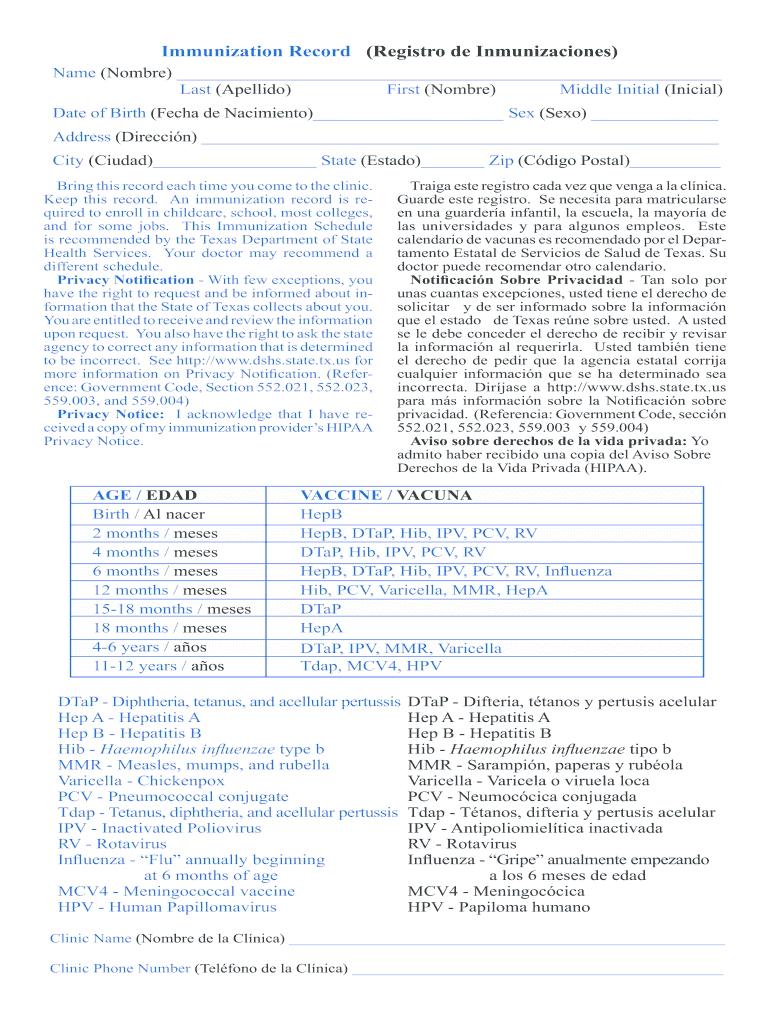
In Texas, vaccination records are vital for public health and individual well-being. These records document the vaccines a person has received, including the type of vaccine, the date administered, and the healthcare provider who administered it. They are essential for several key reasons:
- School and Childcare Enrollment: Texas law requires children to be vaccinated before attending public or private schools, as well as licensed childcare facilities. Proof of these vaccinations, in the form of official shot records, is a mandatory part of the enrollment process. This helps maintain herd immunity and protect vulnerable populations within educational settings.
- Camp Attendance: Many summer camps and other organized youth programs also require campers to have up-to-date immunization records for safety and health compliance.
- Healthcare and Travel: For personal healthcare decisions, including planning international travel, having readily available immunization records is paramount. Some destinations may require specific vaccinations, and your existing records can help determine which additional shots you might need. Furthermore, for individuals with specific health conditions, these records are vital for their treating physicians.
- Employment: Certain professions, particularly in healthcare or those involving close contact with vulnerable individuals, may require proof of specific immunizations for employment.
The Texas Department of State Health Services (DSHS) plays a central role in managing and facilitating access to immunization records, primarily through the Texas Immunization Registry, also known as ImmTrac2.
ImmTrac2: The Centralized Texas Immunization Registry
ImmTrac2 is the official Texas Immunization Registry, a secure, confidential, and free statewide system that consolidates immunization records from healthcare providers across Texas. It serves as a comprehensive database, allowing individuals to access their own or their children’s vaccination history.
How ImmTrac2 Works
Healthcare providers in Texas are encouraged, and in some cases mandated, to report vaccine administration data to ImmTrac2. This data is then stored securely within the registry. When an individual or their authorized representative requests their records, ImmTrac2 can access this centralized database to generate an official immunization record.
Accessing Records Through ImmTrac2
There are several ways to access your immunization records via ImmTrac2:
- Online Request: The most convenient method for many is to request records online through the ImmTrac2 portal. You will need to create an account, verify your identity, and provide the necessary information about yourself or the individual whose records you are seeking.
- Mail or Fax Request: For those who prefer or require a paper-based process, you can download a request form from the DSHS website, complete it, and submit it via mail or fax to the ImmTrac2 program.
- Healthcare Provider: Your personal healthcare provider, such as your doctor or pediatrician, may have your immunization records on file. They can often provide you with a copy directly. This is frequently the fastest route if you are actively seeing a doctor who has consistently managed your or your child’s health.
- Local Health Department: Texas has many local health departments that can assist with obtaining immunization records. They may have access to ImmTrac2 or their own local databases.
What Information is Needed for an ImmTrac2 Request?
To successfully request your immunization records through ImmTrac2, you will typically need to provide the following information:
- Full Name: The full legal name of the individual whose records are being sought.
- Date of Birth: The individual’s date of birth.
- Social Security Number (Optional but helpful): Providing this can help to uniquely identify the individual and expedite the search, though it is not always mandatory.
- Mother’s Maiden Name: This is often used as a secondary identifier.
- Contact Information: Your name, address, phone number, and email address.
- Patient’s Address (at time of vaccination): If known, the address where the individual resided when they received the vaccinations can be helpful for matching records.
- Healthcare Provider Information (if known): If you remember the specific clinic or doctor’s office where vaccinations were administered, providing this information can help narrow down the search.
It’s important to note that Texas law protects the privacy of immunization records. Therefore, you will need to provide sufficient information to verify your identity and your right to access the records. For minor children, parents or legal guardians can request records. For adults, individuals can request their own records, or they can designate another adult to access them.
Alternative Methods for Obtaining Shot Records
While ImmTrac2 is the primary repository for Texas immunization data, there are other avenues to explore if you encounter difficulties or need records that might not yet be fully integrated into the statewide registry.
Consulting Your Healthcare Provider
Your primary care physician’s office is often the most direct and accessible source for your immunization history. Doctors and clinics maintain patient medical charts, which include detailed records of all vaccinations administered.
Steps to Take with Your Doctor:
- Contact the Office: Call your doctor’s office and speak with the receptionist or medical records department. Explain that you need a copy of your or your child’s immunization records.
- Provide Necessary Information: You will likely be asked to provide identifying information, similar to what’s required for ImmTrac2, to ensure they pull the correct patient’s file.
- Request Format: Specify how you would like to receive the records – whether it’s a printed copy, a digital file (PDF), or if you can pick them up in person. Some offices may have a small fee for record retrieval and copying.
- Allow Time: Be patient, as it may take a few business days for the office to process your request, especially if they are busy.
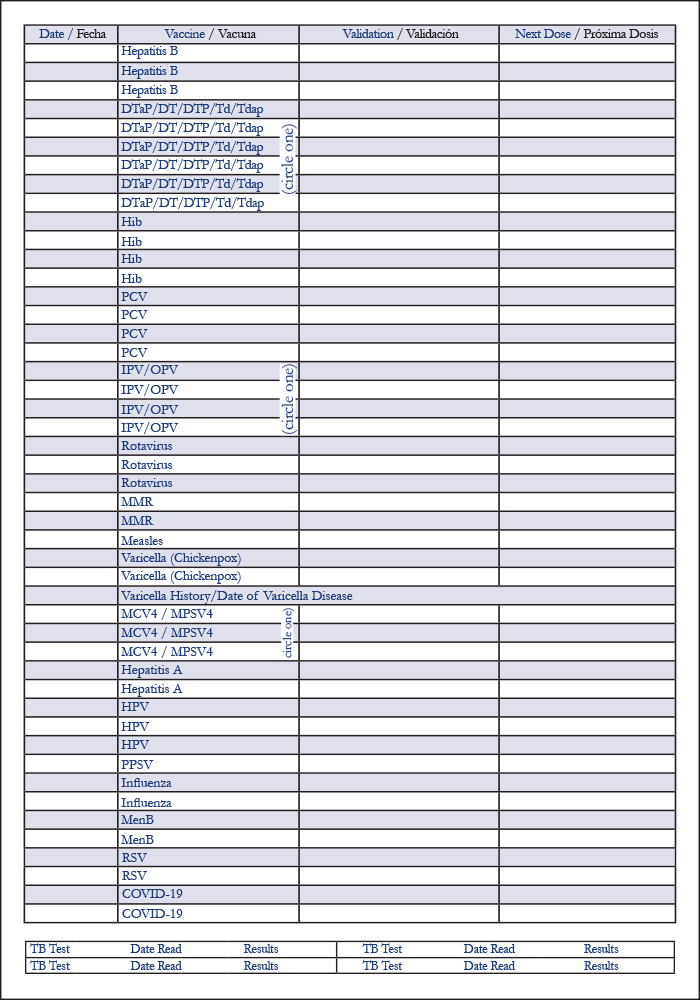
If you have moved or switched doctors, you may need to contact previous healthcare providers to obtain older records. If a provider’s office has closed or records have been archived, they might direct you to a designated record storage facility.
Local Health Departments and School Nurses
Texas has a network of local health departments that can offer assistance with immunization record retrieval. These departments are often involved in public health initiatives, including vaccination programs, and may have access to comprehensive records.
How Local Health Departments Can Help:
- Direct Assistance: Staff at local health departments can guide you through the process of obtaining records, often assisting with ImmTrac2 requests or providing direct access to local records if available.
- Vaccination Clinics: If you received vaccinations at a public health clinic, the local health department will likely have those records on file.
- Community Resources: They can also connect you with other community resources or programs that might be relevant to your health and immunization needs.
School nurses are another valuable point of contact, particularly for parents seeking records for their children. Schools are required to maintain immunization records for all enrolled students.
Working with School Nurses:
- Contact the School Nurse: Reach out to the school nurse’s office. They can provide you with a copy of your child’s current immunization record on file with the school.
- Understand School Records: Be aware that school records primarily reflect immunizations required for school entry. They may not be as comprehensive as a full medical record from a doctor’s office, especially for vaccines received outside of the school system.
- Transferring Records: If your child is transferring to a new school, you can request their immunization records to facilitate the transfer process.
Special Circumstances and Considerations
There are specific situations that might require a slightly different approach or additional considerations when obtaining shot records in Texas.
Records for Deceased Individuals
Obtaining immunization records for a deceased individual often involves a different process, typically requiring proof of your relationship to the deceased and your legal authority to access their records.
Steps for Deceased Individuals:
- Legal Authority: You will generally need to be the executor of the estate, a legal guardian, or have specific written authorization from the next of kin to access the records. Documentation such as a death certificate or letters testamentary may be required.
- Contact DSHS or Provider: You can attempt to request records through ImmTrac2, but be prepared to provide additional legal documentation. Contacting the last known healthcare provider of the deceased is also a viable option, with similar documentation requirements.
- Privacy Laws: Remember that privacy laws, such as HIPAA, still apply even after an individual has passed away. Access is granted to protect the privacy of the deceased and their family.
International Travel and Specific Vaccine Requirements
If your goal is to obtain shot records for international travel, it’s crucial to understand that Texas immunization records primarily document routine childhood and adult vaccinations administered within the state.
Preparing for Travel:
- Consult Travel Clinics: For international travel, it is highly recommended to consult a travel medicine clinic or your doctor well in advance. They can assess your itinerary, identify required or recommended vaccinations for your destination (e.g., Yellow Fever for certain parts of Africa or South America), and administer them.
- Documentation for Travel: Travel clinics will provide you with an International Certificate of Vaccination or Prophylaxis (ICVP), commonly known as the “yellow card,” which serves as official proof of vaccinations like Yellow Fever.
- Bring All Records: When visiting a travel clinic, bring any existing immunization records you have, whether from Texas or elsewhere. This allows the clinician to get a complete picture of your vaccination history and avoid unnecessary repeat vaccinations. For example, if you are planning a trip to Disney World in Florida and then onward to international destinations, having your records in order is essential.
Lost or Incomplete Records
It’s not uncommon for individuals to have incomplete or lost immunization records. In such cases, a proactive approach is necessary.

What to Do with Missing Information:
- Re-Vaccination: If you cannot locate records for specific vaccines, your healthcare provider may recommend getting re-vaccinated. This is often a simpler and more reliable solution than spending extensive time searching for potentially unrecoverable records, especially if the vaccines are no longer available or their efficacy has waned.
- Documentation of Re-Vaccination: Ensure that any new vaccinations administered are properly documented in your updated records. This creates a current and reliable history moving forward.
- Contact ImmTrac2: Even if your records are incomplete, contact ImmTrac2 and your healthcare providers. They may have partial records that can help fill in some gaps.
The process of obtaining shot records in Texas is designed to be accessible through various channels. By understanding the role of ImmTrac2, leveraging your healthcare provider, and knowing how to approach special circumstances, you can efficiently acquire the necessary documentation for school, travel, or personal health management. Remember to start early, gather as much information as possible, and reach out to the relevant authorities or providers for assistance.
LifeOutOfTheBox is a participant in the Amazon Services LLC Associates Program, an affiliate advertising program designed to provide a means for sites to earn advertising fees by advertising and linking to Amazon.com. Amazon, the Amazon logo, AmazonSupply, and the AmazonSupply logo are trademarks of Amazon.com, Inc. or its affiliates. As an Amazon Associate we earn affiliate commissions from qualifying purchases.