
Navigating the process of applying for unemployment benefits in Texas can seem daunting, especially during uncertain times. Whether you’ve experienced an unexpected job loss, a layoff, or are transitioning between roles, understanding the steps involved is crucial. This guide aims to demystify the Texas unemployment system, offering a clear, step-by-step approach to help you secure the financial assistance you need. While the core of this process is administrative, we’ll also touch upon how this period might present opportunities for reflection, perhaps even inspiring future travel adventures or a change in lifestyle.
The Texas Workforce Commission (TWC) is the state agency responsible for administering unemployment benefits. Eligibility criteria, application procedures, and benefit amounts are all governed by their regulations. It’s essential to approach this with a clear understanding of the requirements to ensure a smooth application process. This guide will break down the essential information, from initial eligibility checks to maintaining your benefits.

Understanding Eligibility for Texas Unemployment Benefits
Before diving into the application process, it’s vital to understand if you qualify for unemployment benefits in Texas. The Texas Workforce Commission has specific criteria that applicants must meet. These generally revolve around your employment history and the circumstances of your job separation.
Employment and Wage Requirements
To be eligible for unemployment benefits in Texas, you must have earned sufficient wages during your “base period.” The base period is typically the first four of the last five completed calendar quarters before you file your claim. The TWC uses these earnings to determine if you meet the minimum wage requirements to qualify.
- Monetary Eligibility: You must have earned at least $7,500 in wages during your base period.
- Quarters of Employment: Additionally, you must have earned wages in at least two calendar quarters within your base period, with at least $500 earned in one of those quarters.
The TWC will review your employment and wage history, often requiring your former employer(s) to report your earnings. It’s a good idea to have records of your past employment, including dates of employment, wages earned, and reasons for separation, readily available.
Reasons for Job Separation
The circumstances under which you lost your job are a critical factor in determining your eligibility. Generally, unemployment benefits are available to individuals who are unemployed through no fault of their own. This includes situations like:
- Layoffs: Company-wide layoffs or reductions in force.
- Lack of Work: Your position was eliminated due to a lack of business needs.
- Employer Misconduct (not your fault): You were terminated due to circumstances beyond your control, or your employer engaged in illegal or unsafe practices.
Disqualifying reasons for job separation typically include:
- Voluntary Quit: Resigning from your job without good cause attributable to the employer.
- Misconduct: Being fired for serious misconduct or repeated rule violations.
The TWC will investigate the reason for your separation. Your former employer will have an opportunity to provide their perspective, and you will be asked to provide yours. Honesty and accuracy are paramount during this stage.
Availability and Ability to Work
Beyond meeting the employment and separation criteria, you must also be:
- Physically able to work: You are not incapacitated by illness or injury that prevents you from performing your job duties.
- Available for work: You are ready and willing to accept suitable employment. This means you are actively seeking work and have no significant restrictions that would prevent you from taking a job.
- Actively seeking work: You are making a reasonable effort to find new employment. This typically involves documenting your job search activities, such as applying for jobs, attending interviews, and networking.
The TWC requires claimants to actively search for work each week they claim benefits. Failure to do so can result in the denial of benefits. The definition of “suitable employment” can also be a factor; initially, it generally refers to work similar to your previous job in terms of pay and duties. As time passes and your job search continues, the definition of suitable work may broaden.
The Application Process: Step-by-Step Guide
Once you’ve confirmed your potential eligibility, the next step is to formally apply for unemployment benefits through the Texas Workforce Commission. This process is primarily handled online, making it accessible from anywhere.
Filing Your Initial Claim
The fastest and most efficient way to file an initial claim is online through the TWC’s website. You will need to create an account or log in if you already have one. Be prepared to provide detailed information, including:
- Personal Information: Your Social Security number, date of birth, contact information (address, phone number, email).
- Employment History: Information about your most recent employer(s), including their name, address, phone number, your dates of employment, wages earned, and the reason for your separation.
- Banking Information: If you wish to receive benefits via direct deposit, you will need your bank account and routing numbers.
Important Tips for Filing:
- Gather Documents: Before you start, have all necessary documents and information ready. This will expedite the process.
- Be Accurate: Ensure all information provided is truthful and accurate. Misrepresenting information can lead to delays or disqualification.
- File Promptly: File your claim as soon as possible after becoming unemployed. Benefits are generally not retroactive.
After Filing: Waiting and Verification
After you submit your initial claim, the TWC will begin processing it. This involves:
- Verification of Information: The TWC will contact your former employer(s) to verify your employment and wage history, as well as the reason for your separation.
- Determination of Eligibility: Based on the information you provided and that from your employer, the TWC will make a determination about your eligibility.
- Notification: You will receive a notification, usually by mail or through your TWC online account, detailing the TWC’s decision regarding your eligibility and the amount of benefits you may receive. This document is crucial, so keep it safe.
It’s important to note that there is typically a waiting week in Texas. This is a one-week period for which you will not receive benefits, even if you are otherwise eligible. This waiting week is usually the first week for which you are eligible for benefits.
Requesting Weekly Benefits
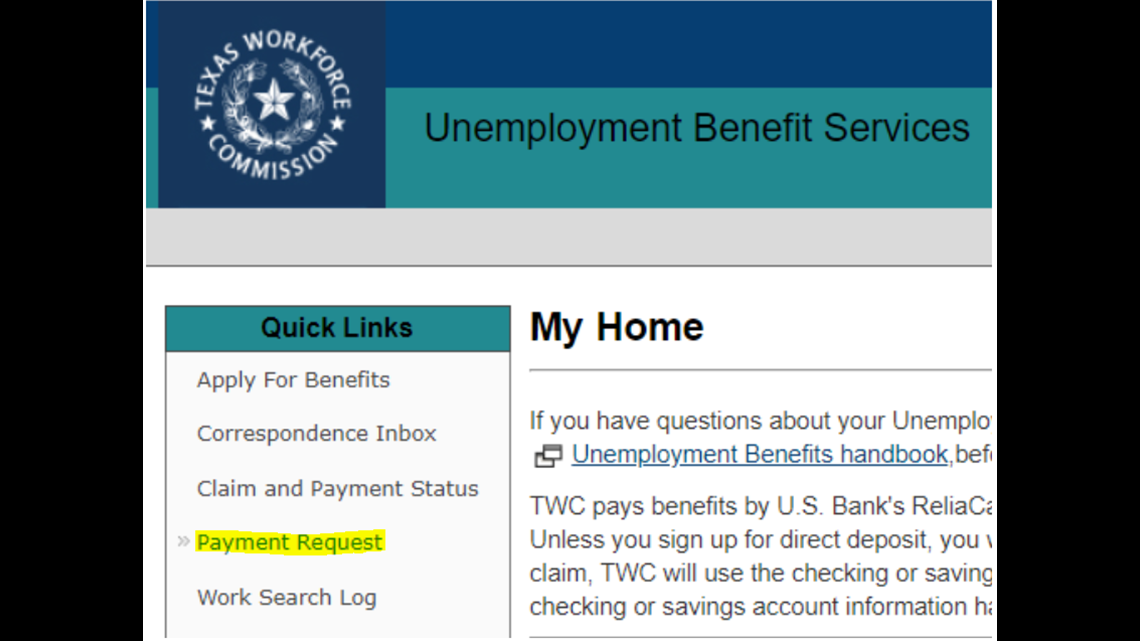
Once your claim is approved, you must request payment for each week you are unemployed and seeking work. This is done weekly through the TWC’s automated system, Tele-Serv, or by logging into your TWC account online.
When requesting payment, you will be asked a series of questions about your work search activities, any earnings you may have had during that week, and your availability for work. It is essential to answer these questions truthfully and accurately.
- Work Search Requirements: You are generally required to conduct a minimum number of work search contacts each week. Keep detailed records of your job search efforts, including the date, company name, contact person, job applied for, and the outcome.
- Reporting Earnings: If you work part-time or on a temporary basis while claiming unemployment, you must report your gross earnings for the week you earn them, not when you get paid. Failure to report earnings can lead to overpayments and penalties.
Consistent and timely requests for payment, along with diligent work search efforts, are vital to receiving your unemployment benefits without interruption.
Maintaining Your Texas Unemployment Benefits
Receiving unemployment benefits is not a one-time event; it requires ongoing participation and adherence to TWC rules to ensure you continue to receive payments. This phase often involves a shift in lifestyle, focusing on job searching and potentially exploring new avenues for employment or even personal growth.
Active Job Search and Reporting
As mentioned, actively seeking employment is a cornerstone of maintaining your eligibility. The TWC has specific guidelines on what constitutes a valid work search. This might include:
- Applying for jobs: Submitting applications to companies for positions that match your skills and experience.
- Attending interviews: Participating in job interviews.
- Networking: Engaging with professional contacts to identify job leads.
- Career counseling or training: Participating in approved career services or training programs.
You are typically required to document your work search efforts. Many claimants find it beneficial to keep a detailed log or spreadsheet. The TWC may request these records at any time to verify your compliance. Regularly reviewing the TWC’s guidelines on work search requirements is advisable, as these can be updated.
Understanding Benefit Duration and Limits
Unemployment benefits in Texas are not indefinite. The maximum duration for receiving unemployment benefits is typically 26 weeks, though this can be extended during periods of high unemployment as determined by federal or state legislation. The amount you receive each week, known as your weekly benefit amount (WBA), is calculated based on your past earnings.
- Weekly Benefit Amount (WBA): This is calculated based on your highest-earning quarter during your base period.
- Maximum Benefit Amount (MBA): This is the total amount you can receive throughout your benefit year.
It’s important to manage your finances carefully during this period, as the benefit amount is intended to provide temporary support, not to replace your full income. This might involve adjusting your lifestyle, looking for budget-friendly accommodation options, or exploring less expensive local attractions and experiences.

Potential Issues and Appeals
Despite your best efforts, there may be instances where your benefits are denied, or you encounter other issues with your claim. Common reasons for denial include:
- Failure to meet eligibility criteria.
- Not actively seeking work.
- Disqualifying job separation.
- Overpayments.
If you disagree with a decision made by the TWC regarding your claim, you have the right to appeal. The notification you receive from the TWC will outline the appeal process and deadlines. It’s crucial to act promptly if you decide to appeal.
- Appeals Process: This typically involves a hearing where you can present your case. You may have the opportunity to present evidence and call witnesses.
- Representation: While not always required, you may consider seeking legal counsel or assistance from a workforce development agency to help you navigate the appeals process.
Navigating the Texas unemployment system requires attention to detail and proactive engagement. By understanding the eligibility requirements, following the application steps carefully, and diligently meeting ongoing obligations, you can effectively utilize these benefits during your period of transition. This period, while challenging, can also be an opportunity to reassess your career path, perhaps even inspiring a future luxury travel experience once you’ve secured new employment. Consider it a chance to explore new possibilities, whether that’s a new career or a well-deserved vacation.
LifeOutOfTheBox is a participant in the Amazon Services LLC Associates Program, an affiliate advertising program designed to provide a means for sites to earn advertising fees by advertising and linking to Amazon.com. Amazon, the Amazon logo, AmazonSupply, and the AmazonSupply logo are trademarks of Amazon.com, Inc. or its affiliates. As an Amazon Associate we earn affiliate commissions from qualifying purchases.