
Navigating the process of obtaining official documents can often feel like an intricate journey, especially when you’re dealing with a significant life event like welcoming a new child or requiring proof of identity for various purposes. In the vast and diverse state of Texas, securing a birth certificate is a fundamental requirement for numerous personal, legal, and administrative needs. Whether you’re planning an international trip, need to enroll your child in school, or are applying for a driver’s license, a certified copy of a birth certificate is an indispensable document. This guide aims to demystify the process, providing a clear and comprehensive roadmap to help you obtain your Texas birth certificate efficiently, drawing parallels to the planning and preparation often involved in travel and accommodation arrangements.
Understanding the nuances of acquiring this vital record is akin to researching the best resorts for a family vacation or understanding the local tourism offerings of a new destination. It requires knowing where to go, what to bring, and the specific steps involved. Texas, with its expansive geography and diverse population, has a structured system in place to manage these requests, overseen primarily by the Texas Department of State Health Services (DSHS). This article will walk you through the eligibility criteria, the different methods of application, the necessary documentation, and the associated fees, ensuring you are well-equipped to embark on this bureaucratic expedition with confidence.
Understanding Your Eligibility and the Texas Vital Statistics System
Before diving into the application process, it’s crucial to understand who is eligible to request a birth certificate in Texas and the framework that governs these vital records. The Texas Vital Statistics Section (VSS) is the central repository for birth records in the state. They are responsible for maintaining these records and issuing certified copies to authorized individuals. This system is designed to protect the privacy and integrity of personal information, which is why stringent eligibility requirements are in place.
Who Can Obtain a Texas Birth Certificate?
The Texas Vital Statistics Act outlines specific individuals who are legally permitted to request a certified copy of a birth certificate. Generally, this includes:
- The person named on the birth certificate: If you are requesting your own birth certificate, you are typically eligible.
- Parents listed on the birth certificate: The mother and father named on the birth record can request a copy.
- Legal guardians: If you have legal guardianship of the individual, you can apply. This requires presenting court documentation proving guardianship.
- Legal representatives: Attorneys representing the individual or their estate can also apply, provided they submit appropriate legal documentation.
- Other immediate family members: In certain circumstances, other immediate family members may be eligible. This can include siblings, grandparents, or adult children, but often requires demonstrating a direct, tangible interest in the record and may involve additional documentation.
- Government agencies: Law enforcement agencies, social services, and other governmental bodies performing official duties may request copies.
It’s important to note that eligibility is not always straightforward. For instance, if you are requesting a birth certificate for someone other than yourself or your child, you might need to provide evidence of your relationship or a signed authorization from the eligible person. Think of this like needing a special pass to access an exclusive area at a luxury resort – there are specific permissions required.
The Texas Vital Statistics Section (VSS) and Its Role
The Texas Department of State Health Services, through its Vital Statistics Section, is the primary authority responsible for maintaining birth, death, marriage, and divorce records for the state. The VSS ensures the accuracy and authenticity of these records. When you apply for a birth certificate, your request will ultimately be processed by this agency or by authorized local registrars in the county where the birth occurred.
The VSS operates under state laws that dictate how records are kept, who can access them, and the procedures for obtaining certified copies. These regulations are in place to prevent identity theft and misuse of sensitive personal information, much like the security measures implemented in luxury hotels to safeguard guest data.
Methods of Application: Choosing Your Path to a Texas Birth Certificate
Similar to planning a trip with various travel options, there are several ways to apply for a Texas birth certificate. Each method has its own advantages and may be more suitable depending on your location, urgency, and personal preference. The most common avenues include applying in person, by mail, or through an authorized third-party online service.
Applying In Person: A Direct Approach
Applying in person is often the most direct and fastest way to obtain a birth certificate, especially if you live near a local registrar’s office or the central VSS office in Austin. This method allows for immediate verification of your identity and documentation.
Steps for In-Person Application:
- Locate an Authorized Office: You can apply at the Vital Statistics office in the county where the birth occurred, or at the central Texas Vital Statistics Section office in Austin. Some city health departments also serve as local registrars.
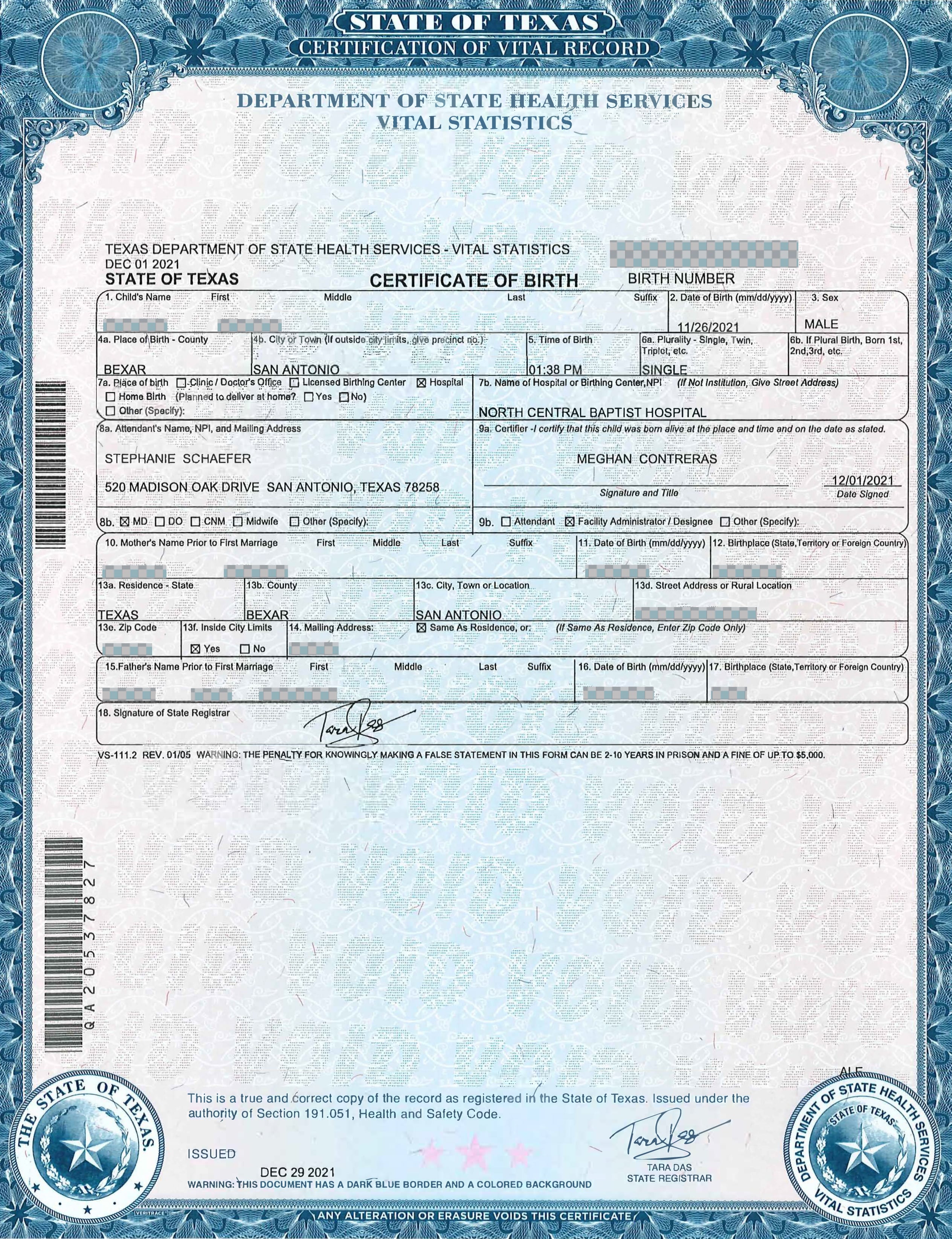
- Gather Required Documentation: You will need to present a valid, government-issued photo ID. Acceptable forms of identification typically include a driver’s license, state ID card, passport, or military ID. In addition, you will need to complete an Application for a Certified Copy of a Birth Certificate form. This form requires specific information about the individual named on the birth certificate, including their full name, date of birth, place of birth, and parents’ full names.
- Complete the Application Form: Fill out the application form accurately and completely. Any errors or omissions can delay the process.
- Submit Your Application and Pay Fees: Present your ID and completed form to the registrar. You will then pay the required fee for the certified copy. Fees can vary slightly between counties but are generally set by the state.
- Receive Your Certificate: If all documentation is in order and you meet the eligibility criteria, you will typically receive your certified birth certificate on the same day.
Applying in person is akin to booking a last-minute accommodation when you need to travel immediately – it offers the quickest resolution.
Applying by Mail: A Traditional and Accessible Route
For those who cannot visit an office in person, applying by mail is a viable option. This method requires more patience as it involves postal transit times and processing at the VSS.
Steps for Mail Application:
- Download the Application Form: Obtain the “Application for a Certified Copy of a Birth Certificate” form from the Texas Department of State Health Services website.
- Complete the Form: Fill out the application meticulously. Ensure all required fields are completed.
- Include a Notarized Affidavit: A critical step for mail-in applications is the notarized sworn statement. You must have the “Sworn Statement for Mail-In Application” section of the application form notarized. This means you will need to sign the form in the presence of a notary public, who will then verify your identity and affix their seal.
- Provide Proof of Identity: Include a photocopy of your valid, government-issued photo ID. Ensure the copy is clear and legible.
- Submit Payment: Include a check or money order payable to the Texas Vital Statistics Section for the required fee. Check the VSS website for the current fee schedule.
- Mail Your Application: Send the completed and notarized application form, photocopy of ID, and payment to the Texas Vital Statistics Section address provided on the form.
Applying by mail is comparable to booking your hotel rooms and apartments in advance for a planned family trip, ensuring everything is in order before you depart.
Online and Third-Party Services: Convenience with Caution
Several third-party online services claim to expedite the process of obtaining Texas birth certificates. While these services can offer convenience, it’s essential to approach them with caution.
Considerations for Online Services:
- Fees: These services often charge significantly higher fees than direct applications through the state, in addition to the state’s required fee.
- Processing Times: While they may appear faster, the actual processing by the state remains the same. Their speed often comes from efficient form submission and tracking.
- Legitimacy: Ensure you are using a reputable and authorized service. Some unofficial sites may be scams or charge exorbitant amounts for basic services.
If you choose to use an online service, thoroughly research their reviews, understand all associated fees, and verify their authorization to handle such requests. It’s generally recommended to use official state channels for vital records to ensure accuracy and security. This is similar to choosing between booking directly with a resort or through an online travel agency – understanding the trade-offs is key.
Documentation and Fees: The Essentials for Your Application
Regardless of the application method you choose, having the correct documentation and understanding the associated fees are paramount to a smooth and successful process. These are the foundational elements, much like packing the right gear for an adventurous experience or ensuring your budget travel plans are meticulously mapped out.
Essential Identification and Supporting Documents
The cornerstone of any application for a vital record is proof of your identity and your eligibility to request the certificate.
-
Valid Government-Issued Photo Identification: As previously mentioned, this is non-negotiable. Ensure your ID is current and not expired. Examples include:
- Driver’s License (from any U.S. state)
- State-Issued ID Card
- U.S. Passport
- U.S. Military ID
- Tribal ID Card
- Foreign Passport (with valid U.S. visa)
-
Proof of Relationship (if applicable): If you are applying for someone else’s birth certificate and are not their parent or legal guardian listed on the record, you may need to provide additional documentation. This could include marriage certificates to prove your relationship to the parent, birth certificates to show sibling or grandparent relationships, or court orders for legal guardianship.
-
Application Form: The “Application for a Certified Copy of a Birth Certificate” must be completed accurately. This form is available on the Texas DSHS website.
-
Notarized Sworn Statement (for mail-in applications): This is a critical requirement for mail applications to verify your identity and intent.
Understanding the Fees
The state of Texas charges a fee for each certified copy of a birth certificate. These fees help cover the administrative costs of maintaining the vital records system.
- Base Fee: There is typically a base fee for the first certified copy.
- Additional Copies: Fees for subsequent copies of the same record ordered at the same time are usually lower.
- Expedited Service: Some offices or third-party services may offer expedited processing for an additional fee, though this is not always available through official channels.
- Mailing Fees: If you are applying by mail or request the certificate to be mailed, there might be additional postage or handling fees.
It is always best to check the most current fee schedule on the Texas Department of State Health Services website or by contacting the specific registrar’s office you are applying through, as fees can be subject to change. Ensuring you have the correct payment method (cash, money order, credit card for in-person; check or money order for mail) is crucial to avoid delays. This attention to financial detail is similar to comparing hotel amenities and rates to find the best value for your lifestyle travel plans.
Important Considerations and Tips for a Smooth Application
Successfully obtaining a Texas birth certificate involves more than just filling out forms; it requires foresight and adherence to specific guidelines. By employing strategies similar to those used for planning successful landscapes or navigating a new city, you can streamline the process.
Accuracy and Completeness are Key
The most common reason for application delays is incomplete or inaccurate information on the application form. Double-check all details before submitting:
- Full Legal Name: Ensure the name on the application exactly matches the name on the birth certificate.
- Dates: Verify the birth date, date of death (if applicable), and dates of application and notarization.
- Parents’ Names: Provide the full maiden name of the mother and the full name of the father as they appear on the birth record.
- Place of Birth: Specify the city and county of birth.
Understanding Processing Times
- In-Person: Generally, you will receive your certificate the same day.
- Mail: Mail applications can take several weeks to process due to mail delivery and internal VSS processing times. Patience is key.
- Online Services: While advertised as fast, the actual state processing time is the limiting factor.
If you have an urgent need, consider applying in person or researching if expedited mail services are available through official channels. This is akin to booking last-minute flights when time is of the essence.
Special Circumstances and Late Registrations
- Births that Occurred Long Ago: If the birth occurred many years ago, the records might be archived differently. However, the VSS still maintains records for births dating back to 1903.
- Births Outside of Hospitals: If a birth occurred at home or outside of a traditional medical facility, the process might involve additional steps or documentation to establish the birth record.
- Late Registrations: For births that were not registered at the time, a formal process called “delayed registration of birth” is required. This involves submitting extensive evidence to prove the birth, such as hospital records, early school enrollment records, or affidavits from individuals who have personal knowledge of the birth.
Navigating these special circumstances can feel like exploring off-the-beaten-path attractions – it requires extra research and specific guidance. Always refer to the official Texas DSHS Vital Statistics Section website for the most up-to-date information, forms, and procedures. Their resources are the definitive guide for any questions or unique situations you may encounter. This diligent preparation ensures your travel plans, or in this case, your vital record acquisition, proceed without unnecessary detours.
LifeOutOfTheBox is a participant in the Amazon Services LLC Associates Program, an affiliate advertising program designed to provide a means for sites to earn advertising fees by advertising and linking to Amazon.com. Amazon, the Amazon logo, AmazonSupply, and the AmazonSupply logo are trademarks of Amazon.com, Inc. or its affiliates. As an Amazon Associate we earn affiliate commissions from qualifying purchases.