
Navigating the vast and diverse landscape of Texas can be an exhilarating experience, filled with iconic landmarks, vibrant local culture, and a culinary scene that ranges from authentic Tex-Mex to gourmet dining. Whether you’re embarking on a luxury travel adventure, a budget travel escapade, or a family trip across this expansive state, you’ll likely encounter its extensive network of toll roads. For many, the convenience of a TxTag or similar electronic toll transponder is the default method for managing these charges. However, what happens when you don’t have one, or perhaps have forgotten to activate it? Fear not, as Texas offers several straightforward ways to settle your toll fees, ensuring your journey through cities like Houston, Dallas, Austin, and San Antonio remains smooth and stress-free. This guide will walk you through the alternative payment methods, empowering you to enjoy all the attractions Texas has to offer without the worry of missed toll payments.
Understanding Texas Toll Road Systems
Texas utilizes a variety of toll road authorities, each operating with slightly different systems, though the overarching goal of facilitating efficient traffic flow remains consistent. The most common toll agencies include the Texas Department of Transportation (TxDOT), the North Texas Tollway Authority (NTTA), the Harris County Toll Road Authority (HCTRA), and the Central Texas Regional Mobility Authority (CTRMA). While many of these are integrated under the umbrella of electronic toll collection with devices like TxTag, TollTag, or EZ TAG, they also have provisions for drivers without these devices.
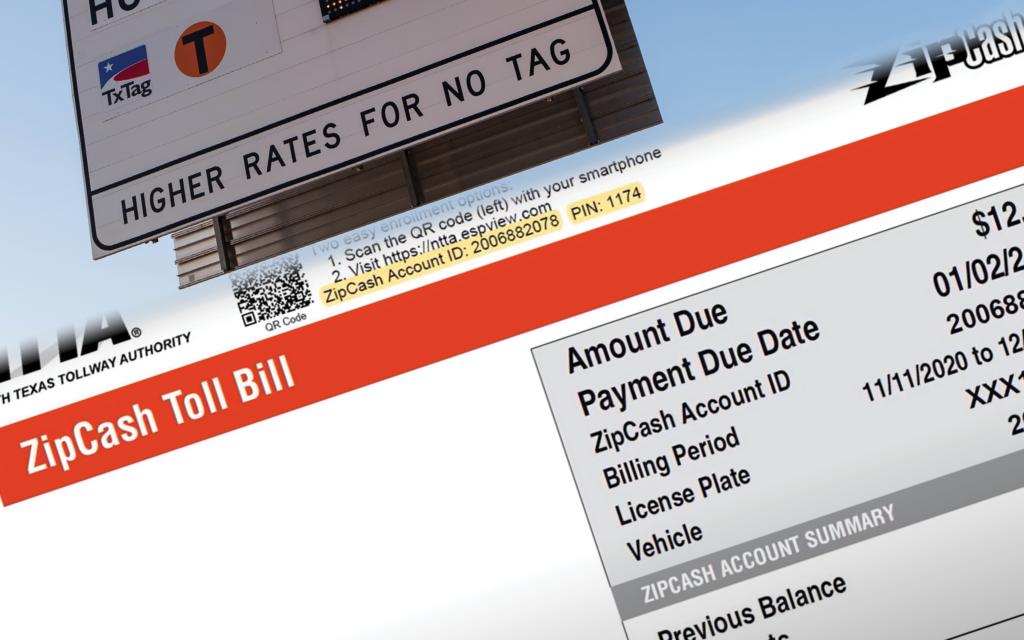
When you pass through a toll plaza without an active transponder, an image of your license plate is captured. This image is then used to identify the vehicle’s owner, and a bill is subsequently sent to the registered address. The absence of a transponder typically results in a higher toll rate, often referred to as the “cash rate” or “pay by mail rate,” which covers administrative costs associated with processing these transactions manually.
Pay By Mail: The Most Common Alternative
For most drivers who find themselves on a Texas toll road without a TxTag, the “Pay By Mail” option is the primary recourse. This system is designed to be user-friendly and accessible to visitors and locals alike.
How the Pay By Mail System Works
After you use a toll road that lacks a toll booth for cash payments, the relevant toll authority will identify your vehicle through its license plate. A bill, often called a “Toll Invoice” or “Notice of Toll Violation,” will then be mailed to the address registered with your vehicle’s license plate. This invoice will detail the tolls incurred, the specific toll roads used, and the due date for payment. It’s crucial to pay these invoices promptly to avoid additional fees and potential penalties.
The key difference for those paying by mail is the rate. Without an electronic transponder, you will generally be charged a higher rate than if you had used a TxTag. This is a standard practice across many toll systems to incentivize the use of electronic payment methods, which streamline operations and reduce overhead for the toll authorities.
Receiving and Paying Your Toll Invoice
Toll invoices are typically mailed within a few weeks of your travel date. The exact timing can vary depending on the toll authority and postal service efficiency. It is imperative to keep your vehicle registration and mailing address up-to-date with your state’s Department of Motor Vehicles to ensure you receive these important notices.
Payment options for Pay By Mail invoices are generally varied and convenient. Most toll authorities in Texas allow you to pay online through their respective websites. This is often the quickest and most efficient method. You can usually search for your invoice by your license plate number or the invoice number provided. Credit cards, debit cards, and sometimes even PayPal are accepted.
Alternatively, you may be able to pay by mail by sending a check or money order to the address specified on the invoice. This method is less immediate and carries a higher risk of delays or misplacement, so it’s advisable to send payments well in advance of the due date. Some toll authorities also offer payment by phone services or in-person payment locations, though these are less common.
What if You Don’t Receive an Invoice?
While the Pay By Mail system is generally reliable, there’s always a chance an invoice might go astray due to postal issues or incorrect address information. Most toll authorities in Texas understand this and provide online tools to check for outstanding tolls using just your license plate number. It’s a good practice, especially if you’ve recently traveled through toll areas without a transponder, to periodically check the websites of the major toll authorities in Texas to see if any unpaid tolls have been recorded against your vehicle. This proactive approach can save you from accumulating late fees and potential penalties.
Other Payment and Management Options
Beyond the standard Pay By Mail system, Texas toll authorities offer some additional avenues for managing toll payments, especially for those who travel through the state occasionally or prefer not to commit to a transponder.
Setting Up a Pay As You Go Account
Some toll agencies allow you to set up a “Pay As You Go” or “Prepaid” account without a physical transponder. This is an excellent option for frequent visitors or those who may forget to bring their transponder on trips.
How Pay As You Go Works
With a Pay As You Go account, you essentially create a profile with a toll authority and link it to your vehicle’s license plate. You then pre-deposit funds into this account. When you use a toll road managed by that authority, the toll amount is automatically deducted from your prepaid balance. This system often provides the benefit of the lower toll rate, similar to having a transponder, while offering flexibility for those who don’t want a physical device in their car.
The process typically involves visiting the website of the specific toll authority (e.g., NTTA, HCTRA) and looking for their Pay As You Go or general account setup options. You’ll need to provide your vehicle information, contact details, and payment method for the initial deposit and any subsequent top-ups.
Benefits of a Pay As You Go Account
The primary advantage of a Pay As You Go account is cost savings. You generally pay the same lower rates as transponder users, avoiding the higher Pay By Mail fees. It also eliminates the risk of forgetting to pay a bill or receiving unexpected invoices weeks later. This method offers a balance between the convenience of electronic payment and the flexibility of not needing a physical transponder. It’s particularly useful for travelers who plan to spend a significant amount of time in a specific region of Texas and anticipate using its toll roads frequently.
The All-Electronic System and Future Considerations
Texas is increasingly moving towards an all-electronic tolling system. This means that traditional toll booths are being phased out, and nearly all tolls are collected electronically. This transition further emphasizes the importance of having a method to pay tolls electronically, whether through a transponder, a Pay As You Go account, or by being prepared to receive and pay Pay By Mail invoices promptly.

Adapting to an All-Electronic Future
As more toll roads become fully electronic, the Pay By Mail option, while still available, may become more streamlined and potentially carry higher administrative fees. This shift underscores the value of proactive management of your toll usage. For travelers who frequently visit Texas or any state with a significant toll road network, investing in a universal transponder or utilizing Pay As You Go accounts with the primary toll authorities in their travel areas is often the most cost-effective and hassle-free approach.
For those planning a trip that might involve extensive travel on toll roads, researching the specific toll authorities in the regions you’ll be visiting is highly recommended. Websites of entities like TxDOT, NTTA, HCTRA, and CTRMA are invaluable resources for understanding their specific payment policies, rates, and account setup procedures. This preparation will ensure your travel experiences in Texas are focused on the incredible destinations and experiences, rather than on logistical headaches.
In conclusion, while a TxTag offers the most seamless way to pay tolls in Texas, the state provides robust and accessible alternative payment methods. The Pay By Mail system ensures that no toll goes unpaid, and options like Pay As You Go accounts offer a convenient middle ground for those seeking to benefit from lower toll rates without a physical transponder. By understanding these options and staying informed, you can confidently explore everything Texas has to offer, from the historic streets of San Antonio to the modern marvels of Dallas, with peace of mind about your toll payments.
LifeOutOfTheBox is a participant in the Amazon Services LLC Associates Program, an affiliate advertising program designed to provide a means for sites to earn advertising fees by advertising and linking to Amazon.com. Amazon, the Amazon logo, AmazonSupply, and the AmazonSupply logo are trademarks of Amazon.com, Inc. or its affiliates. As an Amazon Associate we earn affiliate commissions from qualifying purchases.