
Navigating the process of transferring property ownership to a family member in Texas can seem daunting, but with a clear understanding of the steps involved, it becomes a manageable and even rewarding endeavor. Whether you’re planning for your estate, gifting a property, or assisting a loved one, this guide will walk you through the essentials of transferring a property title in the Lone Star State. While our website typically focuses on the exciting world of travel, from exploring vibrant destinations and uncovering hidden attractions to experiencing unique experiences and finding the perfect accommodation, we understand that life’s important decisions extend beyond the next vacation. This guide aims to provide clarity on a significant legal and financial matter, ensuring a smooth transition of property ownership within your family in Texas.

Understanding the Fundamentals of Property Title Transfer
At its core, a property title represents legal ownership of a real estate property. Transferring this title means officially changing the name of the owner on public records. In Texas, this process is governed by state laws and typically involves specific legal documents and procedures. It’s not simply a matter of signing a document; it’s a formal legal act that necessitates careful attention to detail to ensure validity and avoid future complications.
Key Documents and Their Roles
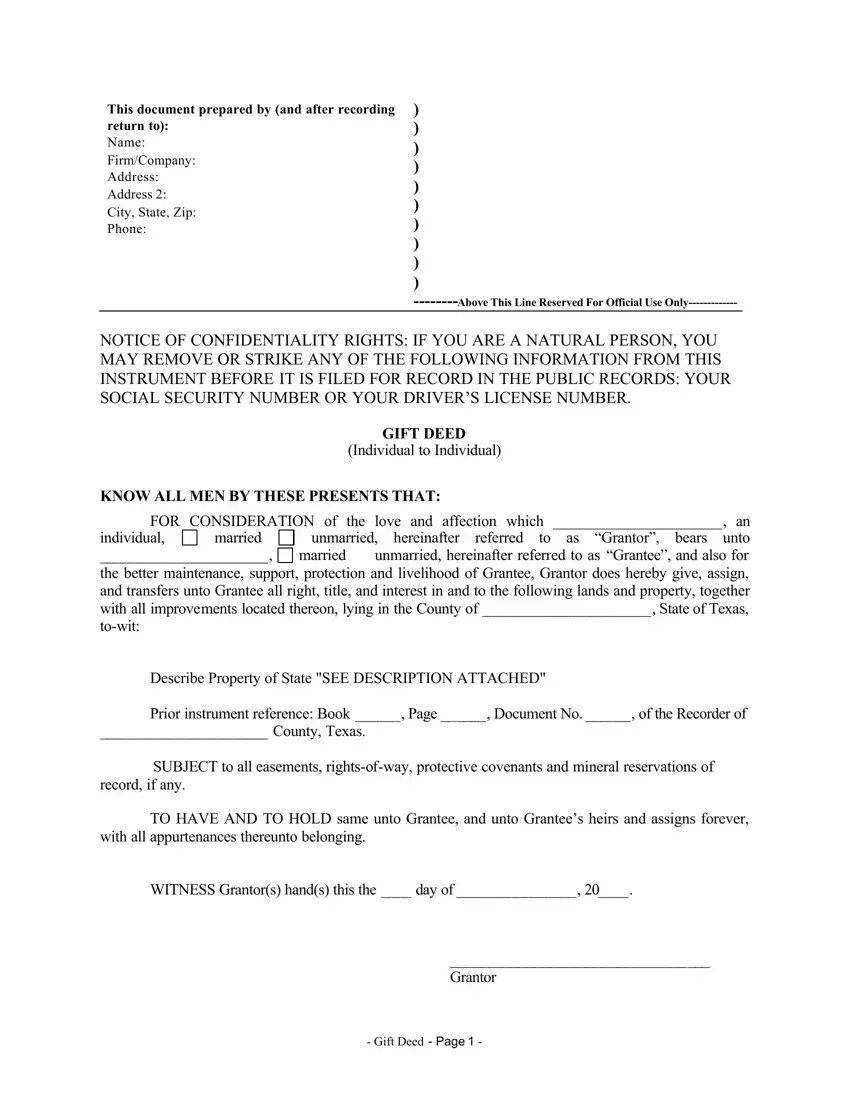
The primary document used to transfer property ownership is a deed. A deed is a legal instrument that conveys title from one party (the grantor) to another (the grantee). In Texas, several types of deeds are commonly used for family transfers, each offering different levels of protection to the grantee.
Types of Deeds in Texas
-
General Warranty Deed: This deed offers the highest level of protection for the grantee. The grantor guarantees that they hold clear title to the property and will defend the grantee against any claims that arise from past ownership. This is often preferred when transferring property to someone outside the immediate family, but can also be used for family transfers if full assurance is desired.
-
Special Warranty Deed: With this deed, the grantor only warrants or guarantees the title against defects that arose during their specific period of ownership. They don’t cover issues that may have occurred before they owned the property. This is a common choice for real estate transactions, including those within families, as it balances protection with a less burdensome guarantee for the grantor.
-
Quitclaim Deed: This is the least protective deed. When using a quitclaim deed, the grantor transfers whatever interest they have in the property, if any, to the grantee. They make no promises or guarantees about the quality of the title. This deed is often used when there is already a clear understanding of ownership, such as transferring property between spouses or to a child when the parent’s ownership is undisputed. It essentially says, “Whatever ownership I have, I’m giving it to you, no questions asked.”
The choice of deed is crucial and depends on the specific circumstances of the transfer and the comfort level of both parties involved. It’s often advisable to consult with a real estate attorney to determine the most appropriate deed for your situation.
The Role of a Title Company and Escrow
While not always mandatory for family transfers, engaging a title company and utilizing an escrow service can significantly streamline the process and provide an additional layer of security. A title company will perform a thorough title search to ensure there are no outstanding liens, encumbrances, or other claims against the property that could complicate the transfer. They will also prepare the necessary closing documents, including the deed.
Escrow is a neutral third party that holds all the necessary documents and funds for the transaction until all conditions of the sale or transfer are met. Once all parties have signed and fulfilled their obligations, the escrow agent will disburse funds, record the deed, and ensure the title is properly transferred. This impartiality safeguards both the grantor and the grantee.
The Step-by-Step Process of Property Title Transfer in Texas
Transferring property ownership in Texas involves a series of procedural steps designed to ensure accuracy and legal compliance. Whether you are gifting a vacation home in the Hill Country or passing down a family residence, following these steps will facilitate a smooth transaction.
Step 1: Determine the Purpose and Type of Transfer
Before initiating any paperwork, clearly define the reason for the transfer. Is it a gift, a sale, or part of estate planning? The nature of the transfer will influence the documentation and potential tax implications.
- Gifting a Property: If you are gifting the property, it is essentially a transfer of ownership without any monetary exchange. This can have implications for gift taxes.
- Selling a Property: If the family member is purchasing the property, a sale agreement will be necessary, and considerations for capital gains tax may arise.
- Estate Planning: If the transfer is part of a will or trust, it will be handled according to those legal documents, often upon the passing of the property owner.
Step 2: Select the Appropriate Deed
As discussed earlier, choosing the right deed is paramount. Consult with a real estate attorney or a title company to understand the implications of each deed type for your specific family situation. For example, if a parent is gifting a property to a child, a quitclaim deed might be sufficient if ownership is clear, but a special warranty deed might be preferred for slightly more assurance.
Step 3: Prepare the Deed
The deed must be meticulously prepared. It should include:

- Grantor Information: The full legal name(s) of the current owner(s) as they appear on the current deed.
- Grantee Information: The full legal name(s) of the family member(s) who will be receiving ownership.
- Property Description: A precise legal description of the property, typically found on the existing deed. This includes lot and block numbers, metes and bounds, or other official survey descriptions.
- Consideration: The amount of money exchanged for the property. For a gift, this may be stated as “ten dollars and other good and valuable consideration.”
- Granting Clause: Language that clearly indicates the intention to transfer ownership.
- Signatures: The deed must be signed by the grantor(s) in the presence of a notary public.
Step 4: Notarization and Witnesses
In Texas, deeds must be notarized to be legally valid. The grantor(s) must sign the deed in front of a notary public, who will then affix their seal and signature. While witnesses are not strictly required for most deeds in Texas, it’s always a good practice to have them present during the signing, especially for significant transfers.
Step 5: Record the Deed
This is a critical step that officially makes the transfer public record. The executed and notarized deed must be filed with the County Clerk in the county where the property is located. There will be a recording fee, which varies by county. Once recorded, the deed provides constructive notice to the world that the ownership has changed. Without recording, the transfer is not legally effective against third parties.
Step 6: Address Potential Tax Implications
Transferring property can have tax consequences, even between family members.
- Gift Tax: If the property’s value exceeds certain thresholds, the grantor may be subject to federal gift tax. However, there are annual exclusion limits and lifetime exemptions that can significantly reduce or eliminate this liability.
- Property Tax: Once the transfer is recorded, the property tax bill will be issued in the new owner’s name. It’s important to ensure the county appraisal district is updated with the new ownership information to avoid confusion.
- Capital Gains Tax: If the property is sold to a family member for less than its market value, or if the family member later sells the property, capital gains tax implications may arise. The cost basis for the new owner is often crucial here.
It is highly recommended to consult with a tax advisor or an estate planning attorney to understand and mitigate any potential tax liabilities associated with the property transfer.
Considerations for Specific Family Transfers
When transferring property to a family member, certain scenarios warrant extra attention. These often involve intricate legal and financial considerations that go beyond a standard real estate transaction.
Transferring Property to Children
Transferring property to children can be a way to provide them with an asset or assist them in homeownership. However, it’s essential to consider:
- Future Estate Planning: How does this transfer affect your overall estate plan? Will it complicate the distribution of other assets?
- Medicaid Eligibility: In some cases, gifting property might affect eligibility for long-term care benefits.
- Children’s Financial Situation: Are your children prepared for the responsibilities of homeownership, including property taxes, insurance, and maintenance?
- Divorce or Legal Issues: If a child goes through a divorce, the gifted property could become part of marital assets subject to division.
Example: A parent might decide to gift their vacation condo in Galveston to their adult child as an early inheritance. They would need to carefully consider the deed type, potential gift tax implications, and how this fits into their broader estate plan, perhaps consulting with a lawyer specializing in estate planning in Texas.
Transferring Property to a Spouse
Transfers between spouses are often straightforward, especially in community property states like Texas. However, even in these situations, proper documentation is necessary to ensure clear title.
- During Marriage: Spouses can jointly own property, or one spouse can transfer their interest to the other. A quitclaim deed is often used in these situations if there is no question of ownership.
- Divorce Settlements: Property transfers are common during divorce proceedings as part of asset division. These transfers are typically court-ordered and meticulously documented.
Example: If a couple purchased a home in Austin during their marriage, and one spouse later decides to transfer their ownership interest to the other solely in their name, they would use a deed, likely a quitclaim deed, and ensure it’s properly recorded.
Using Trusts for Property Transfers
For complex situations or when managing assets for minors or individuals with special needs, using a trust can be an effective method for property transfer.
- Revocable Living Trust: Allows the grantor to maintain control over the property during their lifetime, with provisions for transferring ownership to beneficiaries upon their death. This bypasses probate.
- Irrevocable Trust: Once established, the grantor relinquishes control. This can offer significant tax advantages and asset protection, but the property is no longer under the grantor’s direct management.
Example: A family might place a rental property in San Antonio into a trust to ensure it is managed for the benefit of their grandchildren and transferred to them upon reaching a certain age, avoiding the complexities of direct inheritance.
By carefully considering these options and seeking professional advice, you can ensure that property title transfers to family members in Texas are conducted smoothly, legally, and in alignment with your personal and financial goals. While we love helping you plan your next getaway, from booking unique hotels and resorts to exploring local tourism opportunities, understanding and executing essential life transitions like property transfers is equally vital for a well-rounded and secure future.
LifeOutOfTheBox is a participant in the Amazon Services LLC Associates Program, an affiliate advertising program designed to provide a means for sites to earn advertising fees by advertising and linking to Amazon.com. Amazon, the Amazon logo, AmazonSupply, and the AmazonSupply logo are trademarks of Amazon.com, Inc. or its affiliates. As an Amazon Associate we earn affiliate commissions from qualifying purchases.