
Navigating the process of transferring a car title in Texas can seem like a daunting task, especially when you’re focused on planning your next adventure. Whether you’re a seasoned road-tripper looking to sell your current vehicle before embarking on a journey across the United States, or you’ve just purchased a new-to-you set of wheels to explore the vast landscapes of the Lone Star State, understanding the ins and outs of title transfer is crucial. This guide will break down the steps involved, ensuring a smooth transition for both buyers and sellers, and allowing you to get back to what truly matters: experiencing the diverse attractions, indulging in local cuisine, and discovering the rich history that Texas has to offer.
The Essential Steps to a Successful Texas Car Title Transfer
Transferring a car title in Texas involves a series of official steps designed to ensure that ownership is legally recognized and recorded with the state. This process is managed by the Texas Department of Motor Vehicles (TxDMV). While the core requirements remain consistent, minor variations might exist depending on the specific circumstances, such as whether the vehicle is being gifted, sold, or inherited. For the most common scenario – a private sale between two individuals – the following steps are paramount.
1. Acquiring the Necessary Documentation
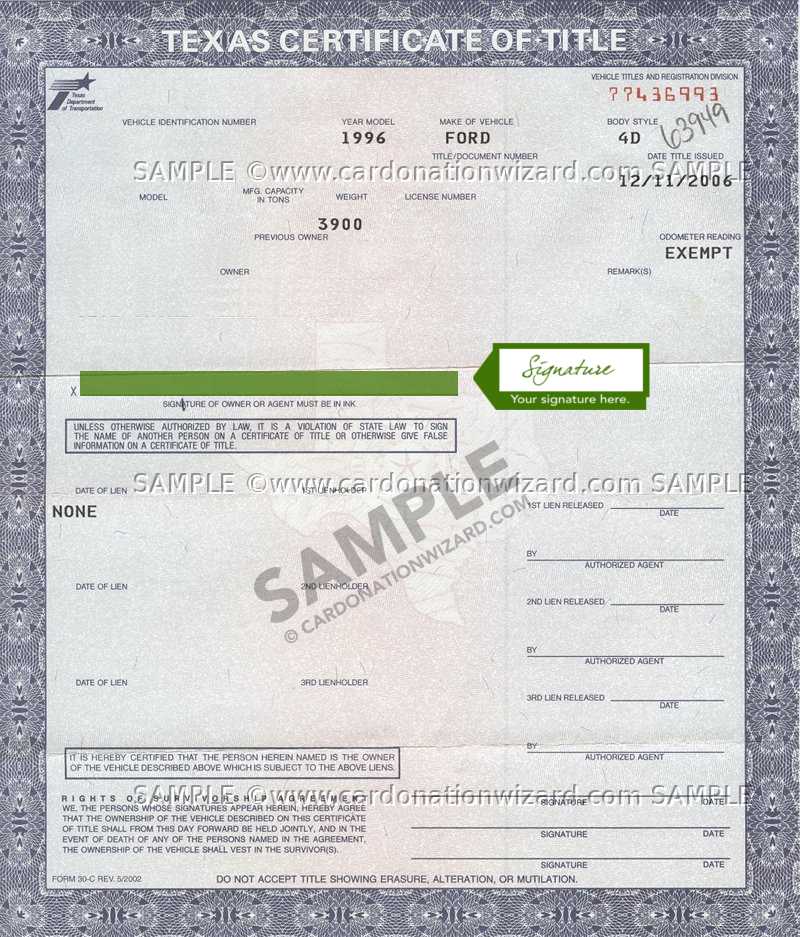
The foundation of any successful title transfer lies in having the correct paperwork. For private sales, the primary document is the existing Certificate of Title. This document serves as proof of ownership and must be properly completed by both the seller and the buyer.
The Certificate of Title: Your Key Document
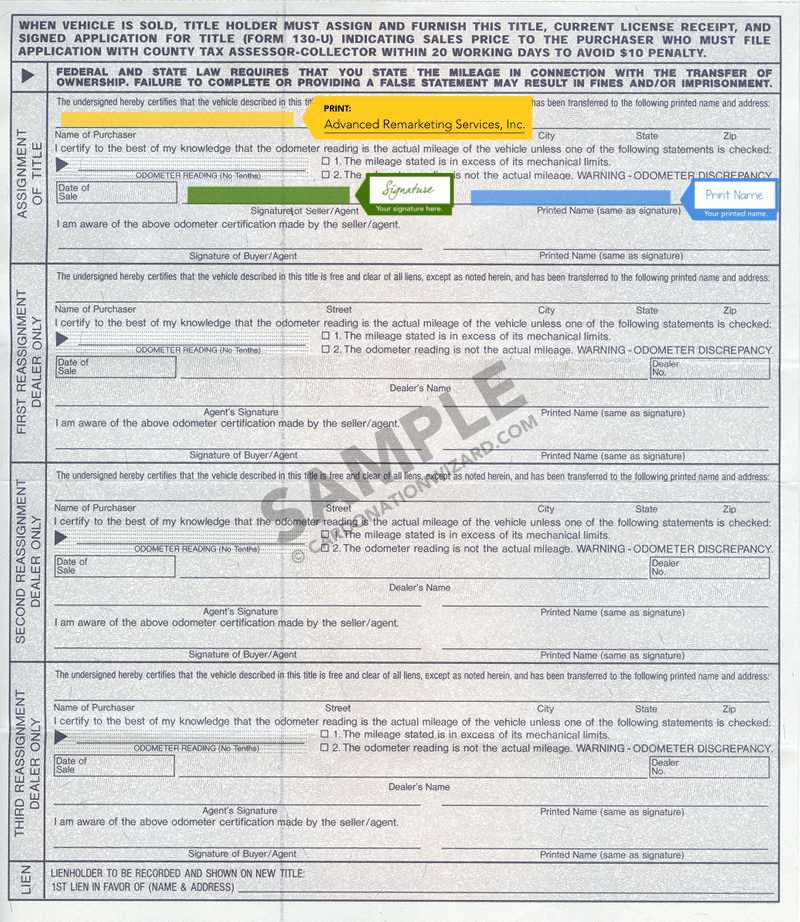
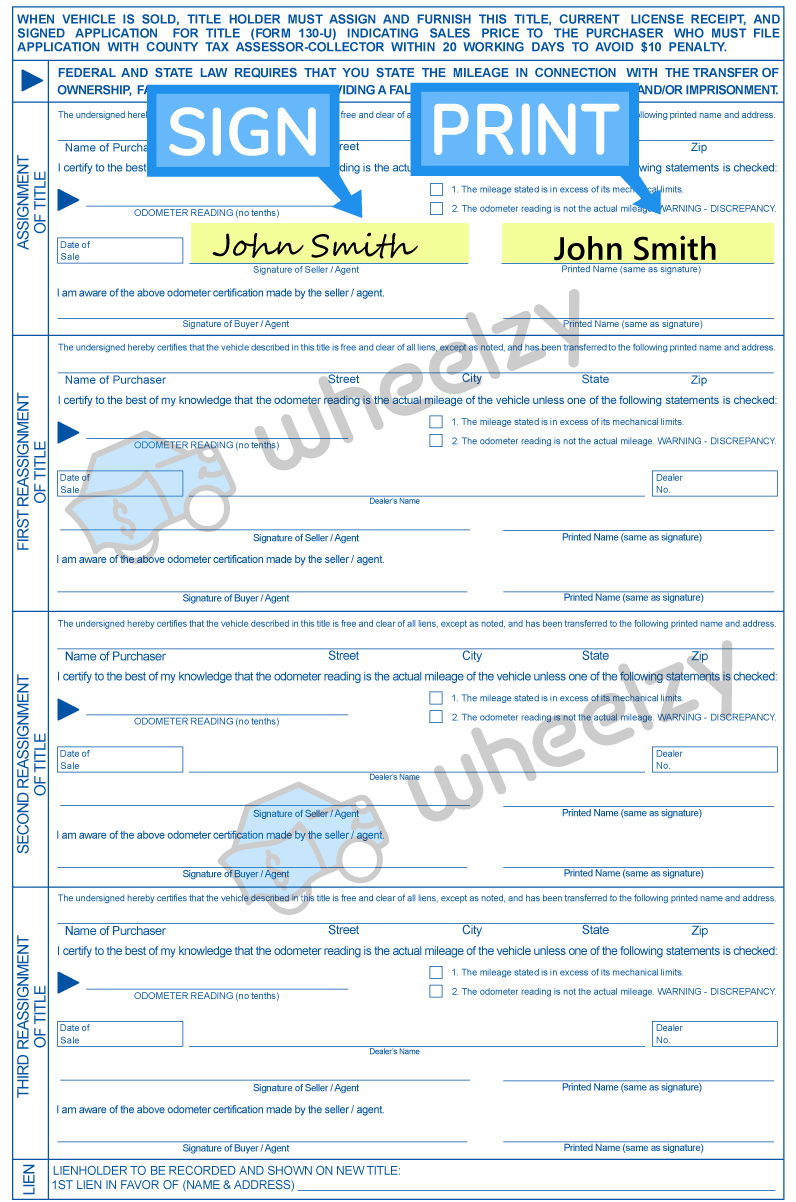
The seller is responsible for accurately filling out the “Assignment of Title by Seller” section on the back of the Texas Certificate of Title. This section requires the seller’s signature, printed name, and address. It also includes spaces for the buyer’s information, including their printed name, signature, and address. Crucially, the odometer reading at the time of sale must be accurately recorded. Both parties should pay close attention to detail to avoid any errors that could delay the transfer.
It’s vital to ensure that the title is free from any liens. If there’s an outstanding loan on the vehicle, the lienholder (the bank or financial institution) will need to be satisfied, and they will then sign off on the title, releasing their claim. Without this release, a new title cannot be issued to the buyer.
Bill of Sale: An Important Supporting Document
While the Certificate of Title is the primary legal document for ownership transfer, a Bill of Sale is highly recommended, and in some cases, may be required by the buyer or by the county tax assessor-collector. This document acts as a receipt for the transaction and should include details such as:
- The full names and addresses of the buyer and seller.
- The vehicle’s Vehicle Identification Number (VIN).
- The year, make, and model of the vehicle.
- The purchase price.
- The date of the sale.
- Signatures of both the buyer and the seller.
A Bill of Sale provides an extra layer of protection for both parties, clearly outlining the terms of the sale and the agreed-upon price. It can be particularly useful in resolving any disputes that might arise.
2. Buyer’s Responsibilities: Registration and Tax
Once the seller has completed their part of the title transfer, the responsibility shifts to the buyer. The buyer has a limited timeframe to complete the registration and title application process with their local county tax assessor-collector’s office.
Prompt Registration is Key
In Texas, buyers generally have 30 days from the date of purchase to register the vehicle and transfer the title into their name. Failing to meet this deadline can result in penalties and late fees. It is advisable for the buyer to initiate this process as soon as possible after the purchase.
When visiting the county tax assessor-collector’s office, the buyer will need to present the following:
- The properly completed Texas Certificate of Title, signed by the seller.
- A valid Texas Vehicle Inspection Report (VIR) obtained within the last 90 days, unless the vehicle is exempt.
- Proof of financial responsibility (auto insurance).
- The buyer’s driver’s license or other acceptable form of identification.
- A completed Application for Texas Title and/or Registration (Form 130-U).
- A Bill of Sale, if applicable or required.
The county tax assessor-collector’s office will review all submitted documents to ensure everything is in order before processing the title transfer.
Understanding Vehicle Sales Tax
A significant component of the title transfer process for buyers is the payment of Texas state sales tax. The current state sales tax rate on motor vehicles is 6.25%. However, many counties also impose a local sales tax, bringing the total rate to a maximum of 8.25%. This tax is calculated based on the purchase price of the vehicle or its fair market value, whichever is greater.
Buyers may be eligible for certain exemptions or credits towards the sales tax. For example, if the buyer has a trade-in vehicle, the sales tax may be calculated on the difference between the purchase price of the new vehicle and the value of the trade-in. It’s essential to discuss any potential exemptions or credits with the county tax assessor-collector’s office at the time of application.
3. Special Circumstances and Additional Considerations
While the standard title transfer process covers most private sales, Texas also has provisions for other scenarios, and there are a few extra details to keep in mind to ensure a seamless transaction.
Gifting a Vehicle or Inherited Property
If a vehicle is being gifted, the seller can indicate this on the title by entering “$0” as the purchase price. However, it’s important to note that even in gift situations, the recipient will still be responsible for paying registration fees and potentially other applicable taxes, depending on the specific relationship and local regulations. For inherited vehicles, a death certificate and potentially Letters Testamentary or a Small Estate Affidavit may be required, along with the original title. The TxDMV’s website provides detailed information on these specific scenarios.
Out-of-State Titles
If you are purchasing a vehicle from another state and bringing it into Texas, the process will involve registering the vehicle in Texas. You will need to surrender the out-of-state title and obtain a new Texas title. This will also require a vehicle inspection and VIN verification by a Texas law enforcement officer.
Salvage and Rebuilt Titles
Vehicles with “salvage” or “rebuilt” titles have a different set of rules and require additional documentation. If you are dealing with a vehicle that has been declared a total loss by an insurance company but has since been repaired and inspected, you will need to present the salvage or rebuilt title and proof of the repairs and inspections. These vehicles often come with limitations and may not be insurable by all companies.
Important Notes for Buyers and Sellers
- Accuracy is Paramount: Double-check all information filled out on the title and Bill of Sale. Any discrepancies can lead to delays.
- Timeliness: Adhere to the 30-day deadline for buyers to register their vehicle.
- Lien Releases: Ensure any liens are properly released before or during the transfer process.
- County Specifics: While state laws govern title transfers, individual county tax assessor-collector offices may have slightly different procedural requirements or forms. It’s always a good idea to check the website or call your local office beforehand.
- Safety First: When meeting a seller or buyer for a transaction, prioritize safety. Meet in a public, well-lit area.
Understanding and diligently following these steps will ensure that the transfer of your car’s title in Texas is a straightforward process. This allows you to focus on the exciting prospects that ownership brings, whether it’s exploring the historic missions of San Antonio, enjoying the vibrant music scene in Austin, or venturing out on a scenic drive through the Texas Hill Country. A smooth title transfer is the first step to many memorable journeys.
LifeOutOfTheBox is a participant in the Amazon Services LLC Associates Program, an affiliate advertising program designed to provide a means for sites to earn advertising fees by advertising and linking to Amazon.com. Amazon, the Amazon logo, AmazonSupply, and the AmazonSupply logo are trademarks of Amazon.com, Inc. or its affiliates. As an Amazon Associate we earn affiliate commissions from qualifying purchases.