
The Lone Star State, a vast expanse steeped in tradition and a burgeoning hub for diverse experiences, often sparks curiosity about its legal landscape, particularly when it comes to activities like betting. For travelers and locals alike, understanding the legality of certain pursuits is crucial, especially when it comes to financial engagements. This exploration delves into the intricate world of betting laws in Texas, aiming to provide clarity for those planning a trip or simply seeking information about the state’s regulations.
Texas, renowned for its expansive ranches, vibrant cities like Houston and Dallas, and its rich cultural tapestry, presents a unique blend of conservatism and a dynamic, growing tourism sector. While the state embraces a wide array of attractions, from the Alamo to the Space Center Houston, its approach to gambling has historically been more reserved. This has led to a complex situation where certain forms of betting are permitted, while others remain strictly prohibited. Navigating these nuances is essential for anyone considering engaging in such activities within the state.
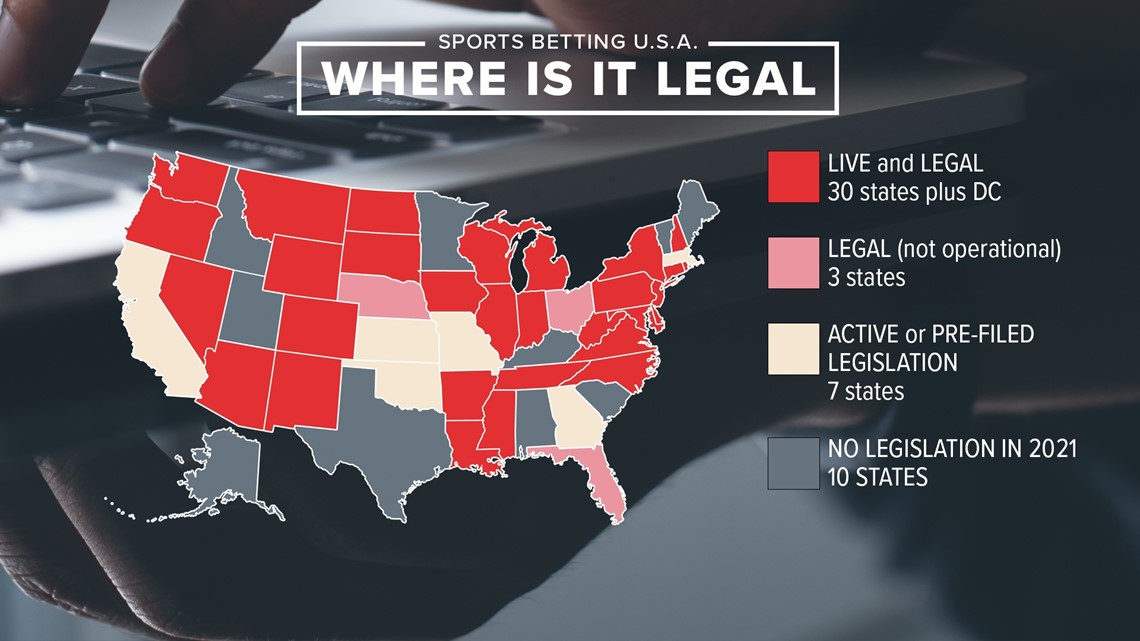
The question of “Is Betting Legal In Texas?” is not a simple yes or no. The answer is nuanced, depending heavily on the specific type of betting in question. Texas law draws a distinction between different forms of wagering, influenced by historical precedent, legislative decisions, and the state’s inherent cultural values. Understanding these distinctions is key to avoiding any legal entanglements and to fully appreciating the entertainment options available, or indeed unavailable, in the state.
Understanding the Legal Framework of Betting in Texas
The legal framework surrounding betting in Texas is largely shaped by its constitution and subsequent legislative actions. Unlike some other states that have embraced widespread casino gambling or sports betting, Texas has taken a more cautious approach. This has resulted in a landscape where the primary forms of legal betting are tied to specific, often regulated, activities.
Horse Racing and Pari-Mutuel Wagering
One of the most established forms of legal betting in Texas is related to horse racing. The state permits pari-mutuel wagering, a system where all bets of a similar type are pooled and paid out at predetermined odds, with a portion of the pool going to the track and the remainder distributed to the winning bettors. This activity is primarily conducted at licensed racetracks.
- Racetrack Operations: Tracks like Lone Star Park at Grand Prairie and Sam Houston Race Park in Houston are the primary venues where Texans can legally place bets on horse races. These facilities offer a traditional racing experience, complete with the excitement of live races and the strategic element of handicapping. The operation of these tracks is subject to strict regulations by the Texas Racing Commission, ensuring a level of oversight and integrity.
- Types of Bets: Bettors at these tracks can typically place a variety of wagers, ranging from simple win, place, and show bets to more complex exotics like trifectas and superfectas. The odds are determined by the collective betting pool, adding an element of dynamic strategy to the wagering.
- Historical Context: The legalization of pari-mutuel betting on horse racing in Texas was a significant step, reflecting a compromise that allowed for a form of regulated gambling without opening the doors to broader casino-style operations. This approach has allowed the state to capture some revenue from this sector while maintaining a generally more conservative stance on gambling.
Greyhound Racing and Simulcast Wagering
Historically, greyhound racing also held a place in Texas for pari-mutuel wagering. However, the landscape for greyhound racing has evolved significantly. While live greyhound racing has largely ceased in Texas, the state does permit simulcast wagering on greyhound races from out-of-state tracks. This means that patrons can still legally bet on greyhound races, but the races themselves are not being held within the state.
- Simulcast Facilities: These bets are often accepted at the same pari-mutuel facilities that host horse racing, or at dedicated off-track betting locations. This allows Texans to participate in a broader range of racing events from across the country.
- Regulatory Oversight: Even with simulcast wagering, the activity remains under the purview of the Texas Racing Commission, which oversees the licensing and operation of facilities that accept these bets.
Charitable Bingo and Raffles
Beyond the realm of animal racing, Texas permits certain forms of charitable gaming, primarily through bingo and raffles. These activities are designed to raise funds for qualified non-profit organizations and are strictly regulated to ensure that proceeds benefit charitable causes.
- Licensed Bingo Halls: Numerous licensed bingo halls operate across the state, offering regular games where participants can wager on bingo cards. These halls are a popular social and fundraising venue for many communities.
- Raffle Regulations: Raffles are also a common fundraising tool, but they are subject to specific rules regarding ticket pricing, prize values, and the types of organizations that can conduct them. The Texas Lottery Commission plays a role in regulating certain aspects of charitable gaming.
- Purpose and Restrictions: The key distinction for these forms of betting is their charitable purpose. Funds generated must be used for the stated charitable mission of the organization, and there are limitations on who can conduct these games and how the proceeds can be distributed. This differentiates them from commercial gambling operations.
What Forms of Betting Are Prohibited in Texas?
While some forms of betting are legal, Texas maintains strict prohibitions on many others, reflecting its conservative stance on gambling. This is a crucial aspect for visitors to understand, as it impacts the availability of certain entertainment options that might be common in other states.
Casino Gambling
Perhaps the most significant absence in the legal betting landscape of Texas is traditional casino gambling. Unlike states such as Nevada or New Jersey, Texas does not have commercial casinos where one can walk in and play slot machines, blackjack, roulette, or craps. This prohibition extends to most forms of table games and slot machines that are typically found in Las Vegas-style casinos.
- Limited Exceptions: There are very limited exceptions, such as tribal casinos operated by federally recognized Native American tribes. The Kickapoo Traditional Tribe of Texas operates the Lucky Eagle Casino in Eagle Pass, which offers electronic games that some might liken to slot machines, but these are operated under federal law governing tribal gaming.
- Impact on Tourism: The absence of widespread casino gambling means that Texas does not attract the same kind of gambling-focused tourism as some other destinations. Instead, its tourism industry leans heavily on its unique culture, natural beauty, and entertainment venues that do not involve traditional casino operations.
Sports Betting
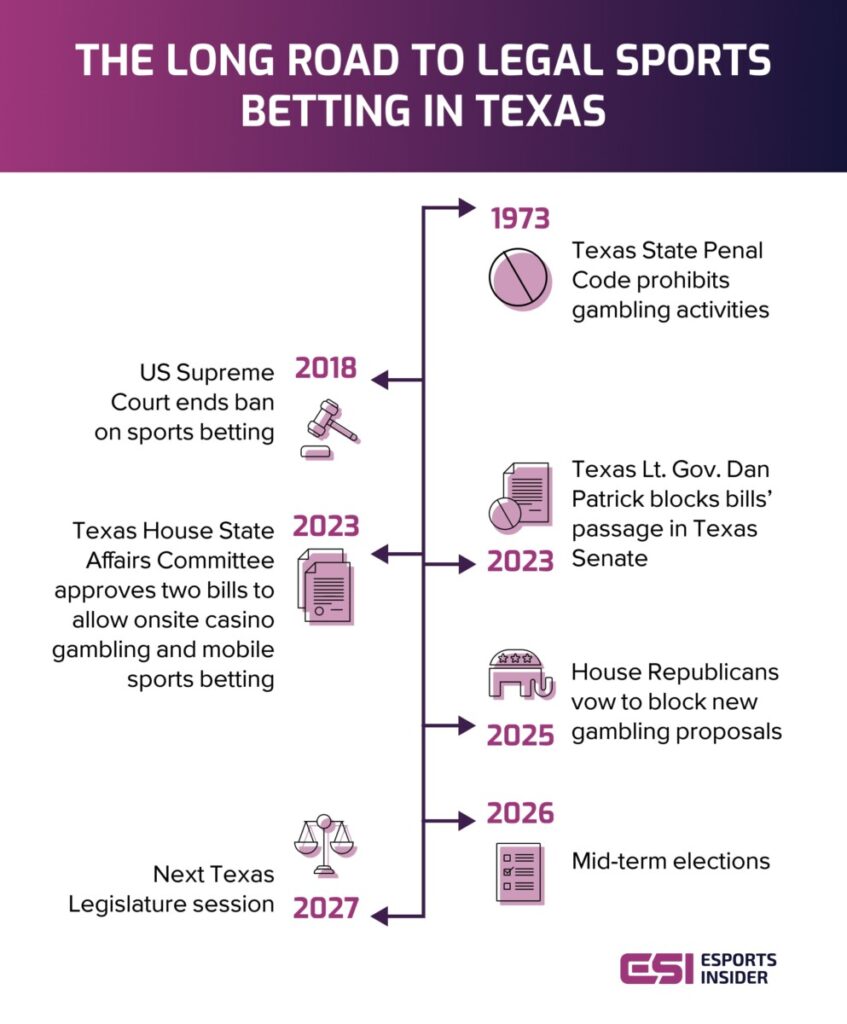
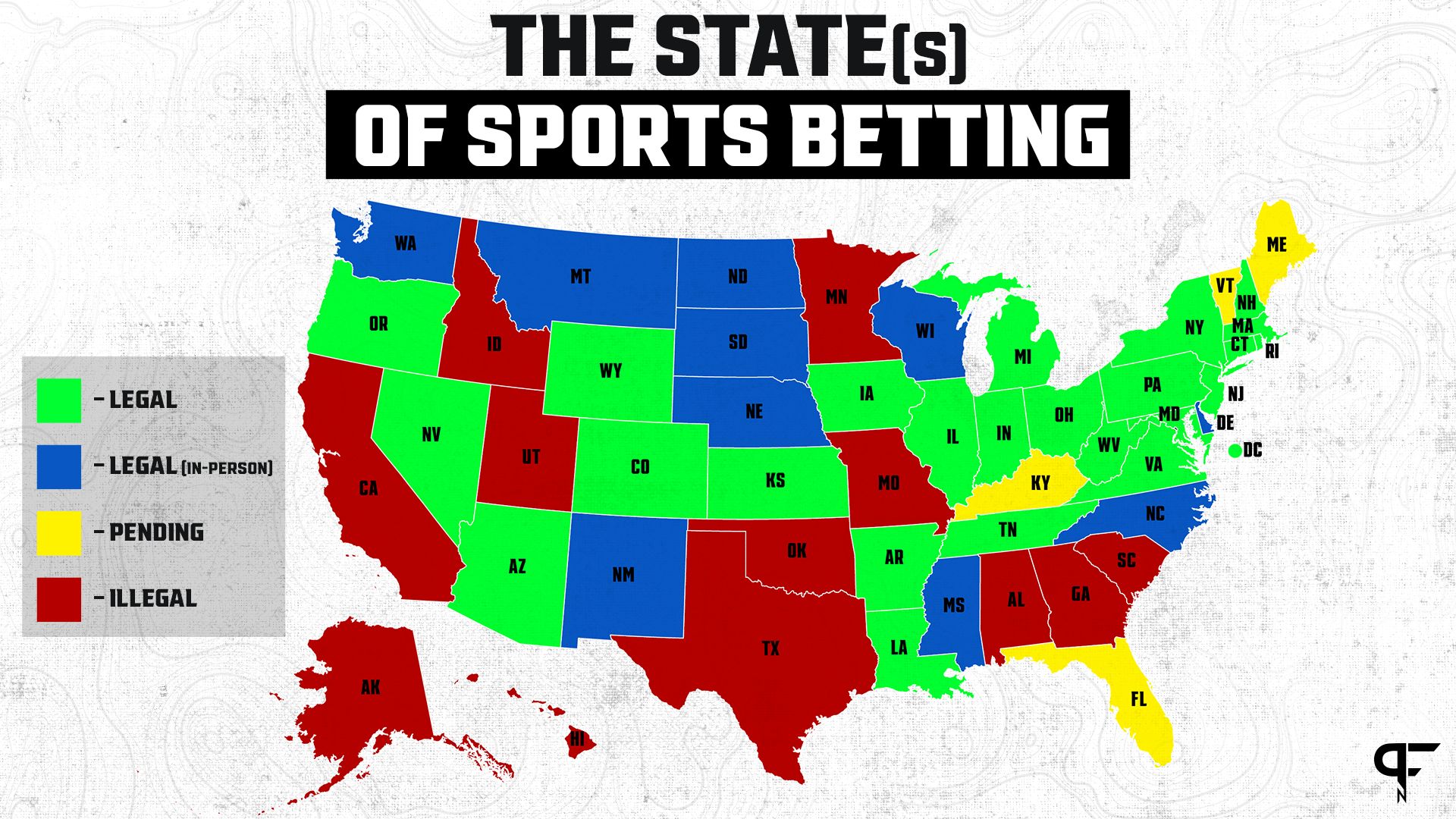
The legality of sports betting in Texas has been a recurring topic of legislative debate for years, but as of now, it remains largely prohibited for individual bettors. While many states have embraced sports betting following the Supreme Court’s decision to overturn the Professional and Amateur Sports Protection Act (PASPA), Texas has yet to pass legislation that would authorize and regulate it statewide.
- Ongoing Discussions: There are continuous discussions and proposals in the Texas legislature to legalize sports betting, often with proposals to allow it at professional sports stadiums or through mobile applications. However, these efforts have not yet resulted in enacted law.
- Horse and Greyhound Racing as the Primary Avenues: For those looking to wager on sporting events in Texas, the legal options are limited to the pari-mutuel betting on horse and greyhound races (via simulcast), which are not typically what one considers “sports betting” in the modern sense.
Online Gambling
Similar to sports betting, most forms of online gambling are illegal in Texas. This includes online casinos, online poker rooms, and offshore online betting sites that are not licensed and regulated by the state.
- Enforcement Challenges: While offshore sites might be accessible, using them carries significant risks, as Texas law does not offer protection to individuals who engage in such activities. The state’s focus is on regulating and permitting only those forms of betting that align with its existing legal framework and societal values.
- Future Possibilities: As technology evolves and public opinion shifts, the possibility of legalizing online gambling in some form may arise in future legislative sessions. However, for the present, it remains largely outside the bounds of the law.
Navigating Legal Betting Options and Responsible Play in Texas
For individuals interested in legal betting activities in Texas, understanding the available options and the importance of responsible play is paramount. While the state’s gambling laws are more restrictive than some, there are still avenues for regulated wagering that can be enjoyed responsibly.
Where to Legally Wager
As outlined, the primary legal venues for betting in Texas are:
- Horse Racetracks: Facilities like Lone Star Park and Sam Houston Race Park offer pari-mutuel wagering on live and simulcast horse races. These offer a classic racing experience and are regulated by the state.
- Simulcast Wagering Facilities: These locations allow betting on greyhound and horse races from other states.
- Licensed Charitable Bingo Halls and Raffle Organizers: These are focused on fundraising for non-profit organizations and operate under specific state regulations.
The Importance of Responsible Gambling
Regardless of where one chooses to engage in legal betting activities, the principles of responsible gambling are essential. Betting should be viewed as a form of entertainment, not as a way to make money or solve financial problems.
- Set Limits: It is crucial to set clear financial and time limits before engaging in any betting activity. Only wager what you can afford to lose.
- Gamble with a Clear Mind: Avoid gambling when you are stressed, upset, or under the influence of alcohol or drugs.
- Understand the Odds: Be aware of the odds and the house edge. Gambling games are designed so that, over time, the house will win.
- Seek Help if Needed: If you or someone you know is struggling with gambling addiction, there are resources available. The Texas Department of Health and Human Services offers information and support for problem gambling, and organizations like Gamblers Anonymous provide assistance.
Future Outlook on Betting in Texas
The legal landscape of betting in Texas is not static. Legislative sessions frequently see proposals to expand gambling, particularly concerning sports betting and potentially casino gaming. The economic arguments for increased tax revenue and job creation are often at the forefront of these discussions. However, the state’s deeply ingrained conservative values and strong opposition from certain groups mean that any significant changes to gambling laws are likely to be hard-fought and debated extensively.
For now, visitors and residents of Texas can enjoy the legal forms of betting that are available, always with a focus on responsible engagement and an understanding of the state’s specific regulations. Whether planning a visit to a Houston hotel and considering a trip to Sam Houston Race Park, or simply curious about the laws, clarity on this topic is key to a smooth and enjoyable experience in the Lone Star State.
LifeOutOfTheBox is a participant in the Amazon Services LLC Associates Program, an affiliate advertising program designed to provide a means for sites to earn advertising fees by advertising and linking to Amazon.com. Amazon, the Amazon logo, AmazonSupply, and the AmazonSupply logo are trademarks of Amazon.com, Inc. or its affiliates. As an Amazon Associate we earn affiliate commissions from qualifying purchases.