
For families considering a move to the Lone Star State, or those planning an extended stay in cities like Houston, Dallas, or Austin, understanding the local legal and social landscape is paramount. Among the many considerations, questions often arise regarding educational practices and disciplinary norms, particularly concerning corporal punishment. This topic, while often debated nationally, has specific legal contours within Texas that directly impact family life and children’s experiences in both public and private settings. Navigating these nuances is an essential part of adapting to the lifestyle of the state, ensuring peace of mind, and making informed decisions for your household.

This comprehensive guide delves into the legality of corporal punishment in Texas, exploring its application in schools and homes, the rights of parents and students, and the boundaries that define acceptable discipline versus abuse. Our aim is to provide an insightful, professional overview for anyone seeking clarity on this significant aspect of Texas law, framing it within the broader context of lifestyle choices and community engagement.
Understanding the Legal Landscape in Texas
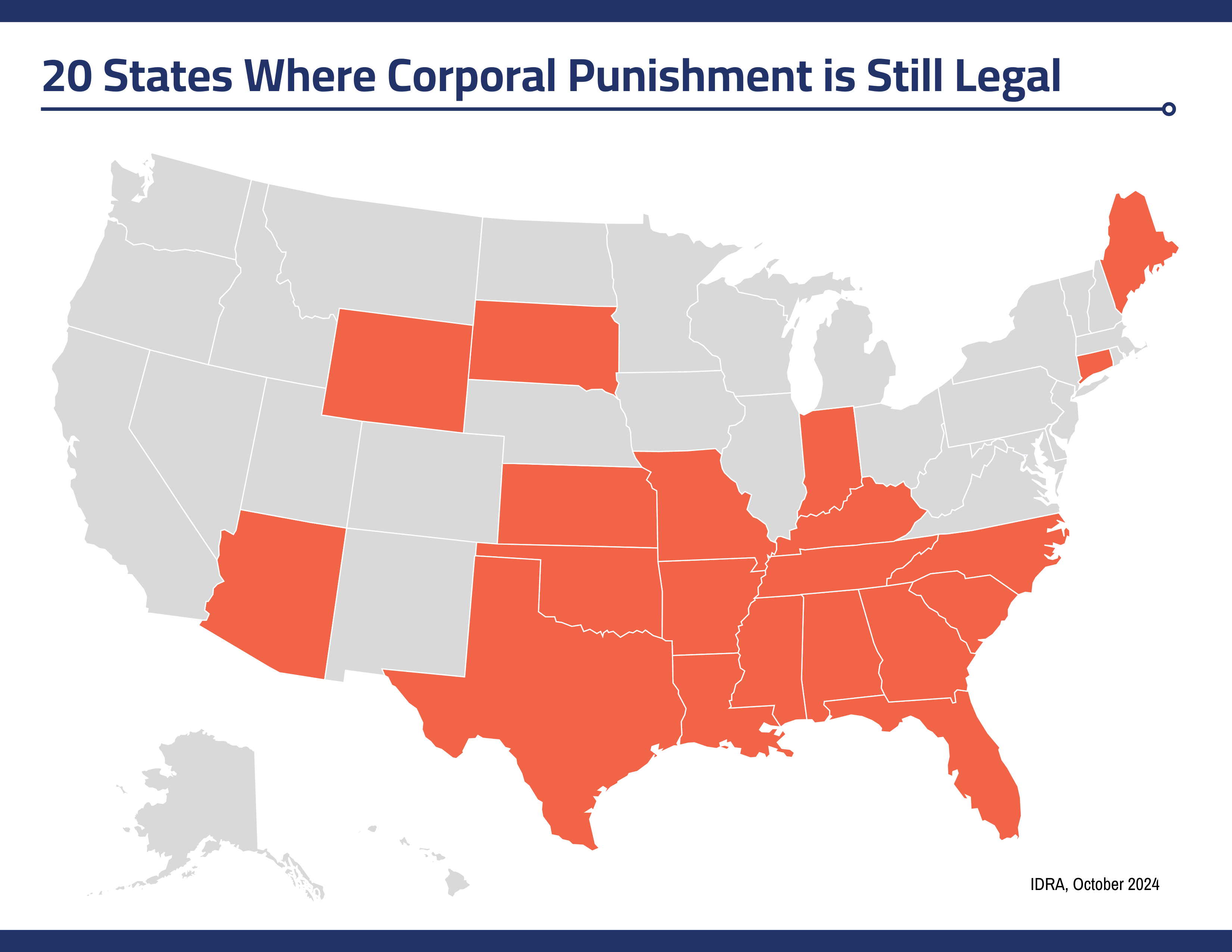
The question of corporal punishment in Texas is not a simple yes or no; it involves a nuanced understanding of state and federal precedents, as well as distinct applications across different environments. As a jurisdiction that often upholds traditional views on parental and institutional authority, Texas maintains a legal stance that permits certain forms of physical discipline under specific conditions. This framework is crucial for anyone engaging with the state’s educational system or raising a family within its borders.
The Definition of Corporal Punishment Under Texas Law
In Texas, corporal punishment generally refers to the use of physical force to discipline a child. This can include spanking, paddling, or other physical actions intended to inflict pain, but not injury, for the purpose of correcting behavior. The key distinction in legal terms is usually the intent and the outcome: discipline is permissible, while harm or abuse is not. While specific definitions may vary slightly between statutes, the underlying principle focuses on the moderate application of force as a disciplinary tool. For instance, the Texas Education Code does not explicitly define “corporal punishment” but rather regulates its application, implying a common understanding of the term. This legal ambiguity can sometimes lead to varying interpretations and practices across different school districts and individual households.
Historical Context and Evolution of Statutes
The legality of corporal punishment in the United States has a long and complex history, deeply rooted in common law principles that recognized a parent’s right to discipline their child. In 1977, the U.S. Supreme Court case of Ingraham v. Wright affirmed the right of schools to use corporal punishment, ruling that the Eighth Amendment’s prohibition against cruel and unusual punishment did not apply to disciplinary actions in public schools. This landmark decision left the regulation of corporal punishment largely to individual states, and Texas has historically chosen to allow it.
Over the decades, while many states have banned or severely restricted its use, Texas has maintained its legality, albeit with legislative efforts to provide oversight and establish parental rights. The evolution of Texas statutes reflects a balancing act between traditional disciplinary approaches and increasing awareness of child welfare and evolving pedagogical methods. Understanding this historical context provides insight into why the practice persists legally in the state today, shaping a particular aspect of the local lifestyle for families.
Distinction Between Public and Private Schools
A critical distinction in Texas law concerns the application of corporal punishment in public versus private educational settings. While the state permits corporal punishment in public schools, it also provides specific mechanisms for parental involvement and dissent. Private schools, however, operate under a different regulatory framework. Generally, private institutions have greater autonomy in establishing their disciplinary policies, as long as they do not violate broader child protection laws. This means that a private school’s stance on corporal punishment is often determined by its own governing board and philosophical approach, rather than directly by state education codes. For families choosing between public and private education in Texas, this distinction is a significant factor in their lifestyle decisions and an essential point of inquiry during the school selection process.
Corporal Punishment in Public Schools
For families new to Texas or those navigating its extensive public school system, understanding the specifics of corporal punishment policies is vital. While permitted by state law, its implementation is not uniform across all districts and comes with specific provisions designed to protect students and involve parents. This section explores the practical aspects of corporal punishment within Texas public schools, providing clarity on what families can expect and their rights within this system.
School Board Authority and Policy Implementation
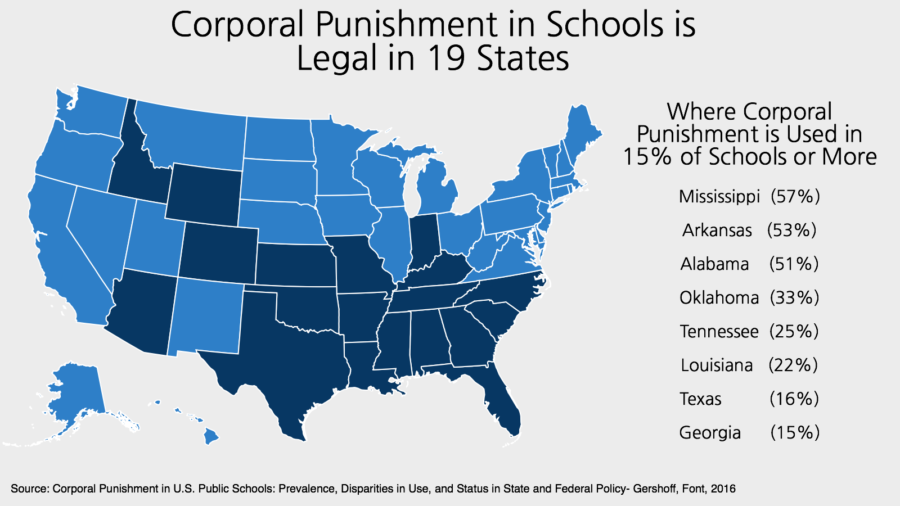
Under the Texas Education Code, each local school district board of trustees has the authority to decide whether to permit or prohibit corporal punishment within its schools. This means that while corporal punishment is legal at the state level, its actual practice varies significantly from one district to another. Many large urban districts, for example, have opted to ban corporal punishment, while it remains a practice in some rural or smaller districts.
If a school district chooses to allow corporal punishment, it must adopt a written policy outlining the conditions and procedures for its use. These policies typically specify who may administer punishment, under what circumstances, and often dictate the type of instrument (e.g., a paddle) and the number of strokes. It is the responsibility of school administrators to ensure that any application of corporal punishment adheres strictly to these established district policies, providing a degree of oversight and accountability. For families, researching specific district policies is a crucial step in understanding the educational environment their children will enter.
Parental Rights and Opt-Out Provisions
One of the most significant aspects of corporal punishment in Texas public schools is the provision for parental involvement. State law grants parents the right to provide written permission for their child to be exempt from corporal punishment. If a parent submits a written statement to the school principal or appropriate administrator indicating their desire for their child not to be subjected to corporal punishment, the school district must honor that request. This “opt-out” provision ensures that parents have the ultimate authority over this disciplinary method for their own children within the public school system.
This right provides a critical safeguard for families who oppose corporal punishment on principle or for personal reasons. It is advisable for new residents or those enrolling children in Texas schools to familiarize themselves with this provision and to submit a written request if they wish to opt out. This proactive step helps align school discipline practices with a family’s lifestyle values and preferences.
Limitations and Prohibited Practices
Even in districts where corporal punishment is permitted, there are clear limitations and prohibited practices designed to prevent abuse and ensure a degree of safety. Corporal punishment must always be administered by a certified educator or administrator and cannot be carried out in the presence of other students, typically requiring a witness. The punishment should also be reasonable in force and duration, commensurate with the child’s age, size, and the severity of the offense.
Moreover, certain forms of discipline are always prohibited, regardless of district policy. Any physical action that results in injury, severe pain, or humiliation is generally considered beyond the scope of permissible corporal punishment and can lead to legal consequences for the adult involved. This includes striking a child on the head or face, or using instruments that could cause lasting harm. The distinction between permissible discipline and child abuse is a critical legal boundary, and school personnel are expected to be fully aware of these limitations. Concerns about excessive or inappropriate physical discipline should always be reported to school authorities or, if necessary, to child protective services.
Corporal Punishment in Private Schools and Homes
While public schools in Texas operate under the Texas Education Code, private schools and the home environment have different, though related, legal frameworks concerning corporal punishment. These distinctions are vital for families making educational decisions or simply understanding the broader legal context of child-rearing in the state. The choice of schooling and the practices within one’s own home significantly shape a family’s lifestyle in Texas.
Discretion of Private Educational Institutions
Unlike public schools, private schools in Texas are largely independent in establishing their own disciplinary policies. They are not directly subject to the provisions of the Texas Education Code that govern corporal punishment in public schools. This means that a private school’s decision to permit or prohibit corporal punishment is typically outlined in its admissions contract, student handbook, or policy documents.
Families enrolling children in private schools should carefully review these policies, as there is no state-mandated opt-out provision for private school corporal punishment. If a private school’s policy allows for corporal punishment, and a family signs an enrollment contract, they are generally agreeing to abide by those disciplinary rules. Therefore, thorough due diligence and direct communication with private school administrators about their disciplinary philosophy are crucial steps for parents when considering private education in Texas. This allows families to ensure the school’s approach aligns with their values and expectations for their children’s educational lifestyle.
Parental Disciplinary Rights at Home
Within the confines of their own home, parents in Texas generally retain broad rights to discipline their children, which includes the use of corporal punishment. This right is largely upheld by state law, reflecting the societal value placed on parental authority in child-rearing. As long as the physical discipline is reasonable, moderate, and does not result in injury, it is legally permissible. The law aims to protect children from abuse while allowing parents the discretion to employ various disciplinary methods they deem appropriate for their family’s lifestyle and values.
However, these parental rights are not absolute. The state intervenes when discipline crosses the line into abuse. The legal standard often involves whether the force used created a substantial risk of injury or actually caused injury. This means that while a parent can spank a child, they cannot inflict severe bruises, broken bones, or emotional trauma through excessive physical force. Understanding this boundary is crucial for all parents in Texas to ensure their disciplinary practices remain within legal limits.
When Discipline Becomes Child Abuse: Legal Boundaries
The legal line between permissible corporal punishment and illegal child abuse is a critical one in Texas. State law, through agencies like Child Protective Services (CPS), is designed to protect children from harm. Child abuse is defined broadly to include physical injury that is not accidental, or that could not reasonably be explained, and that causes harm to a child. This includes severe or repeated physical violence, injury to vulnerable areas (like the head or face), or the use of objects that could cause severe harm.
If physical discipline results in injuries such as significant bruising, welts, cuts, fractures, or internal injuries, it would likely be investigated as child abuse. The intent to discipline does not excuse actual harm. Professionals, including doctors, teachers, and law enforcement, are mandated reporters in Texas, meaning they are legally required to report suspected child abuse to authorities. For families, being aware of these boundaries is not only a legal necessity but also a fundamental aspect of ensuring a safe and nurturing home environment, aligning with a responsible family lifestyle.
Implications for Families and Relocating Individuals
For anyone considering a move to Texas or navigating life within its diverse communities, understanding the state’s stance on corporal punishment is more than just a legal formality; it’s a practical consideration that impacts daily life, educational choices, and parental peace of mind. This knowledge is an integral part of successfully integrating into the Texas lifestyle, particularly for those with children.
Navigating Educational Choices in Texas
The variations in corporal punishment policies between public school districts and private institutions in Texas necessitate careful consideration for parents. When researching schools, it is advisable to inquire directly about their disciplinary policies. For public schools, parents can confirm if a district permits corporal punishment and, if so, understand the process for exercising their opt-out rights. For private schools, reviewing handbooks and discussing disciplinary philosophies during tours or interviews is paramount.
This proactive approach ensures that the educational environment chosen for your children aligns with your family’s values regarding discipline. It impacts not only the child’s experience but also the parents’ comfort level with the school system, making it a key factor in shaping the family’s lifestyle and community engagement in Texas. Making informed decisions about schooling is one of the most significant lifestyle choices a family makes when relocating.
Awareness for New Residents and Visitors
Beyond formal schooling, new residents and long-term visitors to Texas should be aware of the general societal context surrounding child discipline. While personal practices in the home are generally private, understanding community norms and legal boundaries is crucial. This awareness extends to interactions with childcare providers, community organizations, and even casual conversations with neighbors. Familiarity with Texas law regarding child discipline helps prevent misunderstandings and ensures that all interactions are respectful of local legal frameworks and cultural expectations.
For those simply visiting, particularly with children, knowledge of these laws might be less immediately critical but still insightful for understanding the local lifestyle. Awareness fosters a more informed and harmonious experience within the state, allowing visitors to appreciate the cultural nuances without inadvertently encountering issues related to differing disciplinary views.
Resources for Further Information and Support
For families seeking more detailed information or support regarding child discipline, child welfare, or educational policies in Texas, several resources are available. The Texas Education Agency (TEA) website provides information on state education laws and guidance for school districts. Local school district websites offer specific policy documents. For matters concerning child protection, Child Protective Services (CPS) provides information on reporting abuse and understanding legal boundaries. Additionally, organizations such as the American Academy of Pediatrics (AAP) offer resources and guidance on positive disciplinary methods, advocating against corporal punishment due to potential negative impacts on child development. Consulting legal counsel specializing in education or family law can also provide personalized advice and ensure families are fully informed of their rights and responsibilities in Texas.
In conclusion, while the question “Is corporal punishment legal in Texas?” can be answered with a qualified “yes,” the practical implications are complex and varied. For families living in or moving to Texas, understanding these nuances is essential for making informed choices about education, safeguarding children’s well-being, and navigating the social and legal landscape of the state. This comprehensive understanding is a vital component of adapting to and thriving within the Texas lifestyle.
LifeOutOfTheBox is a participant in the Amazon Services LLC Associates Program, an affiliate advertising program designed to provide a means for sites to earn advertising fees by advertising and linking to Amazon.com. Amazon, the Amazon logo, AmazonSupply, and the AmazonSupply logo are trademarks of Amazon.com, Inc. or its affiliates. As an Amazon Associate we earn affiliate commissions from qualifying purchases.