
While the title of this article might seem to deviate from the typical focus of lifeoutofthebox.com – our passion for exploring the world, uncovering hidden gems in Texas and beyond, and sharing tips for unforgettable travel experiences, hotel recommendations, and tourism insights – there are moments when practical considerations, especially those concerning health and safety during your journeys, become paramount. Understanding the legal landscape of medications you might need, or even encounter, in a specific destination is a crucial part of responsible and stress-free travel. Therefore, we’re taking a brief detour to address a question that may arise for some travelers venturing into the Lone Star State: the status of gabapentin.
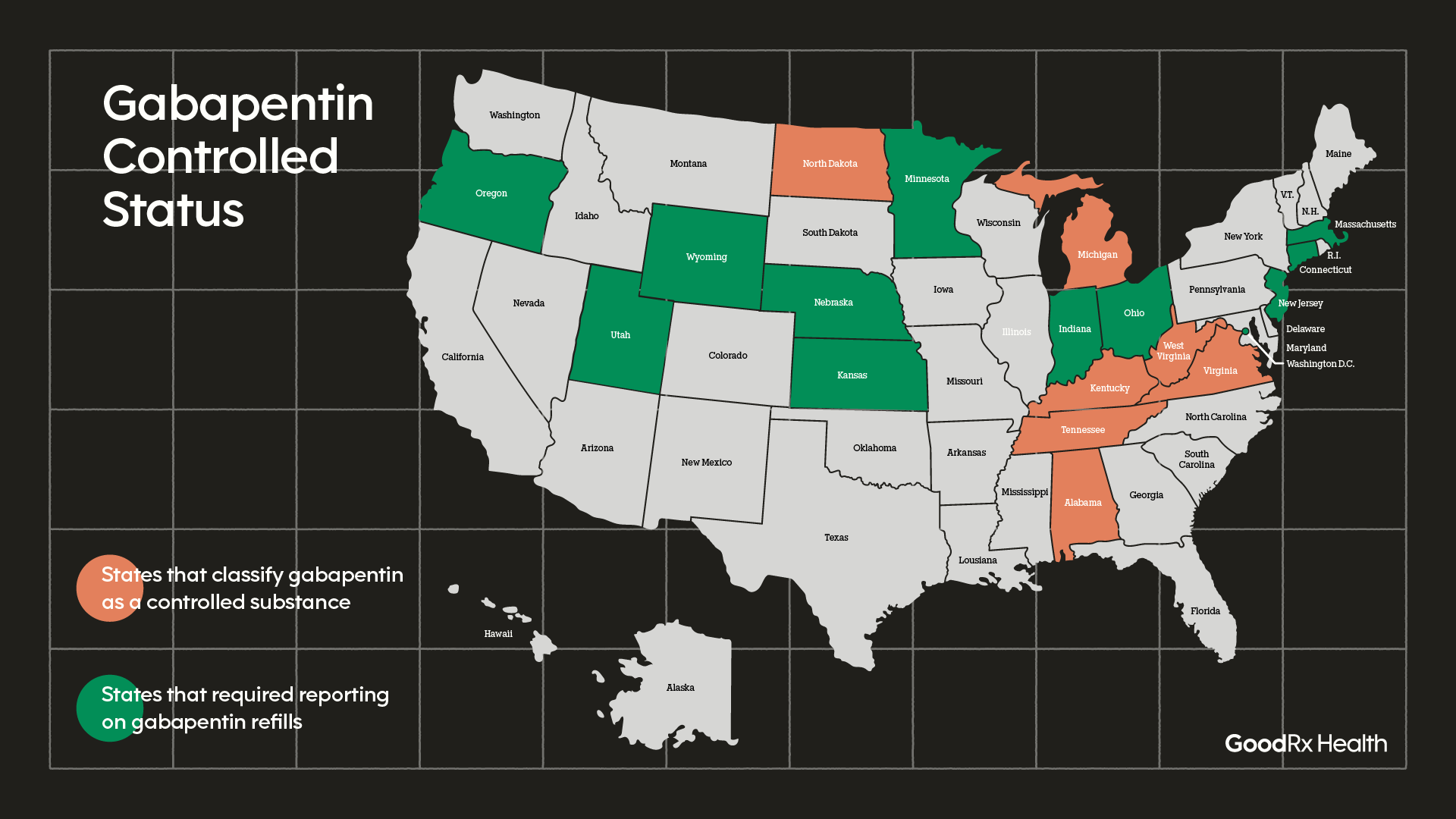
The inquiry “Is Gabapentin a Controlled Substance in Texas?” is a pertinent one, particularly for individuals who rely on this medication for various medical conditions or for those who might be concerned about carrying it across state lines. This article aims to provide clarity on the current regulations surrounding gabapentin in Texas, drawing on official information and common understanding, to help you navigate your travels with confidence.
Understanding Gabapentin and Its Classification
Before delving into the specifics of Texas law, it’s essential to understand what gabapentin is and why its classification as a controlled substance might be a point of concern. Gabapentin is primarily known as an anticonvulsant and analgesic medication. It is commonly prescribed to treat epilepsy (seizures) and neuropathic pain, such as that caused by shingles or diabetes. It is also used off-label for a range of other conditions, including anxiety, restless legs syndrome, and alcohol withdrawal.
The term “controlled substance” refers to drugs or chemicals whose possession, manufacture, and distribution are regulated by the government. These regulations are in place due to a drug’s potential for abuse, addiction, or harm. Controlled substances are categorized into different “schedules” (e.g., Schedule I, II, III, IV, V) based on their accepted medical use and potential for abuse. Higher-numbered schedules generally indicate a lower potential for abuse.
The confusion surrounding gabapentin often stems from its therapeutic benefits and its occasional misuse or abuse. While not a narcotic or a benzodiazepine, gabapentin has been identified as a drug of concern by various health organizations due to the increasing reports of its recreational use, often in combination with other substances to enhance their effects. This has led some states to re-evaluate its legal status.
Gabapentin’s Evolving Regulatory Landscape
The classification of medications can evolve as more data becomes available regarding their use, misuse, and impact. Gabapentin has been a subject of discussion and review by regulatory bodies for several years. In some jurisdictions, it has been moved to a more restricted category, leading to increased scrutiny.
Historically, gabapentin was not considered a controlled substance in the same vein as opioids or stimulants. However, this perception has shifted. The U.S. Drug Enforcement Administration (DEA) has acknowledged the increasing trend of gabapentin abuse and diversion. This recognition has prompted some states to take legislative action to address these concerns.
It’s important to note that the federal classification of a drug does not always align perfectly with the individual laws of each state. States have the authority to enact their own regulations regarding controlled substances, which can be more stringent than federal guidelines. This is precisely why a question specific to Texas is so relevant.
Gabapentin in Texas: The Current Status
Addressing the core question directly: As of the latest information, gabapentin is NOT classified as a controlled substance in Texas under federal law or by the Texas Controlled Substances Act. This means it is not listed on the state’s schedules of controlled substances, which range from Schedule I to Schedule V.

This classification means that while gabapentin is a prescription medication that requires a doctor’s order, it does not carry the same legal restrictions as substances like opioids, benzodiazepines, or stimulants. You can legally possess gabapentin in Texas if you have a valid prescription from a licensed healthcare provider.
However, this does not mean there are no regulations or considerations for gabapentin in Texas. The state has implemented specific measures to monitor the prescription and dispensing of gabapentin, reflecting the growing concerns about its misuse.
Prescription Monitoring Program (PMP) and Gabapentin
Texas operates a Prescription Drug Monitoring Program (PDMP), often referred to as the Texas Prescription Drug Monitoring Program (TX-PDMP). While gabapentin itself is not a scheduled controlled substance, the TX-PDMP plays a role in its oversight.
Starting in March 2020, Texas began requiring the reporting of gabapentin prescriptions to the PDMP. This move was made to help identify potential drug-seeking behavior and to ensure that patients are not obtaining excessive amounts of gabapentin from multiple prescribers. This reporting requirement applies to all dispensers of gabapentin in Texas.
What does this mean for you as a traveler?
- Valid Prescription is Key: If you are traveling to Texas and need to bring gabapentin with you, you must have a valid prescription from your doctor. It is always advisable to carry your medication in its original prescription bottle with the pharmacy label intact. This clearly identifies the medication and its prescription details.
- Traveling with Medication: While Texas does not have specific laws prohibiting the possession of prescribed gabapentin, adhering to general travel guidelines for prescription medications is crucial. This includes keeping your medication in its original packaging, carrying a copy of your prescription, and being aware of TSA regulations if flying.
- Potential for Scrutiny: Although not a controlled substance, the increased monitoring through the PDMP means that patterns of high-volume gabapentin prescriptions can be flagged. This is primarily for the protection of patients and to prevent diversion, rather than to criminalize legitimate use.

What This Means for Travelers and Visitors
For individuals planning a trip to Texas, whether for a relaxing stay at a resort in the Hill Country, exploring the vibrant culture of Austin, or enjoying the Gulf Coast attractions, understanding the legal status of necessary medications is a fundamental aspect of preparation.
Here are some practical tips for travelers regarding gabapentin and visiting Texas:
- Consult Your Doctor: Before your trip, discuss your travel plans with your prescribing physician. They can advise you on carrying your medication and ensure you have adequate supply for your stay. They can also provide documentation, such as a letter, explaining your need for the medication, which can be helpful if questioned.
- Keep it Legal and Labeled: Always travel with your prescription medications in their original, clearly labeled containers. This is a universal recommendation for air travel and for crossing state lines. For gabapentin, this means the bottle from your pharmacy with your name, the medication name, dosage, and the prescribing physician’s information.
- Carry Your Prescription: While not strictly mandatory for non-controlled substances, carrying a copy of your current prescription or a note from your doctor is a good precautionary measure. This can help in situations where proof of legitimate use is needed.
- Be Aware of State-Specific Laws: While gabapentin is not a controlled substance in Texas, regulations can differ in other states or countries. If your travel plans involve multiple destinations, research the laws of each location. For instance, some states have moved gabapentin to a controlled or monitored status.
- Avoid Possessing Unprescribed Gabapentin: Attempting to bring or acquire gabapentin in Texas without a valid prescription is illegal and can have serious consequences. This applies to both residents and visitors. The focus of this article is on individuals with a legitimate medical need and a prescription.
- Focus on Your Travel Experience: By understanding the nuances of medication laws, you can alleviate potential anxieties and fully immerse yourself in the rich tourism offerings of Texas. Imagine exploring the historic missions in San Antonio, enjoying the culinary scene in Houston, or marveling at the natural beauty of Big Bend National Park – all without unnecessary worries about your health needs.
In summary, while the question about gabapentin being a controlled substance in Texas is valid due to its evolving regulatory landscape nationwide, the answer for now is no. It is a prescription-only medication and is monitored through the state’s PDMP, but it does not fall under the Texas Controlled Substances Act. This clarity allows travelers to plan their trips to the Lone Star State with greater peace of mind, ensuring their health needs are met responsibly and legally.
Remember, responsible travel involves not only exploring new horizons but also understanding and respecting the local regulations of your destination. We hope this information contributes to a safer and more enjoyable experience for all our readers venturing into Texas.
LifeOutOfTheBox is a participant in the Amazon Services LLC Associates Program, an affiliate advertising program designed to provide a means for sites to earn advertising fees by advertising and linking to Amazon.com. Amazon, the Amazon logo, AmazonSupply, and the AmazonSupply logo are trademarks of Amazon.com, Inc. or its affiliates. As an Amazon Associate we earn affiliate commissions from qualifying purchases.