
The allure of the Lone Star State is undeniable. From the vibrant energy of Austin to the historic charm of San Antonio, and the sprawling ranches to the bustling metropolises, Texas offers a unique blend of culture, adventure, and lifestyle that draws millions of visitors and new residents each year. Whether you’re planning a dream vacation, seeking a new place to call home, or simply curious about its legal landscape, understanding the nuances of Texas is key. This includes delving into the fascinating question of common law marriage, a concept that can significantly impact personal and legal matters.
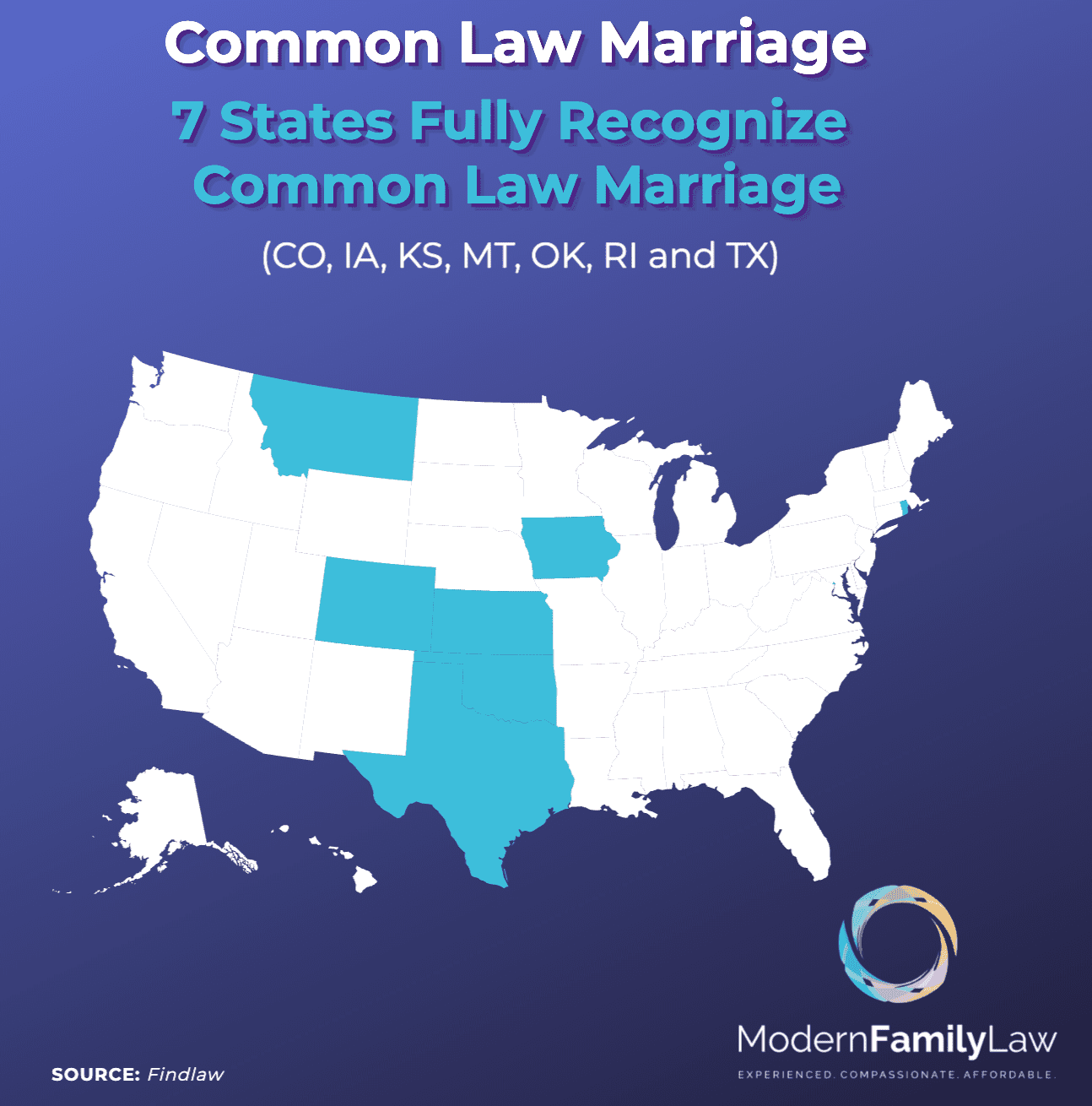
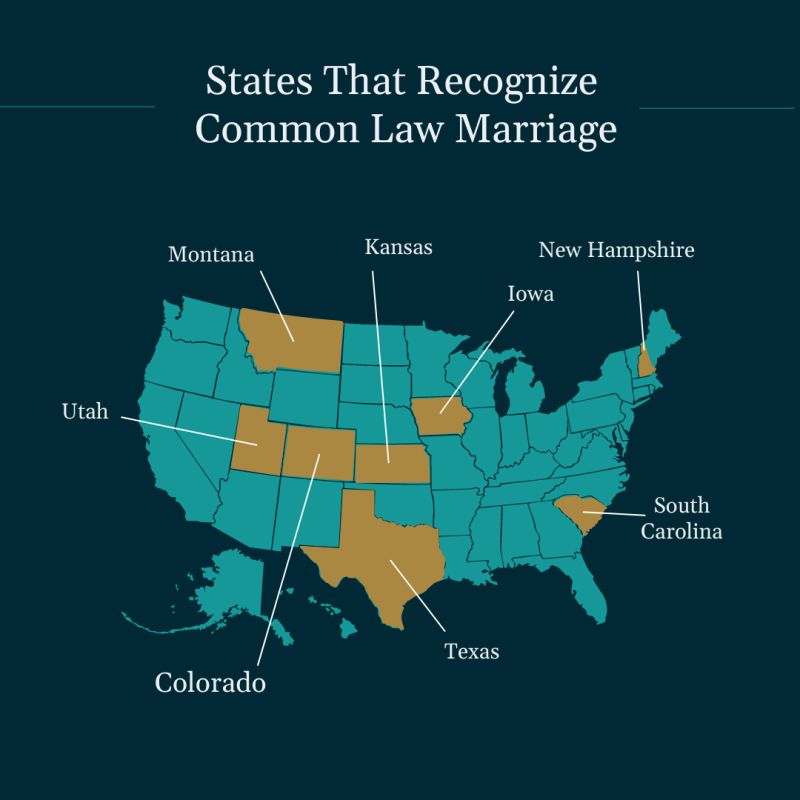
When considering Texas as a destination for romance or as a place to build a life, the possibility of common law marriage is a significant consideration. Many couples find themselves drawn to the state’s welcoming atmosphere and its relaxed approach to various aspects of life. This naturally leads to inquiries about legal unions formed without a formal ceremony. Texas does indeed recognize common law marriage, a legal status that can be as binding as a traditional marriage. This recognition is not unique to Texas; several other U.S. states and even some jurisdictions globally acknowledge this form of marital union. However, the specific requirements and implications can vary, making it crucial to understand the framework within Texas.
For travelers and potential residents alike, grasping the concept of common law marriage in Texas is more than just a legal curiosity; it can have practical implications for a range of matters, from property division in case of separation to inheritance rights and benefits. This article aims to provide a comprehensive overview of common law marriage in Texas, exploring its establishment, requirements, and dissolution, all within the context of the rich and diverse experiences this state offers.
Understanding Common Law Marriage in Texas
Common law marriage, also known by the less formal term “informal marriage,” allows couples to be legally married without obtaining a marriage license or having a formal wedding ceremony. This legal recognition is rooted in the principle that a committed relationship, demonstrated through specific actions and intentions, should be afforded the same legal standing as a ceremonially married couple. In Texas, for a common law marriage to be valid, three essential elements must be met simultaneously. These elements are not merely suggestive; they are absolute requirements that must be proven to establish the existence of an informal marriage.
The Three Pillars of Texas Common Law Marriage
To establish a common law marriage in Texas, a couple must demonstrate that they have met all of the following criteria:
-
Agreement to be Married: Both parties must have a present intent and agreement to be married. This isn’t about planning a future wedding; it’s about a current, mutual understanding that they are, as of that moment, husband and wife. This agreement can be spoken or implied through actions, but it must be a genuine and shared commitment to be married. For instance, if one party believes they are married and the other does not, or if they only intend to marry at some point in the future, this element is not met. The agreement must be mutual and immediate.
-
Living Together in Texas: Following the agreement to be married, the couple must live together in Texas as husband and wife. The term “cohabitation” is key here. Simply residing in the same household is not enough; they must present themselves to the public as a married couple. This aspect of the requirement underscores the importance of outward appearances and how the couple portrays their relationship to the community. It signifies a shared life and a commitment that extends beyond their private sphere.
-
Holding Out to Others: The couple must represent themselves to others as being married. This “holding out” element is crucial for establishing the legitimacy of the common law marriage in the eyes of the law and the community. This can manifest in various ways. For example, they might use the same last name, refer to each other as “my husband” or “my wife” in public or among friends and family, file joint tax returns (though this alone is not sufficient proof), or introduce each other as their spouse. The critical factor is the consistent and public portrayal of their marital status. This element provides objective evidence of the couple’s intent and agreement to be married.
It is vital to emphasize that all three elements must exist concurrently. If an agreement to be married exists but the couple does not live together in Texas, or if they live together but never agreed to be married, a common law marriage will not be established. The burden of proof lies with the party asserting the existence of the common law marriage. This means that if a dispute arises, the individual claiming to be married under common law must provide sufficient evidence to convince a court that all three statutory requirements were met.
Practical Implications and Legal Considerations
The recognition of common law marriage in Texas has significant practical implications for couples, touching upon various aspects of their lives, from financial matters to personal rights. Understanding these implications is crucial for anyone considering or already involved in a common law marital relationship. This form of marriage is not a lesser version of a traditional marriage; it carries the same legal weight and responsibilities.
Rights and Responsibilities of Common Law Spouses
Once a common law marriage is legally established in Texas, the spouses are entitled to the same rights and are subject to the same responsibilities as those in a ceremonial marriage. This includes:
-
Property Rights: In the event of a divorce, property acquired during the common law marriage is subject to division as community property, just as it would be in a ceremonial marriage. This means that assets and debts accumulated by either spouse during the marriage are generally considered jointly owned and are subject to equitable distribution by the court. This can include real estate, bank accounts, vehicles, and even business interests.
-
Inheritance Rights: A surviving common law spouse has the same inheritance rights as a spouse in a ceremonial marriage. This means that if one spouse dies without a will (intestate), the surviving common law spouse may be entitled to a portion of the deceased spouse’s estate. This is a critical aspect for estate planning and ensuring loved ones are provided for.
-
Benefits and Entitlements: Common law spouses may be eligible for certain benefits, such as health insurance coverage through an employer, Social Security benefits, or spousal support in cases of disability or death, depending on the specific circumstances and the policies of the relevant institutions.
-
Testimonial Privilege: Like legally married couples, common law spouses generally cannot be compelled to testify against each other in criminal proceedings, although there are exceptions to this rule.
-
Parental Rights and Responsibilities: The legal parentage of children born during a common law marriage is established similarly to that of children born during a ceremonial marriage. Both common law spouses are considered legal parents and share the rights and responsibilities associated with child-rearing, including financial support and custody decisions.
It is important to note that a common law marriage can only be terminated through a formal divorce proceeding, just like a ceremonial marriage. A couple cannot simply decide their common law marriage is over without going through the legal process. This process involves filing for divorce, dividing property, and addressing any issues related to child custody and support.
Proving a Common Law Marriage
The most significant challenge for couples involved in common law marriages often lies in proving its existence, especially when a dispute arises or when seeking to enforce rights. Since there is no marriage license or certificate, the burden of proof rests on demonstrating the fulfillment of the three core elements: agreement, cohabitation, and holding out. Evidence can include:
-
Witness Testimony: Testimony from friends, family members, neighbors, or colleagues who can attest to the couple’s agreement to be married and their public representation of themselves as spouses.
-
Documents: Joint bank accounts, joint leases or mortgages, insurance policies listing the partner as a spouse, joint tax returns, and any other documents that indicate a marital relationship. However, as mentioned, these documents alone are often insufficient.
-
Affidavits: Written statements sworn under oath by the individuals themselves or by third parties.
-
Behavioral Evidence: Consistent behavior that indicates a marital relationship, such as sharing finances, caring for each other during illness, or making significant life decisions together.
For couples contemplating or currently in a common law marriage in Texas, it is highly advisable to seek legal counsel. An experienced family law attorney can provide guidance on establishing proof of marriage, navigating potential disputes, and understanding specific rights and obligations. This is particularly important if the couple plans to travel extensively, move to another state, or engage in significant financial transactions, as the recognition of common law marriage can differ across jurisdictions.
Common Law Marriage in the Context of Travel and Lifestyle
Texas is a state that thrives on its diverse attractions and vibrant lifestyle, drawing visitors and residents from all corners of the globe. From the iconic Alamo in San Antonio to the vast ranches of West Texas, and the energetic music scene of Austin, the state offers experiences that cater to every taste and budget. When considering Texas as a destination for a romantic getaway, a wedding, or even a long-term stay, understanding the nuances of its legal framework, including common law marriage, becomes an integral part of planning.
Romantic Getaways and Spontaneous Unions
Imagine a couple deeply in love, perhaps on a spontaneous road trip through the scenic beauty of the Texas Hill Country. They might find themselves in a charming bed and breakfast in Fredericksburg, surrounded by picturesque vineyards, and decide that they want to be married. In Texas, while a formal ceremony is not required for a common law marriage, the elements of agreement, cohabitation, and holding out must still be met. Therefore, a spontaneous declaration of intent to be married, followed by living together as a married couple and presenting themselves as such, could, in theory, establish a common law marriage.
However, for travel purposes, couples who have not formally documented their common law marriage might face challenges. For example, booking a suite at a luxury resort like the Four Seasons Hotel in Houston or securing family accommodations in a villa in Galveston under a single name might raise questions if they are not legally recognized as a married couple. While many establishments are understanding, having a recognized marital status can simplify many aspects of travel and accommodation booking. For those seeking a more secure and recognized union, traditional marriage remains the most straightforward path.

Long-Term Stays and Lifestyle Choices
Texas also attracts individuals and couples seeking long-term stays or a permanent relocation, drawn by its economic opportunities, cultural richness, and diverse landscapes. Whether settling in a bustling city like Dallas or seeking a more serene lifestyle in a rural town, common law marriage can play a role in how couples structure their lives and their assets. For instance, a couple choosing to rent an apartment in Austin for an extended period and live as husband and wife, perhaps even adopting a shared last name, might be building the foundation for a common law marriage.
Lifestyle choices in Texas can range from the most luxurious travel experiences, perhaps staying at a renowned resort like the Rosewood Mansion on Turtle Creek in Dallas, to budget-friendly adventures exploring state parks and local eateries. Regardless of the chosen lifestyle, the legal implications of a common law marriage remain constant. It’s about the commitment and presentation of the relationship. For couples who have established a common law marriage, it can impact decisions regarding shared property, joint leases, and even how they are perceived in their community.
For those who have indeed established a common law marriage, and perhaps later decide to formalize their union or seek legal recognition for specific purposes, it’s crucial to have clear documentation and, if necessary, legal advice. While Texas embraces the concept of common law marriage, proving its existence can be complex. Therefore, whether you are visiting Texas for a short, romantic escape, considering a move, or building a life in the state, understanding this unique aspect of Texas law is essential for navigating your personal and legal journey within the Lone Star State.
LifeOutOfTheBox is a participant in the Amazon Services LLC Associates Program, an affiliate advertising program designed to provide a means for sites to earn advertising fees by advertising and linking to Amazon.com. Amazon, the Amazon logo, AmazonSupply, and the AmazonSupply logo are trademarks of Amazon.com, Inc. or its affiliates. As an Amazon Associate we earn affiliate commissions from qualifying purchases.