
The vibrant world of Japanese animation, known as anime, has transcended geographical boundaries, cultivating a massive global following that embraces diverse cultures and age groups. From its distinctive art style to its compelling narratives, anime has become a significant facet of contemporary pop culture. In the United States, its popularity has skyrocketed, creating dedicated fanbases, conventions, and a thriving market for merchandise. Against this backdrop, rumors periodically surface regarding bans or restrictions on cultural phenomena, often sparking alarm and debate within affected communities. One such recent concern has been the question: “Is Texas banning anime?” This article delves into the veracity of these claims, exploring the intersection of cultural expression, state policy, and the dynamic lifestyle of anime enthusiasts in the Lone Star State.

The Rumor Mill and Reality: Addressing the “Ban” Claims
The assertion that Texas is considering or implementing a ban on anime is a topic that has periodically circulated online, primarily fueled by social media discussions and speculative articles. Such claims often arise from misinterpretations of legislative efforts, anxieties about cultural censorship, or even deliberate misinformation campaigns. Understanding the context and factual basis behind these rumors is crucial for discerning reality from fabrication.
Understanding the Nature of Speculation
Rumors surrounding bans on cultural content, whether anime, specific books, or music genres, frequently gain traction due to a combination of factors. A common catalyst is the misinterpretation of proposed legislation or policy discussions that might touch upon broader topics like child safety, media classification, or educational content. For instance, a bill aimed at regulating content accessible to minors in libraries could be broadly misconstrued as an outright ban on specific genres, even if the intent is far narrower and targets explicit material rather than an entire artistic medium. The complexity of legislative language, coupled with the rapid dissemination of information across digital platforms, often leads to simplified, exaggerated, or distorted narratives taking hold. These narratives can be particularly potent when they tap into existing fears about censorship or the erosion of cultural freedoms, leading to widespread concern among affected communities.
Official Stances and Legislative Landscape
As of the current understanding, there is no official legislation, executive order, or state-level initiative in Texas that proposes or enacts a ban on anime. State officials, including legislators and policymakers, have not introduced any measures targeting Japanese animation as a whole. While Texas, like any state, has laws regarding obscenity and age-appropriate content, these are general guidelines applied across various media, not specific to anime. Anime, as an art form, encompasses a vast spectrum of genres and themes, ranging from child-friendly animations to adult-oriented content, much like live-action film or television. Any regulatory discussions would pertain to the classification and accessibility of specific content based on its subject matter, rather than a blanket prohibition on an entire medium. Therefore, the idea of a comprehensive “anime ban” in Texas lacks any foundation in official policy or legislative discourse.
Anime’s Cultural Footprint in Texas: A Lifestyle Perspective
Far from being a target for prohibition, anime has firmly established itself as a vibrant and integral part of the cultural lifestyle in Texas. The state boasts a thriving community of fans, artists, and entrepreneurs who celebrate and promote Japanese animation through various channels, reflecting its deep integration into the social fabric.
The Vibrant Fanbase and Community
The anime fanbase in Texas is exceptionally robust and diverse, comprising individuals of all ages, backgrounds, and professions. This community is characterized by its passionate engagement with anime series, manga, video games, and related Japanese pop culture. From casual viewers who enjoy mainstream hits to dedicated otaku who delve into niche genres, the enthusiasm is palpable. Online forums, social media groups, and local clubs in major cities like Houston, Dallas, Austin, and San Antonio serve as hubs for discussion, fan art sharing, cosplay planning, and collective viewing parties. These groups foster a strong sense of belonging and camaraderie, allowing individuals to connect over shared interests and celebrate their fandom together. The lifestyle of an anime fan in Texas is often one of active participation, creativity, and social interaction, extending far beyond simply watching shows.
Economic Contributions and Cultural Events
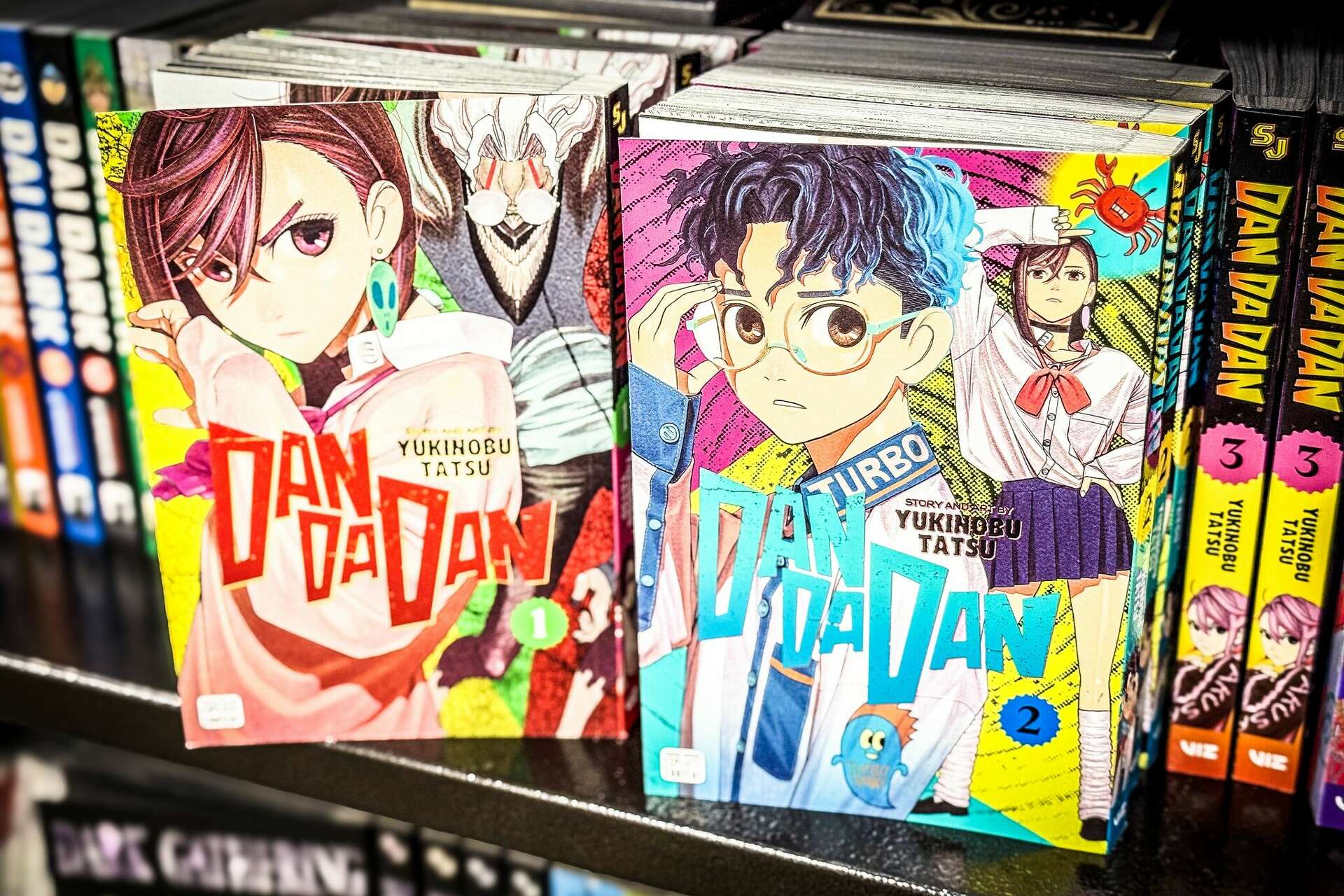
The popularity of anime also translates into significant economic and cultural contributions within Texas. The state is home to numerous anime conventions that draw tens of thousands of attendees annually, making them major events on the pop culture calendar. Conventions like Anime Matsuri in Houston and A-Kon in Dallas attract both local fans and national visitors, injecting considerable revenue into the local economies through hotel bookings, dining, transportation, and vendor sales. These events feature panels with voice actors and industry professionals, artist alleys showcasing local talent, cosplay competitions, and exclusive merchandise, offering unique experiences that embody the vibrant anime lifestyle. Beyond conventions, a network of specialized retail stores, online shops, and cultural centers caters to the demand for anime-related products, from figures and apparel to manga and soundtracks. The presence of these businesses and events underscores the deep entrenchment of anime culture in the state’s commercial and social landscape.
The Broader Implications for Cultural Lifestyle
The mere speculation of an anime ban, even if unfounded, highlights broader concerns about cultural freedom and the implications for individuals’ lifestyles within a specific jurisdiction. The ability to consume, create, and share cultural content is a cornerstone of modern society, shaping personal identities and fostering community bonds.
Freedom of Expression and Entertainment Choices
For many, anime is more than just entertainment; it’s a significant part of their cultural identity and lifestyle. It influences fashion, art, music preferences, and even career choices for some. The prospect of a ban on such a pervasive and beloved medium raises fundamental questions about freedom of expression and the right to choose one’s entertainment. A government-imposed ban on an entire cultural category, rather than specific explicit content, would set a concerning precedent, potentially stifling creativity and limiting access to diverse narratives. It could force fans to seek out content through unofficial channels, alienate cultural communities, and diminish the richness of the state’s cultural landscape. The absence of such a ban in Texas currently protects the ability of its residents to freely engage with the anime lifestyle that many cherish.
Impact on Diverse Demographics
Anime appeals to a remarkably diverse audience. It resonates with young people exploring identity, adults seeking complex storytelling, and families looking for wholesome entertainment. A ban, even if hypothetical, would disproportionately affect these various demographics. For teenagers and young adults, anime often serves as a gateway to broader discussions on philosophy, social issues, and global cultures, fostering critical thinking and empathy. For older fans, it offers a sense of nostalgia, escapism, and a connection to a global community. Restricting access to anime would not only remove a popular form of entertainment but also sever a vital cultural link for many, potentially leading to feelings of disenfranchisement and a reduction in the diversity of cultural experiences available within the state. The vibrant cultural tapestry of Texas is enriched by its openness to diverse forms of expression, including the unique narratives and artistic styles that anime provides.
Navigating Pop Culture in the Lone Star State
The discussion around a potential anime ban, though largely unfounded, serves as a valuable reminder of the ongoing dialogue between popular culture, community values, and governmental oversight. It underscores the importance of informed discourse and community engagement in shaping the cultural landscape.
Supporting Local Anime Communities
In the absence of any ban, and indeed, within a thriving cultural environment, supporting local anime communities becomes paramount for preserving and enriching the anime lifestyle in Texas. This includes attending local conventions, patronizing local comic book and specialty stores, joining fan clubs, and engaging with online communities. By actively participating, fans not only sustain the economic ecosystem surrounding anime but also strengthen the social bonds that make these communities so vibrant. Supporting local artists who create anime-inspired works, cosplayers, and content creators also contributes to a dynamic and self-sustaining cultural scene, ensuring that the passion for anime continues to grow and evolve organically from the grassroots level.
Looking Ahead: The Future of Fandom
The future of anime fandom in Texas appears bright, characterized by continued growth and innovation. As streaming services make anime more accessible than ever, and as the industry continues to produce compelling new content, its appeal is likely to expand further. The challenge for fans and organizers will be to navigate evolving digital landscapes, uphold community values, and continue to advocate for cultural freedom and diversity. The conversation around a “ban” highlights the need for vigilance against misinformation and the importance of fostering environments where all forms of legitimate cultural expression can flourish. As Texas continues to diversify and embrace global influences, anime will undoubtedly remain a significant and cherished part of its cultural lifestyle, fostering creativity, community, and connection for years to come.

Conclusion: Dispelling Myths and Embracing Diversity
The question “Is Texas banning anime?” can be definitively answered with a resounding no. The rumors of such a ban are unfounded, lacking any basis in official policy or legislative action. Instead, Texas continues to be a welcoming state for anime enthusiasts, boasting a rich and active community that celebrates Japanese animation through conventions, clubs, and various commercial ventures. This vibrant lifestyle, characterized by cultural engagement, creative expression, and strong social bonds, remains unchallenged by any state-level prohibition. The discussion surrounding these rumors, however, serves as an important prompt to appreciate the value of cultural freedom, the need for accurate information, and the continuous effort required to nurture diverse cultural landscapes where all forms of legitimate artistic expression can thrive. For anime fans in Texas, the journey through their favorite animated worlds continues unimpeded, a testament to the state’s open embrace of global cultural phenomena.
LifeOutOfTheBox is a participant in the Amazon Services LLC Associates Program, an affiliate advertising program designed to provide a means for sites to earn advertising fees by advertising and linking to Amazon.com. Amazon, the Amazon logo, AmazonSupply, and the AmazonSupply logo are trademarks of Amazon.com, Inc. or its affiliates. As an Amazon Associate we earn affiliate commissions from qualifying purchases.