
The vast expanse of Texas, a state synonymous with rugged individualism, sprawling landscapes, and a rich, complex history, often evokes strong imagery. From the bustling metropolises of Houston and Dallas to the historic charm of San Antonio and the independent spirit of Austin, Texas offers a diverse tapestry of experiences for any traveler. However, beneath the surface of wide-open spaces and vibrant culture lies a more nuanced and often challenging conversation about race. The question, “Is Texas Racist?”, is not a simple yes or no. It’s an inquiry that delves into the historical legacy, contemporary realities, and the ongoing efforts toward inclusivity within the Lone Star State.

When planning a trip to Texas, visitors are drawn to its unique blend of attractions. For those seeking cultural immersion, the state boasts a plethora of museums, historical sites, and vibrant neighborhoods. Texas‘s culinary scene is legendary, ranging from authentic Tex-Mex and slow-cooked barbecue to innovative fine dining. Accommodation options are as diverse as the landscape, with everything from luxurious resorts and boutique hotels to charming bed and breakfasts and practical apartments for longer stays. Whether you’re drawn to the dramatic beauty of Big Bend National Park or the vibrant music scene of Austin, Texas promises an unforgettable journey. Yet, as with any destination, understanding the local context, including its social dynamics, is crucial for a truly enriching experience. This exploration aims to shed light on the multifaceted nature of race relations in Texas, acknowledging both its past struggles and its present-day progress.
Navigating the Complexities: A Historical Lens
The history of Texas is inextricably linked to the legacy of slavery and racial segregation. For centuries, the state grappled with profound racial inequalities, from the era of plantations and the Civil War to the Jim Crow laws that enforced segregation well into the 20th century. Understanding this history is fundamental to comprehending the contemporary racial landscape of Texas.
Echoes of the Past: The Lingering Impact of Segregation
The pervasive system of Jim Crow laws, which dictated separate and unequal facilities for Black and white Texans, left an indelible mark on the state. These laws, though dismantled by the Civil Rights Movement, cast a long shadow, influencing social, economic, and political structures for generations. The fight for civil rights in Texas was arduous, marked by protests, legal battles, and sacrifices. Figures like Barbara Jordan, a groundbreaking congresswoman, and Dr. Martin Luther King Jr., whose activism extended across the nation, played pivotal roles in challenging racial injustice within the state.
Even today, the effects of historical segregation can be observed in various aspects of Texas life. Disparities in wealth, education, and access to resources often have roots in discriminatory practices of the past. Neighborhoods that were once segregated may still exhibit patterns of economic and social stratification. The struggle for equal opportunity and justice remains an ongoing process, and acknowledging the historical context is vital for understanding current discussions about race.
Contemporary Realities: Diversity and Division in Modern Texas
Modern Texas is a state of immense diversity, a melting pot of cultures and ethnicities that contributes to its dynamic character. However, this diversity does not negate the presence of racial tensions and ongoing challenges. The state’s rapid growth and changing demographics have brought both opportunities for greater understanding and new complexities to its social fabric.
The Shifting Demographics of the Lone Star State
Texas is no longer the predominantly white state it once was. It is home to a growing Hispanic/Latino population, significant African American communities, and burgeoning Asian and other ethnic groups. This demographic shift is reshaping the cultural landscape, influencing politics, and creating new dialogues about identity and belonging. Cities like Houston are particularly noted for their incredible diversity, often described as a microcosm of global society. This influx of different cultures enriches the state, offering visitors a wider array of culinary experiences, festivals, and cultural events.
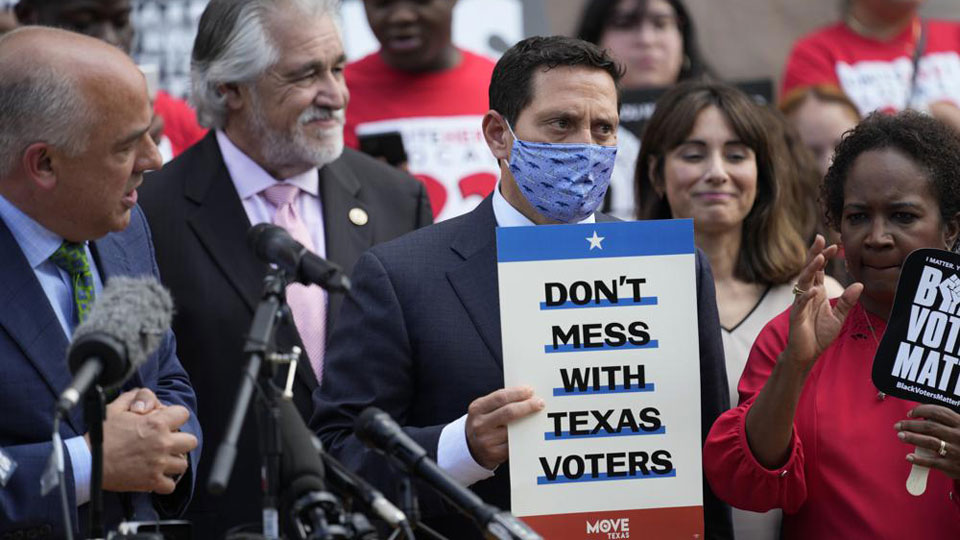
However, rapid demographic change can also bring challenges. Tensions can arise as different groups navigate their place in society, and issues of representation and power become more prominent. Understanding these dynamics is part of understanding the contemporary Texas experience. For travelers, recognizing the multicultural nature of the state can lead to more meaningful interactions and a deeper appreciation of its communities.
Addressing Racism: Efforts Towards Inclusivity and Equity
Despite the historical and contemporary challenges, Texas is also a state where many individuals and organizations are actively working towards racial justice and greater inclusivity. These efforts manifest in various ways, from community initiatives and educational programs to policy advocacy and grassroots activism.
In cities like Austin, known for its progressive ethos, there are numerous organizations dedicated to promoting diversity and combating discrimination. San Antonio, with its deep Hispanic/Latino roots, offers a vibrant cultural heritage that celebrates its multicultural identity. Even in areas with a more conservative reputation, there are ongoing conversations and initiatives aimed at fostering understanding and addressing systemic inequalities.
For tourists, these efforts translate into more welcoming environments and a richer, more authentic experience. Many businesses, from hotels to restaurants, are increasingly prioritizing diversity and inclusion. Local tourism boards often highlight the contributions of all ethnic groups to the state’s culture and history. By engaging with these efforts, visitors can contribute to a positive and inclusive travel experience. Exploring the diverse neighborhoods, attending cultural festivals that celebrate different heritages, and supporting businesses that champion inclusivity are all ways to witness and participate in Texas‘s ongoing journey towards equity.
The Texas Experience: A Nuanced Perspective for Travelers
When one considers visiting Texas, the question of its racial climate might arise, prompting a need for a nuanced understanding that moves beyond simplistic labels. The state is a complex tapestry woven with threads of its challenging past and its hopeful future. Its identity is shaped by a diverse population, a rich cultural heritage, and ongoing efforts to create a more equitable society.

Beyond the Headlines: Experiencing Texas’s Diverse Communities
While historical narratives and contemporary discussions about race in Texas are important, they do not define the entirety of the visitor experience. The state offers an abundance of attractions that showcase its multifaceted character. From the vibrant art scene in Dallas to the historical significance of the Alamo in San Antonio, there are countless opportunities to engage with Texas‘s rich heritage.
When planning your trip, consider exploring neighborhoods that highlight the state’s diverse cultural influences. Seek out culinary experiences that reflect the culinary traditions of various ethnic groups, from Tex-Mex joints in El Paso to Vietnamese restaurants in Houston. Engaging with local artists, musicians, and community leaders can offer deeper insights into the lived experiences of Texans from all backgrounds.
The hospitality industry in Texas is also striving for greater inclusivity. Many hotels and resorts are committed to providing a welcoming environment for all guests, regardless of their background. When booking your accommodation, consider researching establishments that have demonstrated a commitment to diversity and inclusion. This can contribute to a more positive and comfortable stay, allowing you to focus on the many wonders that Texas has to offer.
Ultimately, the question of “Is Texas Racist?” is less about a definitive verdict and more about an ongoing process of examination and progress. By approaching your visit with an open mind, a willingness to learn, and an appreciation for the state’s complexities, you can experience the true spirit of Texas – a spirit that is as vast and diverse as its own legendary landscapes. The Texas experience is ultimately what you make of it, and by engaging thoughtfully with its communities and its history, travelers can discover a state that is actively working towards a more inclusive and equitable future.
LifeOutOfTheBox is a participant in the Amazon Services LLC Associates Program, an affiliate advertising program designed to provide a means for sites to earn advertising fees by advertising and linking to Amazon.com. Amazon, the Amazon logo, AmazonSupply, and the AmazonSupply logo are trademarks of Amazon.com, Inc. or its affiliates. As an Amazon Associate we earn affiliate commissions from qualifying purchases.