
The Lone Star State, a land of vast landscapes, vibrant culture, and a booming economy, often sparks questions about its entertainment options, particularly when it comes to the glitz and glamour of casino gambling. For many travelers and residents alike, the allure of slot machines, poker tables, and high-stakes action is a significant draw. So, the burning question arises: Are there any casinos in Texas? The answer, like many things in Texas, is a little more nuanced than a simple yes or no, and it involves understanding the state’s unique legal framework and the types of gaming establishments that do exist.
Texas, with its deeply ingrained conservative values, has traditionally maintained a rather strict stance on gambling. Unlike states such as Nevada or New Jersey, where sprawling casino resorts are a common sight, Texas does not permit traditional commercial casinos that offer a full suite of games like blackjack, roulette, and craps for the general public. This means you won’t find establishments akin to those in Las Vegas or Atlantic City operating within the state’s borders. However, this does not mean that all forms of casino-style gaming are entirely absent. The state has carved out specific exceptions and classifications, leading to a landscape of gaming that, while different, can still offer a taste of the casino experience for those willing to explore.
Understanding Texas Gaming Laws
The key to understanding the presence of gaming in Texas lies in deciphering its legislative approach. Texas law distinguishes between different types of gambling, and the legality often hinges on the specific nature of the games offered and the intended audience.
Social Gambling and Charitable Gaming
Texas law generally permits social gambling, where the house does not profit from the game. This means private poker games among friends are typically not illegal, provided no one is making a living from hosting the game. More significantly for the broader public, Texas allows for charitable gaming. This is a crucial distinction that enables certain non-profit organizations to raise funds through games of chance.
These charitable bingo halls and raffle events are licensed by the state and operate under strict regulations. While not a full-fledged casino, they offer opportunities for patrons to play games like bingo, which can involve significant jackpots, and participate in raffles with substantial prizes. These events are a vital part of the fundraising efforts for many Texas charities, and they provide a legal avenue for people to engage in games of chance within the state. The Texas Lottery Commission oversees charitable gaming, ensuring compliance with state laws.
The Role of Tribal Gaming
Another significant aspect of gaming law in Texas relates to Native American tribes and their sovereign rights. The Indian Gaming Regulatory Act (IGRA) of 1988 allows federally recognized tribes to operate casinos on their sovereign lands, even in states where such operations might otherwise be prohibited. However, in Texas, this has been a complex and often contentious issue.
While there are Native American tribes with a presence in Texas, such as the Alabama-Coushatta Tribe of Texas and the Tigua Tribe of Texas, their ability to operate casinos has been significantly restricted by ongoing legal battles and federal regulations. The Alabama-Coushatta Tribe previously operated a successful casino, the Naskila Gaming, which offered electronic bingo machines that were functionally similar to slot machines. However, a legal ruling by the Fifth Circuit Court of Appeals declared that the tribe was subject to Texas gambling laws, leading to the casino’s closure. Similarly, the Tigua Tribe in El Paso faced legal challenges regarding their gaming operations.
This situation highlights the intricate legal landscape and the ongoing negotiations and legal battles that dictate the extent of tribal gaming in Texas. For potential visitors seeking a casino experience, the limited success and fluctuating status of tribal gaming facilities mean they are not a consistent or widely available option across the state.
The Rise of Electronic Bingo and “Casinos”
In recent years, a unique category of gaming establishment has emerged in Texas, often referred to informally as “casinos,” but legally classified as electronic bingo halls. These venues leverage the legality of bingo to offer games that closely mimic the experience of playing slot machines.
Electronic Bingo Machines: A Loophole Explored
These electronic bingo halls operate by selling bingo cards, either physical or digital. The games are then played out on sophisticated electronic machines that resemble traditional slot machines. Players “play” their bingo numbers on these screens, and the outcome is determined by a random number generator, much like a slot machine. The winnings are then paid out based on the bingo patterns achieved, with jackpots often reaching significant amounts.
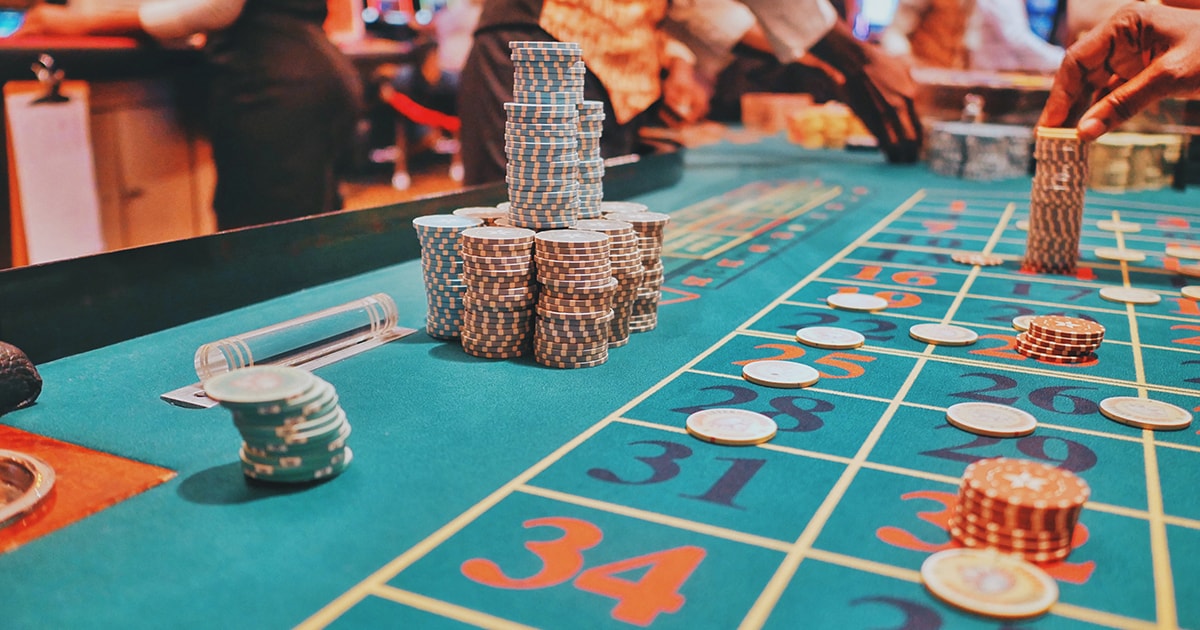
These establishments have become increasingly popular across Texas, particularly in areas where traditional casino gambling is prohibited. They offer an entertainment option that appeals to those looking for the thrill of spinning reels and the chance to win big. However, their legal status has been a subject of ongoing debate and legal challenges. Critics argue that these machines are essentially slot machines disguised as bingo, and that they circumvent the spirit, if not the letter, of Texas gambling laws. Law enforcement agencies have periodically conducted raids on some of these venues, citing violations of gambling statutes. Despite these challenges, many electronic bingo halls continue to operate, adapting to legal scrutiny and finding ways to provide a casino-like experience.
Locations and Types of Establishments
While there are no traditional casinos in Texas, these electronic bingo halls can be found in various cities and towns across the state. Some are standalone venues, while others might be located within or adjacent to other entertainment facilities. It’s important for individuals interested in visiting these establishments to be aware of their unique legal classification and the potential for regulatory changes.
For travelers planning a trip to Texas and hoping for a casino experience, it’s crucial to manage expectations. The state does not offer the vast, all-encompassing casino resorts found in other parts of the United States. Instead, the gaming landscape is characterized by its strict regulations, a reliance on charitable gaming, and the innovative, albeit legally grey, operation of electronic bingo halls.
Exploring Gaming Alternatives and Nearby Destinations
Given the limited options within Texas, many Texans and visitors seeking a full casino experience often look to neighboring states or explore alternative forms of entertainment within the Lone Star State.
Gaming in Neighboring States
Several states bordering Texas offer robust casino gaming options. Oklahoma, in particular, is home to a significant number of Native American casinos, many of which are within a few hours’ drive of major Texas cities like Dallas, Fort Worth, and Houston. These casinos offer a wide array of slot machines, table games, and often resort amenities like hotels, restaurants, and entertainment venues. Popular choices include the Choctaw Casino & Resort in Durant, Oklahoma, and the Winstar World Casino and Resort, also in Oklahoma.
Louisiana, to the east of Texas, also boasts a substantial casino presence, including both riverboat casinos and land-based resorts. Cities like Shreveport and Bossier City have several gaming establishments that are accessible for a day trip or weekend getaway from East Texas. Further south, Mexico, particularly cities like Laredo and Nuevo Laredo, also has casinos catering to a cross-border clientele, though travel considerations and different regulatory environments should be taken into account.
Casino Cruises from Texas Ports
Another avenue for experiencing casino gaming from Texas is through casino cruises. Several cruise lines operate out of Texas ports, such as Galveston, offering voyages that venture into international waters where gambling is permitted. These cruises often feature onboard casinos with a variety of games, alongside the typical cruise ship entertainment, dining, and accommodation. This provides a convenient way for Texans to enjoy a casino experience without having to travel long distances overland.
Embracing Texas Entertainment
While the traditional casino floor might be absent, Texas offers a wealth of entertainment and lifestyle experiences that can be just as captivating. The state is renowned for its vibrant live music scene, especially in cities like Austin and Nashville. From honky-tonks to sophisticated concert halls, there’s always a show to catch.
For those who enjoy a thrill, Texas has a growing number of amusement parks and water parks, such as Six Flags Fiesta Texas and Schlitterbahn Waterpark. The state’s diverse natural landscapes also provide ample opportunities for outdoor adventures, including hiking in Big Bend National Park, exploring the Texas Hill Country, or enjoying the beaches along the Gulf Coast.
Furthermore, Texas’s culinary scene is a major attraction in itself, offering everything from world-class barbecue and Tex-Mex to fine dining. Exploring the local food and drink culture is an experience that can rival the excitement of a casino for many. The state also boasts a rich history, with numerous historical sites and museums, such as The Alamo in San Antonio, offering a glimpse into its storied past.
In conclusion, while Texas may not have traditional casinos in the same vein as other states, the question of “Are there any casinos in Texas?” yields a complex but informative answer. The state’s legal framework has created a unique environment where charitable gaming and electronic bingo halls provide some forms of casino-style entertainment. For those seeking a more comprehensive casino resort experience, the neighboring states of Oklahoma and Louisiana, as well as casino cruises from Texas ports, offer viable alternatives. Ultimately, Texas’s appeal extends far beyond gambling, with a rich tapestry of culture, adventure, and lifestyle experiences waiting to be discovered.
LifeOutOfTheBox is a participant in the Amazon Services LLC Associates Program, an affiliate advertising program designed to provide a means for sites to earn advertising fees by advertising and linking to Amazon.com. Amazon, the Amazon logo, AmazonSupply, and the AmazonSupply logo are trademarks of Amazon.com, Inc. or its affiliates. As an Amazon Associate we earn affiliate commissions from qualifying purchases.