
The Lone Star State, a vast expanse renowned for its scorching deserts, sprawling ranches, and iconic cowboy culture, might not be the first place that springs to mind when envisioning formidable wildlife like bears. Most people associate bears with the dense forests of the Pacific Northwest, the rugged Rockies, or the vast wilderness of Canada. However, the truth is far more intriguing than popular perception. While not as ubiquitous as they are in other parts of North America, Texas does indeed have bears, and their presence is a testament to the state’s diverse and often surprising natural heritage. This exploration delves into the fascinating world of Texas bears, their habitats, conservation efforts, and what a traveler or resident might encounter.
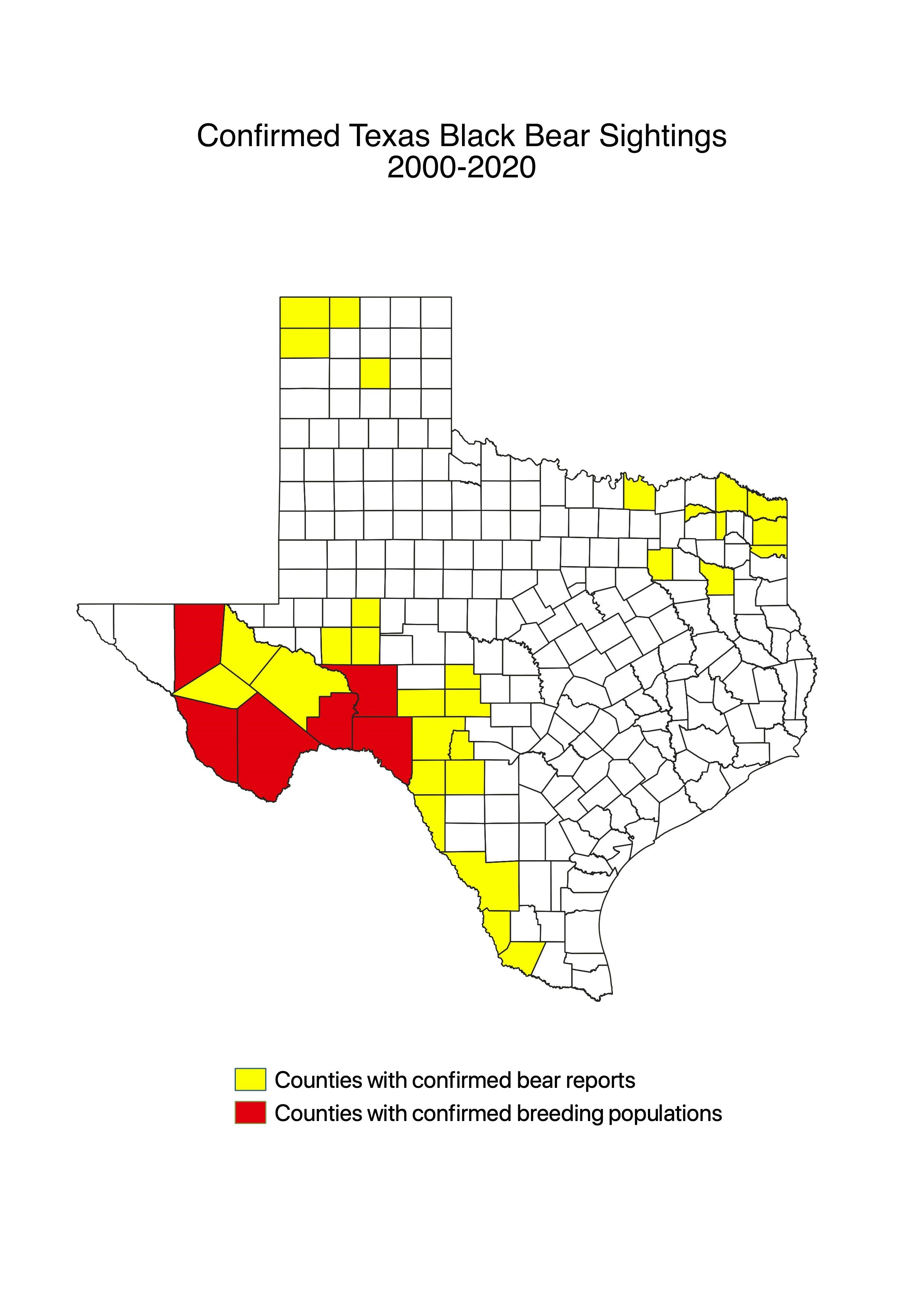
The presence of bears in Texas is a story of resilience, adaptation, and the ebb and flow of natural populations. Historically, several bear species roamed the vast territories that now comprise Texas. Today, two species are recognized as native to the state, though their distributions and numbers vary significantly. Understanding these nuances is crucial for appreciating the ecological role these apex predators play and for fostering a coexistence that ensures their long-term survival. For those planning a trip to the Lone Star State with an interest in wildlife, or for residents curious about their wild neighbors, this guide aims to shed light on these magnificent creatures.
The Bears of Texas: A Closer Look
When discussing bears in Texas, two primary species come to the forefront: the American black bear and the historically present grizzly bear. While the grizzly bear is now considered locally extinct within the state, the American black bear continues to thrive, albeit in specific regions.
American Black Bears: The Persistent Predators
The American black bear (Ursus americanus) is the only bear species currently found in Texas. These bears are not necessarily black; their fur color can range from black to brown, cinnamon, and even blonde. They are highly adaptable omnivores with a varied diet that includes berries, nuts, insects, small mammals, and carrion. Their intelligence and opportunistic nature have allowed them to persist in Texas, primarily in the larger, more remote forested areas.
The primary stronghold for American black bears in Texas is the mountainous region of West Texas, particularly within Big Bend National Park and the surrounding Chihuahua Desert. Here, canyons and rugged terrain offer shelter and food sources. These bears are generally elusive and tend to avoid human contact. Sightings, while rare, are most likely to occur in remote areas where human activity is minimal. The population in this region is a critical piece of the larger black bear range that extends into Mexico.
Another important area for American black bears is East Texas, characterized by dense pine and hardwood forests. The Piney Woods region, which includes areas like the Sabine National Forest and the Angelina National Forest, supports a healthy and growing population of black bears. This habitat provides ample food, water, and denning sites, making it ideal for their survival and reproduction. Unlike their West Texas counterparts, the East Texas black bears are more numerous and are expanding their range. This expansion is a positive sign for the species’ conservation.
The presence of American black bears in Texas is a remarkable ecological story. For decades, their numbers had dwindled due to habitat loss and hunting. However, concerted conservation efforts, coupled with increased awareness and protection, have led to a significant recovery. The bears are not only surviving but are now expanding their territories, which is a strong indicator of a healthy ecosystem. This resurgence offers exciting possibilities for wildlife enthusiasts and eco-tourists interested in experiencing Texas’s wilder side.
The Ghost of the Past: Grizzly Bears in Texas
While American black bears are a living reality in Texas, the grizzly bear (Ursus arctos horribilis), once a formidable inhabitant of the state, is now locally extinct. Grizzly bears are larger and more aggressive than black bears and were historically found in the trans-Pecos region of West Texas, an area with a more mountainous and open terrain that differed from their typical forested habitats in other parts of North America.
The last confirmed sighting of a grizzly bear in Texas was in the late 1800s. The decline and eventual disappearance of grizzlies from Texas can be attributed to several factors, primarily westward expansion, increased human settlement, and the eradication campaigns that targeted large predators to protect livestock. The vast, open spaces that once provided ample territory for grizzlies became increasingly fragmented and subject to human activity, making it impossible for these magnificent animals to sustain a viable population.
The absence of grizzly bears from Texas serves as a poignant reminder of the impact human development can have on wildlife populations. However, the continued presence and recovery of the American black bear offer a more hopeful narrative, showcasing the potential for conservation to bring species back from the brink. Discussions about reintroducing grizzly bears to Texas have been largely theoretical, focusing on habitat suitability and the complex challenges of coexisting with such a powerful animal. For now, their presence remains a chapter in the state’s natural history.
Exploring Bear Country: Travel and Tourism in Texas
For travelers drawn to the allure of wildlife and seeking unique experiences, Texas offers compelling opportunities to explore the natural habitats of its native bears. This requires a mindful approach to travel, prioritizing responsible tourism that respects wildlife and their environments.
West Texas: The Rugged Realm of Big Bend
Big Bend National Park is an undisputed jewel of Texas‘s natural landscape and a prime location for potentially encountering American black bears. This vast park, situated in the remote reaches of West Texas along the Rio Grande, boasts diverse ecosystems, from desert scrubland to high mountain peaks. The park’s rugged canyons and mountainous terrain provide essential habitat for the black bear population in the trans-Pecos region.
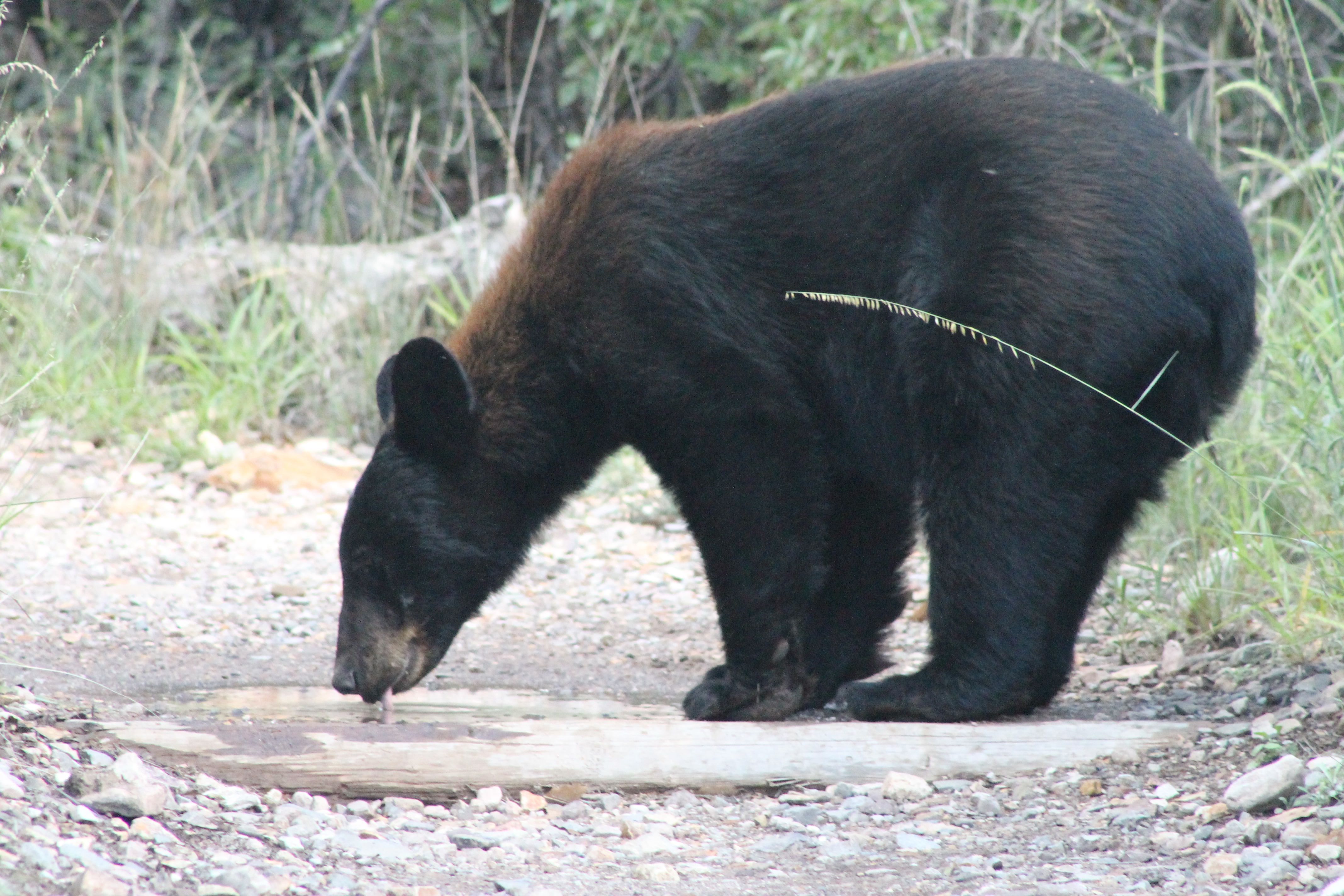
Visitors interested in spotting bears in Big Bend National Park should understand that sightings are rare and require patience, luck, and a deep respect for the wilderness. The bears here are typically shy and reclusive, preferring to stay away from populated areas. The best opportunities for seeing them are during dawn and dusk, when they are most active. Hiking on less-traveled trails, especially those in higher elevations or remote canyons, might increase the chances of a sighting. However, it’s crucial to maintain a safe distance and never approach or feed the wildlife. Responsible observation is key to ensuring both your safety and the bears’ well-being.
Beyond bear viewing, Big Bend National Park offers a wealth of other attractions. Hiking trails wind through dramatic desert landscapes, offering stunning vistas of the Chisos Mountains. The Rio Grande provides opportunities for canoeing and kayaking, while stargazing is exceptional due to the park’s remoteness and lack of light pollution. Numerous lodging options are available in and around the park, ranging from camping under the stars to comfortable stays in nearby towns like Terlingua or Study Butte. For those seeking a unique lodging experience, consider staying at the Lajitas Golf Resort, which offers a luxurious base for exploring the region.
East Texas: The Verdant Forests of the Piney Woods
East Texas, with its extensive forests and wetlands, is the stronghold for the majority of the Texas black bear population. This region, often referred to as the Piney Woods, offers a different kind of wildlife viewing experience compared to the arid landscapes of West Texas. The dense vegetation provides excellent cover for bears, making them harder to spot but indicative of a healthy and thriving population.
National Forests like the Sabine National Forest and the Angelina National Forest are prime areas for bear activity. These forests are crisscrossed with hiking trails and offer numerous opportunities for camping and outdoor recreation. While direct sightings of bears might be less common than in Big Bend, evidence of their presence, such as tracks and scat, is often found. Birdwatching, fishing, and exploring the natural beauty of the East Texas woodlands are popular activities.
For those looking for accommodation in this region, there are various options, from rustic cabins nestled within the forests to charming bed and breakfasts in nearby towns. Consider exploring the amenities offered by resorts in the region, which often provide access to guided nature tours or educational programs focused on local wildlife. Cities like Nacogdoches, known as the “Oldest Town in Texas,” offer a glimpse into the region’s history and culture alongside its natural wonders. The focus here is less on guaranteed sightings and more on immersing oneself in an environment where these magnificent creatures roam freely.
Living with Bears: Conservation and Safety in Texas
The resurgence of American black bears in Texas is a success story, but it also brings challenges. As bear populations grow and expand, the potential for human-bear encounters increases. Understanding conservation efforts and practicing safety measures are paramount for a harmonious coexistence.
Protecting Texas’s Bears: Conservation Efforts
Conservation efforts for Texas black bears have been ongoing for decades and have yielded significant results. The Texas Parks and Wildlife Department (TPWD) plays a crucial role in monitoring bear populations, managing their habitats, and educating the public about living alongside these animals. These efforts include research into bear movements, diet, and reproduction, which provide valuable data for conservation strategies.
Habitat preservation and restoration are also vital components of bear conservation. Protecting the large, contiguous tracts of forest in East Texas and the rugged canyons of West Texas ensures that bears have the space and resources they need to thrive. This also involves managing human activities within these areas to minimize disturbance to bear populations.
Public awareness campaigns are essential for fostering a positive relationship between humans and bears. Educating residents and visitors about bear behavior, the importance of secure food storage, and what to do in the event of an encounter helps prevent conflicts. The goal is to ensure that bears are viewed not as threats but as integral parts of Texas‘s natural heritage.
Safety in Bear Country: Tips for Texans and Travelers
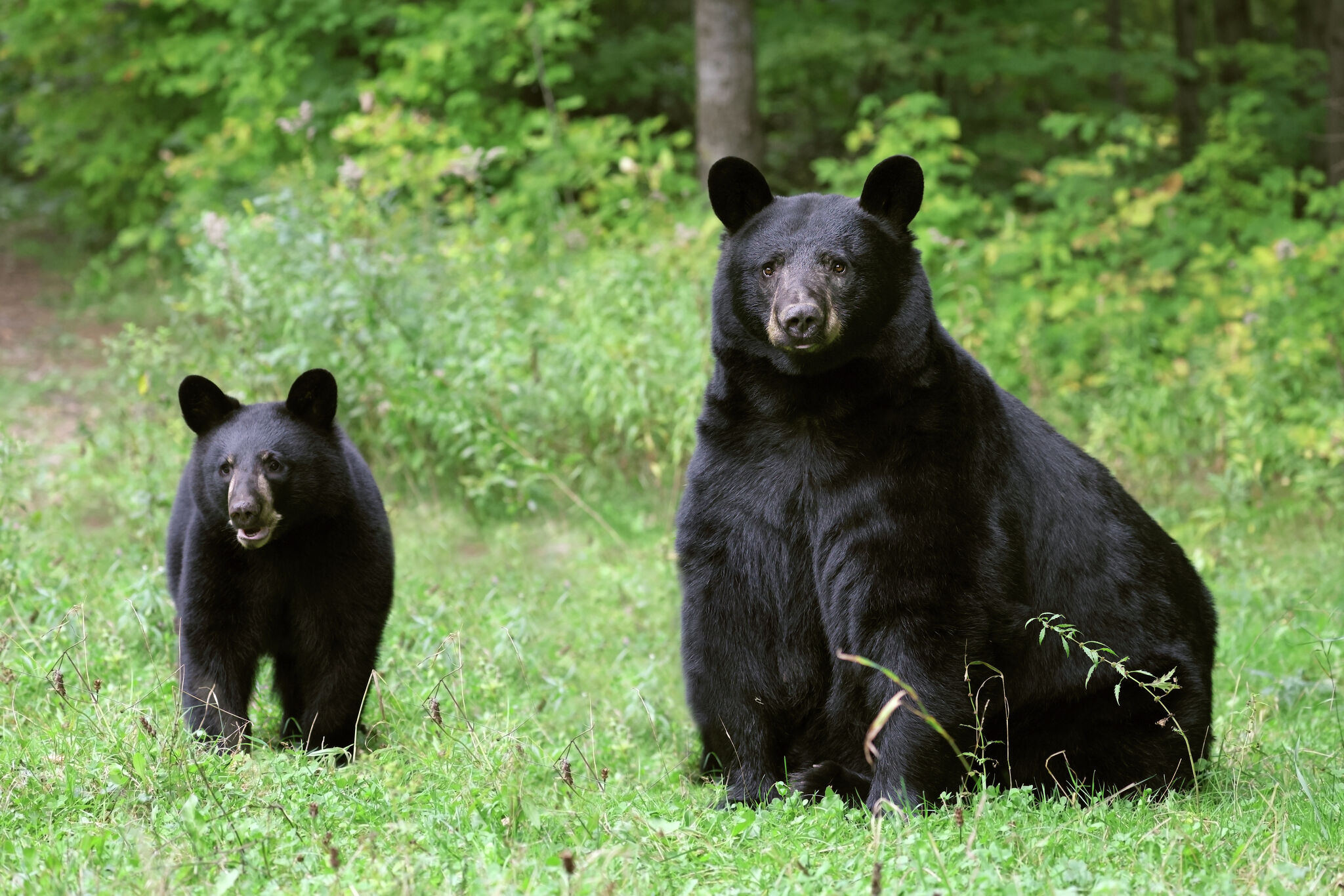
Living in or visiting areas with American black bears requires a proactive approach to safety. While black bears in Texas are generally not aggressive towards humans, it’s crucial to avoid encounters and to know how to react if one occurs.
In Bear Country:
- Secure Food and Attractants: This is perhaps the most critical rule. Bears have an incredible sense of smell. Store all food, garbage, pet food, and scented items securely in bear-proof containers or inside a vehicle. Never leave food unattended outdoors.
- Make Noise: When hiking or walking in bear country, make noise. Talk, sing, or clap your hands to alert bears to your presence. This reduces the chance of surprising a bear.
- Hike in Groups: Hiking with others and staying on marked trails can decrease the likelihood of an encounter.
- Be Aware of Your Surroundings: Pay attention to signs of bear activity, such as tracks, scat, or overturned rocks. If you see bear sign, be extra cautious.
- Never Feed Bears: Feeding bears, whether intentionally or unintentionally, habituates them to humans and can lead to dangerous situations. It also harms the bears’ natural diet and behavior.
If You Encounter a Bear:
- Stay Calm: Do not run. Running can trigger a chase response.
- Make Yourself Look Larger: Stand tall, wave your arms, and speak in a calm voice.
- Back Away Slowly: Give the bear plenty of space to retreat.
- Do Not Make Eye Contact: Bears may perceive direct eye contact as a challenge.
- If the Bear Approaches: If the bear persistently approaches or acts aggressively, try to scare it away by making loud noises and throwing objects. If attacked, fight back aggressively. Unlike grizzly bear attacks, where playing dead might be recommended, fighting back is generally advised for black bear attacks.
By adhering to these safety guidelines and respecting the wildlife, visitors and residents can enjoy the natural beauty of Texas while contributing to the conservation of its bear population. The presence of bears, even if in specific regions, adds a layer of wildness and ecological richness to the Lone Star State, making it a more captivating destination for nature lovers.
LifeOutOfTheBox is a participant in the Amazon Services LLC Associates Program, an affiliate advertising program designed to provide a means for sites to earn advertising fees by advertising and linking to Amazon.com. Amazon, the Amazon logo, AmazonSupply, and the AmazonSupply logo are trademarks of Amazon.com, Inc. or its affiliates. As an Amazon Associate we earn affiliate commissions from qualifying purchases.