
Navigating the complex landscape of reproductive rights can be a daunting task, and for many, understanding the specifics of Texas abortion laws is paramount. This guide aims to demystify these regulations, offering clarity and insight for individuals seeking information, especially those who might be considering travel for medical procedures or are interested in the broader implications for Texas‘s tourism and lifestyle sectors. While the core focus of these laws centers on reproductive healthcare, their impact can ripple through various aspects of life, including travel decisions, accommodation choices, and even the overall perception of Texas as a destination.

The legal framework surrounding abortion in Texas has undergone significant evolution, particularly in recent years. Understanding these changes is crucial for anyone affected by them. These laws are not static and are subject to ongoing legal challenges and legislative debates, making staying informed a continuous process.
Understanding the Legal Framework of Abortion in Texas
The current legal landscape for abortion in Texas is largely shaped by Senate Bill 8 (SB 8), often referred to as the “heartbeat bill,” which took effect on September 1, 2021. This legislation is highly restrictive, prohibiting abortions after approximately six weeks of pregnancy, a point at which many individuals may not yet know they are pregnant. A key and controversial aspect of SB 8 is its enforcement mechanism, which empowers private citizens to sue anyone who “aids or abets” an illegal abortion. This includes doctors, clinic staff, and even individuals who help someone travel out of state to obtain an abortion.
Prior to the overturning of Roe v. Wade by the Supreme Court of the United States in June 2022, Texas had a pre-Roe ban in place, which was considered unenforceable due to the federal protection of abortion rights. However, following the Supreme Court‘s decision, Texas‘s trigger law, enacted in 2021, went into effect. This trigger law implements a near-total ban on abortions, with limited exceptions.
Key Provisions and Restrictions
The Texas trigger law generally bans abortions from the moment of fertilization, with very narrow exceptions for medical emergencies that pose a substantial risk of death or serious physical impairment to the pregnant person. Crucially, there is no exception for cases of rape or incest.
Under this law, healthcare providers who perform abortions face severe penalties, including hefty fines and lengthy prison sentences. The civil enforcement provision of SB 8 continues to be a significant factor, creating a chilling effect on abortion access. The threat of civil lawsuits can deter healthcare providers from offering any services that might be construed as facilitating an illegal abortion.
The distinction between a medical emergency and a situation that necessitates an abortion is often a point of contention and anxiety for healthcare professionals and patients alike. The law’s language requires a physician to make a determination about the immediacy of the threat to the pregnant person’s life, adding a layer of complexity and potential risk to medical decision-making.
Impact on Access to Care
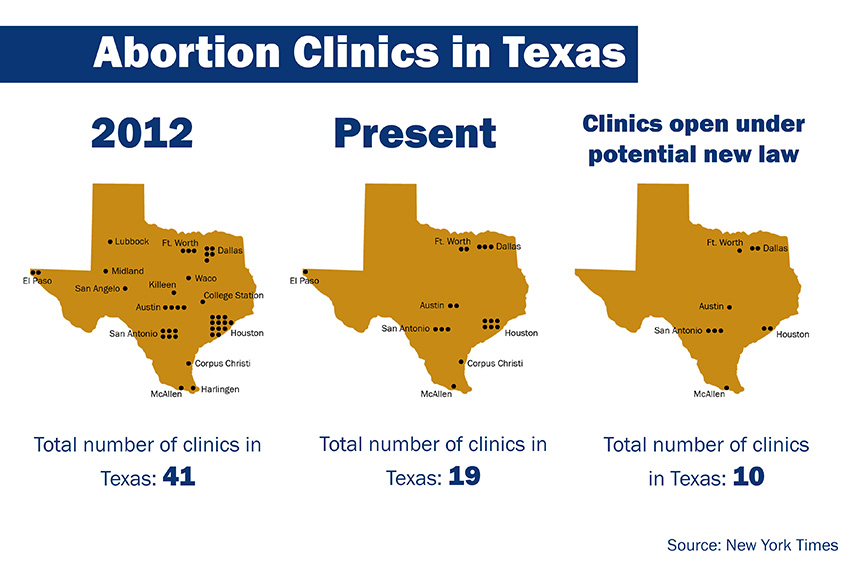
The restrictive abortion laws in Texas have had a profound impact on access to reproductive healthcare services within the state. Clinics have been forced to cease providing abortion services, leading to a significant reduction in availability. This scarcity of in-state options has compelled many Texas residents to seek abortions out of state, incurring travel expenses, accommodation costs, and time away from work and family.
The logistical and financial burden of out-of-state travel can be insurmountable for some individuals, effectively denying them access to abortion care. This disproportionately affects low-income individuals, people of color, and those in rural areas who may have fewer resources to travel and less access to information about their options.
The situation also creates a complex ethical and legal dilemma for healthcare providers in Texas, who must navigate a landscape where providing standard reproductive healthcare can carry severe legal consequences.
Travel and Accommodation Considerations for Reproductive Healthcare
For individuals seeking to access abortion care outside of Texas, the implications for travel and accommodation become a critical consideration. The journey can involve significant planning, financial investment, and emotional toll. Understanding the legal nuances of travel related to abortion is essential.
Planning Out-of-State Travel
When Texas residents need to travel out of state for an abortion, they must consider a range of factors. The nearest states with more permissive abortion laws include New Mexico, Colorado, and Kansas, among others. Each state has its own set of regulations regarding gestational limits and any specific requirements for out-of-state patients.
The process often involves:
- Researching abortion providers: Identifying clinics in other states that offer the desired procedure.
- Understanding state laws: Familiarizing oneself with the specific laws of the destination state, including any waiting periods or parental consent requirements (if applicable).
- Scheduling appointments: Coordinating travel dates with clinic availability, which can be challenging given increased demand from out-of-state patients.
- Arranging transportation: Planning flights, bus travel, or car journeys.
- Securing accommodation: Booking hotels or other lodging for the duration of the stay, which may include multiple days due to appointment scheduling and recovery.
- Gathering financial resources: Covering the costs of the procedure, travel, accommodation, and lost wages.
Various organizations and funds exist to assist Texas residents in navigating these challenges, providing financial aid, logistical support, and information about out-of-state clinics.
Accommodation Options and Support
Finding suitable accommodation is a vital part of this out-of-state journey. Individuals may need to stay for several days, necessitating a comfortable and accessible place to rest and recover.
Accommodation options can vary widely, catering to different needs and budgets:
- Hotels: Standard hotel rooms offer privacy and basic amenities. Many hotels in cities with accessible abortion clinics are accustomed to accommodating patients seeking medical care. Look for hotels with good reviews and convenient locations near clinics or transportation hubs.
- Apartments and Vacation Rentals: For longer stays or for individuals traveling with companions, booking an apartment or a vacation rental through platforms like Airbnb or Vrbo can offer more space, a kitchen for preparing meals, and a more home-like environment. This can be particularly beneficial for recovery.
- Resorts: While less common for medical travel, some individuals might choose resorts for a more comfortable and supportive environment, particularly if they are able to combine their medical needs with a brief period of relaxation.
Support networks and practical assistance are often integrated with accommodation. Some abortion funds and practical support organizations may offer direct booking assistance or provide lists of vetted accommodations that are patient-friendly. Understanding the amenities offered, such as on-site laundry, Wi-Fi, and proximity to medical facilities, can significantly improve the experience.
Broader Implications: Lifestyle, Tourism, and Local Culture
The restrictive abortion laws in Texas have broader implications that extend beyond individual medical decisions, influencing the state’s lifestyle, tourism, and local culture.
Lifestyle and Travel Choices
The legal environment surrounding reproductive rights can influence lifestyle choices and travel patterns for residents. For some, the inability to access abortion care in their home state may lead to increased consideration of moving to states with more favorable laws. For others, it reinforces the necessity of planning travel specifically to obtain this healthcare, turning a medical necessity into a logistical and financial endeavor that impacts their overall lifestyle.
The perception of Texas as a destination can also be indirectly affected. While Texas boasts a rich tapestry of attractions, from the vibrant music scene of Austin to the historic sites of San Antonio and the cultural hubs of Dallas and Houston, restrictive laws might deter certain groups of tourists or impact the state’s image as a welcoming and progressive destination. This is particularly true for individuals and organizations that prioritize reproductive freedom and human rights when making travel decisions or choosing where to invest.
Tourism and Economic Impact
The economic impact on Texas tourism is a complex issue. On one hand, Texas remains a diverse and appealing travel destination with a wide array of attractions. The state’s robust economy, diverse geography, and cultural offerings continue to draw millions of visitors annually. Major cities like Houston, with its renowned Space Center Houston, and Dallas, with its thriving arts and culinary scenes, are significant draws.
However, the narrative surrounding reproductive rights can influence perceptions. For some potential visitors or event organizers, particularly those from more liberal states or countries with different legal frameworks, the restrictive laws might be a factor in their decision-making process. This could manifest in boycotts, the redirection of conferences, or a general reluctance to engage with the state on a large scale.
The tourism industry in Texas encompasses a wide range of experiences, from the natural beauty of the Big Bend National Park to the historical significance of the Alamo. The state’s appeal also lies in its distinct local culture, vibrant food scenes, and diverse attractions that draw visitors for business and leisure alike. How the abortion laws are perceived externally can, therefore, play a subtle but important role in the overall perception and appeal of Texas as a travel destination.

Local Culture and Community Impact
The legal restrictions on abortion also impact the local culture and communities within Texas. The debate over reproductive rights is deeply intertwined with societal values and community norms. The legal framework can influence public discourse, activism, and the sense of autonomy experienced by individuals.
Communities in Texas are diverse, with varying perspectives on reproductive healthcare. The current legal landscape forces these discussions to the forefront, impacting healthcare access, educational initiatives, and the support systems available to individuals and families. The presence of numerous travel and tourism hubs within the state, each with its unique cultural identity and attractions, means that the effects of these laws are felt across a broad spectrum of communities, from large urban centers to more rural locales.
Ultimately, understanding Texas abortion laws is not just about navigating legal statutes; it’s about recognizing their far-reaching influence on individuals’ lives, their ability to access healthcare, and the broader social and economic fabric of the state, including its appeal as a destination for travel, accommodation, and experiencing its unique lifestyle and culture.
LifeOutOfTheBox is a participant in the Amazon Services LLC Associates Program, an affiliate advertising program designed to provide a means for sites to earn advertising fees by advertising and linking to Amazon.com. Amazon, the Amazon logo, AmazonSupply, and the AmazonSupply logo are trademarks of Amazon.com, Inc. or its affiliates. As an Amazon Associate we earn affiliate commissions from qualifying purchases.