
The vast and vibrant state of Texas holds a unique geographical position within the United States, sharing its borders with both other American states and an international neighbor. Understanding these boundaries is key to appreciating the diverse landscapes, cultures, and opportunities that Texas offers to travelers, residents, and businesses alike. From the arid beauty of the west to the humid subtropical climes of the east, and from the bustling metropolises to the serene countryside, the state’s borders define its distinct character and influence its economic and cultural exchanges. This exploration delves into the geographical neighbors of the Lone Star State, shedding light on what lies beyond its celebrated frontiers and how these connections shape the Texas experience.
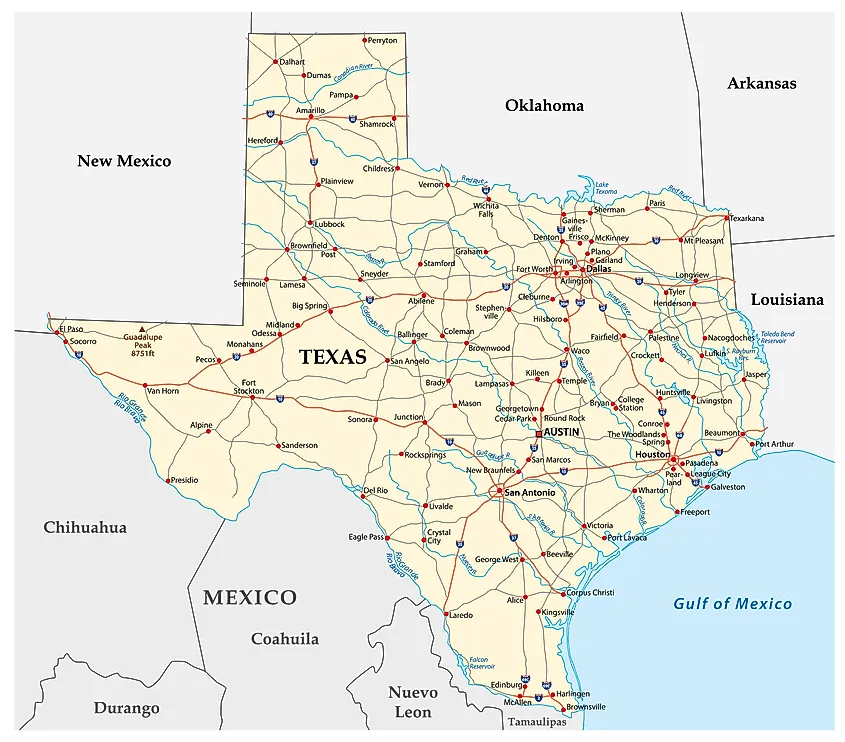
The exploration of Texas‘s borders is not merely an exercise in cartography; it is an invitation to discover a tapestry of experiences that extend far beyond the state’s official lines. Whether you are planning a road trip, seeking new travel destinations, or interested in the broader socio-economic context of Texas, understanding its neighboring territories enriches the journey. The state’s strategic location has fostered a rich blend of influences, evident in its cuisine, architecture, and the very spirit of its people. Let’s embark on a journey along the edges of Texas, uncovering the stories, attractions, and accommodations that await in its adjacent regions.
Northern Frontiers: Plains, History, and the Great Plains
To the north, Texas shares a significant border with Oklahoma, a state renowned for its rolling plains, rich Native American heritage, and a vibrant cultural scene. This shared frontier is characterized by a landscape that gradually transitions from the rugged terrain of West Texas to the gentler undulations of the Great Plains. The border itself is largely defined by the Red River, a crucial waterway that has played a pivotal role in the history and development of both states.
Exploring Oklahoma: A Neighboring Tapestry
Venturing north into Oklahoma reveals a destination brimming with attractions that complement the Texas travel experience. Oklahoma City, the state capital, offers a dynamic urban landscape with attractions like the Oklahoma City National Memorial & Museum, a poignant tribute to the victims of the 1995 bombing, and the Bricktown Entertainment District, a lively area with canals, restaurants, and entertainment venues. For those interested in history and culture, the Chickasaw Cultural Center in Sulphur provides deep insights into the history and traditions of the Chickasaw Nation.
Further north, the Wichita Mountains Wildlife Refuge offers breathtaking natural beauty, with granite peaks, abundant wildlife, and opportunities for hiking and scenic drives. This area provides a stark contrast to some of Texas‘s more arid western landscapes, showcasing a different facet of the North American continent.
Accommodation and Lifestyle in Oklahoma
Oklahoma‘s hospitality sector offers a range of accommodation options to suit every traveler’s needs and budget. From luxury resorts and boutique hotels in Oklahoma City and Tulsa to comfortable motels and charming bed and breakfasts scattered across the state, visitors will find plenty of places to rest and recharge. The burgeoning tourism industry in Oklahoma also means a growing number of unique experiences, from exploring the Route 66 heritage in towns like Clinton and Elk City to enjoying family-friendly attractions and local festivals. The lifestyle in Oklahoma shares a certain down-to-earth spirit with Texas, with a strong emphasis on community, outdoor activities, and a rich agricultural heritage. For those seeking a blend of urban excitement and natural splendor, Oklahoma presents a compelling extension to any Texas itinerary.
Western Horizons: Deserts, Mountains, and the Land of Enchantment
To the west, Texas shares a substantial border with New Mexico, a state celebrated for its stunning desert landscapes, rich Native American and Hispanic cultures, and its status as a hub for scientific research and innovation. This border region is characterized by a dramatic shift in topography, moving from the plains of West Texas into the mountainous terrain and high desert valleys of New Mexico.
New Mexico’s Enchanting Landscapes and Cultural Richness
New Mexico, often called the “Land of Enchantment,” offers a wealth of travel experiences that are distinct yet complementary to those found in Texas. The iconic city of Santa Fe is a must-visit, renowned for its adobe architecture, thriving art scene, and historic Plaza. Visitors can explore world-class museums like the Georgia O’Keeffe Museum and indulge in the unique flavors of New Mexican cuisine, a delightful fusion of Native American and Spanish influences.
Further south, the city of Las Cruces sits near the Organ Mountains-Desert Peaks National Monument, offering spectacular hiking trails and breathtaking vistas. The White Sands National Park, with its surreal landscape of gypsum dunes, is another unforgettable natural wonder. For those interested in the cosmos, Roswell offers a quirky and entertaining experience, famously linked to alleged UFO sightings.
Experiencing New Mexico: From Luxury to Adventure

New Mexico‘s accommodation options cater to a wide array of preferences. Travelers can find luxurious resorts and spas in Santa Fe and Taos, offering a tranquil escape and a taste of refined living. For those seeking a more adventurous or budget-friendly stay, there are numerous comfortable hotels, inns, and vacation rentals throughout the state. The tourism in New Mexico heavily emphasizes its rich cultural heritage, from ancient Puebloan cliff dwellings like Bandelier National Monument to the vibrant traditions of its Hispanic communities. The lifestyle here is deeply intertwined with the natural environment and a profound respect for history, offering a slower pace of life that can be a refreshing contrast to the bustling cities of Texas. Exploring New Mexico provides a fascinating glimpse into a region shaped by distinct geological formations and centuries of cultural exchange.
Southern Boundary: Rivers, Deserts, and International Connections
The southern border of Texas is arguably its most defining geographical and cultural feature, as it shares a lengthy frontier with the Republic of Mexico. This extensive border, primarily defined by the Rio Grande (or Río Bravo del Norte), is a region of immense historical significance, cultural dynamism, and economic importance.
Embracing the Mexico Border Experience
Crossing into Mexico from Texas opens up a world of vibrant cultures, rich histories, and diverse landscapes. Popular border cities on the Mexico side, such as Ciudad Juárez, Tijuana (though further west, it’s a key border crossing point relevant to the broader Texas-Mexico context), and Nuevo Laredo, offer unique experiences. These cities are bustling hubs of commerce and culture, with lively markets, authentic Mexican cuisine, and a palpable sense of energy.
For a more laid-back experience, venturing further into Mexico from the border towns can lead to destinations like San Miguel de Allende, a UNESCO World Heritage site renowned for its stunning Baroque architecture and thriving expat community, or the coastal beauty of Cancun and the Riviera Maya. While these destinations are a significant distance from the immediate border, the accessibility from Texas makes them popular choices for both short trips and longer vacations. The historical context of this border region is profound, marked by events that have shaped both nations.
Lifestyle and Attractions Along the Rio Grande
The Rio Grande itself is a powerful symbol of the connection and at times, the division, between Texas and Mexico. Numerous state parks and recreational areas along the Texas side of the river offer opportunities for fishing, boating, and enjoying the unique riparian ecosystem. Cities like El Paso and Brownsville on the Texas side provide a unique blend of American and Mexican influences, reflected in their food, music, and daily life. The architecture often showcases a fusion of styles, and the hospitality is warm and welcoming, a testament to the intertwined heritage of the region.
Accommodation options along the Texas side of the border range from budget-friendly motels and family-owned inns to larger hotels and resorts, particularly in cities like El Paso. For those looking for extended stays or a more local feel, vacation rentals and apartments are also readily available. The tourism in these border cities often focuses on cultural immersion, historical sites such as the Alamo in San Antonio (though inland, it represents a key historical element of Texas‘s relationship with Mexico), and the culinary delights that define this region. The lifestyle is characterized by a strong sense of community, resilience, and a vibrant cultural mosaic that is a direct result of its unique geographical position. Exploring this southern frontier offers an unparalleled opportunity to experience a truly binational culture.
Eastern Expanse: Swamps, Forests, and Coastal Plains
To the east, Texas shares its border with Louisiana, a state celebrated for its unique Creole culture, vibrant music scene, and distinctive Cajun and Creole cuisine. The border here transitions from the piney woods of East Texas to the bayous and coastal marshes of Louisiana.
Discovering Louisiana’s Unique Charm
Louisiana offers a dramatically different, yet equally captivating, experience compared to its western neighbors. The heart of Louisiana‘s allure lies in its rich cultural heritage, particularly in cities like New Orleans. Known globally for its jazz music, Mardi Gras celebrations, and distinctive culinary scene, New Orleans is a destination that promises unforgettable experiences. Exploring the historic French Quarter, taking a steamboat cruise on the Mississippi River, and savoring iconic dishes like gumbo and beignets are essential activities.
Beyond New Orleans, the state’s Cajun country offers a more rural and rustic charm. Towns like Lafayette are centers of Cajun culture, where visitors can enjoy live Cajun music, sample authentic boudin and crawfish étouffée, and experience the warmth of Southern hospitality. The natural beauty of Louisiana is also a significant draw, with its vast network of bayous, swamps, and wetlands providing unique opportunities for wildlife viewing and eco-tours.

Accommodation and Lifestyle in Louisiana
Louisiana provides a diverse range of accommodation options. New Orleans boasts an array of world-class hotels, historic boutique inns, and charming guesthouses, many located within or near the iconic French Quarter. Further afield, in the Cajun heartland, travelers can find comfortable hotels, unique bed and breakfasts, and even rustic cabins nestled along the bayous, offering a truly immersive experience. The lifestyle in Louisiana is characterized by a deep appreciation for life’s pleasures – good food, good music, and good company. It’s a culture that celebrates its heritage with passion and enthusiasm, offering a vibrant contrast to the more reserved aspects of Texas. For those seeking a destination brimming with history, music, and culinary delights, Louisiana presents a compelling eastern frontier to explore.
In conclusion, the borders of Texas are not just lines on a map; they are gateways to a world of diverse experiences, rich cultures, and breathtaking landscapes. Whether one is drawn to the plains of Oklahoma, the deserts of New Mexico, the vibrant exchanges with Mexico, or the soulful rhythms of Louisiana, the interconnectedness of Texas with its neighbors enriches the tapestry of travel and discovery. Each bordering region offers unique attractions, accommodations, and a distinct lifestyle that, when combined with the Lone Star State’s own offerings, creates a comprehensive and unforgettable exploration of this dynamic part of North America.
LifeOutOfTheBox is a participant in the Amazon Services LLC Associates Program, an affiliate advertising program designed to provide a means for sites to earn advertising fees by advertising and linking to Amazon.com. Amazon, the Amazon logo, AmazonSupply, and the AmazonSupply logo are trademarks of Amazon.com, Inc. or its affiliates. As an Amazon Associate we earn affiliate commissions from qualifying purchases.