
Texas, a state synonymous with wide-open spaces, rich history, and a fiercely independent spirit, also holds a prominent place in discussions surrounding firearm ownership. For those considering purchasing a gun in the Lone Star State, understanding the legal framework and practical requirements is paramount. While the allure of Texas might extend to its sprawling ranches, vibrant cities like Austin and Dallas, and iconic landmarks such as the Alamo, navigating the firearm acquisition process is a distinct undertaking. This guide aims to demystify the requirements, offering a clear overview of what you need to buy a gun in Texas, all while keeping in mind the broader context of Texas as a travel and lifestyle destination.
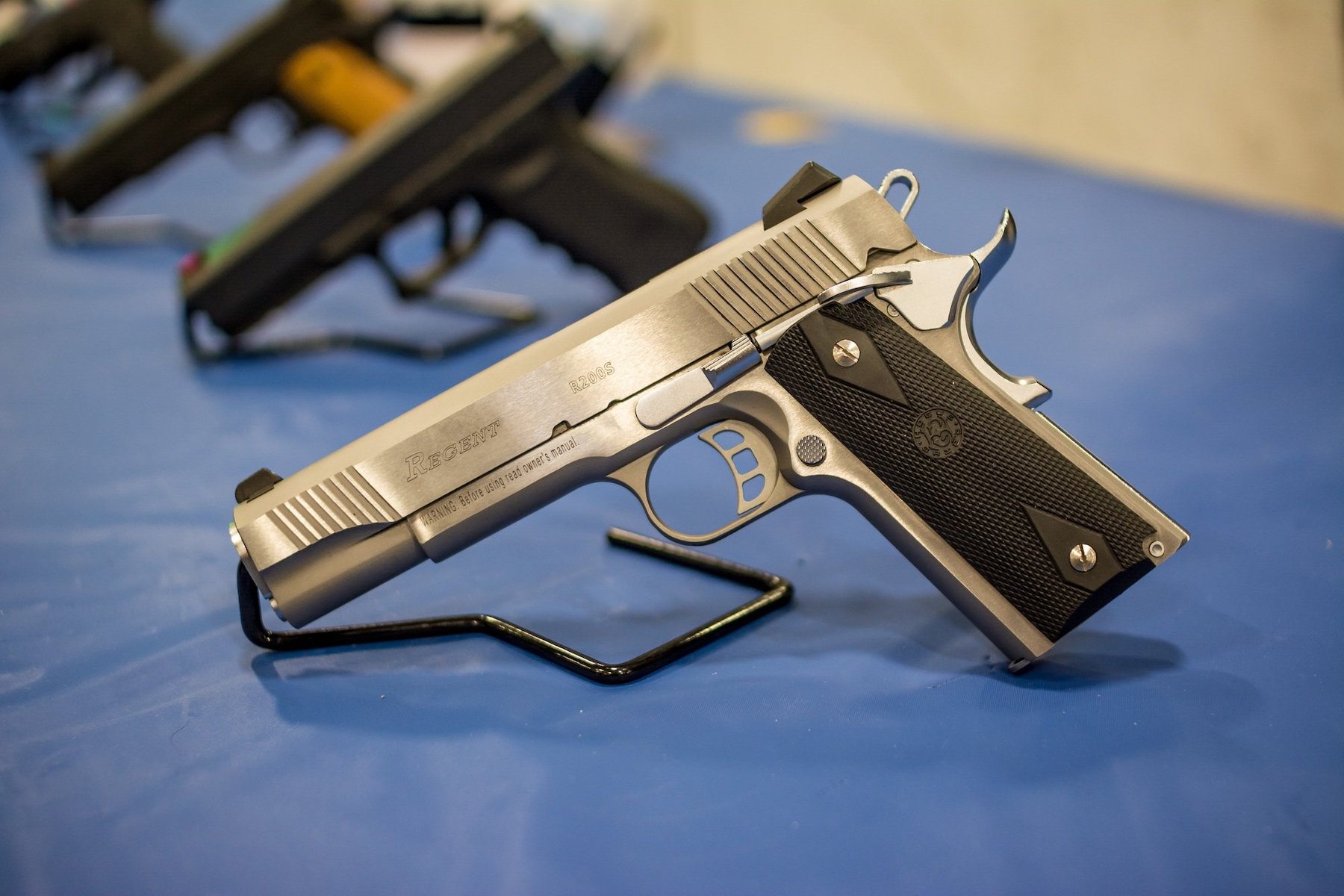
The Texas approach to gun ownership is often viewed through the lens of its gun-friendly laws, but responsible acquisition involves more than just a willingness to purchase. It requires adherence to federal and state regulations, ensuring that any firearm acquisition is done legally and safely. Whether you’re a resident planning to exercise your Second Amendment rights or a visitor curious about the state’s firearm landscape, this information is designed to be comprehensive and accessible.
Navigating the Legal Landscape: Federal and State Requirements
Purchasing a firearm, whether it’s a handgun for personal protection or a rifle for sport shooting, is governed by a layered set of laws. In Texas, as across the United States, federal law sets the baseline, while the state introduces its own regulations. Understanding these distinct yet overlapping requirements is the first crucial step.
Federal Eligibility Criteria
At the federal level, established by the Gun Control Act of 1968, there are universal criteria that apply to all firearm purchases. These are designed to prevent firearms from falling into the wrong hands.
- Age Requirements: To purchase a rifle or shotgun from a licensed dealer, you must be at least 18 years old. For handguns, the minimum age is 21 years old. This age restriction is a fundamental aspect of federal firearm law.
- Residency: While not always a strict barrier, residency can play a role, especially when purchasing across state lines. For most purchases within Texas from a Texas-based dealer, you will need to prove you are a resident of Texas.
- Criminal History: Individuals convicted of a felony or certain misdemeanors are prohibited from owning firearms. This includes crimes involving domestic violence. A thorough background check, conducted through the National Instant Criminal Background Check System (NICS), is a mandatory part of the process for purchases from licensed dealers.
- Mental Health: Individuals who have been adjudicated as mentally defective or who have been committed to a mental institution are prohibited from possessing firearms.
- Other Prohibitions: Federal law also prohibits individuals who are unlawful users of or addicted to controlled substances, who have renounced their U.S. citizenship, who are subject to a court order restraining them from harassing, stalking, or threatening an intimate partner or child, or who have been dishonorably discharged from the armed forces from possessing firearms.
Texas-Specific Regulations
Beyond federal mandates, Texas has specific laws that govern firearm possession and purchase. These often focus on licensing, carrying, and additional considerations for Texas residents.
- Handgun Purchase Requirements: For handguns, Texas law aligns with federal law requiring individuals to be at least 21 years old and to pass a background check. Unlike some states, Texas does not have a mandatory waiting period between purchasing a handgun and taking possession of it, provided all legal requirements are met.
- Long Gun Purchase Requirements: For rifles and shotguns, the federal age of 18 applies, along with the federal background check. Again, Texas does not impose a waiting period for these types of firearms.
- Permitless Carry: Texas is a “constitutional carry” or “permitless carry” state. This means that eligible individuals 21 years of age and older can carry a handgun (openly or concealed) in most public places without a specific license. However, this does not negate the federal and state requirements for purchasing a firearm.
- License to Carry (LTC): While not required for purchase or for permitless carry, obtaining a Texas License to Carry (LTC) can offer certain advantages. These include carrying in more locations than permitless carry allows, reciprocal carrying rights in other states, and potentially faster processing when purchasing firearms if you have an LTC (as it can serve as an alternative to the NICS check for those who are eligible). To obtain an LTC, you must be at least 21 years old, be a legal resident of Texas for at least six months, and complete a firearms proficiency course. You also must meet other eligibility criteria, including not having certain criminal convictions.
The Purchase Process: From Selection to Ownership
Acquiring a firearm involves a structured process designed to ensure legal compliance and responsible ownership. This process typically begins with selecting a firearm and culminates in its legal transfer to the buyer.
Choosing Your Firearm and Finding a Dealer
The first step in the purchase process is deciding what type of firearm best suits your needs, whether for sport shooting at a range like the Big Easy Ranch, home defense, or collecting. Texas offers a wide array of firearm types, from compact pistols to long-range rifles and shotguns.

Once you have an idea of what you’re looking for, the next step is to find a licensed firearms dealer. These are typically gun shops, sporting goods stores, or individuals who hold a Federal Firearms License (FFL).
- Licensed Dealers: Purchasing from an FFL dealer is the most common and secure way to buy a firearm legally. These dealers are regulated by the Bureau of Alcohol, Tobacco, Firearms and Explosives (ATF) and are required to follow all federal and state laws regarding sales, including conducting background checks.
- Private Sales: In Texas, private sales between individuals are generally permitted without requiring the seller to be an FFL holder or for a background check to be conducted. However, it is illegal for a private seller to knowingly sell a firearm to someone who is prohibited by law from possessing one. While this may seem simpler, it carries a greater risk for both parties if not handled with extreme care and knowledge of the law. For individuals prioritizing safety and legal certainty, purchasing from an FFL dealer is highly recommended.
The Background Check and Paperwork
When you purchase a firearm from an FFL dealer in Texas, you will be required to complete ATF Form 4473. This is a federal document that requires you to provide personal information, answer questions about your eligibility to own a firearm, and certify the accuracy of your answers.
- Form 4473: This form is crucial. Lying on Form 4473 is a federal offense and can result in severe penalties. It collects information such as your name, address, date of birth, and answers to questions designed to determine if you are prohibited from owning a firearm.
- NICS Check: After you complete Form 4473, the FFL dealer will initiate a NICS check. This system queries federal and state databases to determine if you are legally eligible to purchase a firearm. The check can result in an approval, a denial, or a delay.
- Approval: If approved, you can generally complete the purchase immediately, provided there are no Texas-specific waiting periods (which, as noted, Texas does not have for firearm purchases).
- Denial: If denied, the sale cannot proceed. You will be informed of the reason for the denial and your options for appeal.
- Delay: In some cases, the NICS check may be delayed while additional information is sought. Federal law allows dealers to proceed with the sale after three business days if no further information is received from NICS. However, some states have their own laws regarding delays, and Texas does not mandate a specific delay period beyond the federal allowance.
Finalizing the Transfer
Once the background check is cleared and all paperwork is complete, the firearm can be transferred to you. It’s essential to ensure you understand the safe storage and handling of your new firearm immediately. Responsible gun ownership includes ongoing education and adherence to all laws.
Beyond the Purchase: Responsible Ownership and Safety
Acquiring a firearm is just the beginning of responsible gun ownership. In Texas, as elsewhere, prioritizing safety, proper training, and adherence to laws are paramount.
Safety Training and Education
While Texas does not mandate specific safety courses for purchasing firearms (though a course is required for an LTC), acquiring knowledge about firearm safety is highly encouraged for all owners.
- Safe Handling: Understanding fundamental firearm safety rules – such as always treating every firearm as if it were loaded, never pointing a firearm at anything you are not willing to destroy, keeping your finger off the trigger until you are ready to shoot, and being sure of your target and what is beyond it – is critical.
- Storage: Secure storage of firearms is a vital aspect of preventing accidents and unauthorized access, especially in households with children. Texas law does not mandate specific safe storage methods for all situations, but responsible owners utilize gun safes, lockboxes, or trigger locks.
- Training Courses: Numerous organizations and certified instructors offer firearms training courses in Texas. These courses can cover marksmanship, safe handling, storage, and relevant Texas laws. For those considering an LTC, the required course provides a solid foundation in these areas.

Legal Considerations for Ownership and Carrying
Understanding how you can legally possess and carry your firearm in Texas is as important as the purchase itself.
- Where You Can Possess: Firearms are generally allowed in private homes and on private property. Restrictions apply to certain federal and state buildings, schools, polling places on election days, and other designated locations. Knowledge of these restricted areas is essential to avoid legal trouble.
- Carrying in Public: As mentioned, Texas has permitless carry for eligible individuals. However, there are still locations where carrying a handgun is prohibited, even with permitless carry or an LTC. This includes K-12 schools, correctional facilities, and federal property. An LTC may grant privileges in some areas where permitless carry is not allowed, but it is crucial to be aware of all exceptions and regulations.
- Responsible Use: The laws in Texas, like elsewhere, govern the use of force. Understanding the legal principles of self-defense and the justifiable use of deadly force is a critical component of responsible firearm ownership.
In conclusion, purchasing a gun in Texas requires careful attention to both federal and state regulations. By understanding the eligibility requirements, the purchasing process, and the ongoing responsibilities of safe and legal ownership, individuals can navigate this aspect of Texas life with confidence and compliance. Whether your interest in Texas is driven by its natural beauty, its vibrant culture, or its unique lifestyle, a thorough understanding of firearm laws contributes to being a well-informed and responsible resident or visitor.
LifeOutOfTheBox is a participant in the Amazon Services LLC Associates Program, an affiliate advertising program designed to provide a means for sites to earn advertising fees by advertising and linking to Amazon.com. Amazon, the Amazon logo, AmazonSupply, and the AmazonSupply logo are trademarks of Amazon.com, Inc. or its affiliates. As an Amazon Associate we earn affiliate commissions from qualifying purchases.