
Embarking on a journey to acquire a Texas identification card, whether you’re a new resident drawn to the allure of the Lone Star State’s vast landscapes or a seasoned traveler planning an extended stay, is a fundamental step in integrating into the local fabric. While the primary purpose of a Texas ID is often associated with official identification for various transactions, it also serves as a key that can unlock a richer experience of the state’s diverse offerings. From navigating the vibrant streets of Austin to exploring the historic missions of San Antonio, a valid ID can streamline your interactions and allow you to fully immerse yourself in the local tourism and lifestyle. This guide will delve into the essential requirements and considerations for obtaining this crucial document, ensuring your transition into Texas is as smooth and enriching as possible.
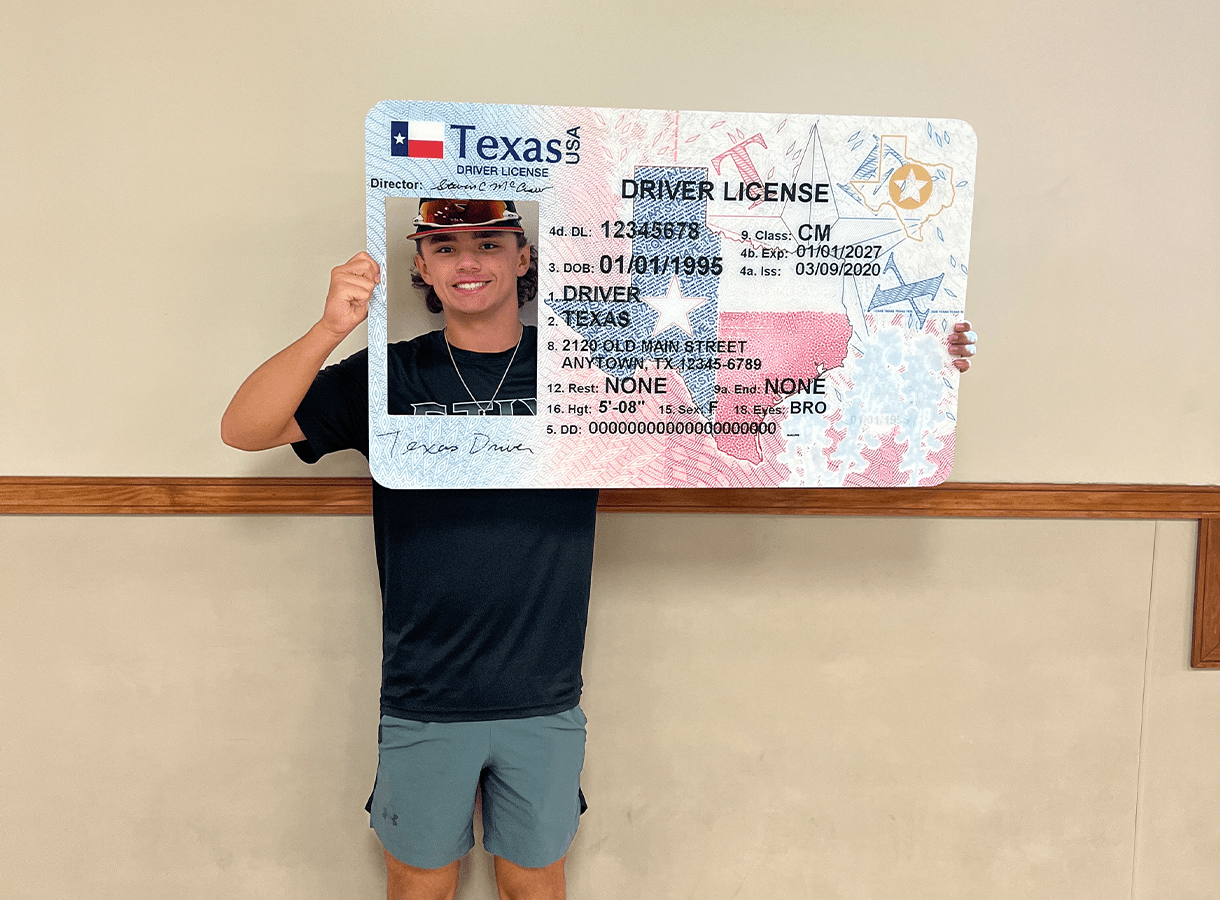
Understanding the Texas ID and Its Significance
A Texas identification card, issued by the Texas Department of Public Safety (DPS), is a non-driver identification card that serves as official proof of identity. It’s particularly important for individuals who do not drive or do not possess a Texas driver’s license. Beyond its official capacity, having a Texas ID can enhance your travel and leisure experiences within the state. For instance, when booking accommodations at a charming resort like the The Ritz-Carlton, Dallas, or a boutique hotel in Marfa, a valid ID is often a prerequisite. Similarly, when exploring the diverse attractions, from the historical depths of the Alamo to the natural beauty of Big Bend National Park, having your official identification readily available can simplify entry and participation in various activities. It’s also a gateway to understanding and engaging with the local culture, whether you’re sampling authentic Tex-Mex cuisine in El Paso or attending a music festival in Fort Worth.
Types of Identification and Documentation
The process of obtaining a Texas ID is designed to be thorough, ensuring the authenticity of applicants. This involves presenting a specific set of documents that verify your identity, lawful presence in the United States, and Texas residency. The DPS adheres to strict guidelines, often aligning with federal requirements for proof of identity. Understanding these requirements is the first and most crucial step.
Proof of Identity
To establish your identity, you’ll need to provide at least one primary document. Acceptable primary documents typically include:
- A certified copy of your birth certificate (issued by a vital statistics office).
- A valid U.S. Passport.
- A U.S. Certificate of Naturalization or Citizenship.
- A valid Permanent Resident Card (Form I-551).
- A U.S. Citizen Identification Card (Form I-197 or I-179).
- A Consular Report of Birth Abroad.
These documents are considered the strongest evidence of your identity and are generally accepted without question. It’s important to ensure that the name on your identity document matches the name you wish to appear on your Texas ID. Any discrepancies may require additional documentation to resolve. For example, if you’ve recently changed your name due to marriage or divorce, you’ll need to provide a legal document, such as a marriage certificate or divorce decree, to support the change.
Proof of Lawful Presence
In addition to proving your identity, you must demonstrate your lawful presence in the United States. This is particularly relevant for individuals who are not U.S. citizens. Accepted documents for lawful presence include:
- A valid U.S. Passport.
- A valid Permanent Resident Card (Form I-551).
- A foreign passport with a valid U.S. visa and a U.S. Department of Homeland Security arrival/departure record (I-94).
- An Employment Authorization Document (EAD) (Form I-766).
- A valid foreign passport endorsed with a U.S. visa and Form I-94.
The Texas DPS website provides a comprehensive and up-to-date list of all acceptable documents for lawful presence. It is highly recommended to consult this official source before your appointment to avoid any last-minute complications. For instance, a visa alone may not be sufficient; it often needs to be accompanied by the I-94 form.
Proof of Social Security Number (SSN)
While you don’t need to present your physical Social Security card, you will need to provide proof of your Social Security Number. This can be done by presenting one of the following:
- A Social Security card.
- A W-2 form.
- A pay stub with your name and SSN clearly printed.
- A Social Security Administration (SSA) letter showing your SSN.
The SSN must be valid and not expired. If you do not have a Social Security Number, you may be eligible for an ID under specific circumstances, but this typically requires additional documentation and may involve a different application process.
Proof of Texas Residency
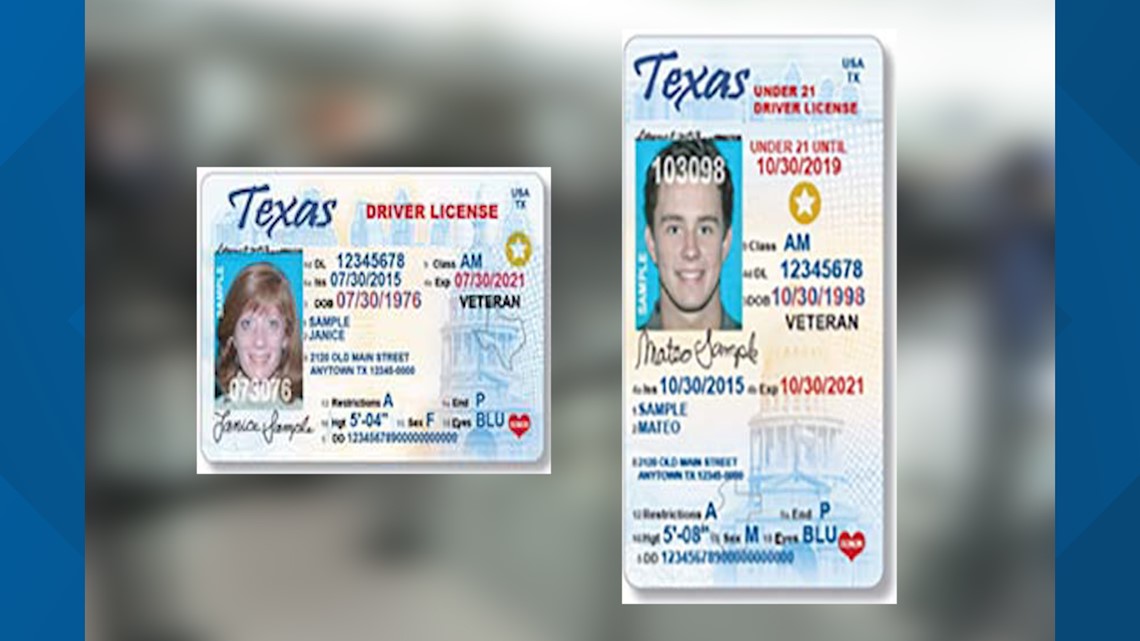
Establishing that you are a resident of Texas is a critical part of the application process. You will need to provide at least two different documents that show your Texas address. These documents must be current and not expired. Examples of acceptable residency documents include:
- Utility bills (electricity, gas, water, internet, cable).
- Rental or lease agreements.
- Mortgage statements.
- Bank statements or credit union statements.
- Insurance policies (auto, home, life).
- Voter registration card.
- A letter from a homeless shelter or social service agency.
- Property tax statements.
It’s important that these documents clearly display your full name and Texas street address. P.O. Box addresses are generally not accepted for residency verification, though some exceptions may apply for certain official documents. For those planning to stay in Texas for an extended period, perhaps exploring Texas hill country or considering a long-term stay in a Galveston apartment, securing these residency documents is a vital step.
The Application Process and Requirements
Once you have gathered all the necessary documentation, the next step is to navigate the application process. This typically involves visiting a Texas DPS driver license office, completing an application form, and potentially taking a photograph.
Scheduling an Appointment and Visiting a DPS Office
It is highly recommended to schedule an appointment at your local Texas DPS office beforehand. This can significantly reduce your waiting time and ensure a smoother experience. You can usually schedule appointments online through the Texas DPS website. Be prepared for potential wait times even with an appointment, especially during peak hours.
Completing the Application Form
You will be required to fill out the official Application for Texas Identification Card (Form DL-180). This form will ask for personal information, including your name, address, date of birth, and other relevant details. It is crucial to fill out the form accurately and completely to avoid any delays. You can often download this form in advance from the Texas DPS website to familiarize yourself with its contents.
The Photo and Signature
During your visit, you will have your photograph taken for the identification card. You will also be asked to provide your signature, which will be electronically captured and appear on your ID. It’s a good idea to dress presentably for your photo, as this will be the image associated with your official identification for several years.
Fees and Payment
There is a fee associated with obtaining a Texas ID. The exact amount can vary slightly, so it’s best to check the current fee schedule on the Texas DPS website. Payment methods accepted may include cash, check, money order, or credit/debit cards. It’s always a good idea to confirm the accepted payment options with the specific office you plan to visit.
Navigating the Texas Experience with Your ID
Once you have your Texas ID in hand, a world of experiences within the Lone Star State opens up more readily. This ID is not just a document; it’s a facilitator of engagement with the vibrant culture, diverse attractions, and rich history that Texas has to offer.
Enhancing Travel and Tourism Experiences
For travelers and tourists, a Texas ID can simplify many aspects of their visit. It can be used for various purposes beyond just identification, such as:
- Accommodation Bookings: When booking hotels, resorts, or even vacation rentals, having a Texas ID can streamline the check-in process and fulfill certain verification requirements, especially for longer stays or when making reservations directly. This is true whether you’re looking at a luxury suite at the Hotel San Jose in Austin or a family-friendly resort near Galveston Island.
- Attraction Entry: While not always mandatory, some attractions or tour operators may require identification for entry or participation in certain activities. Having your ID ensures you won’t be caught off guard. This can be particularly helpful when visiting historical landmarks like the Texas State Capitol or engaging in adventure tours in the Texas Hill Country.
- Rental Services: If you decide to rent a car, a boat, or even specialized equipment for an outdoor adventure, your Texas ID will be a necessary form of identification. This allows you to freely explore places like San Antonio Riverwalk or venture out to explore the unique art scene in Marfa.

Experiencing Local Culture and Lifestyle
The Texas ID also acts as a key to unlocking a deeper understanding and appreciation of the state’s unique lifestyle and culture. Whether you’re enjoying the culinary delights of Houston or immersing yourself in the live music scene of Austin, your ID signifies your connection to the state.
- Age Verification: For activities that have age restrictions, such as entering certain venues or purchasing specific items, your Texas ID serves as definitive proof of your age. This is crucial for enjoying the diverse nightlife and entertainment options across Texas.
- Accessing Local Services: As you settle into Texas, whether for business stays or leisure, your ID will be instrumental in accessing various local services, from opening bank accounts to signing up for community programs. It signifies your integration into the local community.
- Participating in Events: Many local events, festivals, and even volunteer opportunities may require some form of official identification. Having your Texas ID ensures you can fully participate in the vibrant community life that the state offers, from the State Fair of Texas to smaller, local gatherings.
The journey to obtaining a Texas ID is a structured but manageable process. By understanding the documentation requirements, completing the application accurately, and knowing how this identification can enhance your experiences, you can confidently navigate your way into the heart of Texas and fully embrace all that the Lone Star State has to offer, from its breathtaking landmarks and diverse attractions to its unique culture and lifestyle.
LifeOutOfTheBox is a participant in the Amazon Services LLC Associates Program, an affiliate advertising program designed to provide a means for sites to earn advertising fees by advertising and linking to Amazon.com. Amazon, the Amazon logo, AmazonSupply, and the AmazonSupply logo are trademarks of Amazon.com, Inc. or its affiliates. As an Amazon Associate we earn affiliate commissions from qualifying purchases.