
Embarking on a journey through the vast and diverse landscapes of Texas, whether for leisure, business, or a new chapter of your life, often necessitates a valid form of identification. A Texas ID card serves as a crucial document, proving your identity and residency within the Lone Star State. This guide is designed to demystify the process of obtaining your Texas ID, ensuring you have all the necessary documentation readily available, much like packing for an exciting trip to a new destination or ensuring smooth check-in at a luxurious resort. Think of this as your essential travel checklist, but for official state matters.

Navigating the requirements for official documents can sometimes feel as intricate as planning an itinerary filled with visits to historical landmarks or exploring the vibrant local culture of a new city. However, with a clear understanding of the required items, the process becomes straightforward. This article will walk you through the essential documents you’ll need to present to the Texas Department of Public Safety (DPS) to secure your Texas ID. We will cover the core categories of proof you must provide, from establishing your identity to confirming your residency in Texas. Understanding these pillars of documentation will equip you to confidently approach the application process, making your experience as seamless as booking your dream villa or finding the perfect family-friendly hotel.
Establishing Your Identity: The Foundation of Your Texas ID
The primary purpose of a Texas ID card is to verify who you are. Therefore, the documents you present must unequivocally prove your identity. The Texas DPS categorizes these as “Proof of Identity” documents, and you will need to present one from this list. This is akin to needing your passport to board an international flight; it’s the absolute first step in confirming your identity on a global scale. For your Texas ID, the state requires a document that contains your full legal name and your date of birth.
Primary Identification Documents
Among the most commonly accepted primary identification documents are:
- U.S. Driver License or Identification Card: If you possess a current or recently expired driver license or ID card from another U.S. state, this is usually sufficient proof of identity. This is the most direct route if you’ve already gone through a similar verification process in another state, much like using a previously booked hotel confirmation for a familiar chain.
- U.S. Passport: A valid U.S. passport is a universally recognized and accepted form of identification. It provides robust proof of both identity and citizenship, essential for many official processes. Imagine this as your golden ticket to international travel; it carries immense weight in proving who you are.
- U.S. Certificate of Naturalization: For those who have become U.S. citizens through naturalization, this document is a key identifier.
- U.S. Certificate of Citizenship: Similar to the Certificate of Naturalization, this document verifies U.S. citizenship.
- U.S. Permanent Resident Card: For individuals lawfully residing in the United States, this card serves as proof of identity and legal status.
- Foreign Passport: A valid passport issued by a foreign country can also be used, often in conjunction with other documents depending on your immigration status.
These documents are designed to be difficult to forge and contain significant personal information, making them reliable for identity verification. When preparing for your visit to the DPS, ensure that the name on your chosen identity document is your full legal name. Any discrepancies, such as a married name on one document and a maiden name on another, can cause delays. It’s always best to have supporting documents that show the legal change of name, such as a marriage certificate, if this is the case. This thoroughness is comparable to ensuring all your travel details, from flight numbers to hotel reservations, perfectly match your passport.
Secondary Identification Documents
In some instances, a primary document might not be available or may have minor discrepancies. In such cases, you might be able to combine a primary document with a secondary document. However, for the purpose of obtaining a Texas ID, the DPS strongly emphasizes the need for one of the primary documents listed above. The focus for the Texas ID application is on a robust, singular proof of identity. If you are unsure whether your document meets the criteria, it is always advisable to contact the Texas DPS directly or visit their official website for the most up-to-date information and specific examples. This proactive approach saves time and avoids potential frustration, much like confirming hotel amenities before booking a resort.
Confirming Your Residency: Proving You Live in Texas
Beyond establishing your identity, the Texas DPS needs to confirm that you are a resident of Texas. This requirement is crucial for issuing a state-specific identification card. Proof of residency demonstrates your connection to the state, whether you are a long-term resident, a new arrival establishing a life in Texas, or someone planning an extended stay for business or leisure. This is similar to providing an address for your accommodation booking; it anchors your application to a physical location.
You will need to present at least one document that clearly shows your Texas address. The name on the residency document should match the name on your identity document. Again, if there are differences due to a name change, be prepared to provide supporting documentation. The DPS generally accepts documents that are reasonably current, typically issued within the last 60 to 90 days, to ensure the information is up-to-date.
Accepted Proof of Residency Documents
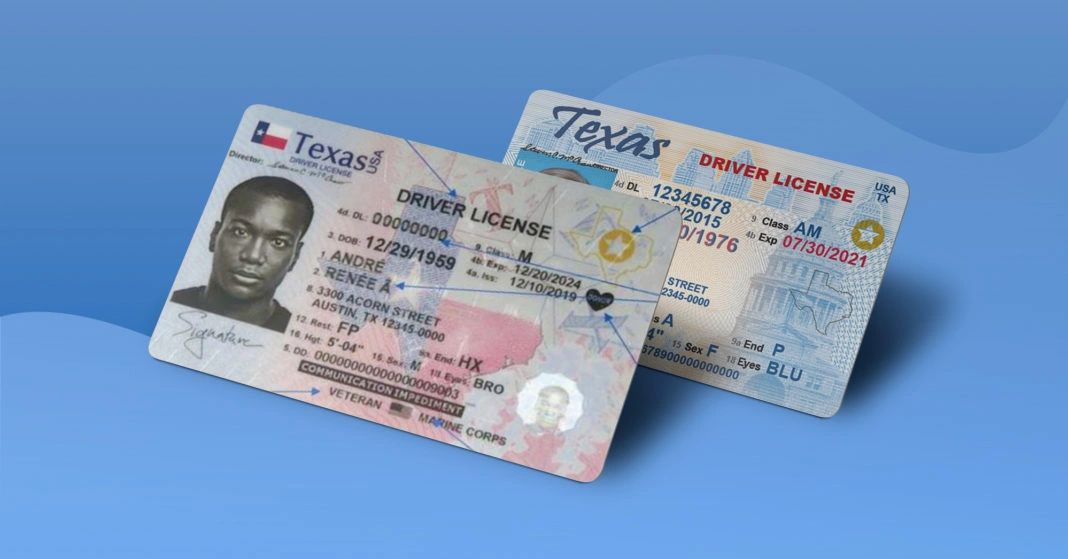
Here are some of the most common and acceptable documents to prove your Texas residency:
- Utility Bills: This is a very common form of proof. This includes bills for electricity, gas, water, or internet services for your Texas residence. Ensure the bill clearly displays your name and current address. A recent bill from providers like TXU Energy or Reliant Energy is often accepted.
- Lease Agreements or Mortgage Statements: If you rent or own your home in Texas, a current lease agreement or a recent mortgage statement will serve as excellent proof of residency. This is a strong indicator of your long-term commitment to residing in the state, much like securing a long-term accommodation in a new city.
- Bank Statements: Statements from a Texas-based bank or credit union that show your name and Texas address are typically accepted. Ensure the statement is recent and clearly displays all necessary information.
- Texas Voter Registration Certificate: If you are registered to vote in Texas, your voter registration certificate can be used as proof of residency.
- Property Tax Records: Official documents related to property taxes for your Texas residence can also be used.
- Insurance Policies: Current insurance policies for your home or automobile that list your Texas address can be a valid form of proof.
- Mail from Government Agencies: Official mail received from federal, state, or local government agencies addressed to you at your Texas residence may also be accepted. This could include tax documents or correspondence from other state departments.
- Pay Stubs: Recent pay stubs from an employer in Texas that include your name and address can sometimes be used, especially if they are detailed and official.
It’s important to note that documents like P.O. Box addresses are generally not accepted as proof of residency. The DPS needs to confirm a physical residential address. When gathering these documents, think of it as collecting all the necessary information for a travel guide to your chosen Texas destination; you need specific details to navigate successfully.
Social Security Number and Other Requirements
In addition to proving your identity and residency, there are a few other key requirements to be aware of when applying for a Texas ID card. These are standard procedures designed to ensure accuracy and compliance with state and federal regulations.
Social Security Number (SSN)
You will need to provide your Social Security Number (SSN). This is a critical piece of information used for various state and federal purposes, including verifying your identity and ensuring compliance with identification laws.
- Social Security Card: The most straightforward way to prove your SSN is by presenting your original Social Security card.
- W-2 Form or 1099 Form: If you do not have your Social Security card readily available, a W-2 form (Wage and Tax Statement) or a 1099 form (Non-employee Compensation) from a previous employer that clearly shows your SSN can often be used.
If you do not have a Social Security number, you may need to provide documentation stating why you are ineligible for one. This is a specific situation that requires direct consultation with the Texas DPS.
Legal Presence and Citizenship Status (If Applicable)
For non-U.S. citizens, proving legal presence in the United States is a mandatory part of the Texas ID application process. The specific documents required will depend on your immigration status. This could include:
- U.S. Birth Certificate: For U.S. citizens born in the United States.
- Valid U.S. Passport: As mentioned earlier, this is also proof of citizenship.
- I-94 Arrival/Departure Record: For non-immigrants entering the U.S.
- Employment Authorization Document (EAD): For individuals authorized to work in the U.S.
The Texas DPS website provides detailed lists of acceptable documents for various immigration statuses. It is crucial to review these carefully to ensure you have the correct documentation. This is akin to ensuring you have the right visa or travel permits for visiting a foreign country; your legal status in the U.S. is a prerequisite.

Application Form and Fees
Finally, you will need to complete the official Texas ID application form, which is available at any Texas DPS driver license office or can often be downloaded from their website. Be sure to fill it out accurately and completely. There will also be a fee associated with obtaining your Texas ID card. The exact amount can vary, so it’s wise to check the current fee schedule on the Texas DPS website. Having the correct application form and payment ready will streamline your visit, much like having your hotel booking confirmation and credit card ready for check-in.
By meticulously gathering these documents and understanding the requirements, you can navigate the process of obtaining your Texas ID with confidence. Whether you are a new resident exploring the charms of San Antonio, planning a business trip to Houston, or enjoying a relaxing retreat in the Texas Hill Country, having your official identification in order is a fundamental step in your Texas experience.
LifeOutOfTheBox is a participant in the Amazon Services LLC Associates Program, an affiliate advertising program designed to provide a means for sites to earn advertising fees by advertising and linking to Amazon.com. Amazon, the Amazon logo, AmazonSupply, and the AmazonSupply logo are trademarks of Amazon.com, Inc. or its affiliates. As an Amazon Associate we earn affiliate commissions from qualifying purchases.