
The acronym “Texas A&M” is instantly recognizable to many, especially within the United States, conjuring images of spirited athletic events, robust academic programs, and a distinct university culture. However, for those outside its immediate sphere of influence, the “M” in this storied institution can be a source of genuine curiosity. This article delves into the meaning behind the “M,” exploring its historical context and the broader significance of the university’s naming conventions, all while considering the diverse interests of travelers, those seeking accommodation, and enthusiasts of local culture and landmarks.
The Genesis of “Texas A&M”: A Historical Perspective
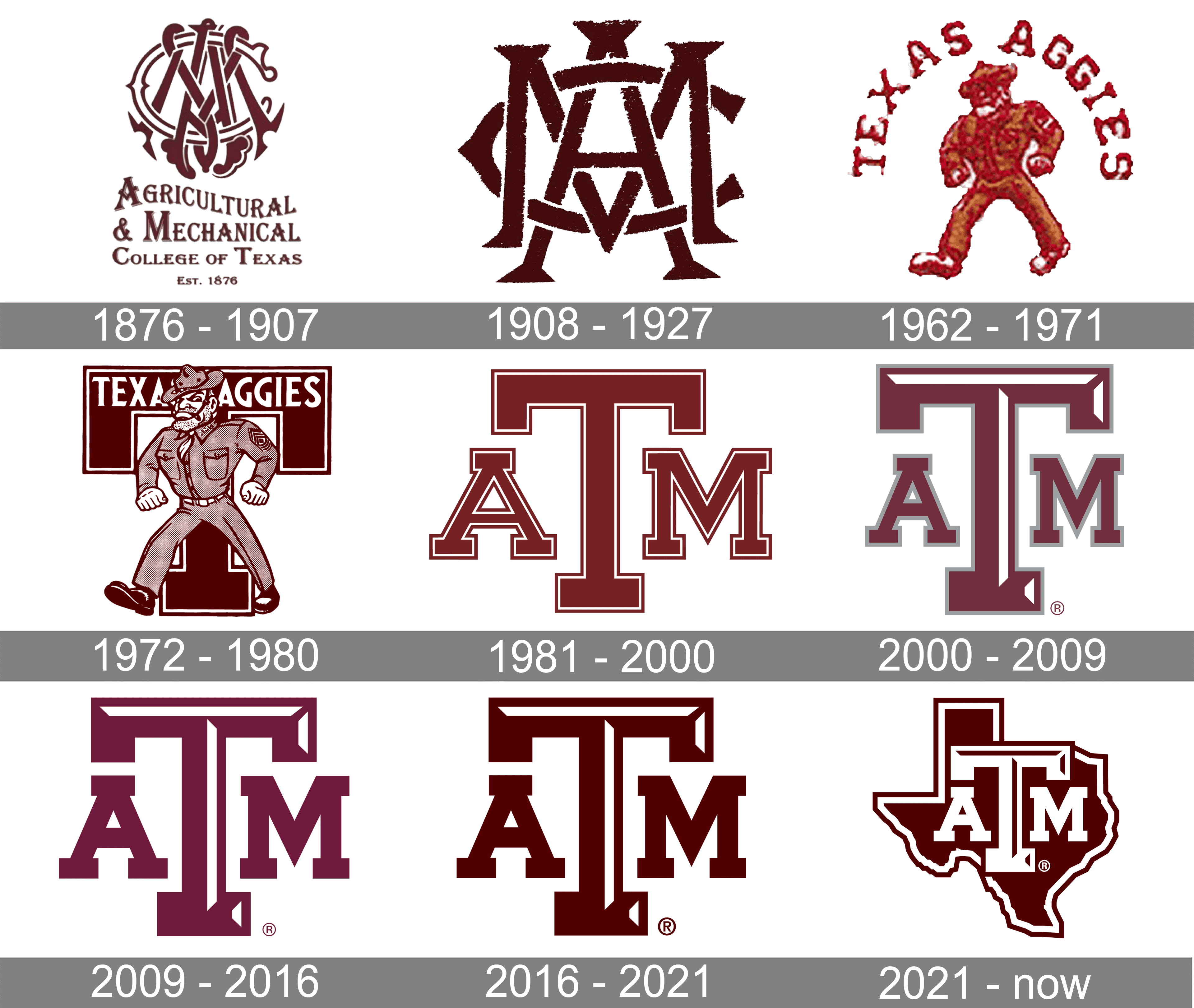
To understand the “M,” we must first journey back to the university’s origins. Texas A&M University was established in 1876 as the Agricultural and Mechanical College of Texas. This original name is crucial to unraveling the mystery of the “M.” The founding mission of the institution was rooted in the Morrill Act of 1862, also known as the Land-Grant Act. This pivotal federal legislation encouraged states to establish colleges that provided practical education in agriculture, mechanical arts, and military tactics, in addition to liberal arts and sciences.
The “A” and the “M”: Cornerstones of the Original Mission
The “A” in Texas A&M stands for “Agricultural.” This signifies the university’s initial and enduring commitment to agricultural sciences, a field vital to the prosperity of Texas and the nation. The “M,” therefore, stands for “Mechanical.” This component of the name reflects the focus on engineering, industrial arts, and applied sciences, equipping students with the skills needed for the burgeoning industrial era. Together, “Agricultural and Mechanical” represented a forward-thinking approach to higher education, emphasizing vocational and technical training alongside traditional academic pursuits.
The choice of this dual focus was deliberate. In the late 19th century, the nation was rapidly transforming. Industrialization was gaining momentum, and advancements in agricultural practices were essential for feeding a growing population. The Agricultural and Mechanical College of Texas was designed to be at the forefront of these developments, producing graduates who could contribute directly to the economic and technological advancement of Texas.
Evolution of the Name: From College to University
Over time, the institution’s offerings expanded significantly beyond its original agricultural and mechanical roots. As the scope of its academic programs broadened to include a wide array of disciplines, including arts, sciences, business, and medicine, the name evolved to better reflect its comprehensive nature. In 1963, the Texas Legislature officially changed the name to Texas A&M University. This change was more than just a rebranding; it signified the institution’s maturation into a full-fledged university with a vast and diverse academic portfolio.
Despite the name change, the university opted to retain the “A&M” designation. This decision was driven by a deep sense of tradition and a recognition of the historical significance of its founding principles. The “A&M” acronym became an indelible part of its identity, a nod to its legacy and the enduring spirit of its origins. It serves as a constant reminder of the university’s commitment to practical education and its role in shaping Texas‘s development.
Beyond the Acronym: The Enduring Spirit of Texas A&M
While the literal meaning of the “M” is straightforward, the broader implications of the “A&M” designation resonate deeply within the university community and beyond. It speaks to a unique culture, a distinct set of values, and a powerful sense of belonging that attracts students, faculty, and visitors alike. For those interested in exploring the rich tapestry of American higher education, understanding Texas A&M‘s history provides valuable context.
The Aggie Network: A Lifestyle Built on Tradition
The term “Aggie” is synonymous with Texas A&M students and alumni. This informal moniker is derived from “agriculture” and is a testament to the university’s foundational identity. The Aggie Network is renowned for its strength and loyalty, extending across the globe. This network fosters a sense of community and mutual support that is a significant aspect of the Texas A&M experience.
For travelers seeking to understand local culture, attending a Texas A&M event, such as a football game at Kyle Field, offers a profound immersion into this unique lifestyle. The traditions, the songs, and the sheer passion of the Aggie faithful create an atmosphere unlike any other. This is a prime example of how a landmark institution can shape and define a local tourism experience. The spirit of Texas A&M is woven into the fabric of College Station, making it a destination for those who appreciate deep-rooted traditions and a strong sense of community.
Exploring College Station: More Than Just a University Town
College Station, Texas, the proud home of Texas A&M University, offers a surprising array of attractions for visitors. While the university itself is a major draw, the city boasts a vibrant tourism scene that caters to diverse interests.
Landmarks and Historical Sites
Beyond the sprawling campus, visitors can explore various landmarks that tell the story of the region. The George H.W. Bush Presidential Library and Museum, located on the Texas A&M campus, is a significant attraction, offering a glimpse into the life and career of the 41st U.S. President. It’s a place where history buffs and those interested in American politics can find deep engagement.
For those with a penchant for nature, the L.T. Woods Research Park offers beautiful green spaces and opportunities for outdoor recreation. While perhaps not a globally recognized landmark in the vein of the Eiffel Tower, it represents the commitment to research and development that is a hallmark of Texas A&M.
Culinary and Experiential Tourism
The culinary scene in College Station has grown considerably, offering a taste of Texas hospitality. From down-home barbecue joints to more contemporary dining establishments, there are options to satisfy every palate. Exploring local eateries is a fantastic way to experience the regional flavors and connect with the community.
For families, College Station offers activities suitable for all ages. The Children’s Museum of the Brazos Valley provides interactive exhibits for younger visitors, while Veterans Park offers extensive recreational facilities. The city’s commitment to providing engaging experiences for residents and tourists alike is evident in its diverse offerings.
Accommodation and Lifestyle Choices
When visiting College Station, a range of accommodation options are available, catering to different travel styles and budgets. From comfortable hotels to extended-stay apartments, visitors can find suitable lodging.
For those seeking a more immersive experience, understanding the local lifestyle is key. Texas A&M‘s influence permeates the city, and many accommodations are geared towards visitors attending university events or visiting family. Hotels like the Hyatt Centric College Station or the Hilton College Station & Conference Center offer convenient access to campus and city attractions. For longer stays or those seeking a home-away-from-home feel, apartment rentals are also a popular choice. The availability of various accommodation types underscores the city’s readiness to welcome a diverse range of travelers, from business visitors to families on vacation.

Conclusion: The Enduring Legacy of “A&M”
In conclusion, the “M” in Texas A&M stands for “Mechanical,” a direct reflection of the university’s foundational purpose as the Agricultural and Mechanical College of Texas. Established in 1876 under the Morrill Act, its initial mission was to provide practical education in agriculture and mechanical arts, alongside military science and other disciplines. The subsequent evolution into Texas A&M University in 1963 marked its growth into a comprehensive research institution, but the retention of the “A&M” designation honors its rich history and enduring spirit.
For the traveler, the accommodation seeker, the culture enthusiast, and the history buff, Texas A&M and its surrounding city, College Station, offer a compelling destination. It’s a place where tradition meets innovation, where academic rigor is complemented by a vibrant community spirit, and where the legacy of “Agricultural and Mechanical” continues to shape the identity of one of America‘s most respected universities. Whether drawn by the academic prowess, the athletic fervor, or the unique cultural experiences, understanding the origins of its name provides a deeper appreciation for the institution and its place in the tapestry of Texas and beyond.
LifeOutOfTheBox is a participant in the Amazon Services LLC Associates Program, an affiliate advertising program designed to provide a means for sites to earn advertising fees by advertising and linking to Amazon.com. Amazon, the Amazon logo, AmazonSupply, and the AmazonSupply logo are trademarks of Amazon.com, Inc. or its affiliates. As an Amazon Associate we earn affiliate commissions from qualifying purchases.