
Navigating the Lone Star State often involves hitting the open road, whether you’re embarking on a grand adventure across Texas, exploring the vibrant streets of Austin, or venturing to the historic missions of San Antonio. For residents and those planning an extended stay, understanding Texas vehicle registration is not just a bureaucratic necessity; it’s a key to unlocking seamless travel and enjoying all the state has to offer. This guide delves into the intricacies of Texas vehicle registration, shedding light on what it entails and how to ensure you’re compliant, allowing you to focus on the exciting travel experiences awaiting you.
The process of registering a vehicle in Texas is managed by the Texas Department of Motor Vehicles (TxDMV), a state agency dedicated to overseeing motor vehicle-related services. Their mission is to provide efficient and effective services to the public, ensuring that all vehicles operating on Texas roads are properly identified and insured. For anyone planning a family trip or even a business stay involving a vehicle, understanding this process upfront can save considerable time and avoid potential complications.
Understanding the Fundamentals of Texas Vehicle Registration
At its core, vehicle registration in Texas is the process of officially recording your vehicle with the state. This process assigns a unique identifying number, the license plate, to your vehicle and ensures that it meets the state’s safety and insurance requirements. The registration is typically valid for one year, requiring renewal to continue legal operation on public roadways. For newcomers to the state, understanding the difference between a temporary permit and permanent registration is crucial, especially if you’ve recently relocated to explore the diverse lifestyle options Texas presents, from the bustling energy of Dallas to the laid-back charm of Houston.
Proof of Ownership and Residency
Before you can even think about registration, you’ll need to establish proof of ownership and residency. For newly purchased vehicles, this typically involves a Manufacturer’s Certificate of Origin (MCO) or a previous title. If you’re bringing a vehicle from another state, you’ll need the title from that state. Proving Texas residency is also a key step. This can be done through various documents, such as a utility bill, lease agreement, or driver’s license showing your Texas address. For those considering a long-term stay or investing in property in Texas, this is a fundamental requirement.
Vehicle Inspection
A significant component of Texas vehicle registration is the state’s vehicle inspection program. This program aims to ensure that vehicles meet certain safety and environmental standards. Before you can register your vehicle, it must pass a state safety inspection. This inspection checks essential components like brakes, lights, tires, and exhaust systems. In certain counties, particularly those with higher populations, an emissions test may also be required in addition to the safety inspection. This is a crucial step that contributes to the overall safety and environmental quality of Texas roads, impacting everything from a scenic drive through the Texas Hill Country to navigating the urban landscape.
Safety Inspection
The safety inspection is a comprehensive check of your vehicle’s critical safety features. Licensed inspection stations across Texas perform these inspections. Upon passing, you’ll receive an inspection sticker to display on your windshield and a certificate. This certificate is vital, as you’ll need it to complete your registration. It’s worth noting that the inspection requirements can vary slightly based on the age and type of vehicle. Understanding these nuances is part of mastering the Texas way of life.
Emissions Testing (Where Applicable)
In metropolitan areas of Texas, such as those surrounding Houston, Dallas-Fort Worth, and Austin, an emissions test is also a mandatory part of the inspection process for most gasoline-powered vehicles. This test measures the amount of pollutants emitted by your vehicle and ensures it meets the state’s clean air standards. Failing the emissions test means you’ll need to have the necessary repairs made before you can pass and proceed with registration. This contributes to the state’s commitment to environmental stewardship, a consideration for anyone who appreciates the natural beauty of Texas parks and reserves.
Obtaining Proof of Financial Responsibility (Insurance)
Texas law requires all vehicle owners to maintain proof of financial responsibility, commonly known as auto insurance. You must have at least the minimum liability coverage as mandated by the state. This insurance policy protects you and others in case of an accident. You will need to present proof of this insurance, such as an insurance card or policy declaration page, when you register your vehicle. Without valid insurance, your registration cannot be completed. For any travel through Texas, particularly a budget travel experience where every dollar counts, ensuring you have the legally required insurance is paramount.
The Registration Process: Step-by-Step
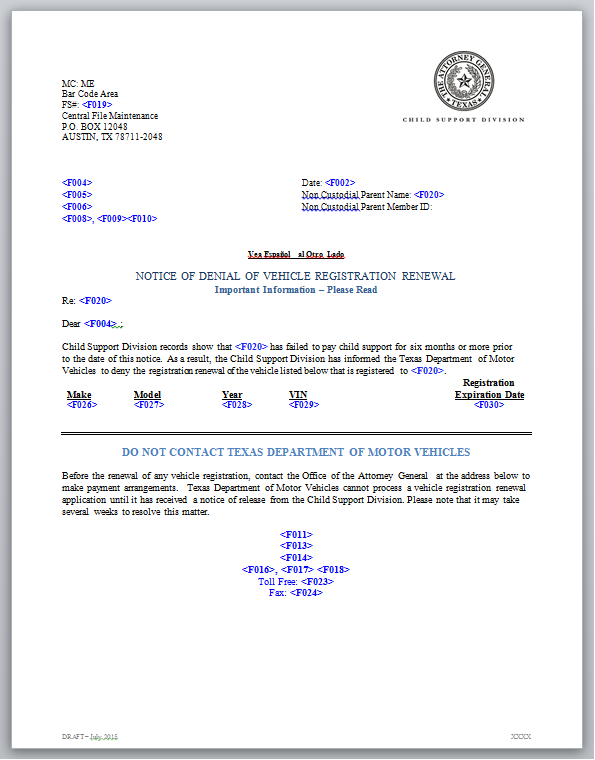
The Texas vehicle registration process, while thorough, is designed to be straightforward. Once you have your proof of ownership, residency, passed inspection, and insurance, you are ready to visit your local county tax assessor-collector’s office. These offices are the primary points of contact for vehicle registration and title services throughout the state.
Visiting the County Tax Assessor-Collector’s Office
The county tax assessor-collector’s office is where you will officially register your vehicle. You will need to bring all your documentation: proof of ownership, proof of residency, your vehicle inspection report, and proof of insurance. The staff at the office will review your documents, process your application, and collect the applicable fees. These fees vary depending on the type of vehicle and its weight. It’s always a good idea to check your county’s specific requirements beforehand, as some offices may offer online appointment scheduling or have specific hours of operation. For those planning a luxury travel experience or a lengthy vacation, handling this administrative task promptly ensures a stress-free start.
Fees and Payment
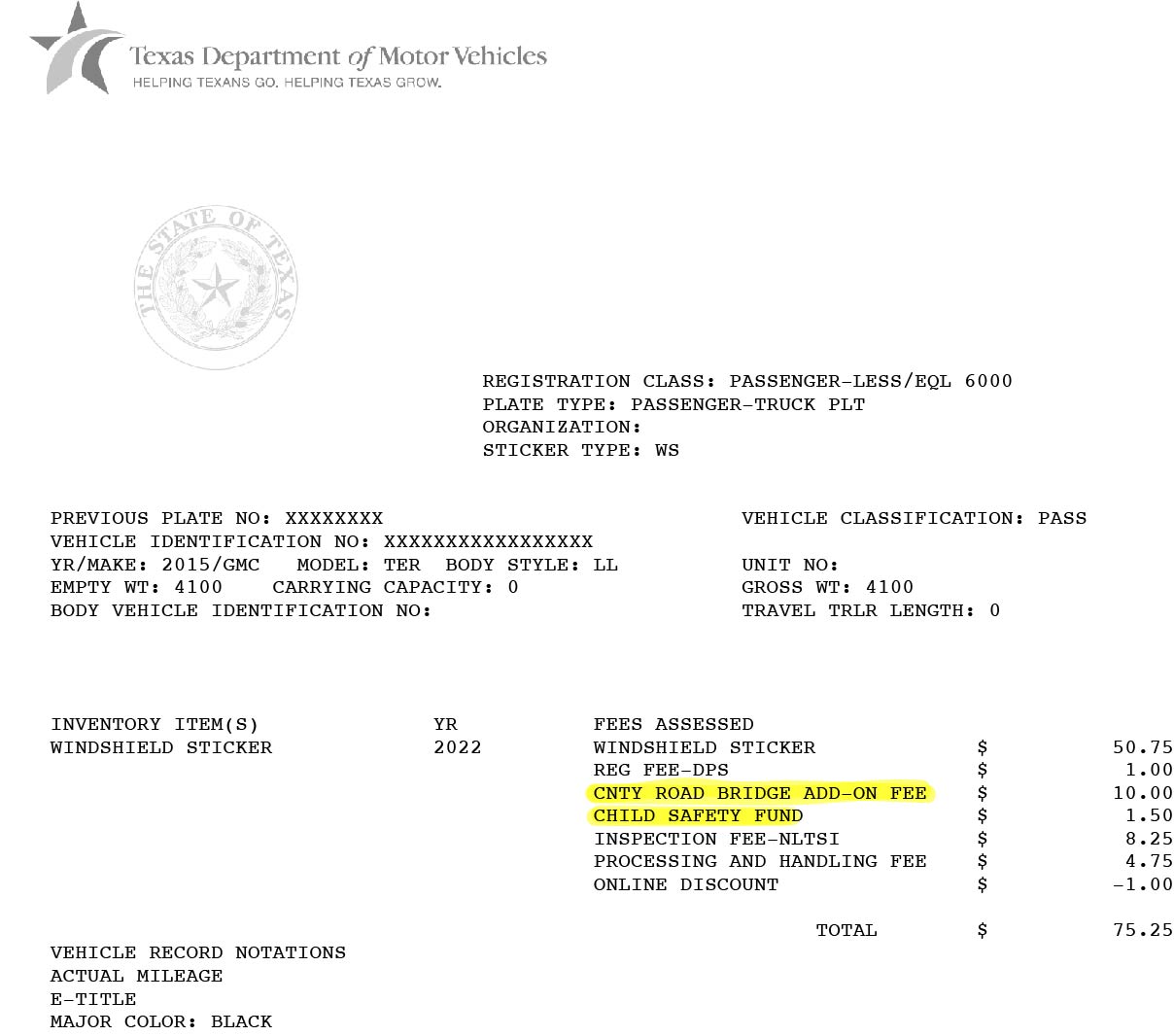
The cost of registering a vehicle in Texas can vary. General passenger vehicles typically have a base registration fee, which can be increased by other fees, such as those for the Regional Transit Authority or county and local services. Specialty plates, such as those supporting Texas State Parks or various organizations, may also incur additional costs. You can usually pay these fees with cash, check, or credit/debit card, though specific payment methods may vary by county. Planning your budget for this process is part of responsible lifestyle management for any Texas resident or frequent visitor.
Receiving Your Registration Sticker and License Plates
Upon successful completion of the registration process and payment of fees, you will receive your new Texas license plates, registration sticker, and a registration receipt. The registration sticker is typically affixed to your rear license plate and indicates the expiration month and year of your registration. It is crucial to keep your registration receipt with you in your vehicle, as it serves as proof of your current registration. For those who enjoy exploring the vast landscapes of Texas, from the deserts of West Texas to the coastlines of the Gulf Coast, having these documents in order is essential for any travel plans.
Renewal and Special Considerations
Vehicle registration in Texas is an annual requirement, and timely renewal is essential to avoid penalties. The TxDMV sends out renewal notices, but it is the owner’s responsibility to ensure their registration is current. There are also specific situations, such as transferring a title from out-of-state or registering a custom-built vehicle, that may involve additional steps or requirements.
Annual Renewal Process
To renew your vehicle registration, you can typically do so online, by mail, or in person at your county tax assessor-collector’s office. Online renewal is often the most convenient option, allowing you to complete the process from anywhere, provided your vehicle has passed its required inspections and you have current insurance. Mail-in renewals are also available, but it’s important to allow ample time for processing. In-person renewals offer direct assistance and immediate issuance of renewal documents. For frequent visitors or those with multiple vehicles, understanding the renewal timelines is key to maintaining compliance.
Out-of-State Vehicle Registration
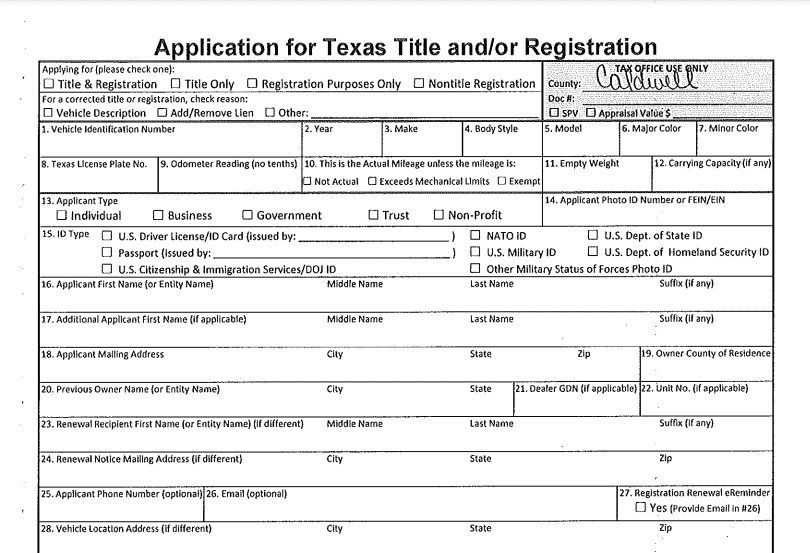
If you are moving to Texas and bringing a vehicle with you, you will need to register it in Texas within a specific timeframe after establishing residency. This process usually involves obtaining a Texas title for your vehicle and then registering it. You will need to surrender your out-of-state title and complete the necessary Texas title application. The vehicle will also need to pass a Texas state inspection, and you will need to provide proof of Texas auto insurance. This is a critical step for anyone considering a permanent relocation or an extended long-term stay in the state.
Specialty Plates and Unique Vehicles
Texas offers a wide array of specialty license plates, allowing vehicle owners to display support for various organizations, causes, or even personal interests. These plates often have an additional fee, but they provide a unique way to personalize your vehicle. For owners of custom-built vehicles, RVs, or motorcycles, there might be specific registration requirements or categories to adhere to. The TxDMV website provides detailed information on these specialized cases, ensuring all types of vehicles find their place on Texas roads, from antique cars to state-of-the-art recreational vehicles ready for travel to Big Bend National Park.
In conclusion, understanding Texas vehicle registration is a fundamental aspect of living in or frequently visiting the Lone Star State. From the initial steps of proving ownership and residency to passing state inspections and securing insurance, each component plays a vital role. By familiarizing yourself with the process, fees, and renewal requirements, you can ensure your vehicle is legally registered, allowing you to enjoy the freedom of the open road and all the incredible travel, tourism, and lifestyle opportunities Texas has to offer. Whether you’re planning a trip to Galveston or settling down near the iconic State Capitol Building in Austin, a properly registered vehicle is your ticket to adventure.
LifeOutOfTheBox is a participant in the Amazon Services LLC Associates Program, an affiliate advertising program designed to provide a means for sites to earn advertising fees by advertising and linking to Amazon.com. Amazon, the Amazon logo, AmazonSupply, and the AmazonSupply logo are trademarks of Amazon.com, Inc. or its affiliates. As an Amazon Associate we earn affiliate commissions from qualifying purchases.