
Texas, a state synonymous with vast landscapes, rich history, and a vibrant culture, also boasts an incredible diversity when it comes to its climate. This climatic variation directly impacts what can thrive in its gardens, making the question of “What gardening zone is Texas?” more complex than a single answer. Understanding these zones is crucial for anyone looking to cultivate a successful garden, whether you’re a seasoned horticulturist or a budding enthusiast planning a Texas adventure that includes exploring its natural beauty. For travelers interested in experiencing the diverse flora of the Lone Star State, knowing these zones can enhance your appreciation of local gardens, parks, and even the natural landscapes that define landmarks across the state.
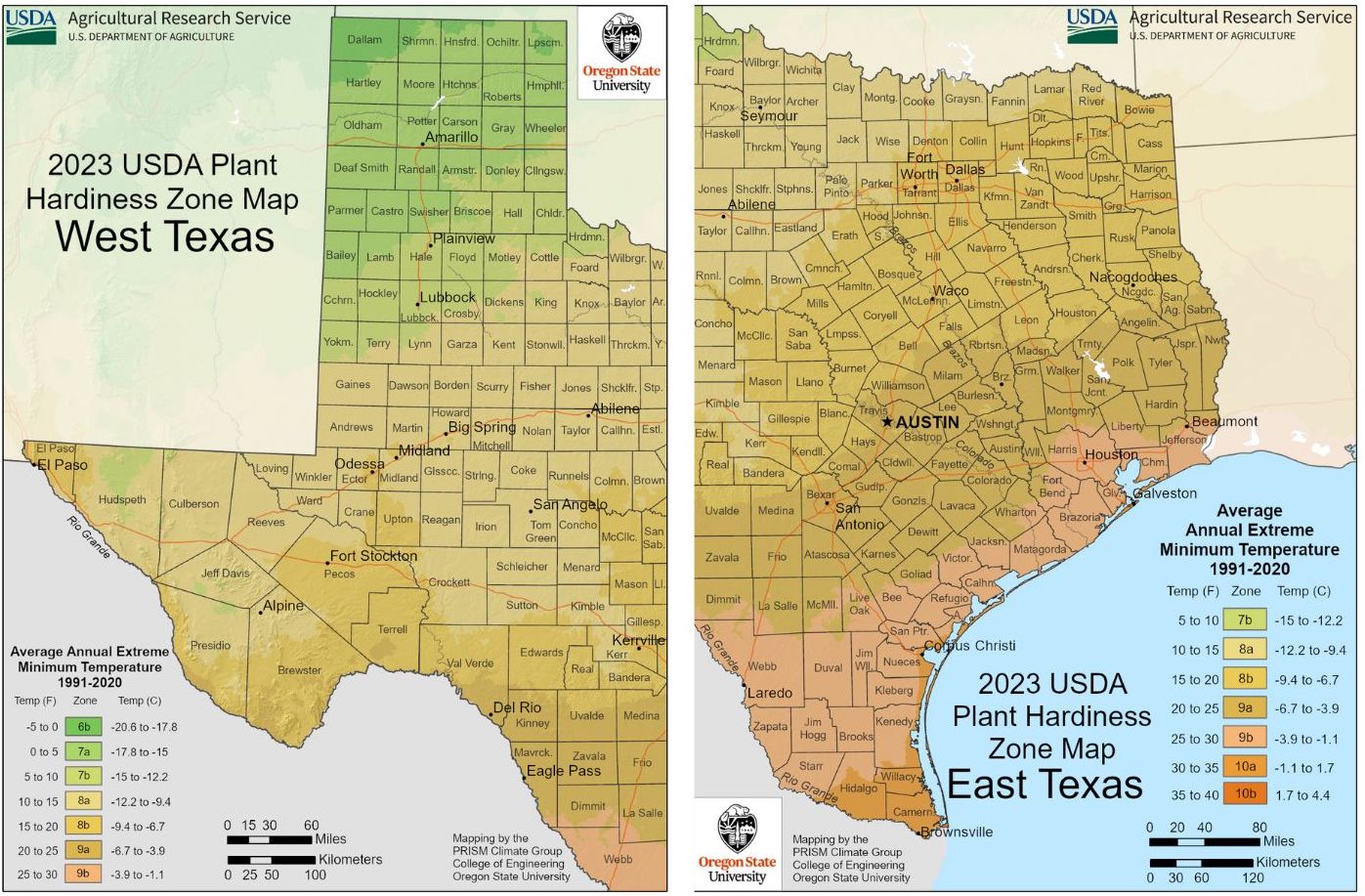
The concept of gardening zones, officially known as Hardiness Zones, was developed by the United States Department of Agriculture (USDA). These zones are based on the average annual minimum winter temperature, divided into 10-degree Fahrenheit increments. They serve as a fundamental guide for gardeners, indicating which perennial plants are most likely to survive the winter in a particular region. Texas, with its sheer size, spans multiple USDA Hardiness Zones, creating a fascinating mosaic of horticultural possibilities. This diversity is not just a boon for gardeners but also contributes to the unique appeal of Texas as a destination for those who appreciate nature and outdoor experiences. From the piney woods of East Texas to the arid plains of West Texas, the climate dictates a unique set of challenges and opportunities for plant life.
Navigating Texas’s Diverse Gardening Zones
Texas is a tapestry of climates, stretching from the subtropical humidity of the Gulf Coast to the semi-arid conditions of the Trans-Pecos region. This geographical spread means that different parts of the state fall into distinct USDA Hardiness Zones, ranging from Zone 7b in the northern panhandle to Zone 9b along the southern tip, with Zone 10a found in the southernmost coastal areas. This significant variation underscores why a one-size-fits-all approach to gardening in Texas is simply not feasible. Each zone presents its own set of challenges and opportunities, influencing everything from the types of flowers that can bloom vibrantly to the trees that can withstand the seasonal extremes.
For the avid traveler, this climatic diversity translates into a rich experience of natural beauty. Imagine visiting a resort in the Hill Country and seeing native wildflowers bloom in spring, or exploring a charming bed and breakfast in East Texas surrounded by lush, verdant foliage. The plants you encounter will be a direct reflection of the gardening zone in which you are traveling. Understanding these zones adds another layer of appreciation to any trip, whether you’re seeking relaxation at a luxury spa, exploring historical landmarks, or simply enjoying the local tourism that celebrates the state’s natural bounty.
Zone 7 and Zone 8: The Northern and Central Frontiers
In the northern reaches of Texas, including areas like the Texas Panhandle and parts of North Texas around cities like Dallas and Fort Worth, you’ll commonly find gardeners operating within Zone 7b. This zone is characterized by average annual minimum winter temperatures between 5°F and 10°F. Here, winters can bring periods of frost and freezing temperatures, requiring plants that can tolerate these cooler conditions. Many classic garden favorites, such as certain varieties of roses, perennials like coneflowers and hostas, and a wide array of deciduous trees, can thrive here. However, tender tropical plants might struggle without protection.
Moving south into Central Texas, the landscape transitions into Zone 8a and Zone 8b. This includes popular destinations like the Texas Hill Country, and cities such as Austin and San Antonio. The minimum winter temperatures here are slightly milder, ranging from 10°F to 20°F. This allows for a broader spectrum of plant choices. While still experiencing occasional freezes, gardeners in Zone 8 have more success with a wider variety of ornamental shrubs, flowering trees, and even some less hardy perennials. The iconic Texas bluebonnets, of course, are native to this region and put on a spectacular display in the spring, a testament to the suitability of this zone for wildflowers. For travelers, visiting during wildflower season is a truly magical experience, often celebrated with local festivals and guided tours.
The accommodation options in these zones are as diverse as the flora. From sprawling resorts offering extensive gardens to boutique hotels in charming historic districts, visitors can find lodging that complements their appreciation for nature. Many hotels in these regions even highlight their own gardens or provide recommendations for local botanical gardens and nurseries. This integration of horticulture into the travel experience enhances the overall lifestyle aspect of visiting Texas.
Zone 9: The Coastal Charm and Southern Hospitality
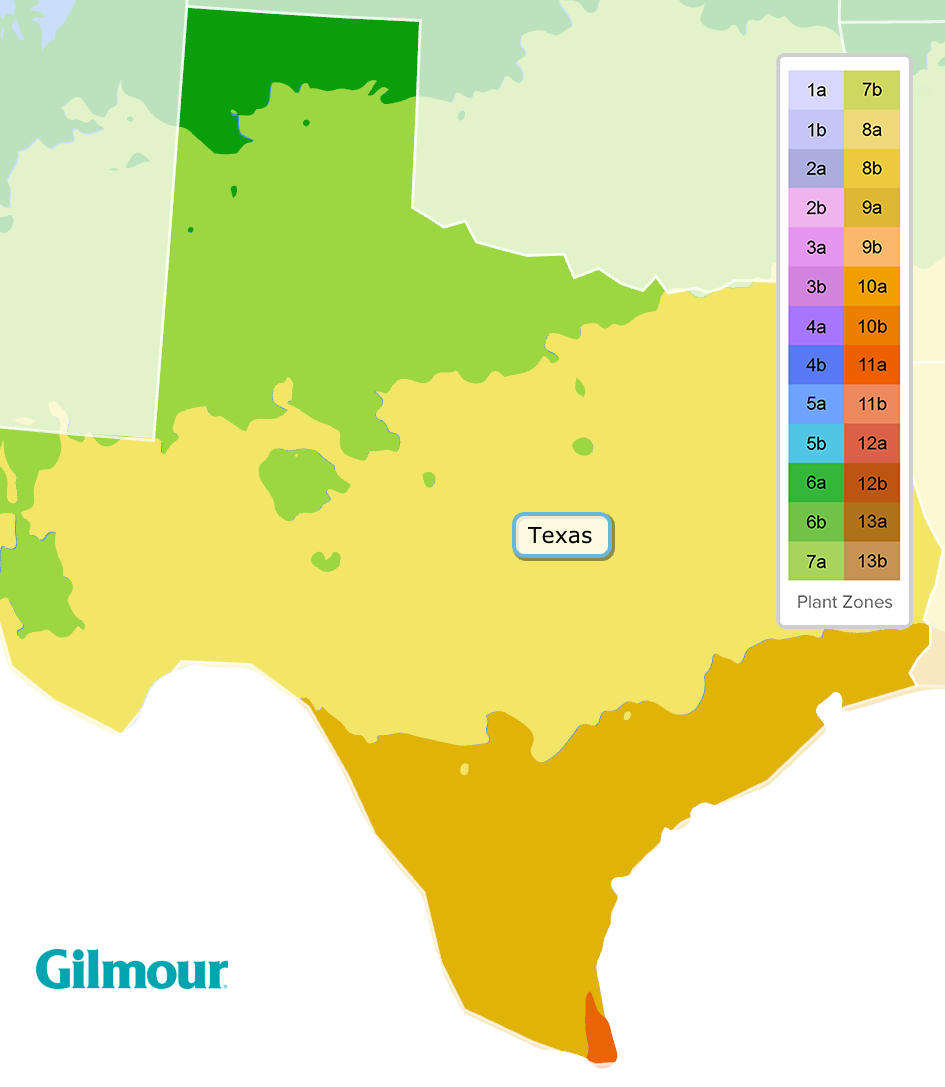
As we move further south, Zone 9a and Zone 9b become prominent. This encompasses a large portion of the Texas coastline, including cities like Houston, Galveston, and stretches down towards the southern border. The minimum winter temperatures in Zone 9 generally range from 20°F to 30°F. This warmer climate allows for a much longer growing season and the successful cultivation of plants that would be considered tender in the northern parts of the state.
In Zone 9, subtropical influences begin to take hold. Citrus trees, such as lemons and oranges, can often be grown outdoors year-round. Tropical hibiscus, bougainvillea, and other heat-loving, frost-sensitive plants flourish. The humidity along the coast, while a challenge for some plants, creates an ideal environment for lush, tropical-style gardens. This is also a prime region for growing a wider variety of vegetables throughout the fall and winter months.
For tourists, Zone 9 offers a unique blend of coastal attractions and horticultural beauty. Exploring the historic districts of Galveston reveals charming Victorian homes with beautifully manicured gardens. The vibrant city of Houston boasts numerous public gardens and arboretums that showcase the region’s diverse plant life. Accommodation here ranges from luxury beachfront resorts with ocean views and meticulously maintained grounds to charming inns and apartments perfect for longer stays. The local food scene in these areas often features ingredients grown in the region, further connecting visitors to the land. Traveling to these areas during the spring and fall provides pleasant weather for exploring both man-made attractions and natural wonders.
Zone 10: The Subtropical South
The southernmost tip of Texas, primarily the Rio Grande Valley, falls into Zone 10a. This is the warmest gardening zone in the state, with average annual minimum winter temperatures ranging from 30°F to 40°F. Freezing temperatures are rare and usually brief, allowing for a truly subtropical gardening experience.
In Zone 10, gardeners can grow an extensive array of tropical plants year-round. Think of lush palms, exotic orchids, vibrant birds of paradise, and a vast selection of fruiting trees like mangoes, papayas, and avocados. The growing season is almost continuous, meaning that vegetables can be planted and harvested multiple times a year. This region is also renowned for its stunning citrus groves, a hallmark of its agricultural landscape.
Visitors to this region, which includes cities like Brownsville and McAllen, will find a landscape brimming with color and life. Exploring the botanical gardens or even just driving through residential neighborhoods reveals a stunning display of tropical flora. Many historical sites and local attractions in the Rio Grande Valley are enhanced by their lush surroundings. The tourism sector here often highlights the unique botanical diversity, offering guided tours focused on the local flora and fauna. For those considering a longer stay, the rental market offers apartments and villas that allow residents to immerse themselves in this warm, vibrant climate, potentially even enjoying the fruits of their own subtropical garden. This zone truly embodies a lifestyle where nature’s bounty is a constant companion.

The Impact of Climate on Texas Travel and Lifestyle
Understanding the gardening zones of Texas is not just for those with a green thumb; it significantly influences the travel experience for everyone. The types of landscapes you encounter, from the rugged beauty of Big Bend National Park (which itself spans multiple zones) to the manicured gardens of historic homes in Galveston, are dictated by these climatic realities.
For example, a spring visit to the Texas Hill Country during wildflower season is legendary. The explosion of color from bluebonnets and Indian paintbrushes is a direct result of the suitable climate in Zone 8. Similarly, a winter trip to the Rio Grande Valley offers a chance to see subtropical gardens in full bloom, a stark contrast to the cooler climes further north, showcasing the diversity within Zone 10.
The choice of hotels and resorts often reflects the local climate and flora. Many establishments in warmer zones, like Zone 9 and Zone 10, feature swimming pools surrounded by tropical landscaping, while those in cooler zones might emphasize cozy fireplaces and indoor gardens. The architecture and design of buildings across the state also adapt to the climate, from raised foundations on the coast to more heat-efficient designs inland.
From a lifestyle perspective, the gardening zones inform everything from local cuisine to outdoor activities. Farmers’ markets in different regions will offer distinct seasonal produce. Outdoor festivals and events are often timed to take advantage of the most pleasant weather and the most vibrant natural displays. For those considering a longer-term stay or even a permanent move, understanding which plants will thrive and what gardening techniques are most effective in their chosen region is paramount to enjoying a fulfilling lifestyle. Whether you are planning a vacation to explore the rich culture and landmarks of Texas, seeking the perfect accommodation, or simply curious about the natural world, the answer to “What gardening zone is Texas?” is a gateway to appreciating the state’s profound natural beauty and its diverse climatic offerings.
LifeOutOfTheBox is a participant in the Amazon Services LLC Associates Program, an affiliate advertising program designed to provide a means for sites to earn advertising fees by advertising and linking to Amazon.com. Amazon, the Amazon logo, AmazonSupply, and the AmazonSupply logo are trademarks of Amazon.com, Inc. or its affiliates. As an Amazon Associate we earn affiliate commissions from qualifying purchases.