
Navigating the complexities of real estate transactions can often feel like exploring an uncharted territory. While the allure of a dream home or a lucrative investment property in the Lone Star State is strong, understanding the legal documentation involved is crucial for a smooth journey. Among the various legal instruments used in property transfers, the warranty deed holds a significant position, especially in Texas. This document not only conveys ownership but also provides a robust layer of protection for the buyer.
For those planning a getaway to Texas, perhaps to explore the vibrant culture of Austin, the historical significance of San Antonio, or the bustling metropolis of Houston, the idea of owning a piece of this diverse state might cross their minds. Whether it’s a charming vacation rental, a luxurious resort property, or even a long-term accommodation, understanding the foundational legal aspects of property ownership is paramount. This is where the warranty deed comes into play, ensuring that your acquisition is as secure as the foundation of a historic Texas landmark.
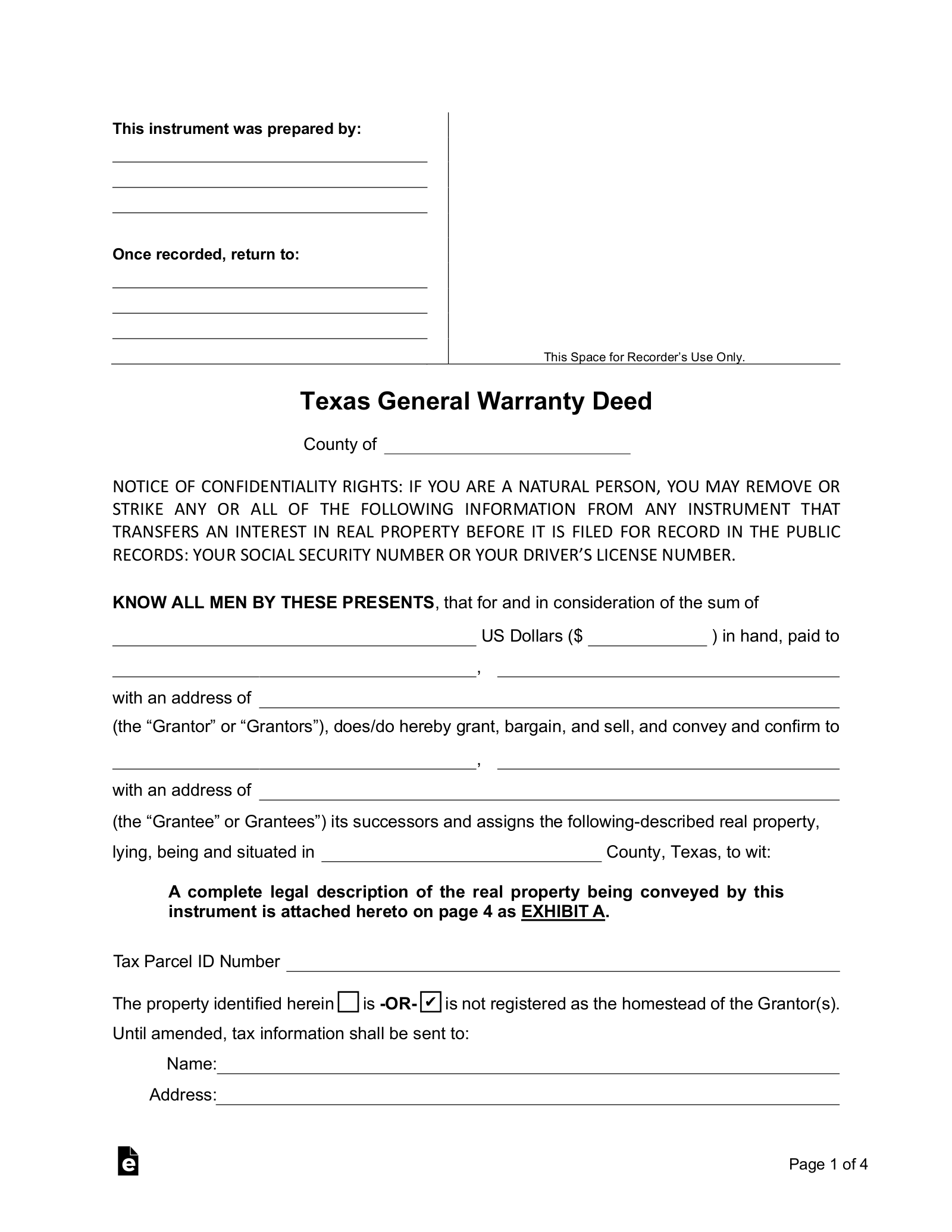
Understanding the Essence of a Warranty Deed
At its core, a warranty deed is a legal document used in Texas to transfer ownership of real estate from a seller (grantor) to a buyer (grantee). What distinguishes it from other types of deeds, such as a quitclaim deed or a special warranty deed, is the set of promises, or “warranties,” that the seller makes to the buyer regarding the title to the property. These warranties are legally binding and offer the buyer a significant level of assurance about the property’s ownership status.
Think of it like booking a premium suite at the Four Seasons Resort and Club Dallas at Las Colinas. You expect a certain level of service, amenities, and a guarantee that your booking is valid. Similarly, a warranty deed in Texas guarantees the buyer that the seller has a clear and marketable title to the property and that they will defend the buyer against any future claims to that title. This protection extends not only from the seller’s actions but also from the actions of all previous owners.
The Guarantees Provided by a Texas Warranty Deed
The strength of a warranty deed lies in the specific warranties it contains. In Texas, these are typically understood to include the following fundamental assurances:
- Covenant of Seisin: This is a promise that the grantor actually owns the property they are conveying. They have the legal right to sell it to the grantee. This is a fundamental assurance, ensuring you’re not buying something from someone who doesn’t truly possess it, much like ensuring your reservation at a renowned resort like The St. Regis Houston is for a legitimate room.
- Covenant Against Encumbrances: This warranty assures the grantee that the property is free from any liens, mortgages, easements, or other claims that could affect its title, unless specifically mentioned in the deed. Imagine planning a family trip to Big Bend National Park and finding out there’s an unexpected access restriction – this covenant aims to prevent such unwelcome surprises in property ownership.
- Covenant of Quiet Enjoyment: This promise ensures that the grantee’s possession of the property will not be disturbed by someone with a superior claim to the title. This is a critical assurance for long-term stays or investments, providing peace of mind that your ownership won’t be challenged later.
- Covenant of Warranty: This is the broadest warranty. The grantor promises to defend the grantee’s title against any claims made by third parties. If someone else asserts a valid claim to the property, the grantor is obligated to step in and protect the grantee. This is the ultimate safeguard, ensuring that your property rights are upheld, similar to how a reputable travel agency ensures your itinerary is secure.
- Covenant of Further Assurances: This covenant obligates the grantor to take any reasonable actions necessary to perfect the title to the property for the grantee. This might involve signing additional documents or correcting any errors in previous title records. It’s like having a travel agent ready to sort out any minor logistical hiccups during your adventure to discover Texas‘s rich tapestry of attractions.
These covenants collectively provide a robust framework of protection for the buyer, making the warranty deed the most common and preferred form of deed in Texas for real estate transactions. It offers a high degree of confidence that the buyer is receiving a clear and defensible title to the property, whether it’s a primary residence in Dallas, a vacation villa near the Texas Hill Country, or a business property in Fort Worth.
When Might a Warranty Deed Be Used?
Given the comprehensive protections it offers, the warranty deed is the standard for most residential and commercial property sales in Texas. When you decide to purchase a piece of land or a home, perhaps inspired by the lifestyle offerings of a luxury apartment complex in Houston or a cozy cabin in the Texas Hill Country, you will most likely encounter a warranty deed.
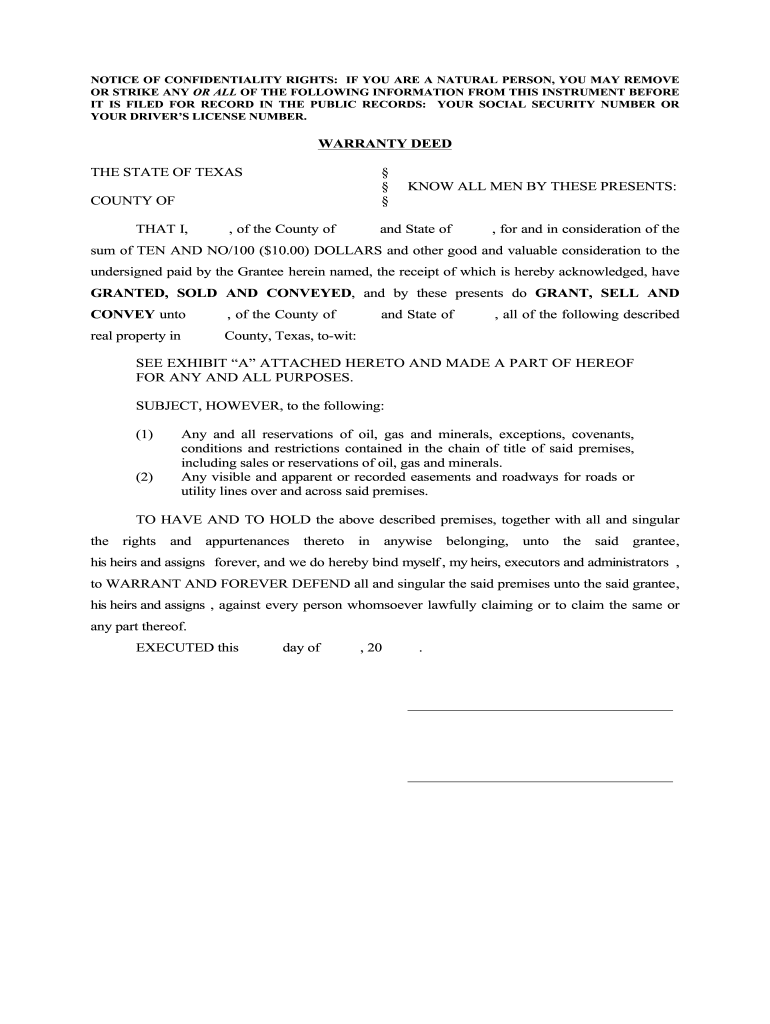
Standard Transactions and Buyer Confidence
In typical real estate transactions, where a buyer is paying market value and expects clear title, the warranty deed is the go-to document. It instills confidence in the buyer, assuring them that the seller has taken responsibility for the property’s title history. This is particularly important for significant investments, such as purchasing a resort property or a villa for extended stays. The security provided by the warranty deed allows buyers to focus on their lifestyle plans, whether that involves exploring the culinary scene in San Antonio, visiting iconic landmarks like the Alamo Mission, or enjoying the natural beauty of Texas.
Protection for Buyers of New and Existing Properties
Whether you are buying a brand-new home constructed by a developer in a suburban development near Austin, or a pre-owned property with a long history, a warranty deed offers protection. For new homes, it ensures the developer is conveying clear title, free from any liens from contractors or suppliers. For existing homes, it protects against any past title defects that might surface, even from owners who sold the property years ago. This comprehensive coverage makes it ideal for diverse real estate pursuits, from acquiring a vacation rental in a popular tourist destination to securing a permanent residence in a thriving Texas city.
The peace of mind that a warranty deed provides is invaluable. It allows buyers to invest in their future, whether that involves building a life in Texas, establishing a vacation home, or expanding a business portfolio, with the assurance that their ownership is legally sound and protected. This is akin to booking a well-reviewed hotel; you expect a certain standard and reliability, and a warranty deed delivers that same level of assurance for your property investment.
The Importance of Title Examination
While a warranty deed offers robust protection, it is not a substitute for thorough due diligence. A crucial step in any real estate transaction involving a warranty deed in Texas is a comprehensive title examination. This process, typically conducted by a title company or an attorney, involves meticulously reviewing public records to uncover any potential issues with the property’s title that might not be immediately apparent.
Uncovering Potential Issues
A title examination looks for things like unreleased mortgages, property tax liens, judgments against previous owners, easements, boundary disputes, and even unrecorded deeds. Even with a warranty deed, if a significant encumbrance is discovered after the sale, the buyer would need to rely on the seller’s warranties to resolve the issue. However, identifying these problems before closing allows for them to be addressed and cleared by the seller, ensuring the buyer receives a truly clean title. This is akin to checking reviews and comparing amenities before booking an apartment for a long-term stay; you want to know all the details upfront.

Role of Title Insurance
Title insurance is another critical component that complements the warranty deed. While the deed makes promises about the title, title insurance protects the buyer (and often the lender) financially against losses arising from defects in the title that were not discovered during the title examination. In Texas, as in most places, obtaining title insurance is a standard practice when purchasing property with a warranty deed. It provides an extra layer of security, ensuring that if unforeseen title issues emerge, the buyer will be compensated for their losses. This is particularly relevant for those investing in Texas real estate, whether for personal enjoyment or as a business venture, offering a safeguard for their lifestyle and financial goals.
In conclusion, while the warranty deed is a powerful tool for protecting property buyers in Texas, it is best utilized in conjunction with a thorough title examination and title insurance. These combined measures ensure that your journey into property ownership in the great state of Texas is not only legally sound but also provides lasting peace of mind, allowing you to fully enjoy your investment, whether it’s a cozy vacation rental near Galveston or a primary residence in the heart of Austin.
LifeOutOfTheBox is a participant in the Amazon Services LLC Associates Program, an affiliate advertising program designed to provide a means for sites to earn advertising fees by advertising and linking to Amazon.com. Amazon, the Amazon logo, AmazonSupply, and the AmazonSupply logo are trademarks of Amazon.com, Inc. or its affiliates. As an Amazon Associate we earn affiliate commissions from qualifying purchases.