
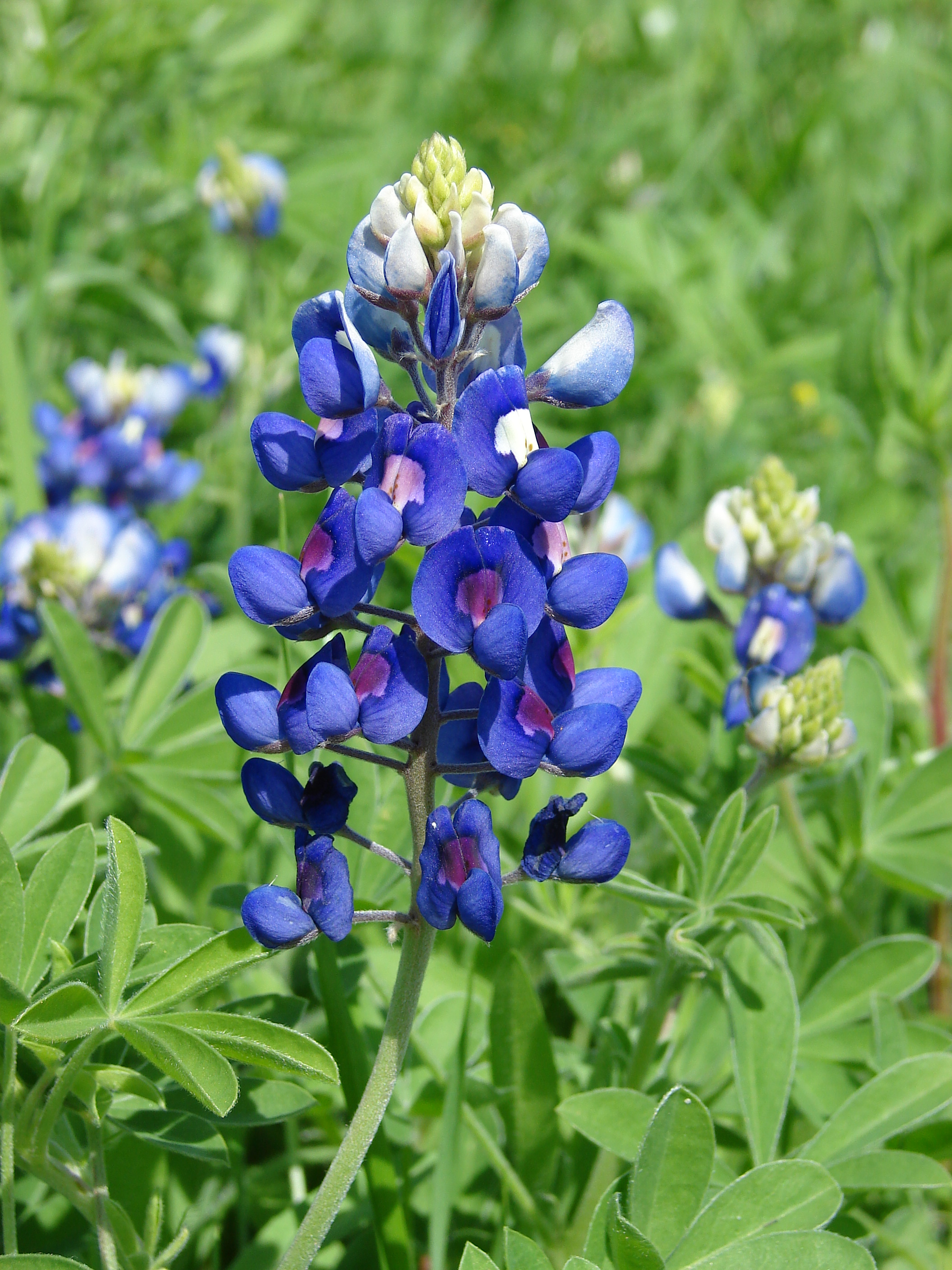
The Lone Star State, a vast and diverse expanse of Texas, is renowned for its rich history, vibrant culture, and iconic symbols. Among these cherished emblems, one stands out for its delicate beauty and enduring significance: the state flower. The answer to “What is the state flower of Texas?” is the Bluebonnet. This radiant bloom, with its striking azure hue, has captured the hearts of Texans and become synonymous with the state’s rolling hills and wildflower-strewn landscapes.
The journey of the Bluebonnet to its esteemed position as the official state flower is a testament to its widespread appreciation and the collective desire of Texans to honor their natural heritage. While several species of bluebonnets are native to Texas, the Lupinus texensis, commonly known as the Texas Bluebonnet, is the most recognized and celebrated. Its official designation as the state flower was a grassroots effort, reflecting a deep connection between the people and the floral emblem that carpets the countryside each spring.
The Enduring Symbolism and History of the Bluebonnet
The Bluebonnet is more than just a pretty flower; it carries a deep well of symbolism and historical significance for the state of Texas. Its connection to the land, its resilience, and the stories woven around its existence contribute to its iconic status. Understanding this symbolism offers a richer appreciation for why this particular bloom was chosen to represent the Lone Star State.
Naming and Recognition
The name “bluebonnet” itself evokes a sense of home and tradition. It refers to the resemblance of the petals to the bonnets traditionally worn by women of the 19th century. This quaint association links the flower to the early settlers and the enduring spirit of the people who forged a life in Texas.
The bluebonnet was officially recognized as the state flower in 1901, a significant moment in Texas history. This designation was not a top-down decree but rather a culmination of popular sentiment and advocacy. Many individuals and organizations championed the bluebonnet as the ideal candidate, highlighting its beauty, its abundance across the state, and its unique connection to the Texan identity. The Texas Legislature ultimately passed a resolution in 1901 to adopt the bluebonnet as the state flower, solidifying its place in the state’s official iconography.
Historical Significance and Legend
The bluebonnet has been intertwined with the history of Texas for centuries. Indigenous peoples of the region, such as the Coahuiltecan tribes, likely incorporated the flower into their traditions and lore. Later, Spanish explorers and settlers would have encountered these vibrant fields of blue, adding them to their observations of the new world.
One of the most enduring and poignant legends surrounding the bluebonnet is the story of the “Lady in Blue.” This tale speaks of a young Comanche maiden who, in a time of great drought and hardship for her people, was deeply saddened by the suffering of her tribe. She prayed to the Great Spirit, offering her most prized possessions – her paints and brushes – to bring rain and sustenance back to her people. The Great Spirit, moved by her sacrifice, answered her prayer and, as she wept, her tears transformed into the beautiful bluebonnet flowers, which bloomed across the land, signaling the end of the drought and the return of life. This legend imbues the bluebonnet with a sense of sacrifice, hope, and the enduring connection between nature and the well-being of the Texan people.
The Bluebonnet’s Role in Texas Culture
Beyond its historical and legendary associations, the bluebonnet has deeply permeated Texas culture. It is a beloved symbol that evokes strong emotions and a sense of pride among Texans.
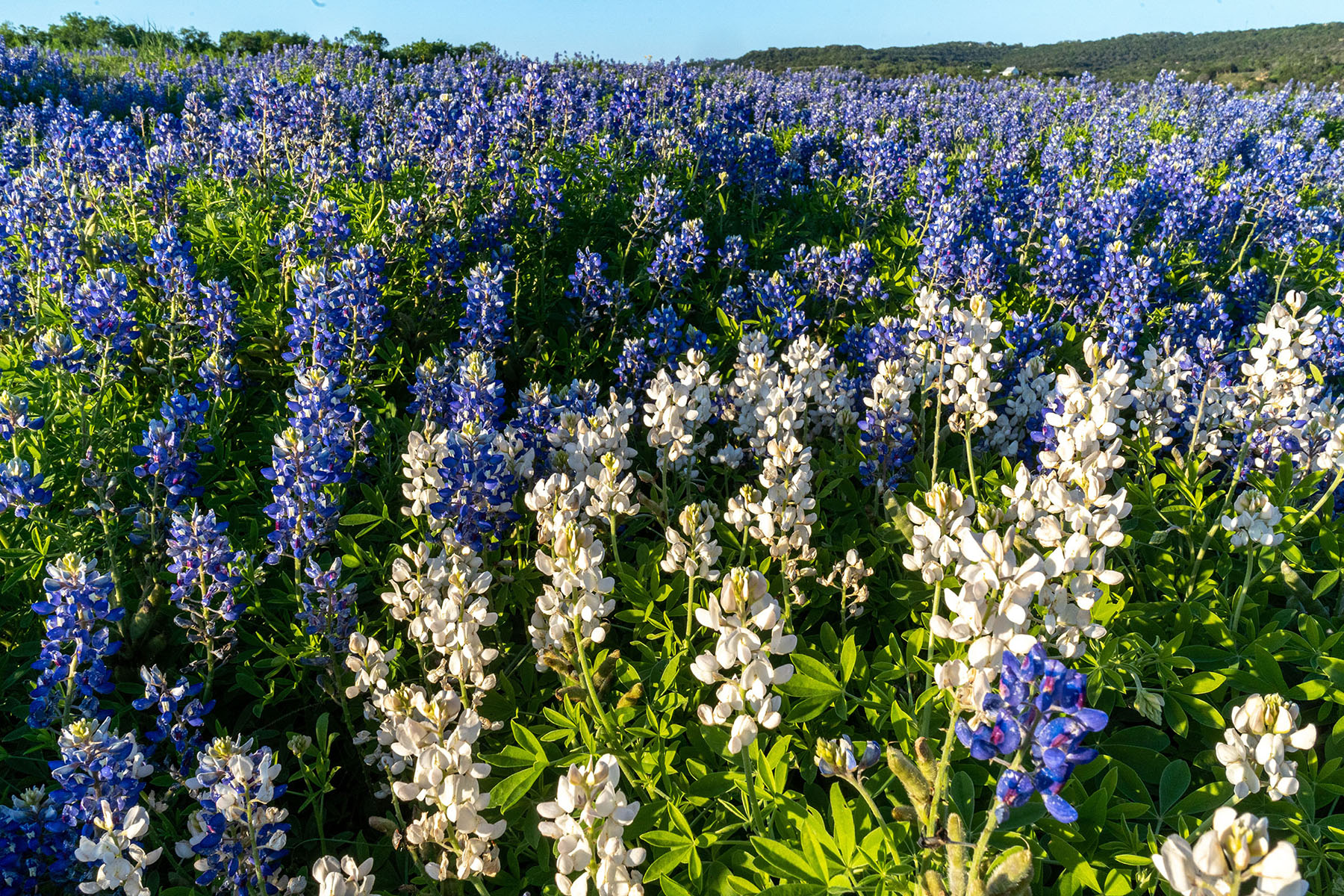
The annual blooming of the bluebonnets is a highly anticipated event, drawing photographers, artists, and nature enthusiasts from far and wide. Designated bluebonnet trails and parks across the state become popular destinations for springtime excursions. Families embark on scenic drives, often stopping to picnic amidst the vibrant fields, creating cherished memories and reinforcing the cultural significance of the flower. Many photographers make it a point to capture the iconic image of a bluebonnet field, often with a Texan ranch house or a classic Texas truck in the background, further cementing the flower’s association with the state’s identity.
The bluebonnet also features prominently in Texan art, literature, and crafts. Paintings and illustrations of bluebonnet fields adorn homes and galleries. Children’s books often tell stories featuring the bluebonnet, introducing young Texans to their state flower. Local artisans create jewelry, pottery, and textiles inspired by its distinctive shape and color. This widespread artistic and cultural representation underscores the bluebonnet‘s status as a potent symbol of Texas.
Exploring Texas’s Bluebonnet Landscapes
The natural beauty of Texas, particularly during the spring wildflower season, is a significant draw for tourists and locals alike. The bluebonnet is the undisputed star of this floral spectacle, transforming vast stretches of the state into breathtaking tapestries of blue.
Where to Find Bluebonnets
The prime time for spotting bluebonnets is typically from late March through April, though this can vary slightly depending on the specific region of Texas and the weather conditions of the year. While bluebonnets can be found in nearly every county of Texas, certain areas are particularly renowned for their spectacular displays.

The Texas Hill Country is arguably the most famous region for bluebonnet viewing. Towns like Fredericksburg, Enchanted Rock State Natural Area, and Llano become vibrant hubs of activity. Scenic drives through the Hill Country, such as the Willow City Loop and portions of Highway 16, offer unparalleled vistas of rolling hills blanketed in bluebonnets, alongside other native wildflowers like Indian paintbrush and firewheels.
Beyond the Hill Country, other areas also boast impressive bluebonnet blooms. The Post Oak Savannah region, stretching across central Texas, and parts of North Texas, including areas around Dallas and Fort Worth, also experience stunning displays. Even along the highways and byways of West Texas and the Gulf Coast, pockets of these iconic flowers can be found, adding pops of color to the diverse Texan landscape.
Planning a Bluebonnet Viewing Trip
A trip dedicated to experiencing the bluebonnet bloom is a quintessential Texas adventure, offering a blend of natural beauty, outdoor activities, and exploration of charming local towns.
1. Timing is Key: Research the typical blooming season for the specific region you plan to visit. Following local wildflower reports or checking with tourism boards in Texas can provide real-time updates on bloom status.
2. Scenic Drives: Many of the best bluebonnet viewing locations are best explored by car. Plan a route that takes you through backroads and scenic byways. Consider downloading offline maps as cell service can be spotty in rural areas.
3. Respect the Environment: It is crucial to enjoy bluebonnets responsibly. Avoid picking the flowers, as this harms their ability to reseed and can lead to diminished blooms in the future. Stay on designated paths and roads to protect the delicate ecosystem. Take only photographs and leave only footprints.
4. Combine with Other Attractions: Texas offers a wealth of attractions beyond wildflowers. Combine your bluebonnet viewing with visits to historical sites, charming small towns, state parks, or local festivals. For example, a trip to the Hill Country can easily be combined with wine tasting at local vineyards, exploring historic missions, or hiking in state parks like Enchanted Rock.
5. Accommodation: Texas offers a wide range of accommodation options to suit every traveler’s needs and budget. From luxurious resorts in the Hill Country to charming bed and breakfasts in small towns, and even vacation rentals for longer stays, there’s something for everyone. Booking in advance is highly recommended, especially during peak wildflower season, as popular areas can fill up quickly. Consider looking into hotels near San Antonio or Austin for a city base with easy access to wildflower routes.
The Bluebonnet and Beyond: Texas’s Rich Floral Heritage
While the bluebonnet reigns supreme as the state flower of Texas, the state’s natural beauty is enriched by a diverse array of other captivating wildflowers and plants, each contributing to the unique ecological tapestry of the Lone Star State.
Other Notable Texas Wildflowers
The bluebonnet often blooms in spectacular company, sharing the landscape with a vibrant cast of other native flowers. Understanding these companions enhances the appreciation of Texas‘s floral heritage.
- Indian Paintbrush (Castilleja spp.): These striking flowers, known for their fiery red or orange bracts (modified leaves), are a classic sight alongside bluebonnets. They are hemiparasitic, meaning they draw some nutrients from the roots of host plants, which often include bluebonnets, creating a symbiotic visual appeal.
- Firewheel (Gaillardia pulchella): Also known as Indian Blanket, this cheerful flower boasts vibrant red and yellow daisy-like blooms. It is incredibly hardy and thrives in the Texan sun, adding a burst of intense color to fields and roadsides.
- Texas Star (Lindheimer linaria): This delicate, star-shaped flower, often found in shades of pink and purple, adds a subtle elegance to wildflower meadows.
- Prickly Pear Cactus (Opuntia spp.): While not a wildflower in the traditional sense, the iconic prickly pear cactus with its vibrant yellow or magenta blossoms is a quintessential symbol of the Texan landscape, particularly in drier regions.
- Sundance (Dyssodia tenuiloba): This small, bright yellow flower, often found in dense patches, adds a cheerful, sun-kissed glow to the fields.
Conservation Efforts for Texas Wildflowers
The preservation of Texas‘s beautiful wildflower displays is a growing concern and a vital aspect of maintaining the state’s natural heritage. Several organizations and initiatives are dedicated to protecting these delicate ecosystems.
The Lady Bird Johnson Wildflower Center in Austin, founded by former First Lady Lady Bird Johnson, is a leading institution dedicated to the study, conservation, and promotion of native Texas plants, especially wildflowers. The center works to educate the public, conduct research, and provide resources for gardeners and landowners interested in planting native species. Their work ensures that future generations can continue to enjoy the breathtaking bluebonnet blooms and the diversity of Texas‘s flora.
Many local communities and roadside management programs also play a role in protecting wildflower habitats. Efforts to reduce herbicide use along roadsides and to reseed native plants contribute to the health and vibrancy of these natural displays. When visiting Texas, it’s important to be mindful of these conservation efforts and to do your part to protect these natural treasures.
In conclusion, the bluebonnet is far more than just a flower; it is a beloved symbol, a historical marker, and a testament to the natural beauty of Texas. Its iconic status, deeply rooted in the state’s culture and history, makes it an enduring emblem of the Lone Star State, inviting all to experience its captivating charm each spring.
LifeOutOfTheBox is a participant in the Amazon Services LLC Associates Program, an affiliate advertising program designed to provide a means for sites to earn advertising fees by advertising and linking to Amazon.com. Amazon, the Amazon logo, AmazonSupply, and the AmazonSupply logo are trademarks of Amazon.com, Inc. or its affiliates. As an Amazon Associate we earn affiliate commissions from qualifying purchases.