
Tex-Mex cuisine is a vibrant and beloved culinary tradition, a delicious fusion of flavors that has captured palates across the United States and beyond. While many are familiar with iconic dishes like enchiladas, tacos, and fajitas, a foundational element that contributes significantly to the authentic taste of many Tex-Mex preparations is often less understood: Tex-Mex paste. Far from being a single, universally defined ingredient, Tex-Mex paste is more of a concept, representing a concentrated blend of aromatic and flavorful components that form the backbone of countless recipes. Understanding what constitutes this “paste” unlocks a deeper appreciation for the complexity and depth of Tex-Mex food.
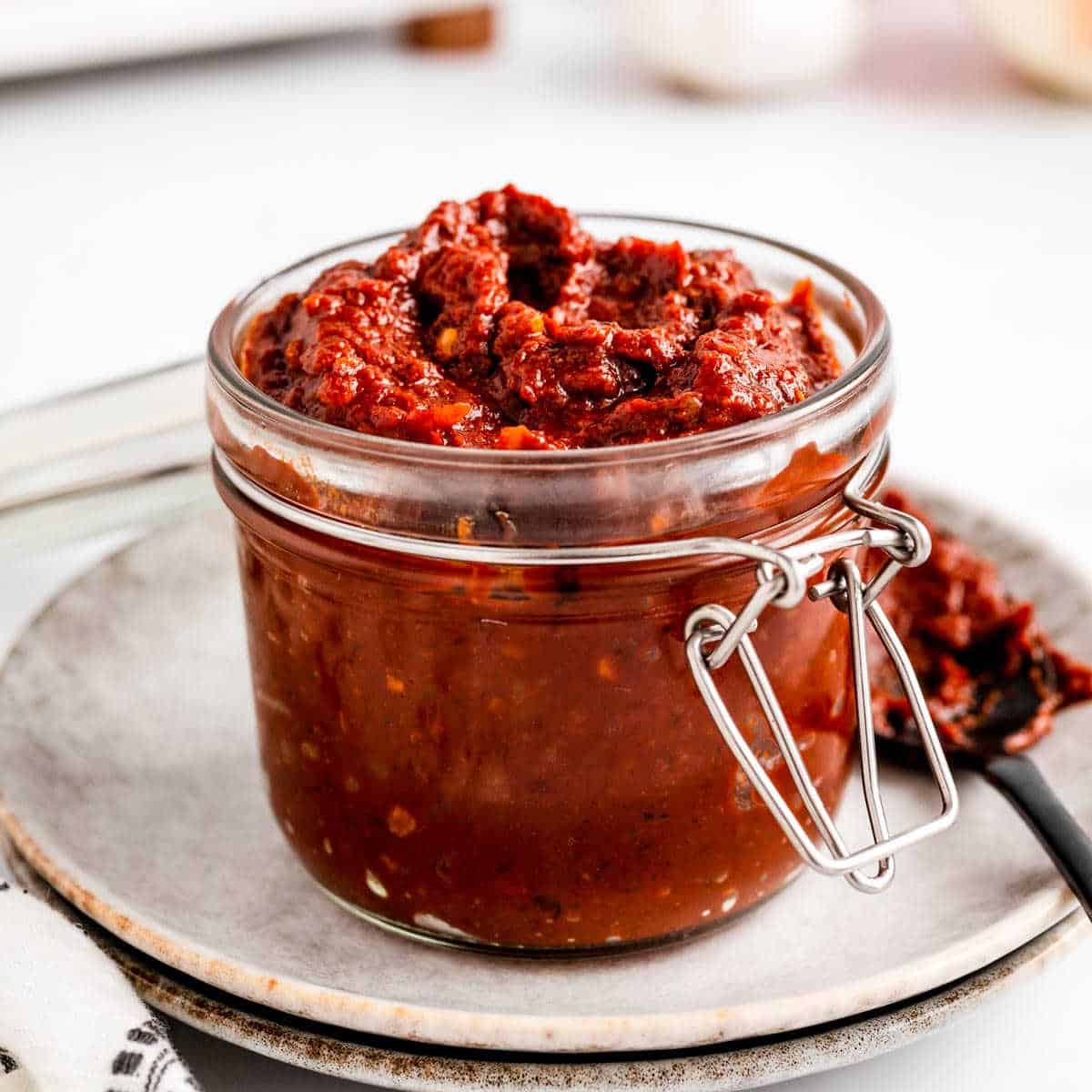
The essence of Tex-Mex paste lies in its ability to impart a robust and layered flavor profile. It’s not merely about heat; it’s about an interplay of spices, aromatics, and sometimes, the subtle richness of rendered fats or slow-cooked ingredients. Think of it as a flavor bomb, meticulously crafted to elevate even the simplest dishes. The specific ingredients and proportions can vary wildly depending on regional preferences, family traditions, and individual chef’s creativity, making it a dynamic and personal element of Tex-Mex cooking. This adaptability is, in fact, one of its greatest strengths, allowing it to be tailored to a vast array of culinary applications.
The Building Blocks of Flavor: Core Ingredients in Tex Mex Paste
At its heart, Tex-Mex paste is a collection of intensely flavored ingredients ground or blended together. The common thread, however, is the goal of achieving a concentrated burst of taste that can be easily incorporated into larger dishes. While no single recipe reigns supreme, a few key components consistently form the foundation.
Spice Blends: The Aromatic Soul
The spice blend is arguably the most critical element. This is where the characteristic warmth and depth of Tex-Mex cuisine originates. Chili powders are paramount, but it’s rarely a single type. A good Tex-Mex paste will often incorporate a variety of dried chilies, each contributing a distinct flavor and heat level. For instance, ancho chilies lend a smoky, mild sweetness, while guajillo chilies offer a brighter, fruitier note. Pasilla chilies add a deeper, almost chocolatey richness. Beyond chilies, cumin is indispensable, providing its signature earthy, slightly pungent aroma. Oregano, particularly Mexican oregano which has a more citrusy and less bitter profile than Mediterranean varieties, is another common addition. Coriander seeds, once ground, offer a floral and lemony counterpoint. Garlic powder and onion powder are often included to enhance savory notes, although fresh versions can also be utilized.
Aromatics: The Foundation of Savory
Fresh aromatics play a vital role in building complexity. Finely minced or pureed garlic and onions are frequently incorporated, providing a pungent and savory base that mellows and melds with the spices during cooking. Some recipes might even include elements like roasted garlic for a sweeter, more mellow flavor.
Liquids and Binders: Achieving the Right Consistency
To transform these dry and aromatic components into a usable “paste,” a liquid binder is essential. Water is the simplest and most common, allowing the flavors to meld as the paste is cooked down. However, more sophisticated pastes might incorporate other liquids to add further depth. Beef broth or chicken broth can lend a savory foundation, while a splash of vinegar (like apple cider vinegar or white vinegar) can introduce a welcome tanginess that cuts through richness and brightens the overall flavor profile. Some preparations might even include a touch of tomato paste or pureed tomatoes, which contribute not only color and a hint of acidity but also a subtle sweetness.
Fats and Richness: Enhancing Texture and Mouthfeel
For many, the quintessential Tex-Mex paste is enriched with some form of fat. This could be rendered bacon fat for a smoky, savory depth, lard for a traditional richness, or even a good quality vegetable oil. The fat helps to carry the flavors, contributes to a smoother texture, and adds a satisfying mouthfeel to the final dish. In some cases, the paste might be cooked down in its own rendered fat, further concentrating the flavors.
Beyond the Basic: Variations and Enhancements
While the core ingredients provide a solid starting point, the beauty of Tex-Mex paste lies in its endless potential for variation and enhancement. These additions can transform a simple spice blend into a truly distinctive flavor base.
The “Secret” Ingredients: Elevating the Flavor
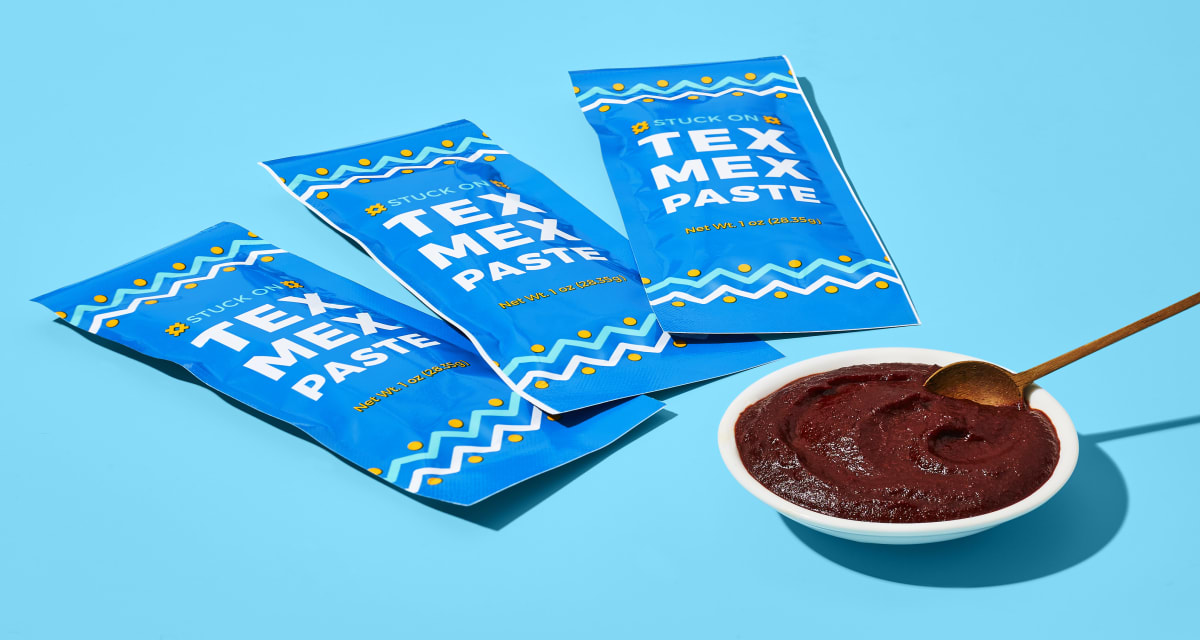
Many cooks guard their Tex-Mex paste recipes, often including a “secret” ingredient or two that sets their version apart. These can range from unexpected spices to unique flavor enhancers. A pinch of unsweetened cocoa powder, for example, can deepen the chili flavor and add a subtle complexity without making the paste taste like chocolate. A touch of cinnamon can introduce a warm, woody note that complements the chilies beautifully. Some might even add a dash of cayenne pepper for an extra kick of heat, or a sprinkle of smoked paprika for an added layer of smokiness.
Texture and Body: Crafting the Perfect Consistency
The desired texture of the paste can also dictate the inclusion of certain ingredients. Some pastes are intentionally left slightly coarse, providing a textural element to dishes. Others are blended until exceptionally smooth for a more refined finish. To achieve a thicker, more substantial paste, some recipes might call for the addition of ground corn masa, similar to what is used in tamales, or even a small amount of blended cooked beans. These ingredients not only thicken the paste but also contribute to its overall flavor profile.
Fresh Elements: A Burst of Vibrancy
While many pastes are based on dried ingredients, the inclusion of fresh elements can provide a lively counterpoint. Fresh cilantro, finely chopped, can add a bright, herbaceous note that is particularly welcome in lighter preparations. A small amount of fresh garlic and onion, rather than powders, can offer a more pungent and nuanced flavor.
The Role of Tex Mex Paste in Culinary Applications
Understanding what goes into Tex-Mex paste is only half the story; knowing how it’s used unlocks its true potential in the kitchen. This concentrated flavor base is the secret weapon behind many of the most beloved Tex-Mex dishes, providing the depth and authenticity that diners crave.
Marinades and Rubs: Infusing Meat and Poultry
One of the primary uses of Tex-Mex paste is as a component of marinades and rubs. When mixed with oil, vinegar, or citrus juice, it transforms into a potent marinade that can tenderize and infuse meats like beef, chicken, and pork with incredible flavor. The spices and aromatics penetrate the meat, creating a deeply savory and complex taste profile that is especially pronounced after grilling or roasting. As a rub, it can be applied directly to the surface of meats before cooking, forming a flavorful crust that caramelizes beautifully.
Sauces and Stews: The Flavor Foundation
Tex-Mex paste is also indispensable in the creation of rich, flavorful sauces and stews. It can be sautéed as a base before adding liquids like tomatoes, broth, or even beer, forming the aromatic foundation for dishes like chili con carne, enchilada sauce, or a hearty pozole. Its concentrated flavor ensures that even a small amount can impart significant taste to the entire dish. For instance, a spoonful of well-made Tex-Mex paste can transform a simple tomato sauce into a vibrant enchilada sauce, ready to coat tortillas and fillings.
Dips and Spreads: A Zesty Kick
Beyond main courses, Tex-Mex paste can also be a delightful addition to appetizers and dips. When blended with cream cheese, sour cream, or mayonnaise, it creates a zesty and flavorful dip perfect for tortilla chips or vegetable platters. Even a small amount can elevate a simple dip into something truly special, offering a complex blend of spices and aromatics that keeps guests coming back for more. Imagine a creamy avocado dip with a hint of this flavorful paste, offering a welcome kick of spice and depth.
Enhancing Existing Dishes: A Quick Flavor Boost
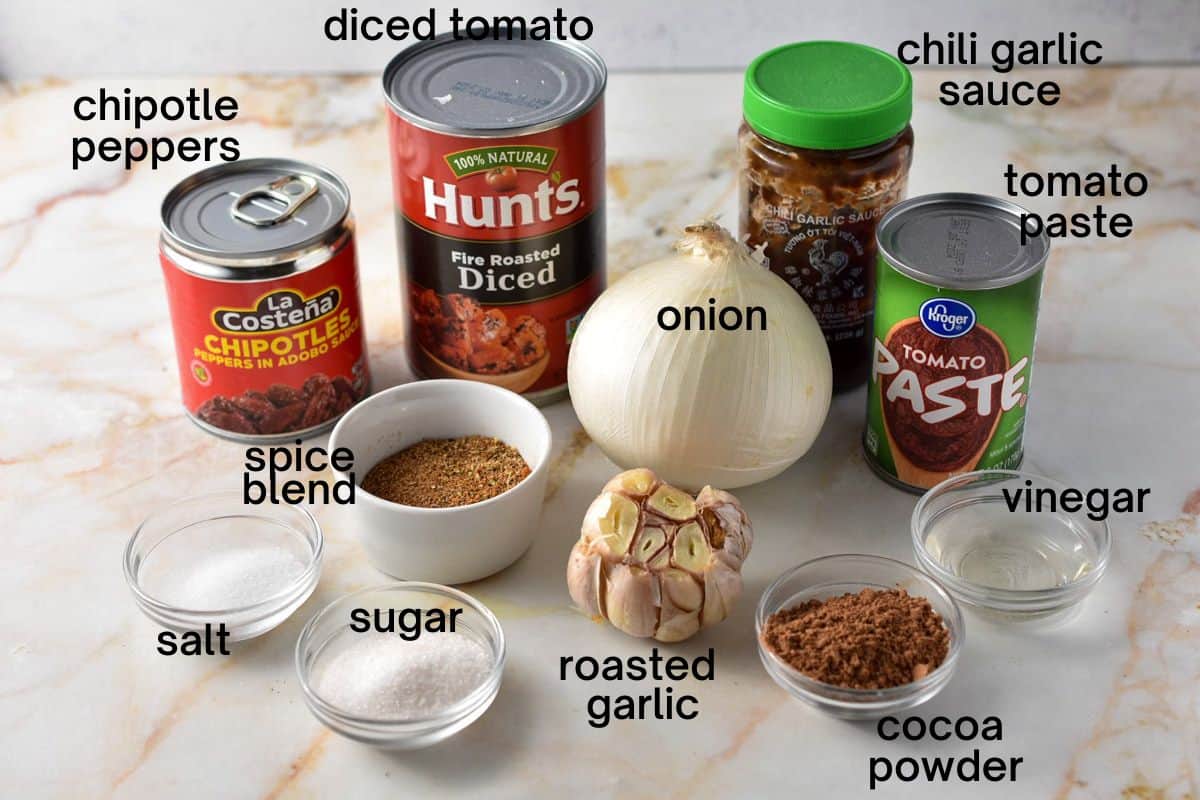
Even for those who don’t have the time to make a full batch of paste from scratch, understanding its components allows for its essence to be captured. A quick blend of chili powder, cumin, garlic powder, and a touch of oregano can approximate some of the flavors. More ambitious home cooks might even consider purchasing pre-made chili pastes from specialty stores, although the art of making it oneself offers unparalleled control over the final taste. Whether using a homemade version or a store-bought approximation, the impact of this flavorful foundation on dishes like nachos, quesadillas, or even a simple pot of beans is undeniable, bringing the authentic taste of Texas and Mexico to your table.
LifeOutOfTheBox is a participant in the Amazon Services LLC Associates Program, an affiliate advertising program designed to provide a means for sites to earn advertising fees by advertising and linking to Amazon.com. Amazon, the Amazon logo, AmazonSupply, and the AmazonSupply logo are trademarks of Amazon.com, Inc. or its affiliates. As an Amazon Associate we earn affiliate commissions from qualifying purchases.