
The Lone Star State, a vast expanse of diverse landscapes stretching from the piney woods of East Texas to the arid deserts of the West, is renowned for its rich history, vibrant culture, and, of course, its breathtaking natural beauty. Among its most cherished natural treasures are its wildflowers, a kaleidoscope of colors that paint the countryside each spring. While the term “Texas Flower” might evoke a singular, iconic bloom, the reality is far richer and more complex. The state boasts a spectacular array of native wildflowers, each contributing to the unique botanical tapestry that defines Texas. This article delves into the world of Texas wildflowers, exploring their significance, iconic species, the best times and places to witness their glory, and how they contribute to the state’s allure for travelers and nature enthusiasts alike.
The Enduring Allure of Texas Wildflowers
Texas wildflowers are more than just pretty faces; they are deeply interwoven with the state’s identity and ecological health. For generations, these ephemeral blooms have symbolized the resilience and spirit of Texas, mirroring the tenacity of its people and the rugged beauty of its landscapes. They are a testament to the state’s diverse ecosystems, each region supporting a unique set of species adapted to its specific climate and soil conditions.
A Symbol of Resilience and Natural Beauty
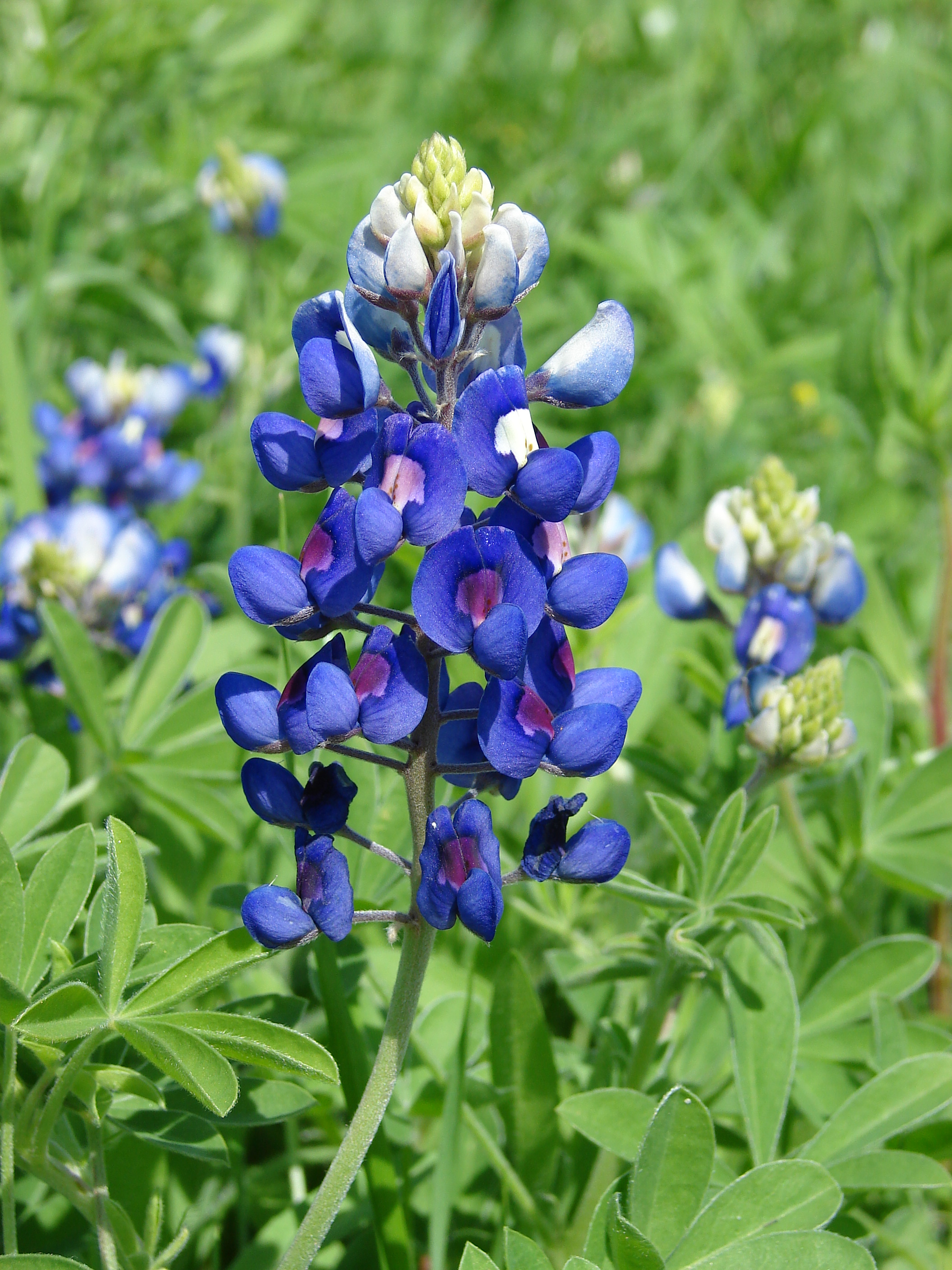
The most iconic of all Texas wildflowers, the Bluebonnet, holds a special place in the hearts of Texans. Designated as the official state flower in 1901, this vibrant bloom is synonymous with the Texas spring. Legend has it that the Bluebonnet earned its name because its shape resembles the bonnets worn by pioneer women, a symbol of their strength and perseverance in settling the vast Texas frontier. Seeing fields carpeted in a sea of Bluebonnets is a quintessential Texas experience, drawing visitors from far and wide. However, the Bluebonnet is just one star in a much larger, dazzling cast of native wildflowers.
The ephemeral nature of wildflowers adds to their charm. Appearing in spring after the winter rains, they often bloom for a relatively short period, making the opportunity to witness them a precious event. This fleeting beauty encourages people to get outdoors, explore the state’s natural areas, and appreciate the delicate balance of nature. The vibrant hues – blues, reds, yellows, pinks, and whites – transform rolling hills and open prairies into living works of art.
Ecological Significance and Biodiversity
Beyond their aesthetic appeal, Texas wildflowers play a crucial role in the state’s ecosystem. They are vital food sources for a variety of wildlife, including insects like bees, butterflies, and other pollinators, as well as birds and small mammals. The presence of abundant wildflowers indicates a healthy environment and supports biodiversity. Many native plants are crucial for the life cycles of specific pollinators, highlighting the interconnectedness of the natural world. For instance, the Monarch Butterfly, another beloved symbol of Texas, relies heavily on native milkweed species, which are themselves wildflowers, for its migratory journey.
Furthermore, wildflowers help prevent soil erosion, especially in the vast open spaces of Texas. Their root systems stabilize the soil, and their foliage provides ground cover. They are also indicators of soil health and can signal the presence of unique geological features or historical ecological conditions.
Iconic Texas Wildflower Species: More Than Just Bluebonnets
While the Bluebonnet rightfully garnishes much attention, Texas is home to an astonishing variety of wildflowers, each with its own unique charm and ecological importance. Exploring these diverse species provides a deeper appreciation for the state’s rich botanical heritage.
The Reign of the Bluebonnet and its Companions
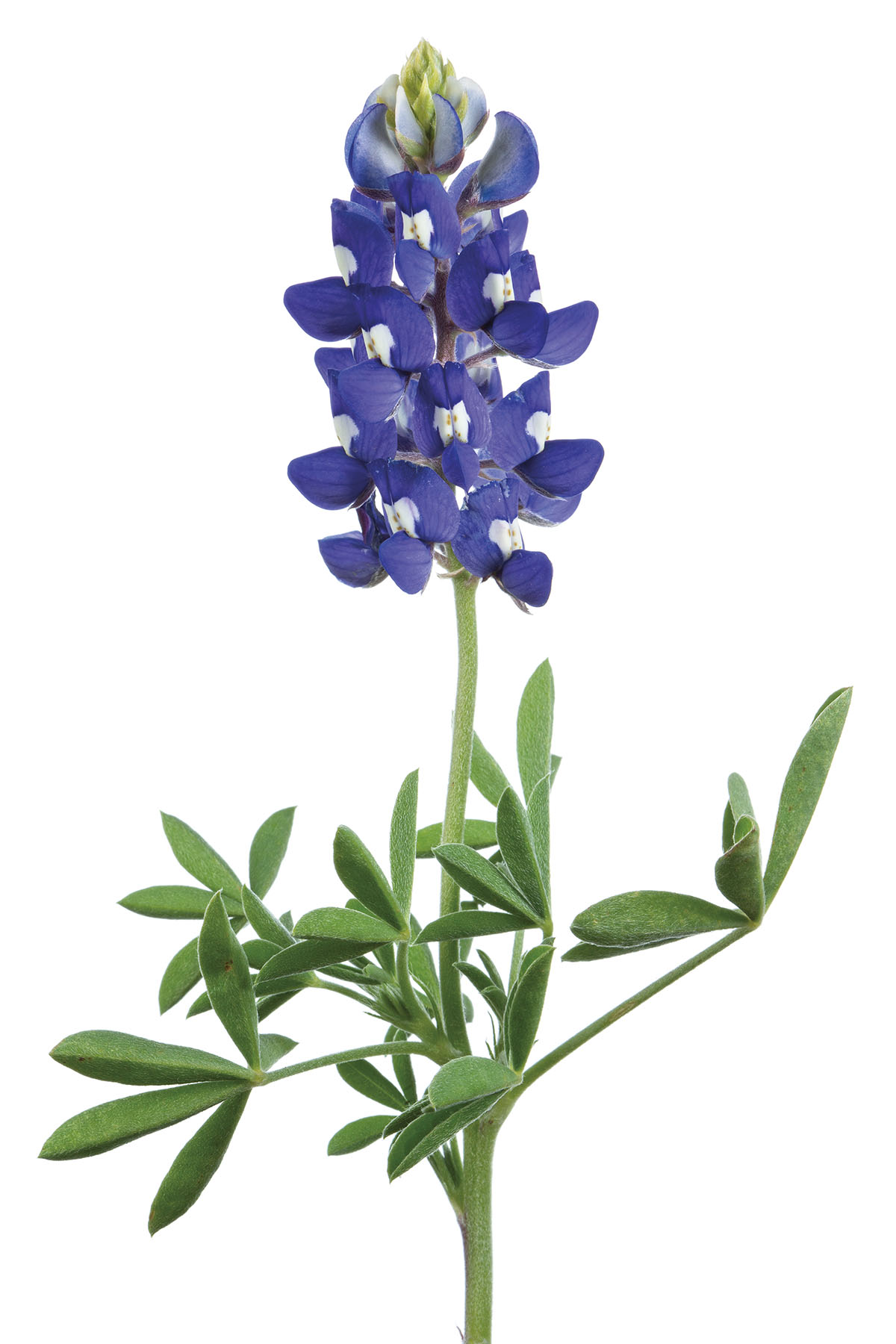
The Texas Bluebonnet (Lupinus texensis) is undoubtedly the most celebrated. Its striking blue-purple petals, often with white tips, create unforgettable vistas. However, several other Bluebonnet species also grace the Texas landscape, including the Big Bend Bluebonnet (LupinusHavardii), the Pecos Bluebonnet (Lupinus Havardii), the Sandyland Bluebonnet (Lupinus perennis), and the Magnolia Bluebonnet (Lupinus concinnus), each with subtle variations in color and form.
But the Bluebonnet rarely blooms alone. It is often accompanied by a dazzling array of other wildflowers, creating a rich mosaic of colors. Among these companions, several stand out:
- Indian Paintbrush (Castilleja spp.): These fiery red, orange, and yellow flowers are a classic pairing with Bluebonnets. Their vibrant colors seem to have been brushed onto the landscape by an artist’s hand. There are numerous species of Indian Paintbrush found in Texas, each with its own distinct hue and habitat.
- Indian Blanket or Firewheel (Gaillardia pulchella): With its distinctive red and yellow petals, this daisy-like flower is a cheerful and resilient bloom. It is incredibly hardy and thrives in dry, sunny conditions, making it a common sight across the state.
- Mexican Hat or Prairie Coneflower (Ratibida columnifera): This unique flower, with its sombrero-like appearance and central cone, adds a touch of whimsy to the wildflower displays. Its vibrant yellow or reddish-brown petals are a striking contrast to the blue and red hues of other blooms.
- Engelmann Daisy (Engelmannia peristerioides): A bright yellow, daisy-like flower, it is a common sight in many parts of Texas, often found in drier areas.
- Purple Sage or Texas Sage (Leucophyllum frutescens): While often considered a shrub, its prolific purple blooms after rain showers make it a spectacular sight, particularly in Central and West Texas.
- Winecup (Callirhoe involucrata): Known for its cup-shaped, deep magenta flowers, this low-growing plant often forms a vibrant carpet across the prairie.
- Verbena (Verbena spp.): Various species of Verbena, with their clusters of small, often purple or pink flowers, are a common and beautiful addition to wildflower meadows.
This diverse cast of characters ensures that Texas wildflower displays are never monotonous, offering a unique visual feast with every turn of the season and every excursion into the countryside.
Exploring Other Notable Species
Beyond the most commonly recognized wildflowers, Texas boasts a wealth of other native species that contribute to its botanical richness:
- Coreopsis (Coreopsis spp.): These cheerful, daisy-like flowers, often yellow or orange, are a common and welcome sight in fields and along roadsides.
- Larkspur (Delphinium carolinianum): Delicate and elegant, the Larkspur with its blue to purple spires adds a touch of grace to the wildflower landscape.
- Phlox (Phlox spp.): Many species of Phlox, with their clusters of star-shaped flowers in various shades of pink, purple, and white, add beauty to diverse habitats.
- Rain Lily (Zephyranthes spp.): These delicate, often pink or white lilies are named for their remarkable ability to bloom prolifically after rainfall, appearing almost magically after a good soaking.
- Thistle (Cirsium spp.): While sometimes considered a weed, native Thistles are important for pollinators and can be strikingly beautiful with their prickly leaves and vibrant purple or pink flowers.
Understanding these different species enhances the appreciation of the intricate ecosystems that support them and the efforts made to preserve these natural wonders.
Chasing the Blooms: Best Times and Places to Experience Texas Wildflowers

The quest to witness the spectacular wildflower displays of Texas is a pilgrimage for many, a journey dictated by the whims of nature and the changing seasons. While spring is undoubtedly the peak season, the timing and intensity of the bloom can vary significantly depending on the region, rainfall, and temperature.
The Springtime Spectacle: A Fleeting Marvel
The primary wildflower season in Texas generally kicks off in late February or early March and can extend through May, with peak blooms often occurring in April. However, this is a generalization, and the exact timing depends on several factors:
- Rainfall: Wildflowers are heavily dependent on adequate rainfall. A dry winter and spring can lead to a less impressive bloom, while a well-watered season can result in a spectacular show.
- Temperature: Warmer temperatures tend to accelerate the blooming process, while cooler spells can prolong it.
- Region: Texas is a vast state with diverse climates. The timing of wildflower blooms can differ significantly between, for example, the Hill Country and West Texas.
Generally, the blooms progress from south to north. The Rio Grande Valley and South Texas might see early blooms, followed by the Texas Hill Country, and then Central and North Texas. West Texas, with its desert flora, can have a different blooming schedule, often tied to monsoon rains.
Prime Destinations for Wildflower Viewing
Several regions in Texas are particularly renowned for their stunning wildflower displays, drawing enthusiastic visitors eager to capture the beauty through photography or simply to bask in the natural spectacle.
-
The Texas Hill Country: This is arguably the most famous region for wildflowers, especially Bluebonnets and Indian Paintbrush. The rolling hills and winding country roads provide an idyllic backdrop for these vibrant blooms.
- Enchanted Rock State Natural Area: While the granite dome is the main attraction, the surrounding areas are often carpeted with wildflowers.
- Willow City Loop: This scenic drive near Fredericksburg is legendary for its spectacular Bluebonnet displays.
- Lyndon B. Johnson State Park and Historic Site: Located in Stonewall, this park offers beautiful wildflower viewing opportunities.
- Lady Bird Johnson Municipal Park: In Fredericksburg, this park is also a popular spot.
- State Highway 290: This major thoroughfare between Austin and Fredericksburg is often lined with vibrant blooms.
-
West Texas: While not as famous for Bluebonnets, West Texas offers its own unique desert wildflowers, especially after summer rains.
- Big Bend National Park and Big Bend Ranch State Park: These vast parks showcase a different kind of beauty, with hardy desert blooms like cacti flowers, ocotillo blooms, and various desert shrubs.
- Davis Mountains State Park: Offers opportunities to see a variety of desert and mountain wildflowers.
-
Central Texas Prairies and Post Oak Savannah: Areas east and north of the Hill Country also host beautiful displays.
- Cedar Creek Battlefield: Offers historical significance alongside potential wildflower sightings.
- Ennis: This town actively promotes its Bluebonnet trails and hosts a popular Bluebonnet Festival.
-
East Texas: The piney woods region can offer different wildflower species, often more subtle and woodland-oriented.
When planning a trip, it’s advisable to check local tourism websites, park advisories, and even social media for real-time bloom reports, as conditions can change rapidly. Many towns host Bluebonnet festivals or have designated wildflower trails to guide visitors.
Planning Your Wildflower Adventure: Tips for Travelers
Experiencing the magic of Texas wildflowers is an enriching journey that combines natural beauty with cultural exploration. Whether you’re a seasoned botanist or a casual observer, a little planning can go a long way in making your wildflower adventure unforgettable.
Practical Advice for the Enthusiast
To make the most of your wildflower excursion, consider the following practical tips:
- Timing is Key: As mentioned, monitor bloom reports. The season is unpredictable, and early or late blooms are common. Consider visiting mid-week to avoid larger crowds, especially during peak bloom periods.
- Respect the Environment: This is paramount.
- Do not pick the flowers. This is illegal in state parks and on public land, and it harms the ecosystem and prevents the plants from going to seed for future blooms. Enjoy them with your eyes and your camera.
- Stay on designated trails. This protects delicate plants and prevents soil erosion.
- Dispose of trash properly. Pack out everything you pack in to keep natural areas pristine.
- Be mindful of private property. Many beautiful wildflower patches are on private land; always respect “No Trespassing” signs.
- Photography Tips:
- Visit during the golden hours: Early morning or late afternoon light enhances colors and creates dramatic shadows.
- Look for unique compositions: Don’t just shoot wide fields. Get down low to capture individual blooms, look for pollinators, or frame flowers against interesting backdrops like old fences or barns.
- Use a tripod: This will help ensure sharp images, especially in low light conditions.
- Capture the scale: Include elements like trees, roads, or distant hills to give a sense of the vastness of the display.
Accommodation and Travel Considerations
Your wildflower quest can be seamlessly integrated with exploring the diverse offerings of Texas, from charming small towns to its vibrant cities.
-
Accommodation:
- Hotels and Motels: Throughout the Hill Country and other popular wildflower destinations, you’ll find a range of hotels, from budget-friendly motels to more upscale inns. Towns like Fredericksburg, Kerrville, San Antonio, and Austin offer extensive hotel options.
- Bed & Breakfasts and Inns: For a more intimate experience, consider charming B&Bs nestled in the countryside or historic inns in small towns. These often offer local flavor and personalized service.
- Vacation Rentals (Villas and Cabins): Renting a cabin or villa provides more space and privacy, ideal for families or groups. Many are located amidst scenic landscapes, perfect for direct access to wildflower viewing.
- Resorts: For a luxurious experience, some resorts in areas like the Hill Country offer spa services, fine dining, and guided nature tours, which may include wildflower excursions.
- Camping: For the truly immersed experience, camping in state parks offers a chance to wake up surrounded by nature.
-
Travel and Tourism:
- Road Trips: The best way to see wildflowers is by car. Plan scenic drives on backroads and country lanes. Many towns have official “wildflower trails” marked on maps.
- Local Culture and Food: While wildflower hunting, take time to explore local culture. Visit historic town squares, sample Texas barbecue, and enjoy local wines from the Hill Country wineries.
- Guides and Tours: Some tour operators offer guided wildflower tours, which can be beneficial for identifying species and learning about the local ecology.
- Visit Local Attractions: Combine your wildflower trips with visits to Texas landmarks, museums, and historical sites. For instance, after a day of wildflower viewing, you might explore the historic missions in San Antonio or visit the Texas State Capitol in Austin.
By combining the thrill of discovery with thoughtful planning, your journey to witness the “Texas Flower” and its myriad companions will be a memorable exploration of the natural beauty and rich spirit of the Lone Star State. The legacy of these blooms, from their symbolic representation of resilience to their vital ecological role, ensures they remain a cherished highlight of any visit to Texas.
LifeOutOfTheBox is a participant in the Amazon Services LLC Associates Program, an affiliate advertising program designed to provide a means for sites to earn advertising fees by advertising and linking to Amazon.com. Amazon, the Amazon logo, AmazonSupply, and the AmazonSupply logo are trademarks of Amazon.com, Inc. or its affiliates. As an Amazon Associate we earn affiliate commissions from qualifying purchases.