
Texas, a state renowned for its vast ranches, rich history, and vibrant cities, might not be the first place that comes to mind when thinking about natural lakes. Unlike states blessed with abundant natural waterways, Texas’s landscape is predominantly shaped by rivers and man-made reservoirs. However, for the curious traveler and nature enthusiast, there’s a unique geographical anomaly that deserves attention: a single, truly natural lake. This distinction sets it apart from the hundreds of other lakes in the state, most of which are the result of human ingenuity in damming rivers.
Understanding the genesis of Texas’s water bodies is key to appreciating this anomaly. The vast majority of lakes in Texas are, in fact, artificial reservoirs. These impoundments were created for a multitude of purposes, including flood control, irrigation, municipal water supply, and hydroelectric power generation. Famous examples like Lake Texoma, Sam Rayburn Reservoir, and Lake Travis are all products of strategic dam construction, transforming flowing rivers into expansive bodies of water. While these reservoirs offer incredible recreational opportunities and are vital for the state’s infrastructure, they don’t possess the same pristine, naturally formed origins as a true natural lake.
The landscape of Texas is largely defined by its diverse geological features, ranging from the piney woods of the east to the arid plains of the west. Rivers, the natural arteries of the land, carve their paths across this varied terrain. Over millennia, these rivers have shaped valleys, deposited sediments, and fed into larger river systems. Yet, the formation of a true lake, one that arises from natural geological processes without human intervention, is a rarer occurrence in this region. This makes the existence of a natural lake in Texas all the more significant for those interested in the state’s natural history and geology.
The Singular Exception: Caddo Lake
The answer to the question of what is the only natural lake in Texas is unequivocally Caddo Lake. Nestled in the northeastern part of the state, bordering Louisiana, Caddo Lake is a breathtaking expanse of water and wetlands that stands as a testament to ancient geological processes. Its unique character and ecological significance have earned it a special place not only in Texas but also in the broader natural heritage of the United States.
Unlike its man-made counterparts, Caddo Lake was not created by a dam. Instead, its formation is attributed to a massive earthquake that occurred centuries ago, likely along the New Madrid Seismic Zone. This seismic event caused the Great Raft, a colossal logjam composed of trees, debris, and sediment, to accumulate on the Red River. The accumulation of this debris effectively dammed the river, causing water to back up and inundate the surrounding low-lying areas, thus forming the vast, complex ecosystem of Caddo Lake.
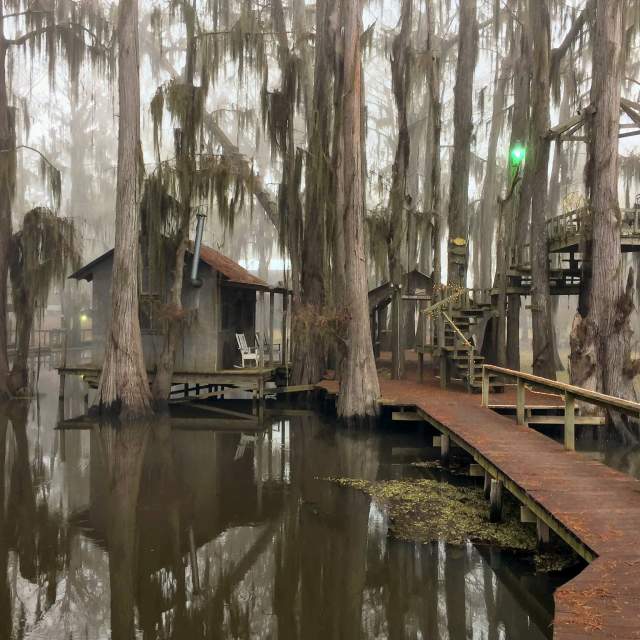
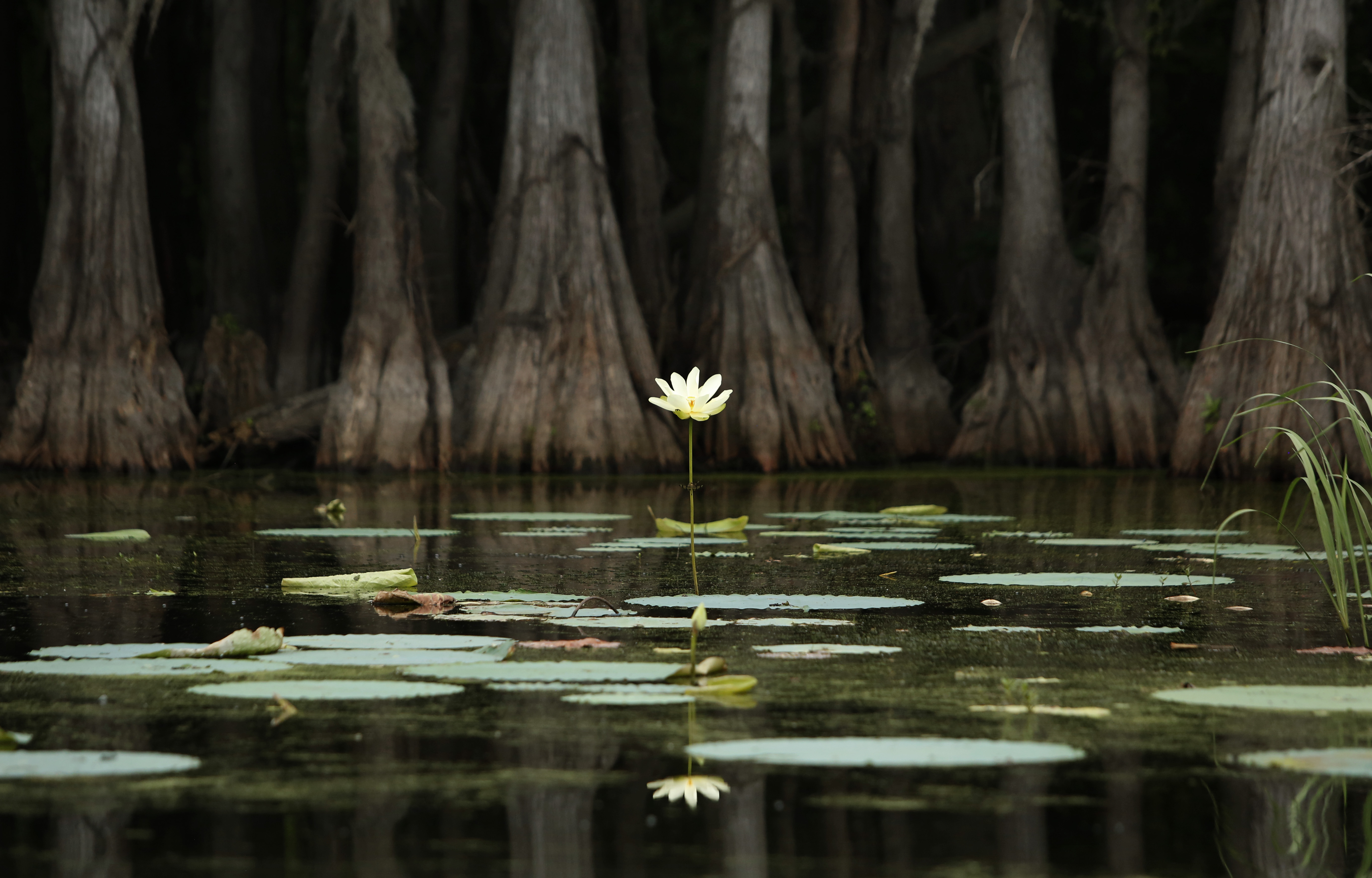
The lake is not a single, cohesive body of water in the way a typical reservoir might be. Instead, it’s a sprawling labyrinth of bayous, sloughs, and marshes, interspersed with open water. This intricate network covers approximately 25,400 acres, making it one of the largest natural inland lakes in the southern United States. The dominant feature of Caddo Lake is the Spanish moss that drapes the ancient bald cypress trees, creating an ethereal, almost primeval atmosphere. This unique flora, combined with the intricate water channels, makes exploring the lake an unforgettable experience.
A Rich Ecosystem and Geological History
The geological history of Caddo Lake is as captivating as its present-day beauty. The Great Raft, the natural dam that gave birth to the lake, was a dynamic entity for centuries. Over time, portions of the raft would break away, altering the lake’s configuration. Eventually, natural erosion and human intervention (though not to create the lake itself, but to manage its flow and navigation) led to the gradual breakdown of the raft, but the lake’s formation was already complete. The underlying topography, shaped by ancient riverbeds and geological subsidence, provided the perfect basin for the impounded water.
The ecological significance of Caddo Lake cannot be overstated. It is a vital habitat for a remarkable array of wildlife. The slow-moving, nutrient-rich waters support a diverse fish population, making it a popular spot for anglers. Beyond the fish, the lake is a crucial stopover point for migratory birds along the Central Flyway. Birdwatchers can spot herons, egrets, cormorants, and numerous other species. The dense vegetation and shallow waters also provide sanctuary for reptiles, including alligators, turtles, and snakes. The unique environment fosters a rich biodiversity that is increasingly rare in many parts of the country.
The human history intertwined with Caddo Lake is also noteworthy. Indigenous tribes, including the Caddo people, lived in harmony with the lake for centuries, utilizing its resources for sustenance and shelter. Later, the area became a hub for logging, particularly for the valuable bald cypress wood, and for oil and gas exploration. Remnants of these historical activities can still be found, adding layers of intrigue to the landscape. Today, the primary economic and recreational focus is on tourism, preserving the natural beauty and offering visitors a unique glimpse into a bygone era.
Exploring Caddo Lake: Travel and Tourism
For travelers seeking an authentic natural experience in Texas, Caddo Lake offers a compelling destination. Its unique status as the state’s only natural lake makes it a must-visit for anyone interested in natural history, geography, or simply seeking a tranquil escape from the ordinary. The opportunities for exploration are abundant, catering to various interests and travel styles.
Activities and Attractions:
- Boating and Kayaking: The best way to experience the intricate waterways of Caddo Lake is by boat. Whether you choose a guided tour, rent a kayak, or launch your own vessel, navigating the bayous and sloughs offers unparalleled intimacy with the natural environment. Guided tours often provide insights into the lake’s history, ecology, and the best spots for wildlife viewing. Many operators depart from towns like Karnack and Uncertain.
- Fishing: As mentioned, the lake is a prime location for fishing. Anglers can try their luck at catching bass, crappie, catfish, and bream. The unique environment of the lake, with its submerged trees and aquatic vegetation, provides excellent cover for fish.
- Birdwatching: With its designation as a Globally Important Bird Area by the American Bird Conservancy, Caddo Lake is a paradise for ornithologists and casual observers alike. Bringing binoculars and a field guide is highly recommended.
- Hiking and Nature Trails: While the primary focus is on the water, there are opportunities for hiking around the lake. Caddo Lake State Park offers several trails that wind through the cypress-studded forests, providing different perspectives of the landscape.
- Photography: The atmospheric beauty of Caddo Lake, particularly with the Spanish moss and the interplay of light and shadow on the water, makes it a dream destination for photographers. Sunrise and sunset often cast a magical glow over the cypress trees.
Accommodation:
While Caddo Lake might seem remote, there are several lodging options to suit different preferences and budgets.
- Cabins and Cottages: Many charming cabins and cottages are available for rent, offering a cozy and immersive experience close to the water. These often provide direct access to the lake and can be found both within Caddo Lake State Park and in the surrounding communities.
- Hotels and Motels: For those seeking more conventional accommodations, nearby towns like Marshall and Longview offer a range of hotels and motels. These provide convenient bases for day trips to the lake.
- Bed and Breakfasts: Several bed and breakfast establishments offer a more personal and intimate lodging experience, often highlighting local charm and hospitality.
- Camping: Caddo Lake State Park provides campsites for those who wish to sleep under the stars and be fully immersed in the natural environment.
Local Culture and Cuisine:
The towns surrounding Caddo Lake have their own unique character, influenced by their proximity to the water and their historical roots. Expect a laid-back Southern charm, with friendly locals and a relaxed pace of life.
The local cuisine often features Southern staples, with an emphasis on fresh seafood, particularly from the lake itself. Catfish, crawfish, and other freshwater delicacies are common on menus. Regional barbecue and comfort food are also widely available, offering a taste of authentic Texas flavor. Exploring the local diners and cafes is part of the overall experience of visiting this unique part of the state.

Preserving a Natural Treasure
The designation of Caddo Lake as the only natural lake in Texas underscores the importance of its preservation. Its unique geological origin and thriving ecosystem make it a valuable natural heritage site. Conservation efforts are crucial to ensure that future generations can experience its beauty and ecological significance.
Organizations like the Caddo Lake Coalition and the Texas Parks and Wildlife Department work tirelessly to protect the lake and its surrounding environment. These efforts often involve managing water levels, controlling invasive species, and educating the public about the lake’s delicate balance. Responsible tourism plays a vital role in this preservation. Visitors are encouraged to practice leave-no-trace principles, respect wildlife, and support local businesses that prioritize sustainability.
The appeal of Caddo Lake lies not just in its distinction as the sole natural lake but also in its profound sense of place. It offers a stark contrast to the bustling cities and sprawling man-made reservoirs that characterize much of Texas. Here, one can reconnect with nature, marvel at ancient trees, and feel the quiet power of a landscape shaped by time and natural forces. It is a living testament to the Earth’s ability to create wonders, a place where history, ecology, and natural beauty converge to create an experience that is truly one of a kind in the Lone Star State. Whether you are a seasoned traveler, a nature enthusiast, or simply seeking a unique getaway, Caddo Lake promises an unforgettable journey into the heart of Texas’s wild beauty.
LifeOutOfTheBox is a participant in the Amazon Services LLC Associates Program, an affiliate advertising program designed to provide a means for sites to earn advertising fees by advertising and linking to Amazon.com. Amazon, the Amazon logo, AmazonSupply, and the AmazonSupply logo are trademarks of Amazon.com, Inc. or its affiliates. As an Amazon Associate we earn affiliate commissions from qualifying purchases.