
Navigating the financial landscape of any new place can be a daunting task, and for those considering a move to or investment in the Lone Star State, understanding its property tax system is paramount. While Texas is celebrated for its no state income tax policy, this often leads to a higher reliance on property taxes to fund public services. This article will demystify the real estate tax in Texas, covering its fundamental principles, how it’s calculated, and key considerations for homeowners and investors alike. From understanding appraisal values to exploring potential exemptions, we aim to equip you with the knowledge needed to confidently engage with the Texas property tax system.
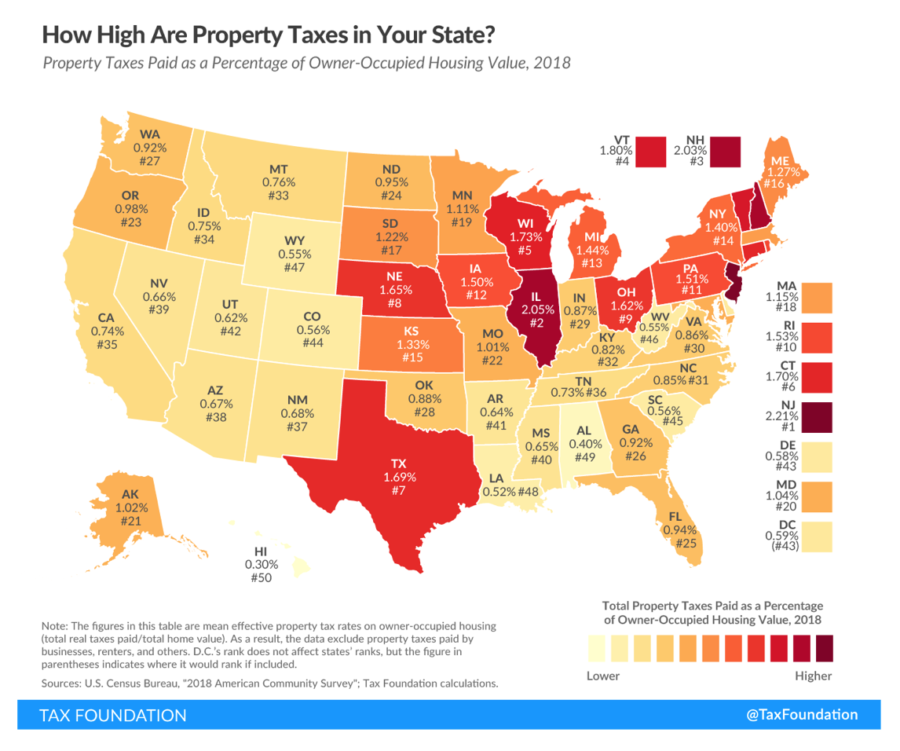
Understanding the Texas Property Tax Landscape
Texas operates under a decentralized property tax system, meaning that the responsibility for assessing and collecting property taxes falls to local entities rather than a statewide agency. This includes counties, cities, school districts, and special districts like hospital or water districts. Each of these taxing units has the authority to levy its own property tax rate, resulting in varying tax burdens across different locales. This decentralization is a significant factor contributing to the diverse property tax experiences within Texas.
The Role of Appraisals
At the heart of the Texas property tax system is the appraisal process. Property taxes are levied on the assessed value of your property, which is determined by a local appraisal district. These districts are responsible for identifying and appraising all taxable property within their jurisdiction each year. The appraised value, or market value, represents what the property would sell for under normal market conditions.
However, for homesteaded properties (primary residences), the Texas Tax Code limits the annual increase in appraised value to 10% for homesteads owned by homeowners aged 65 or older or disabled homeowners. For other homesteads, the increase is capped at 10% annually from the previous year’s homestead appraised value, not necessarily the market value. This is a crucial distinction for homeowners looking to predict their tax liabilities.
It’s important to understand that the “appraised value” used for tax purposes might differ from the “market value.” While the appraisal district strives for market value, various factors can influence the final appraised value. Property owners have the right to protest their appraised value if they believe it is incorrect, inaccurate, or inequitable compared to similar properties in the area. This protest process is a vital mechanism for ensuring fair taxation.
Tax Rates and Levies
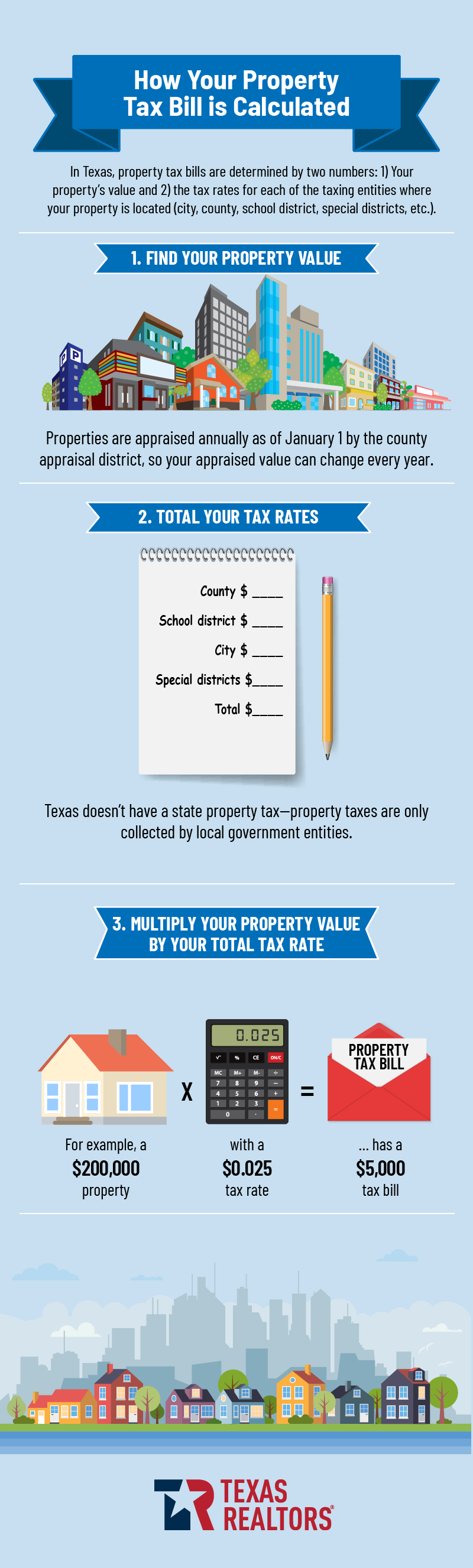
Once the appraised value is established, taxing units set their own tax rates, known as “millage rates.” A mill is one-tenth of a cent, meaning a tax rate of 10 mills would translate to $1 of tax for every $100 of taxable value. For example, if your property has a taxable value of $200,000 and the combined millage rate from all taxing entities is 20 mills, your annual property tax bill would be $4,000 ([$200,000 / 1,000] * 20).
The combined millage rate is the sum of the rates set by the county, city, school district, and any other special districts where the property is located. This is why a property in one part of Dallas might have a significantly different tax bill than a similar property in another part of Dallas County, or even in a different school district within the same city. Understanding the specific taxing units that levy taxes on your property is essential for accurately estimating your tax liability.
Calculating Your Texas Property Tax Bill
The calculation of your property tax bill in Texas is a straightforward, albeit multifaceted, process. It involves understanding the appraised value, any applicable exemptions, and the combined tax rates of the various taxing entities.
Determining the Taxable Value
The starting point for your property tax bill is the appraised value of your property. As mentioned, this is determined by the local appraisal district. However, this appraised value is not always the figure on which your taxes are directly calculated.
Exemptions play a significant role in reducing your taxable value. The most common exemption is the homestead exemption, which applies to your primary residence. There are different types of homestead exemptions, including the general homestead exemption, exemptions for individuals 65 and older, disabled individuals, and veterans. Each exemption reduces the appraised value of your home by a specific amount before the tax rate is applied. For instance, the general homestead exemption in Texas allows homeowners to subtract $40,000 from their home’s appraised value for school district taxes. Other exemptions may apply for disabled veterans, surviving spouses of veterans, and other specific circumstances.
Beyond homestead exemptions, there are other types of exemptions available, such as those for agricultural and timberland, which are appraised based on their productive value rather than market value, leading to significant tax savings. Additionally, some taxing units may offer their own local exemptions.
The taxable value is then calculated by subtracting any applicable exemptions from the appraised value.
Applying Tax Rates
Once the taxable value is determined, the final step is to apply the combined tax rate. As discussed, this rate is a composite of the millage rates set by all the taxing units that have jurisdiction over your property. For example, if your property is located within the city limits of Houston, served by Houston Independent School District, and falls within Harris County, your tax bill will be the sum of the taxes levied by each of these entities.
It is crucial for property owners to be aware of the tax rates set by each of these entities annually. These rates can change, and understanding the breakdown can help in budgeting and in advocating for lower tax rates if you believe they are excessive.
Key Considerations for Property Owners and Investors
When considering real estate in Texas, whether as a primary residence or an investment, understanding the property tax implications is vital. The absence of a state income tax makes Texas an attractive destination, but the reliance on property taxes means that these costs can be substantial and should be factored into any financial planning.
Protesting Your Property Appraisal
One of the most empowering rights Texas property owners have is the ability to protest their property’s appraised value. If you believe your property has been overvalued, unfairly assessed compared to similar properties, or has an incorrect description, you have the right to file a protest with the appraisal review board. This process typically begins with filing a Notice of Protest with your local appraisal district. The appraisal district will then schedule a hearing where you can present your case. Gathering evidence, such as recent sales of comparable properties in your neighborhood, professional appraisals, or photographs of any damage to your property, can strengthen your protest. Successfully protesting your appraisal can lead to a lower taxable value and, consequently, a lower property tax bill.
Understanding Homestead Exemptions and Their Benefits
As highlighted, the homestead exemption is a cornerstone of property tax relief for Texas homeowners. It provides a significant reduction in the taxable value of your primary residence. It is essential for every homeowner to apply for this exemption if they qualify. The process typically involves submitting an application to the local appraisal district, often along with proof of residency, such as a Texas driver’s license or voter registration. Beyond the general homestead exemption, individuals 65 or older or those with a qualifying disability can receive an additional homestead exemption, further reducing their tax burden. This makes Texas particularly attractive for retirees and individuals with disabilities looking to manage their living expenses.
The Impact of Property Taxes on Real Estate Investment
For real estate investors, property taxes are a significant operating expense that directly impacts profitability. When evaluating investment properties in Texas, such as apartments or commercial buildings in cities like Austin or San Antonio, investors must meticulously research the property tax rates in the specific areas they are considering. The cumulative tax burden can influence rental rates and overall return on investment. Furthermore, commercial properties and investment properties do not typically qualify for homestead exemptions, meaning they are taxed on their full appraised value, often leading to higher tax liabilities compared to residential properties. Understanding the potential for tax increases due to market appreciation or changes in tax rates is a critical aspect of due diligence for any real estate investor in Texas.

Navigating the Future of Texas Property Taxes
The conversation around property taxes in Texas is ongoing. There are regular discussions and legislative proposals aimed at reforming the system, often focusing on finding alternative revenue sources or adjusting appraisal and tax rate limitations. Staying informed about these developments is crucial for all property owners and investors. Initiatives to lower school district property taxes, for instance, have been a recurring theme in recent legislative sessions. These reforms, if enacted, could significantly alter the property tax landscape. For anyone with a vested interest in Texas real estate, keeping abreast of these potential changes is a prudent strategy.
In conclusion, while Texas offers a compelling proposition with its absence of state income tax, its property tax system demands careful attention. By understanding the appraisal process, tax rates, exemptions, and your rights as a property owner, you can effectively manage your real estate tax obligations and make informed decisions about living and investing in this dynamic state. Whether you’re considering a vacation home in the Texas Hill Country, a luxury condo in Dallas, or a rental property near a burgeoning city, a thorough grasp of real estate taxes will undoubtedly enhance your experience in the Lone Star State.
LifeOutOfTheBox is a participant in the Amazon Services LLC Associates Program, an affiliate advertising program designed to provide a means for sites to earn advertising fees by advertising and linking to Amazon.com. Amazon, the Amazon logo, AmazonSupply, and the AmazonSupply logo are trademarks of Amazon.com, Inc. or its affiliates. As an Amazon Associate we earn affiliate commissions from qualifying purchases.