
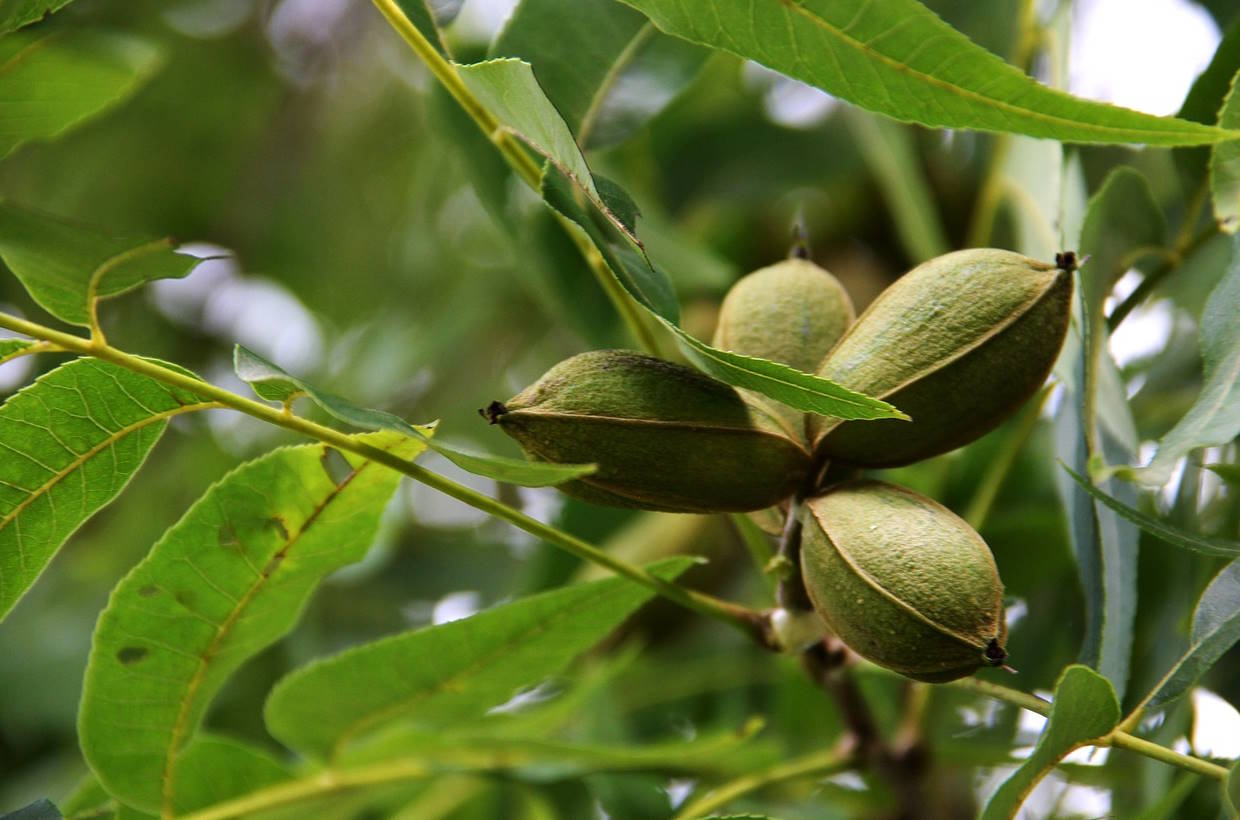
The vast and diverse landscapes of Texas are dotted with iconic flora, but one tree stands out as a symbol of the Lone Star State: the Pecan. More than just a provider of delicious nuts, the Pecan tree, scientifically known as Carya illinoinensis, embodies the spirit of Texas, reflecting its rich history, agricultural heritage, and enduring natural beauty. Its presence is woven into the very fabric of Texas life, from the bustling cities to the sprawling ranches, and it holds a special place in the hearts of Texans.
The Majestic Pecan: A Symbol of Texas Identity
The Pecan tree was officially designated as the state tree of Texas on June 7, 1919. This designation was not a mere administrative act; it was a recognition of the tree’s profound significance to the state. The Pecan is deeply rooted in Texas history, having been a vital food source for Native American tribes for centuries before European settlers arrived. Its nuts provided sustenance and were traded, further integrating the tree into the early economy and culture of the region.
A Tree of Resilience and Abundance
The Pecan’s resilience is a trait that mirrors the Texan spirit. It thrives in a variety of conditions found across the state, from the humid East Texas piney woods to the drier West Texas plains. This adaptability has allowed it to flourish and become a widespread and recognizable feature of the Texas landscape.
Beyond its survival capabilities, the Pecan is a symbol of abundance. Its prolific nut production has made Texas a leading producer of pecans, a delicacy enjoyed both domestically and internationally. The annual pecan harvest is a significant event, contributing to the state’s agricultural economy and providing a tangible link to the land. This bounty also extends to its shade and lumber, making it a valuable resource in numerous ways.
Exploring Pecan Country: Destinations and Experiences
The presence of Pecan trees extends throughout Texas, creating unique travel opportunities and enriching the experience of visiting various regions. Understanding where these magnificent trees are most prevalent can enhance any Texas itinerary.
The Heart of Pecan Production: Central and East Texas
Central Texas and East Texas are often considered the heart of Pecan country. Here, vast orchards and naturally occurring groves can be found, painting the landscape with the distinctive silhouette of the Pecan tree. Traveling through these areas, especially during the autumn months, offers a visually stunning experience as the leaves turn shades of gold and brown.
For travelers interested in agricultural tourism, visiting a Pecan farm can be an incredibly rewarding experience. Many farms offer tours, allowing visitors to learn about the cultivation of pecans, from planting and harvesting to shelling and packaging. Some even offer the opportunity to pick your own pecans, a hands-on activity that connects you directly with the source of this beloved nut.
- Farmer’s Markets: Throughout the harvest season, local farmer’s markets across Texas are brimming with fresh pecans and Pecan-based products. This is a fantastic way to support local farmers and sample the best of what Texas has to offer.
- Pecan Festivals: Many towns and cities in Pecan-producing regions host annual Pecan festivals. These lively events celebrate the harvest with food, music, crafts, and, of course, plenty of Pecan-themed treats. Keep an eye out for events in towns like San Saba, often dubbed the “Pecan Capital of the World.”
Nature and Recreation: Parks and Natural Areas
Pecan trees are not confined to agricultural settings; they are integral to the natural beauty of many Texas state parks and natural areas. Exploring these locations offers a chance to see Pecan trees in their wilder, more untamed form.
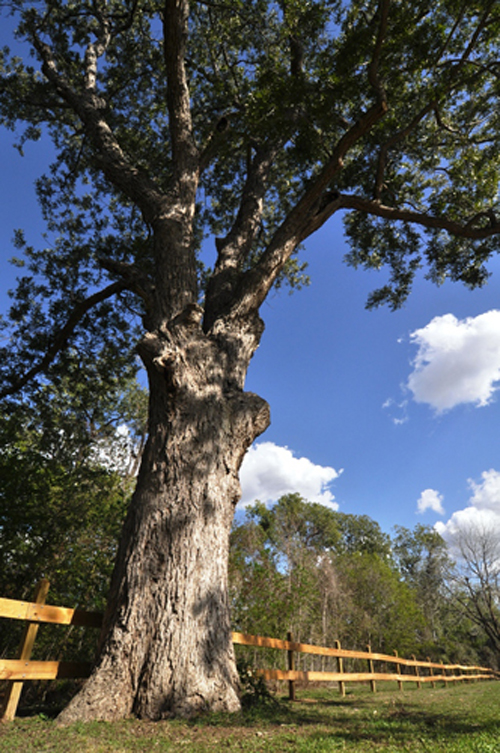
- Riverbanks and Bottomlands: Pecan trees thrive in moist, well-drained soils, making them a common sight along rivers and in bottomland areas. Parks like Mustang Island State Park (though coastal, river systems feeding into it can host pecans) or Davy Crockett National Forest offer opportunities to observe these trees in their natural habitat. The shade provided by mature Pecan trees can make for pleasant hiking and picnicking spots.
- Urban Oases: Even in urban environments like Austin or San Antonio, you can find magnificent Pecan trees gracing city parks and along riverwalks. The San Antonio River Walk, for instance, is lined with a variety of trees, including majestic Pecans, offering a beautiful and shaded urban escape.
The Cultural and Culinary Significance of the Pecan
The Pecan’s influence extends far beyond its physical presence in the landscape. It is deeply embedded in Texas culture, particularly in its culinary traditions.
A Culinary Staple: From Pies to Pralines
The Pecan is a cornerstone of Texas cuisine. Its rich, buttery flavor and satisfying crunch make it a versatile ingredient in both sweet and savory dishes.
- Pecan Pie: No discussion of Texas food is complete without mentioning Pecan pie. This iconic dessert, with its gooey, sweet filling and generous scattering of Pecans, is a holiday staple and a beloved treat year-round. Many families have their own treasured recipes, passed down through generations.
- Other Delicacies: Beyond pie, Pecans are used in a myriad of other dishes. They are a popular addition to cookies, cakes, brownies, and Candied Pecans. Savory applications include being incorporated into bread, salads, and even as a crust for meats. Pralines, a sweet confection, often feature Pecans as a primary ingredient.
Pecans in Texas Life
The Pecan tree also plays a role in the broader lifestyle of Texas. Its presence can influence the aesthetic of homes and landscapes, and its nuts are a common sight in homes and gift baskets.
- Landscaping and Property: Many homeowners in Texas choose Pecan trees for their yards, appreciating their beauty, the shade they provide, and the potential for a personal harvest of nuts. The graceful spread of a mature Pecan tree can be a stunning focal point in any garden.
- Gifts and Souvenirs: Pecans, whether shelled, roasted, or candied, are a popular gift and souvenir for visitors to Texas. They represent a taste of the state and a connection to its natural bounty.
Preserving the Legacy of the Pecan Tree
As the state tree of Texas, the Pecan holds an esteemed position. Efforts are continuously made to ensure its preservation and to promote its continued cultivation and appreciation.
Conservation and Sustainability
Organizations and individuals across Texas are dedicated to conserving Pecan groves and promoting sustainable harvesting practices. This includes protecting natural Pecan woodlands from development and encouraging responsible management of orchards.
- Research and Development: Agricultural research institutions in Texas continue to study Pecan trees, focusing on improving disease resistance, increasing yields, and developing new varieties. This research is vital for the long-term health of the Pecan industry and the tree’s ecological role.
- Environmental Benefits: Beyond its economic and culinary value, the Pecan tree provides significant environmental benefits. Its large canopy helps to improve air quality, reduce soil erosion, and provide habitat for various wildlife species. Its presence contributes to the biodiversity and ecological health of the Texas environment.

The Enduring Symbolism of the Pecan
The Pecan tree is more than just a botanical specimen; it is a living symbol of Texas. Its enduring presence, its generous bounty, and its deep connection to the state’s history and culture solidify its status as a beloved icon. Whether you are exploring the historical sites of San Antonio, enjoying the vibrant culture of Austin, or driving through the scenic countryside, the sight of a Pecan tree is a reminder of the rich heritage and natural splendor that defines the great state of Texas. Its story is intertwined with the story of Texas itself, a testament to the enduring power of nature and its ability to shape identity.
LifeOutOfTheBox is a participant in the Amazon Services LLC Associates Program, an affiliate advertising program designed to provide a means for sites to earn advertising fees by advertising and linking to Amazon.com. Amazon, the Amazon logo, AmazonSupply, and the AmazonSupply logo are trademarks of Amazon.com, Inc. or its affiliates. As an Amazon Associate we earn affiliate commissions from qualifying purchases.