
The vast and vibrant state of Texas is a land of superlatives, a place where history, culture, and natural beauty converge to create an experience unlike any other. Known for its independent spirit and sprawling landscapes, it’s no surprise that Texas has earned a multitude of nicknames, each reflecting a different facet of its unique identity. While there isn’t one single, universally agreed-upon nickname, the most enduring and widely recognized moniker encapsulates its proud legacy and expansive territory.
The Lone Star State: A Symbol of Independence and History
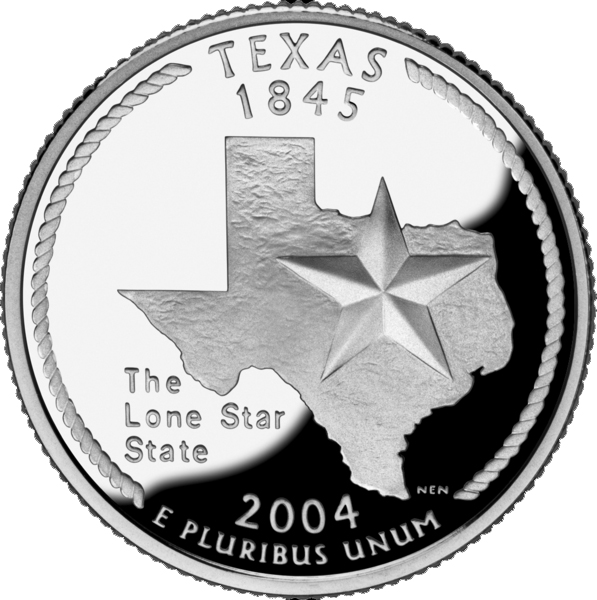
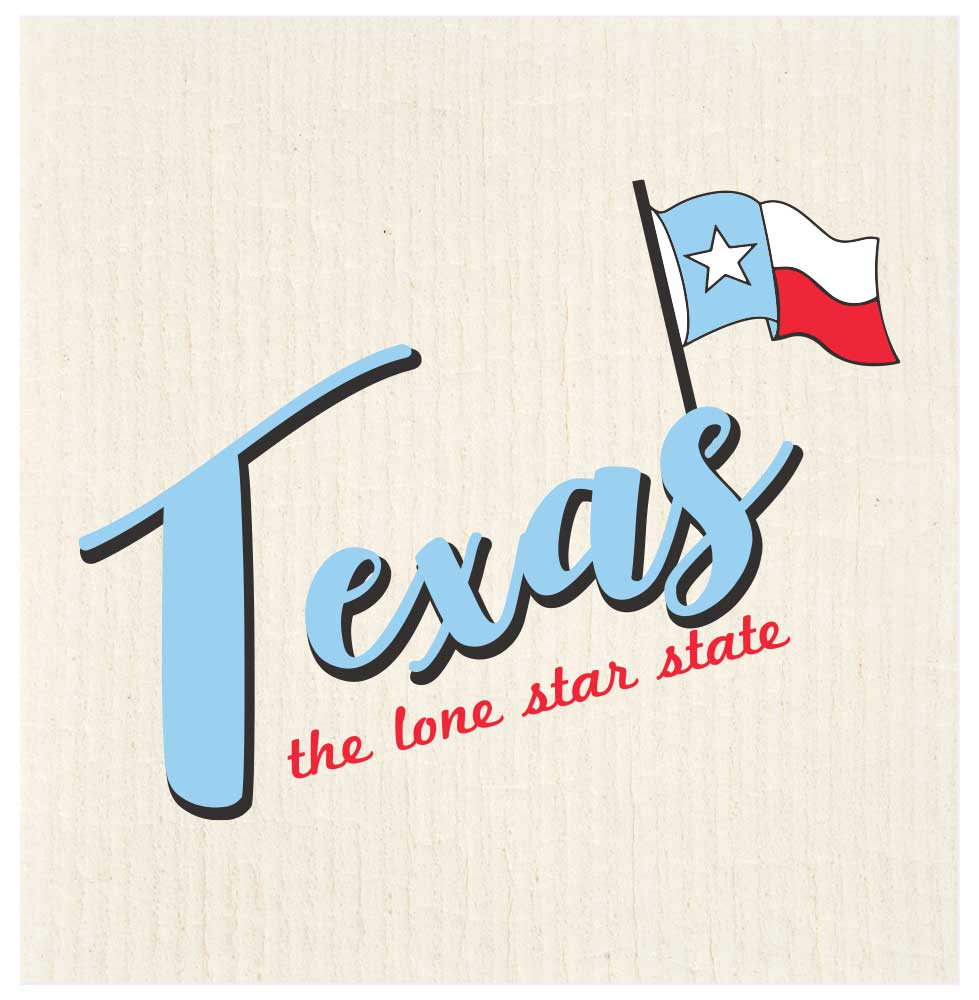
The most prominent and enduring nickname for Texas is undoubtedly “The Lone Star State.” This moniker is deeply rooted in the state’s rich history and its struggle for independence. The single star prominently featured on the Texas flag is a powerful symbol, representing the state’s unity and its historical status as an independent republic.
The Republic of Texas and the Birth of a Symbol
Before becoming a state in the United States, Texas was an independent nation, the Republic of Texas, from 1836 to 1845. During this pivotal period, the single star became the dominant symbol, signifying their sovereignty and their break from Mexico. This era of self-governance forged a strong sense of identity and pride among Texans, which continues to resonate today. The adoption of the lone star on the flag was a deliberate choice, emphasizing their unique status and their aspiration for recognition as a separate entity. This historical context is crucial to understanding why “The Lone Star State” has become so deeply ingrained in the Texas psyche and so widely adopted by those who visit and experience its charm.
The legacy of the Republic of Texas is not merely a historical footnote; it continues to influence the state’s culture and its citizens’ outlook. There’s a palpable sense of self-reliance and a strong adherence to principles of freedom and independence that many attribute to this formative period. When you visit places like San Antonio, you can still feel the echoes of this history, particularly at landmarks like the Alamo, a powerful reminder of the sacrifices made for Texas independence.
Beyond the Flag: A Cultural Identifier
“The Lone Star State” extends beyond the official flag and historical narratives; it’s a cultural identifier that permeates everyday life in Texas. From businesses incorporating the imagery into their branding to the ubiquitous presence of lone star motifs in art and decor, the symbol is a constant reminder of Texas heritage. It signifies a state that stands tall, proud, and self-sufficient.
For travelers, understanding this nickname provides a deeper appreciation for the Texas experience. It suggests a destination where independence is valued, and where a strong sense of community and shared heritage thrives. Whether you’re exploring the bustling streets of Austin or the wide-open spaces of West Texas, the spirit of the lone star is ever-present, inviting you to discover its unique blend of tradition and innovation.
This nickname also resonates with the sheer size of Texas. The state is immense, with diverse landscapes ranging from the piney woods of East Texas to the deserts of the Trans-Pecos region. The lone star, in its solitary prominence, can be seen as a metaphor for this vast and singular entity, a state that commands attention on its own terms.
Other Notable Texas Nicknames: A Tapestry of Identity
While “The Lone Star State” reigns supreme, Texas has been affectionately or descriptively called by other names throughout its history. These nicknames, though less common, offer additional glimpses into the state’s multifaceted character, highlighting its agricultural prowess, its oil-rich industries, and its enduring sense of bravado.
The “Everything is Bigger in Texas” Perception
One of the most commonly associated sentiments, though not a formal nickname, is the idea that “Everything is Bigger in Texas.” This colloquial phrase captures the spirit of generosity, ambition, and the sheer scale of things found within the state. From enormous ranches to hearty appetites for barbecue, the notion of bigness is a recurring theme. This perception often translates into grand experiences for visitors, whether it’s a colossal steak at a Texas steakhouse or the expansive horizons visible from atop a mountain in Big Bend National Park.
The Oil Patch and the Boomtown Spirit
Historically, Texas has been synonymous with oil production, leading to nicknames like “The Oil Patch State” or references to its “boomtown” spirit. The discovery of vast oil reserves transformed the state’s economy and landscape, creating wealth and attracting people from all walks of life. This era left an indelible mark on Texas, shaping its industrial backbone and contributing to its reputation for ambition and economic dynamism. Cities like Houston, with its deep ties to the energy sector, exemplify this aspect of Texas identity.
Agricultural Roots and Frontier Heritage
Before the oil boom, Texas was largely defined by its agricultural strength, particularly cattle ranching. This heritage has given rise to informal nicknames related to its cowboy culture and frontier spirit. The image of the Texas rancher and the vast ranches is a powerful one, contributing to the romanticized vision of the state as a land of rugged individualism and wide-open spaces. This is particularly evident in the charming small towns and historic ranches scattered across the state, offering a glimpse into a bygone era.
These various informal and historical nicknames, when considered alongside “The Lone Star State,” create a richer, more nuanced understanding of Texas. They paint a picture of a state that is proud of its past, ambitious in its present, and confident in its future.
Experiencing the Nicknames: Travel and Tourism in Texas
The diverse nicknames of Texas are not just historical curiosities; they are gateways to understanding and experiencing the state’s unique offerings for travelers, from its bustling metropolises to its serene natural landscapes. Whether you’re drawn by the spirit of independence, the allure of vastness, or the rich tapestry of its history, Texas promises an unforgettable journey.
The Lone Star Experience: Key Destinations and Attractions
For those seeking to immerse themselves in the “Lone Star State” experience, several key destinations and attractions stand out. Austin, the state capital, embodies the independent and vibrant spirit, known for its live music scene, eclectic culture, and motto “Keep Austin Weird.” Here, you can explore iconic venues like the Continental Club and discover the unique charm that sets it apart.
San Antonio offers a profound connection to Texas history. The Alamo, a symbol of Texas independence, is a must-visit, alongside the picturesque San Antonio River Walk, a charming urban oasis lined with restaurants, shops, and cultural attractions. For a glimpse into the sheer scale and natural beauty of Texas, Big Bend National Park in West Texas is unparalleled. Its rugged mountains, vast desert landscapes, and the winding Rio Grande offer a true sense of frontier wilderness.
When it comes to accommodation, Texas offers a spectrum of choices. From luxurious resorts in the Hill Country like the JW Marriott San Antonio Hill Country Resort & Spa to boutique hotels in the heart of Dallas, there’s something to suit every preference and budget. For those seeking a taste of the ranching life, exploring vacation rentals or guest ranches can provide an authentic experience.
Embracing the “Bigger is Better” Mentality: Culinary and Cultural Delights
The sentiment that “Everything is Bigger in Texas” is perhaps best experienced through its culinary scene. Texas barbecue is legendary, with world-renowned pitmasters serving up mouthwatering brisket, ribs, and sausage. Famous establishments like Franklin Barbecue in Austin are testament to this passion for good food. Beyond barbecue, the state boasts a diverse food landscape, influenced by its Mexican, Southern, and international communities.
Culturally, Texas is a melting pot. The vibrant arts scene in Houston, the historical significance of Galveston, and the deep-rooted traditions in smaller towns all contribute to a rich cultural tapestry. Festivals, rodeos, and live music events are common, offering visitors a chance to engage with local culture and experience the warm hospitality that Texans are known for.

Beyond the Nicknames: Planning Your Texas Adventure
Whether your interest is piqued by the independent spirit of the Lone Star State, the allure of its expansive landscapes, or its rich historical narrative, planning a trip to Texas offers a wealth of opportunities for exploration and discovery. Consider the time of year you plan to visit, as Texas weather can vary significantly from region to region.
For family trips, destinations like San Antonio with its theme parks and historical sites, or Galveston with its beaches and aquarium, are excellent choices. Business travelers will find world-class facilities and convenient accommodations in major cities like Dallas, Houston, and Austin. Budget travelers can discover charming motels, affordable eateries, and free attractions, proving that the Texas experience is accessible to all.
Ultimately, the nicknames of Texas serve as an invitation to delve deeper into what makes this state so special. From the proud symbolism of the lone star to the enduring spirit of independence and the sheer scale of its offerings, a journey through Texas is a journey into a land of enduring legends and unforgettable experiences.
LifeOutOfTheBox is a participant in the Amazon Services LLC Associates Program, an affiliate advertising program designed to provide a means for sites to earn advertising fees by advertising and linking to Amazon.com. Amazon, the Amazon logo, AmazonSupply, and the AmazonSupply logo are trademarks of Amazon.com, Inc. or its affiliates. As an Amazon Associate we earn affiliate commissions from qualifying purchases.