
When planning a trip to the vibrant metropolis of Dallas, Texas, understanding the local climate is paramount to crafting an unforgettable experience. The weather in this expansive North Texas city plays a significant role in what activities are most enjoyable, what attire to pack, and even what events might be taking place. Dallas experiences a humid subtropical climate, characterized by distinct seasons, each offering its own unique charm and set of considerations for travelers. From scorching summers to mild winters, and the potential for dramatic springtime thunderstorms, the Dallas weather is as diverse as the city itself.
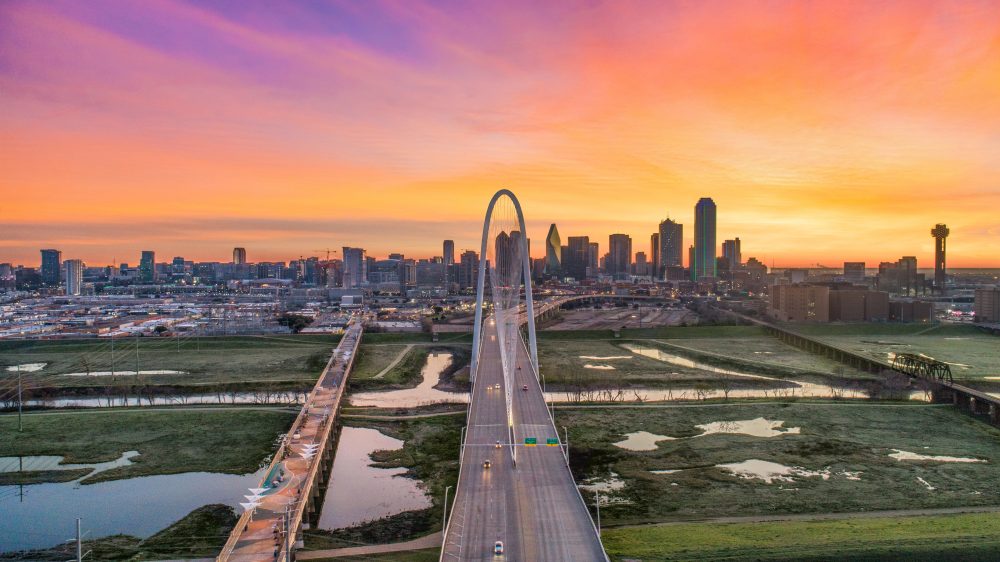
The city’s geographic location in the heart of Texas influences its weather patterns, often subjecting it to the extremes of both heat and cold, though typically with a longer period of warm weather than many other parts of the country. Understanding these nuances will help you make informed decisions, whether you’re booking a luxurious stay at a resort or a cozy apartment for a longer visit, and ensures your travel plans align perfectly with what the Dallas skies have to offer. This guide delves into the typical weather patterns throughout the year, offering insights to help you pack wisely, plan your sightseeing at iconic landmarks, and savor the local culture and culinary delights without weather-related surprises.
Seasonal Breakdown of Dallas Weather
Dallas, Texas experiences four pronounced seasons, each with its own characteristic weather. This seasonal variation is a key factor for anyone planning a visit, from those seeking outdoor attractions and experiences to those who prefer indoor pursuits within the city’s rich cultural landscape.
Spring (March – May)
Spring in Dallas is often considered one of the most pleasant times to visit. The weather begins to warm up considerably after the cooler winter months.
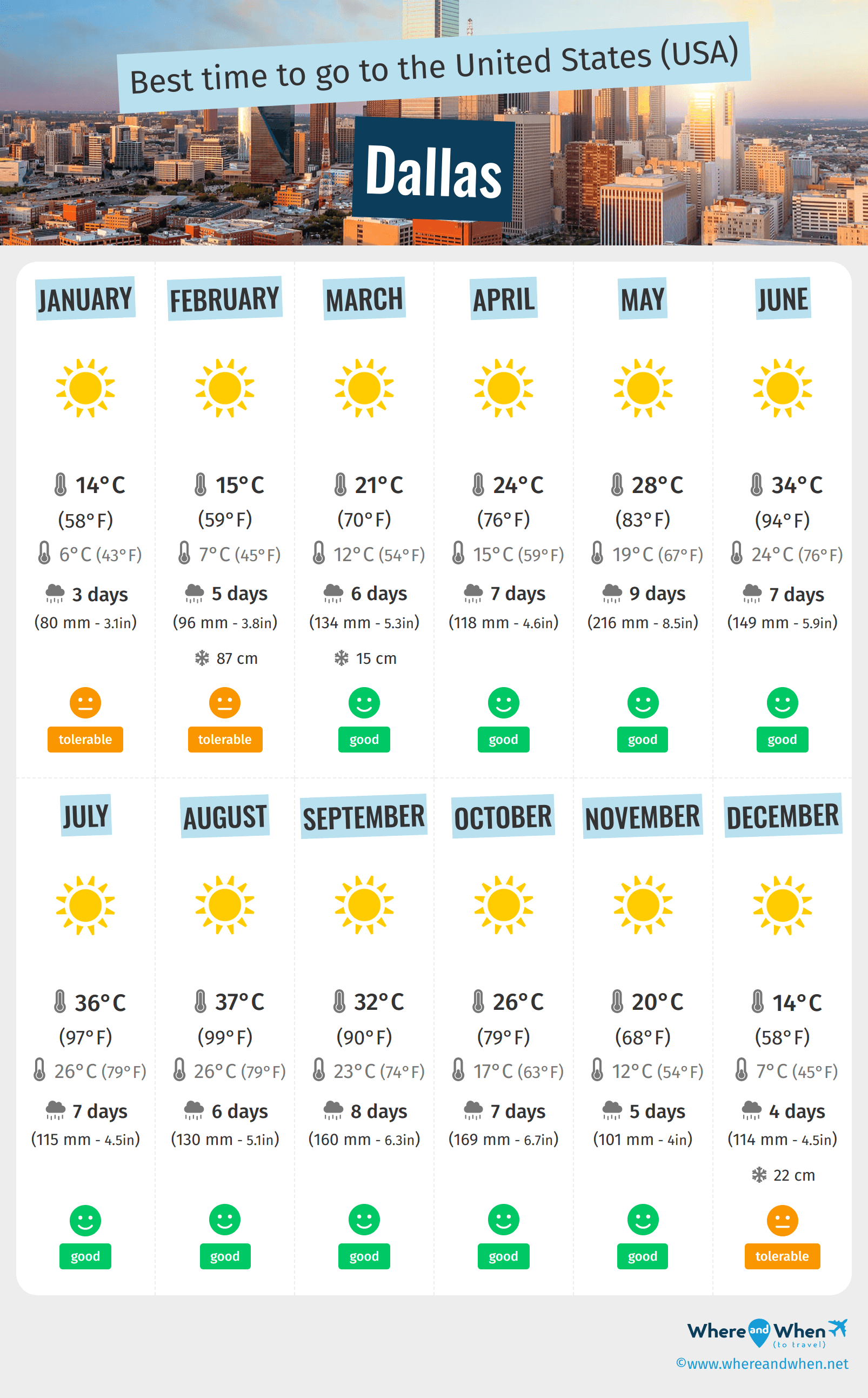
- March: Generally sees temperatures ranging from the high 40s to the low 70s Fahrenheit (around 9-22°C). While it can still be a bit crisp, especially in the mornings and evenings, days are becoming noticeably longer and milder. This is a great time for exploring outdoor attractions like the Dallas Arboretum and Botanical Garden or enjoying a stroll through Klyde Warren Park. However, it’s also the beginning of the severe weather season.
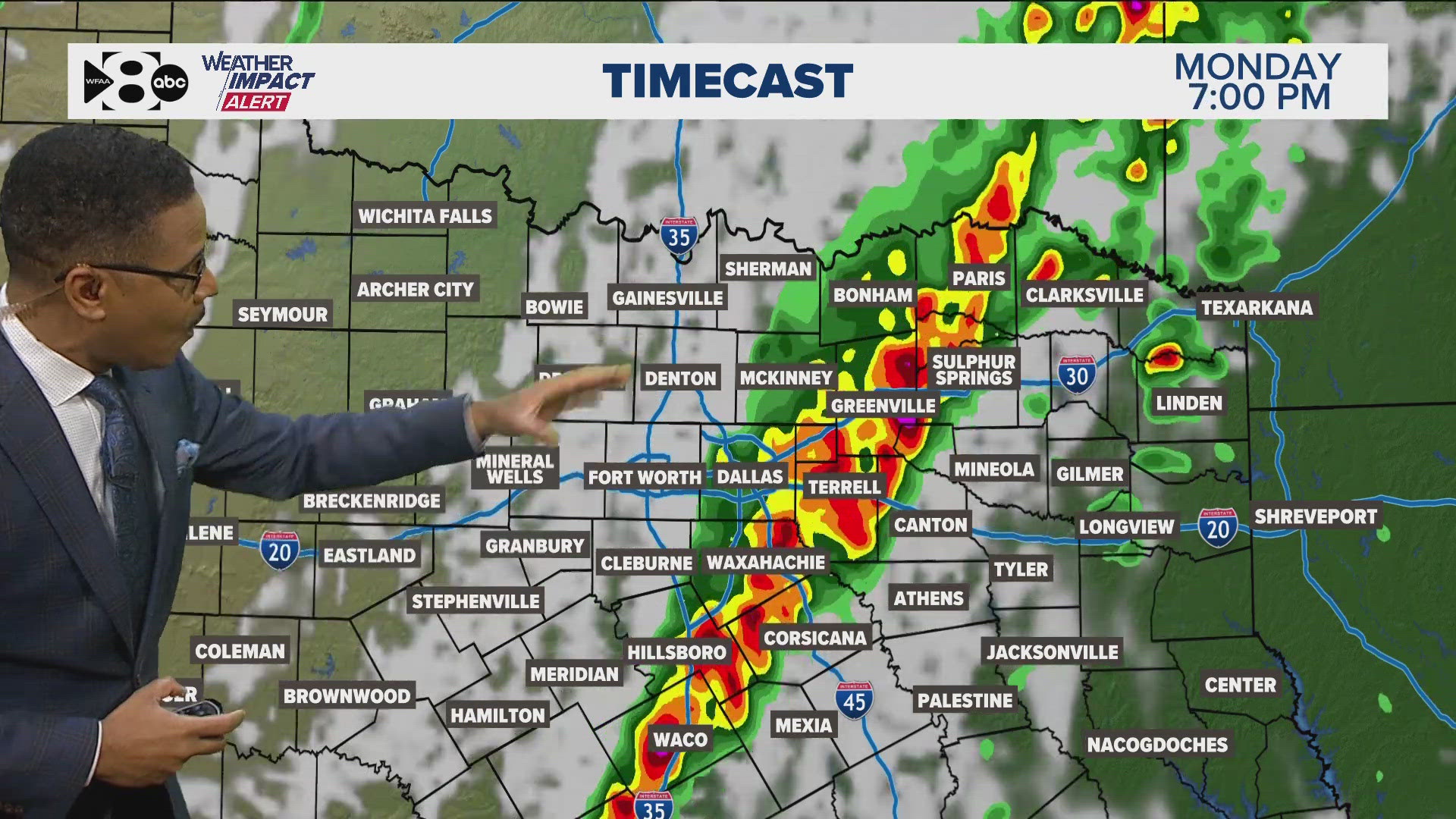
- April: Temperatures continue to climb, typically fluctuating between the low 50s and mid-70s Fahrenheit (around 11-24°C). The landscape bursts with color as flowers bloom, making it an ideal period for photographers and nature enthusiasts. This month, however, also sees an increase in the likelihood of severe thunderstorms, which can bring heavy rain, hail, and even tornadoes. It’s wise to stay informed about weather alerts.
- May: This is often the warmest spring month, with average highs reaching into the upper 70s and low 80s Fahrenheit (around 26-28°C), though temperatures can certainly exceed this. Humidity begins to rise, and while pleasant, the potential for pop-up thunderstorms remains. Outdoor activities, like visiting the Dallas World Aquarium or attending an outdoor concert, are generally very enjoyable.
Heading3: Springtime Considerations for Travelers
When visiting Dallas in the spring, packing layers is essential. Be prepared for a range of temperatures from cool mornings to warm afternoons. Comfortable walking shoes are a must for exploring landmarks and neighborhoods. Crucially, travelers should remain aware of weather forecasts. Tornado season peaks in the spring, and having a plan in case of severe weather warnings is prudent. Many hotels, such as the Hyatt Regency Dallas, offer safety information for guests. Dining at local eateries or exploring the Bishop Arts District can be done comfortably, provided you check the day’s forecast.
Summer (June – August)
Summers in Dallas are notoriously hot and humid. This is the time when the city truly embraces its reputation for heat.
- June: Marks the official start of summer, with average high temperatures typically in the upper 80s to low 90s Fahrenheit (around 31-33°C). Humidity levels are high, making the heat feel even more intense. Evenings offer some relief, but are generally still warm. Outdoor activities often become more challenging during the peak heat of the day.
- July & August: These are the hottest months. Average high temperatures consistently hover in the low to mid-90s Fahrenheit (around 33-35°C), but heat indices can easily reach well over 100°F (38°C) due to the humidity. Extended periods of intense sun are common. Many locals opt for indoor activities or enjoy the city’s numerous swimming pools and water parks. Evenings may offer a slight respite, with temperatures dropping into the 70s Fahrenheit (around 21-25°C).
Heading3: Summer Travel Tips for Dallas
For those planning a summer trip to Dallas, hydration is key. Drink plenty of water, wear lightweight and breathable clothing, and utilize sunscreen diligently. Plan your outdoor excursions for the early morning or late evening hours. Midday is best reserved for exploring indoor attractions like the Perot Museum of Nature and Science, the Dallas Museum of Art, or enjoying a delicious meal at one of the city’s acclaimed restaurants. If staying at a resort, take advantage of their pool facilities. Air-conditioned shopping centers like NorthPark Center also provide a welcome escape from the heat. Remember to book accommodation with good air conditioning.
Autumn (September – November)
Autumn in Dallas offers a welcome change from the summer heat, bringing milder temperatures and a more comfortable climate for exploration.
- September: While still warm, the intense heat of July and August begins to recede. Average high temperatures are typically in the mid-80s Fahrenheit (around 29°C), with humidity starting to decrease. The days are pleasant for outdoor activities, and evenings become cooler, often in the 60s Fahrenheit (around 15-20°C).
- October: This is often considered the most beautiful month in Dallas. Temperatures are comfortably mild, with highs generally in the low to mid-70s Fahrenheit (around 22-23°C). The air is drier, and the skies are often clear and blue, making it perfect for visiting outdoor attractions, attending events at AT&T Stadium, or simply enjoying the city’s parks. Fall colors can be observed, though they are not as dramatic as in more northern climates.
- November: Temperatures continue to cool, with highs typically in the 60s Fahrenheit (around 15-20°C). Mornings and evenings can be quite chilly, often dropping into the 40s Fahrenheit (around 4-9°C). This is a transitional month, where you might experience a variety of weather, from crisp autumn days to cooler, winter-like conditions. Holiday decorations and events begin to appear, adding to the city’s festive atmosphere.
Heading3: Embracing Autumn in Dallas
Autumn is an excellent time for Dallas tourism. The pleasant weather allows for extensive exploration of landmarks like the Sixth Floor Museum at Dealey Plaza or enjoying a guided tour of the city. Packing layers remains advisable, as temperatures can vary significantly from day to night. Comfortable walking shoes are essential for exploring areas like Deep Ellum or the West End Historic District. This season is also ideal for experiencing Dallas‘s renowned culinary scene, from upscale dining to casual food trucks, as you can linger longer at outdoor patios. Hotels often offer special autumn packages during this period, making it an attractive time for budget travel as well.
Winter (December – February)
Dallas experiences relatively mild winters compared to many other parts of the United States, though cold snaps do occur.
- December: Temperatures begin to drop, with average highs in the low 50s Fahrenheit (around 10-12°C). Overnights can dip into the 30s Fahrenheit (around 0-4°C), and occasional freezing temperatures are possible. While snow is infrequent, light dusting can occur, though it rarely accumulates significantly. The holiday season brings festive lights and events to Dallas, making it a charming time to visit.
- January: This is typically the coldest month. Average highs are in the high 40s to low 50s Fahrenheit (around 9-12°C), with average lows in the mid to high 30s Fahrenheit (around 2-4°C). Freezing temperatures are common, and ice storms are a possibility. However, sunny, mild days can also intersperse the colder periods.
- February: Temperatures begin to moderate, with average highs climbing into the mid-50s Fahrenheit (around 12-15°C). Like March, February can also experience a transition back towards spring-like conditions, but it still falls within the severe weather season, meaning thunderstorms can occur.
Heading3: Winter Travel in Dallas
For winter travel to Dallas, a warm jacket, sweaters, and long pants are essential. A scarf and gloves might be necessary for colder days. Despite the cooler temperatures, Dallas offers a wealth of indoor activities. Museums like the Dallas Museum of Art, the Nasher Sculpture Center, and the Crow Museum of Asian Art provide excellent opportunities for cultural enrichment. Shopping at the numerous malls or enjoying performances at the Winspear Opera House or the Dallas Symphony Orchestra are also great options. Dining in Dallas remains a highlight year-round, with its diverse culinary landscape offering cozy spots for a warm meal. For those seeking luxury travel, the city’s high-end hotels provide a warm and opulent retreat from the winter chill.
Key Weather Phenomena in Dallas
Beyond the general seasonal patterns, Dallas is susceptible to specific weather phenomena that travelers should be aware of. These events can significantly impact travel plans and necessitate flexibility.
Severe Thunderstorms and Tornadoes
As mentioned, Texas is part of “Tornado Alley,” and Dallas is no exception. The spring months, particularly April and May, are peak season for severe thunderstorms. These storms can bring:
- Heavy Rainfall: Leading to localized flooding, especially in low-lying areas or areas with poor drainage.
- Large Hail: Capable of causing damage to vehicles and property.
- Strong Winds: Which can down trees and power lines.
- Tornadoes: While not every thunderstorm produces a tornado, the risk is present. Residents and visitors are advised to be aware of weather alerts, have a plan for seeking shelter, and know the difference between a Tornado Watch (conditions are favorable) and a Tornado Warning (a tornado has been sighted or indicated by radar).
Heatwaves and Drought
Dallas summers are characterized by prolonged periods of high temperatures and humidity. Heatwaves, where temperatures exceed 100°F (38°C) for several consecutive days, are common. Combined with the humidity, this can create dangerous conditions for outdoor activity. Droughts can also occur, particularly during the summer months, leading to water restrictions and increasing the risk of wildfires in surrounding rural areas, although wildfires are less common within the city limits themselves.
Ice and Freezing Rain
While not as frequent as in more northern states, Dallas can experience winter weather events that include freezing rain and ice storms. These can make roads treacherous and lead to widespread power outages. Cold snaps can also bring a significant drop in temperature, sometimes accompanied by icy conditions.
Planning Your Dallas Adventure Around the Weather
The key to a successful trip to Dallas, Texas, regardless of the season, is informed planning. By understanding the typical weather patterns and potential extreme events, you can tailor your itinerary to maximize enjoyment and minimize inconvenience.
For travel that focuses on outdoor attractions, landmarks, and experiences, spring and autumn are generally the most ideal. The milder temperatures and lower humidity levels during these shoulder seasons make exploring the Dallas Arts District, visiting Six Flags Over Texas, or enjoying a picnic at White Rock Lake a far more comfortable affair.
If your visit is during the summer, plan for indoor activities. This could include exploring the expansive Perot Museum of Nature and Science, visiting the Dallas World Aquarium, or indulging in Dallas‘s world-class shopping. Hotels offering excellent amenities, such as swimming pools and air-conditioned common areas, become particularly valuable. Consider booking accommodation in areas with easy access to indoor attractions.
For budget travel, visiting during the shoulder seasons might offer better rates on hotels and flights. However, even in summer, you can find deals, especially if you are flexible with your dates. Accommodation options range from budget-friendly apartments to luxurious resorts, catering to various lifestyle preferences.
Ultimately, Dallas offers a dynamic experience year-round. Whether you are drawn by its rich history, its burgeoning food scene, its impressive architecture, or its vibrant local culture, a little weather awareness will go a long way in ensuring your trip is everything you hope for. Always check the local forecast close to your travel dates and be prepared to adjust your plans accordingly. Dallas is a city that thrives in all its seasons, and with the right preparation, you can too.
LifeOutOfTheBox is a participant in the Amazon Services LLC Associates Program, an affiliate advertising program designed to provide a means for sites to earn advertising fees by advertising and linking to Amazon.com. Amazon, the Amazon logo, AmazonSupply, and the AmazonSupply logo are trademarks of Amazon.com, Inc. or its affiliates. As an Amazon Associate we earn affiliate commissions from qualifying purchases.