
The vast and diverse landscape of Texas offers an equally varied climate, making it a destination that beckons travelers year-round, though with distinct considerations for each season. From the humid subtropical conditions of the East to the arid plains of the West, understanding the prevailing weather patterns is crucial for planning an unforgettable travel experience, whether you’re seeking adventure, relaxation, or a deep dive into the local culture. This comprehensive guide will explore the typical weather in Texas across its regions and seasons, helping you choose the perfect time to visit its iconic landmarks, explore its vibrant cities, and indulge in its renowned food scene.
Understanding Texas’s Diverse Climate Zones
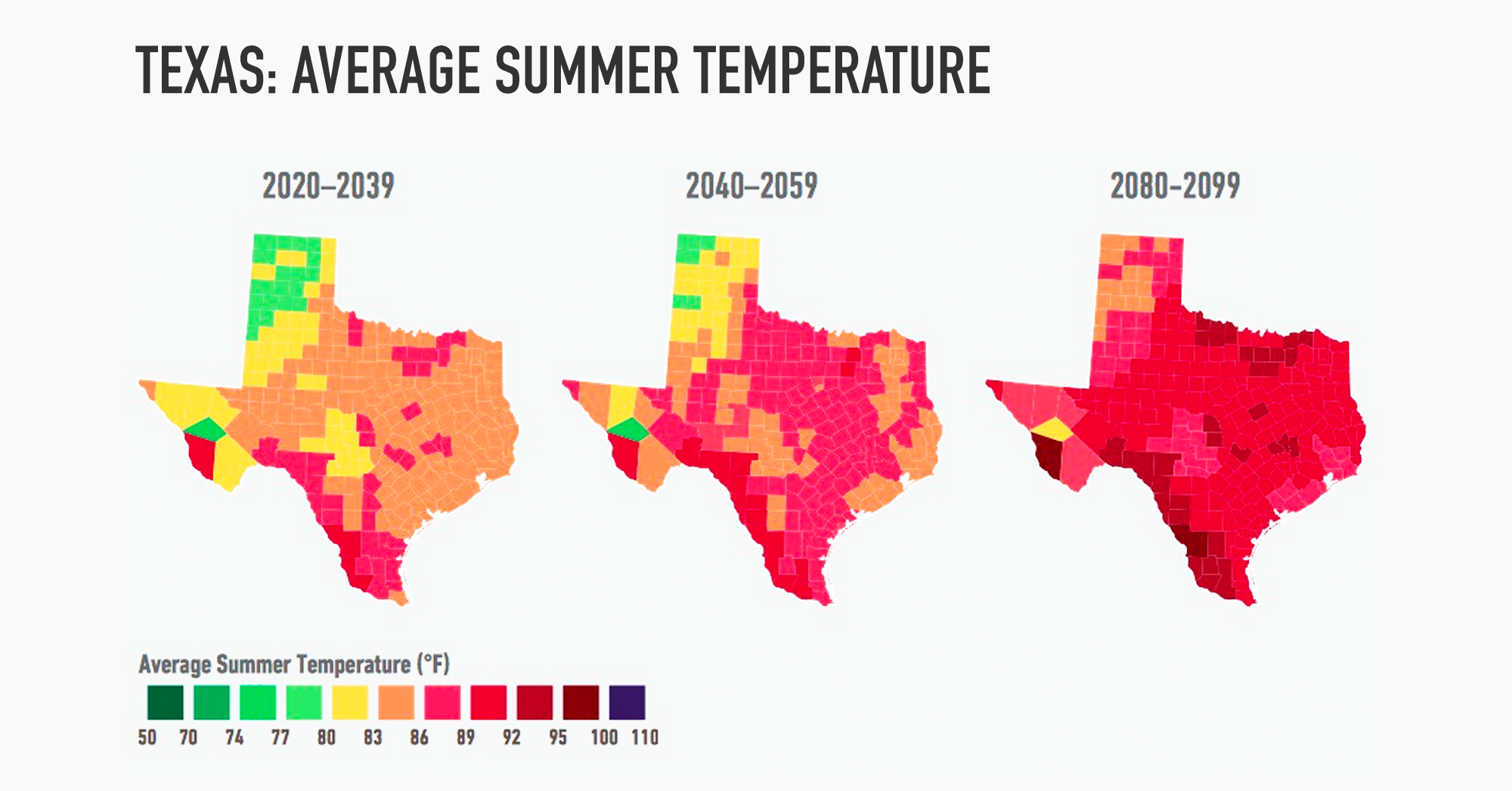
Texas is a state of immense geographical variety, and this diversity is profoundly reflected in its climate. It’s not a monolithic weather experience; rather, different regions boast their own unique atmospheric personalities. This means that while one part of the state might be experiencing a pleasant spring day, another could be bracing for a severe thunderstorm or a heatwave. Recognizing these regional differences is the first step to packing appropriately and planning activities that align with the local conditions.
Coastal Bend and East Texas: Humid Subtropical Charm
The eastern and southeastern parts of Texas, including areas like Houston and the Gulf Coast, are characterized by a humid subtropical climate. This translates to hot, humid summers and mild to cool winters.
Summers (June-August) are typically sweltering, with temperatures frequently soaring into the 90s Fahrenheit (around 32-37°C) and humidity levels making it feel even hotter. Afternoon thunderstorms are common, providing temporary relief from the heat but also bringing the possibility of heavy rainfall and lightning. These storms are a characteristic feature of the region during the summer months and are often a spectacular sight. For those planning to visit Galveston or the Texas Hill Country during this time, expect warm days perfect for enjoying the beach or exploring the many outdoor attractions, but be prepared for the heat and humidity.
Autumn (September-November) offers a welcome reprieve, with temperatures gradually cooling and humidity levels decreasing. This is often considered one of the best times to visit, with pleasant highs in the 70s and 80s Fahrenheit (21-27°C). The fall foliage in East Texas can be spectacular, adding another layer of beauty to the landscape.
Winters (December-February) are generally mild, with average temperatures in the 50s and 60s Fahrenheit (10-16°C). Freezing temperatures are rare, though occasional cold snaps can occur, especially in the northern parts of East Texas. Snowfall is uncommon but not unheard of. The coast can still experience cooler, windy days, making it a good time for birdwatching or exploring the charming small towns without the intense summer heat.
Spring (March-May) is a beautiful but often unpredictable season. It begins mild and can warm up quickly, bringing a surge of wildflowers, particularly the iconic Texas bluebonnets, which paint the landscape in vibrant hues. However, spring is also the peak season for severe weather, including tornadoes, hailstorms, and flash floods, particularly in Central and East Texas. The National Weather Service often issues severe weather alerts, so staying informed is paramount for safety.
North Texas and the Panhandle: Continental Extremes
Moving north, the climate becomes more continental, with greater temperature extremes and less humidity.
Summers are hot and dry, with temperatures regularly exceeding 100°F (38°C). Dust storms can be a concern, especially in the Panhandle. This region, home to cities like Dallas and Fort Worth, is ideal for exploring museums and enjoying indoor activities or taking advantage of early morning or late evening outdoor excursions.
Autumn is generally pleasant, with crisp air and comfortable temperatures, making it a great time for exploring areas like the Palo Duro Canyon State Park.
Winters are colder and more prone to icy conditions and occasional snowfall compared to the southern parts of the state. Sub-zero temperatures are not uncommon, and strong cold fronts can sweep through, bringing sudden drops in temperature.
Spring is a period of transition, with mild days giving way to warmer weather. Like East Texas, North Texas is also susceptible to severe thunderstorms and tornadoes during the spring months.
West Texas and the Permian Basin: Arid and Sunny
West Texas, including areas around El Paso and the Big Bend National Park, experiences an arid to semi-arid climate. This means it is significantly drier and experiences more dramatic temperature swings than the eastern parts of the state.
Summers are intensely hot, with daytime temperatures often reaching well over 100°F (38°C). However, the low humidity makes the heat more bearable than in the humid regions, and nights can be significantly cooler. This is a prime time for stargazing, as the clear, dry air offers exceptional visibility. However, prolonged exposure to the sun without proper hydration and protection can be dangerous.
Autumn is generally mild and pleasant, with clear skies and comfortable temperatures, making it an excellent time for hiking and exploring the vast desert landscapes.
Winters are cool to cold, with freezing temperatures common at night. While snowfall is infrequent, it can occur and create beautiful, albeit temporary, winter scenes in the desert. Days are often sunny and crisp.
Spring is a transitional period, with temperatures warming up considerably. Wildflowers can bloom in certain areas, creating a stunning contrast against the arid backdrop, though this is less widespread than in East Texas. Severe weather is less frequent here than in the eastern half of the state, but not entirely absent.

Seasonal Weather Considerations for Your Texas Adventure
When planning your trip to Texas, understanding the nuances of each season will significantly enhance your experience. Each season brings its own unique charm and challenges, impacting everything from the types of activities you can enjoy to the accommodation you might need.
Spring: A Season of Bloom and Potential Storms
Spring in Texas is a time of renewal and vibrant natural beauty. The state awakens from winter, and this is most famously marked by the spectacular wildflower bloom, especially the iconic Texas bluebonnets, which can transform the highways and fields into a tapestry of color, particularly in Central and South Texas. This is a prime season for photographers and nature enthusiasts.
However, spring is also synonymous with severe weather. The clash between warm, moist air from the Gulf of Mexico and cooler, drier air from the north creates a fertile ground for thunderstorms, hail, and tornadoes. Cities like Austin and San Antonio can experience significant weather events. It’s essential to stay informed about weather forecasts and heed any warnings issued by local authorities. For those seeking family trips or luxury travel, booking flexible plans and having indoor entertainment options readily available is a wise precaution.
Summer: Embracing the Heat and Humidity
Texas summers are synonymous with heat. Temperatures across the state frequently reach into the 90s and 100s Fahrenheit (32-38°C), with the eastern and coastal regions experiencing high humidity that can make the heat feel oppressive. This is the season for embracing water activities, from swimming in lakes and rivers to lounging on the beaches of South Padre Island.
Cities like Corpus Christi and the Texas Coast become popular destinations for those looking to cool off. However, it’s crucial to stay hydrated, seek shade during the hottest parts of the day, and be mindful of heatstroke. For budget travel, consider visiting during the shoulder seasons or taking advantage of indoor attractions like museums and shopping malls in Dallas or Houston. If your stay involves outdoor exploration of landmarks like the Alamo in San Antonio, early morning or late evening visits are highly recommended.
Autumn: The Golden Season for Exploration
Autumn is often hailed as the most pleasant season to visit Texas. The oppressive heat of summer begins to recede, replaced by milder temperatures and lower humidity. This makes it an ideal time for outdoor exploration, whether you’re hiking in the Big Bend National Park, exploring the historic streets of Galveston, or enjoying the vibrant food scene in Austin.
The fall foliage in East Texas can be a stunning spectacle, with trees turning vibrant shades of red, orange, and yellow. The Texas Hill Country also offers beautiful scenery during this time. This season is perfect for enjoying leisurely drives, visiting wineries, and experiencing the local culture without the discomfort of extreme temperatures. Many festivals and outdoor events are held during the fall, capitalizing on the agreeable weather.
Winter: Mild in the South, Chilly in the North
Texas winters are generally mild, especially in the southern regions. Coastal areas like Corpus Christi and South Padre Island often see daytime temperatures in the 60s Fahrenheit (15-20°C), making it an attractive destination for those escaping colder climates, offering a pleasant backdrop for exploring beaches and enjoying seafood.
However, it’s important to note that northern and western Texas can experience much colder weather, with temperatures frequently dropping below freezing and occasional snowfall. Ice storms can also occur, disrupting travel. While the overall risk of severe winter weather is lower than in many other states, it’s wise to check forecasts if traveling to areas like the Panhandle or the plains. This season is excellent for exploring indoor attractions like museums in Dallas or historical sites in San Antonio, or for experiencing a more authentic, less crowded version of Texas with opportunities for long-term stays in cozy apartments or resorts.
Planning Your Perfect Texas Getaway: Accommodation and Activities
Regardless of when you choose to visit Texas, careful planning regarding accommodation and activities will ensure a comfortable and enriching experience. The diverse climate and geography of the state mean that different regions and seasons lend themselves to various types of travel and lifestyle pursuits.
Choosing the Right Accommodation
When booking your stay, consider the regional climate and your planned activities. For instance, if you’re visiting the humid coast during the summer, look for hotels or resorts with excellent air conditioning and perhaps a pool or proximity to the beach. Properties like the Moody Gardens Hotel in Galveston offer amenities to combat the heat. In drier West Texas, you might prioritize properties with good insulation against temperature fluctuations. Many villas and apartments are available for those seeking a more independent stay, offering flexibility for different lifestyles. For business travelers, suites in major cities like Austin or Dallas provide comfort and convenience. Always check reviews to gauge how well the accommodation fares during different weather conditions.
Tailoring Activities to the Texas Climate
Your choice of activities should be heavily influenced by the weather. In spring, when wildflowers bloom, scenic drives and outdoor photography around towns like Fredericksburg are paramount, but always have a contingency for severe weather, perhaps visiting the many museums in Houston or enjoying a performance at the Majestic Theatre in San Antonio.
Summer heat, especially in the south and west, makes it ideal for exploring air-conditioned venues such as the Perot Museum of Nature and Science in Dallas or the The Alamo in San Antonio. For those who brave the heat, early morning hikes in Big Bend National Park or water parks offer a refreshing experience.
Autumn is the golden season for exploring landmarks and the outdoors. Visiting historical sites like the San Jacinto Monument or enjoying the vibrant city life of Austin becomes more comfortable. Fall is also a fantastic time for experiencing local food festivals and outdoor markets.
Winter offers a chance to experience Texas with fewer crowds. Exploring the art galleries in Marfa or the historic missions of San Antonio are excellent indoor pursuits. Evenings can be enjoyed by a fireplace at a cozy resort or by exploring the culinary delights of cities like Houston. Whether you are on a budget travel excursion or seeking family trips, understanding the weather will help you maximize your experiences in the Lone Star State.
LifeOutOfTheBox is a participant in the Amazon Services LLC Associates Program, an affiliate advertising program designed to provide a means for sites to earn advertising fees by advertising and linking to Amazon.com. Amazon, the Amazon logo, AmazonSupply, and the AmazonSupply logo are trademarks of Amazon.com, Inc. or its affiliates. As an Amazon Associate we earn affiliate commissions from qualifying purchases.