
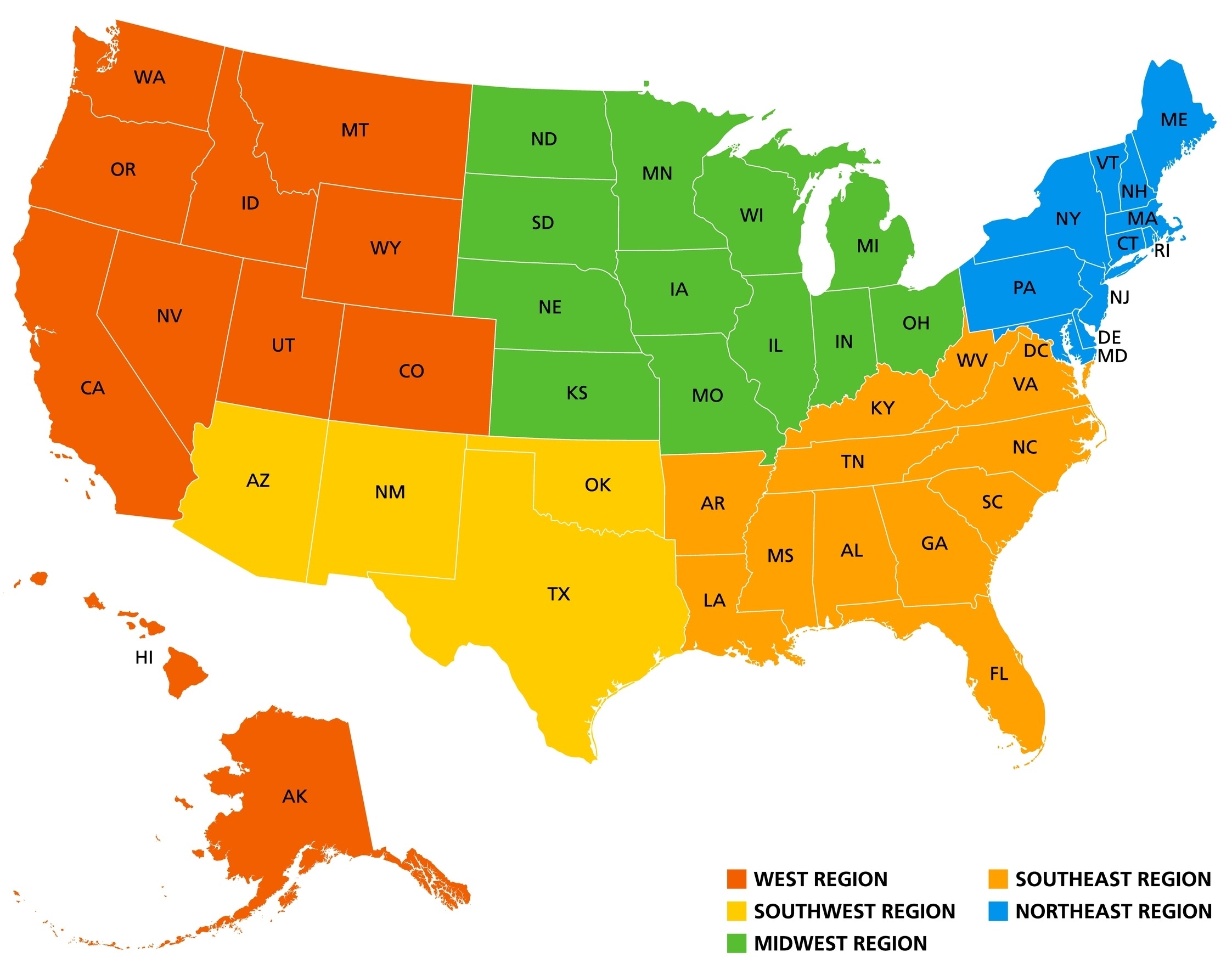
Texas, a state synonymous with vastness and a distinctive cultural identity, often sparks curiosity regarding its precise geographic classification within the United States. While its image as a Lone Star State evokes a sense of independence, understanding its regional placement is crucial for travelers seeking to explore its diverse landscapes and experiences. Geographically, Texas is predominantly situated in the South Central region of the United States, a classification that accurately captures its unique blend of Southern charm, Southwestern ruggedness, and Great Plains expansiveness. This designation is not merely an academic detail; it fundamentally shapes the state’s climate, culture, cuisine, and the vast array of travel opportunities it presents.
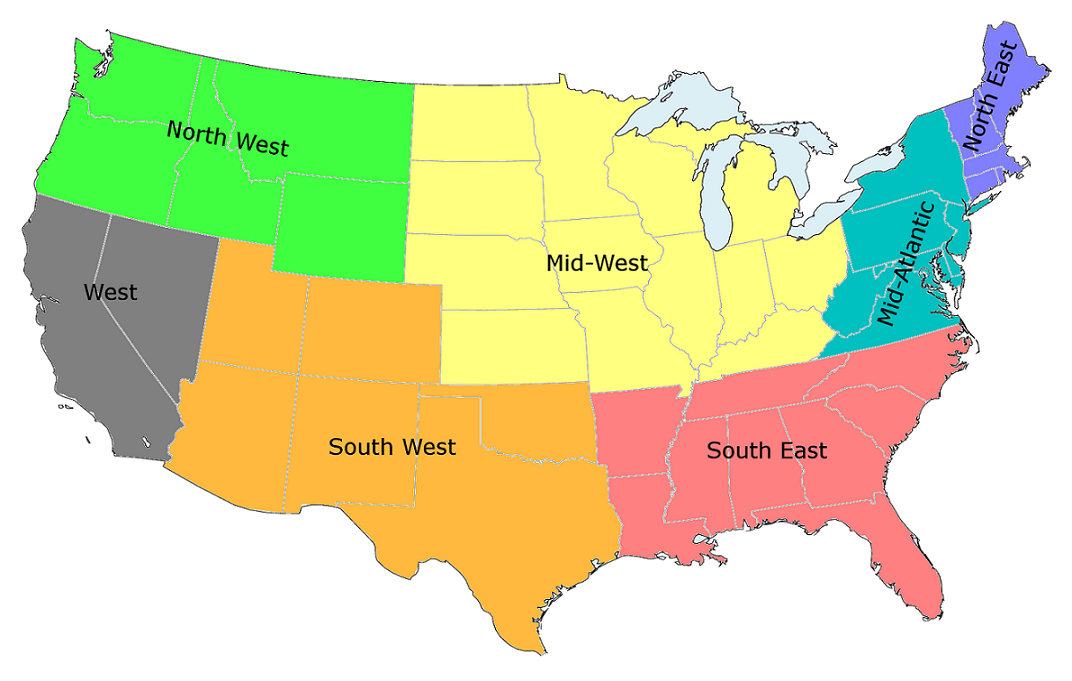
The concept of “region” in the United States is often fluid, interpreted differently by various governmental bodies, cultural anthropologists, and even meteorological organizations. However, for travel purposes, the South Central label is particularly illuminating. It immediately conveys a sense of transitioning landscapes—from the piney woods of the east to the arid deserts of the west, and from the rolling plains of the north to the subtropical coastlines of the south. This geographical positioning acts as a crucible where diverse influences converge, creating a state that is undeniably Texan, yet distinct in its myriad parts. For the discerning traveler, comprehending this regional identity unlocks a richer, more nuanced understanding of what makes Texas a truly multifaceted destination, offering everything from bustling metropolises to serene natural retreats.
Defining Texas’s Geographic Identity: The South Central Nexus
The categorization of Texas as a South Central state stems from its location relative to other major U.S. regions. It borders Oklahoma to the north, Louisiana and Arkansas to the east, and New Mexico to the west. To its south lies the expansive Gulf of Mexico and the international border with Mexico. This unique positioning places Texas at a crossroads, drawing cultural and environmental elements from the Deep South, the Southwest, and even the Midwest.
Where Southern Hospitality Meets Western Grit
The South Central designation accurately reflects the cultural hybridity of Texas. In its eastern reaches, particularly in cities like Houston and the piney woods region, travelers will encounter a distinct Southern influence, characterized by hospitality, a rich musical heritage (including blues and country), and culinary traditions such as barbecue and comfort food. Moving westward, towards cities like El Paso, the influence of the American Southwest and Mexico becomes palpable, seen in adobe architecture, Tex-Mex cuisine, and a strong Hispanic cultural presence. The central and northern parts of the state, including Dallas and Fort Worth, exhibit characteristics of the Great Plains, historically shaped by ranching and agriculture, embodying the quintessential cowboy culture often associated with Texas. This confluence of traditions makes Texas a fascinating destination where travelers can experience a spectrum of American identities within a single state.
Bridging Diverse Climates and Ecosystems
From a travel perspective, the South Central classification also highlights the dramatic climatic and ecological transitions across Texas. The humid subtropical climate of the Gulf Coast supports lush marshes and barrier islands, ideal for beach holidays and birdwatching. Inland, the central regions, including the Texas Hill Country, experience a more temperate climate with rolling hills, spring-fed rivers, and unique limestone formations. Further west, the climate transitions to semi-arid and desert, giving rise to stunning landscapes found in destinations like Big Bend National Park and Guadalupe Mountains National Park. Understanding these regional climate variations is essential for planning a trip, as activities and packing lists will differ significantly whether one is heading to the beach or the mountains.
Exploring Texas’s Sub-Regions: A Traveler’s Guide
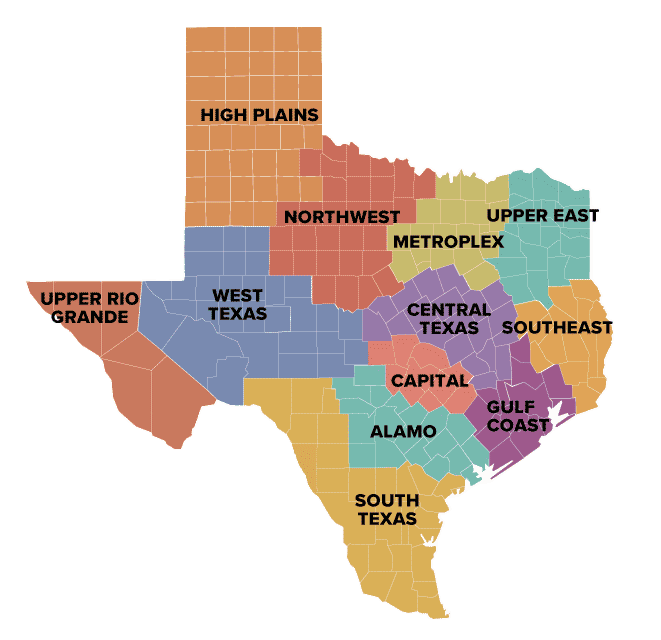
While Texas broadly falls under the South Central umbrella, the state is so vast that it is commonly divided into several distinct travel sub-regions, each offering unique attractions and experiences. These sub-regions—often defined by geography, history, and economic activity—are critical for any traveler planning an itinerary.
The Gulf Coast: Beaches, Bays, and Space Exploration
Stretching from the Louisiana border to the Rio Grande, the Texas Gulf Coast offers a subtropical escape. Destinations like Galveston and Corpus Christi boast sandy beaches, historical architecture, and vibrant seafood scenes. South Padre Island is a popular spot for spring break and family vacations, known for its pristine beaches and abundant wildlife. Houston, the state’s largest city, serves as a gateway to this region, offering world-class museums, diverse culinary experiences, and the iconic NASA Johnson Space Center, an attraction that draws visitors from around the globe. Travelers here can combine coastal relaxation with urban exploration and educational tours.
The Hill Country: Wineries, Rivers, and German Heritage
Nestled in Central Texas, the Texas Hill Country is celebrated for its rolling hills, limestone cliffs, and spring-fed rivers like the Guadalupe and Comal. This picturesque region is home to charming towns such as Fredericksburg, known for its German heritage, peach orchards, and burgeoning wine industry, making it a prime destination for wine tours and culinary adventures. Austin, the state capital and “Live Music Capital of the World,” anchors the eastern edge of the Hill Country, offering a vibrant arts scene, outdoor activities, and famous nightlife on Sixth Street. Meanwhile, San Antonio, rich in history with attractions like The Alamo and the scenic River Walk, provides a deep dive into Texas’s colonial past and Mexican influences. The Hill Country is ideal for those seeking a blend of natural beauty, historical exploration, and cultural immersion.
North Texas: Metropolitan Hubs and Cowboy Culture
North Texas is dominated by the sprawling Dallas-Fort Worth Metroplex, a dynamic region that serves as an economic and cultural powerhouse. Dallas is a modern city known for its impressive skyline, upscale shopping, and a thriving arts district. It’s a hub for business travelers and those interested in contemporary urban experiences. Fort Worth, its neighbor, offers a contrasting experience, embracing its Western heritage with the Stockyards National Historic District, where visitors can witness daily cattle drives and experience a taste of the Old West. This region is perfect for travelers who appreciate big-city amenities alongside genuine cowboy culture and historical insights into Texas’s ranching past.
West Texas & The Panhandle: Deserts, Mountains, and Wide Open Spaces
For travelers seeking solitude and dramatic natural beauty, West Texas and the Panhandle offer an unparalleled experience. This region is characterized by vast, open landscapes, stunning desert scenery, and rugged mountain ranges. Big Bend National Park, a crown jewel of the national park system, offers opportunities for hiking, river rafting on the Rio Grande, and stargazing under some of the darkest skies in North America. Nearby, Guadalupe Mountains National Park boasts the highest peak in Texas, Guadalupe Peak, and diverse ecosystems. The Panhandle, with cities like Amarillo, showcases the iconic flat plains and canyons, including Palo Duro Canyon State Park, often called the “Grand Canyon of Texas.” This expansive region appeals to adventure seekers, nature enthusiasts, and those looking to experience the raw, untamed beauty of the American West.
Planning Your Texas Adventure: Regional Considerations
Understanding Texas’s South Central regional identity and its diverse sub-regions is foundational for crafting a memorable travel itinerary. Given its immense size—it’s the second-largest state by both area and population in the United States—attempting to see all of Texas in a single trip is often impractical. Instead, travelers benefit greatly from focusing on one or two specific regions per visit, allowing for deeper immersion and a more relaxed pace.
Tailoring Your Trip to Regional Interests
When planning, consider what type of experience you desire. If historical exploration and vibrant nightlife are priorities, the Hill Country cities of Austin and San Antonio are ideal. For a taste of modern urbanity combined with cowboy heritage, the Dallas-Fort Worth Metroplex in North Texas is perfect. Beach lovers and space enthusiasts will find the Gulf Coast and Houston particularly appealing. For rugged outdoor adventures and unparalleled stargazing, West Texas is the undisputed choice. Each sub-region offers distinct attractions, guiding travelers toward experiences that align with their personal preferences.
Navigating the Vastness: Transportation and Timing
Travel within Texas often involves significant distances, underscoring the importance of planning transportation. Renting a car is highly recommended for flexibility, especially when exploring more rural areas like the Hill Country or West Texas national parks. Major cities like Houston, Dallas, Austin, and San Antonio are well-served by airports, making it feasible to fly into one city and out of another to optimize a multi-region itinerary.
Timing your visit is also crucial, as Texas’s South Central climate can vary dramatically. Spring (March-May) and Fall (September-November) generally offer the most pleasant weather statewide, ideal for outdoor activities and city exploration. Summers can be intensely hot, particularly in West Texas and the major metropolitan areas, though the Gulf Coast offers refreshing coastal breezes. Winters are generally mild, especially in the south, making it a viable destination for escaping colder northern climates. By considering these regional nuances, travelers can ensure their Texas adventure is as comfortable as it is captivating.
In conclusion, Texas’s designation as a South Central state in the United States is more than a geographical label; it’s a key to understanding its profound diversity. This regional placement, at the confluence of various American landscapes and cultures, creates a travel destination unlike any other. By appreciating the nuanced identity of Texas and its distinct sub-regions, travelers can unlock a wealth of experiences, from historic cityscapes and vibrant cultural festivals to rugged wilderness and serene coastal retreats, ensuring a truly enriching and unforgettable journey through the Lone Star State.
LifeOutOfTheBox is a participant in the Amazon Services LLC Associates Program, an affiliate advertising program designed to provide a means for sites to earn advertising fees by advertising and linking to Amazon.com. Amazon, the Amazon logo, AmazonSupply, and the AmazonSupply logo are trademarks of Amazon.com, Inc. or its affiliates. As an Amazon Associate we earn affiliate commissions from qualifying purchases.