
The Lone Star State, a land of vast landscapes, vibrant cities, and a rich cultural tapestry, beckons travelers from all corners of the globe. Whether you’re drawn to the bustling energy of Dallas, the historic charm of San Antonio, or the live music mecca of Austin, Texas offers an unparalleled experience for every kind of explorer. For those who enjoy a leisurely pace and appreciate the finer details of local life, understanding the nuances of when and where you can purchase a refreshing beer can be an important part of planning your visit. This guide delves into the specifics of Texas’s beer purchasing laws, ensuring your travels are as smooth and enjoyable as possible, from exploring iconic landmarks to indulging in the local culinary scene.
Texas’s approach to alcohol sales is a fascinating blend of tradition and evolving regulations, often influenced by local preferences and community standards. For tourists and residents alike, knowing the ins and outs of these laws can prevent unexpected disappointments and enhance your overall experience. Whether you’re planning a sunset cocktail at a rooftop bar in Houston, enjoying a craft brew at a brewery in Fredericksburg, or simply grabbing a six-pack for your resort stay, understanding the timing is key.
Understanding Texas Beer Sales: A Comprehensive Guide
The ability to purchase beer in Texas is governed by a set of laws that, while seemingly straightforward, can have subtle variations depending on the day of the week, location, and type of establishment. These regulations are designed to promote responsible consumption while still allowing for the enjoyment of this popular beverage. For travelers seeking the authentic Texas experience, from exploring its diverse destinations to sampling its unique food, a little knowledge goes a long way.
Weekday Beer Availability: Seamless Sipping
On most weekdays, the rules for purchasing beer in Texas are quite permissive, allowing for ample opportunity to quench your thirst. Generally, you can buy beer from licensed retailers, which include grocery stores, convenience stores, and liquor stores, starting as early as 7 a.m. and extending until midnight. This broad window ensures that whether you’re grabbing a morning pick-me-up for a picnic at Big Bend National Park or a late-night refreshment after a day of sightseeing, you’ll likely find what you need.
This 7 a.m. to midnight timeframe applies to the vast majority of Texas cities and towns. So, if you’re planning a business stay in Plano or a family trip to the Texas Hill Country, you can largely rely on these hours. However, it’s always wise to be aware of potential local ordinances that might impose slightly different restrictions, especially in smaller communities. For instance, some areas might have earlier closing times or require establishments to cease alcohol sales before midnight.
Restaurants and bars, licensed to serve alcohol for on-premise consumption, also adhere to similar weekday hours. They can typically begin serving alcohol at 7 a.m. and continue until midnight. This allows for everything from a breakfast beer (for those who partake) to a nightcap after a delicious meal at a renowned Texas restaurant. The flexibility of weekday sales makes it easy to integrate a beer purchase into your daily travel itinerary, whether you’re staying in a luxurious suite or a budget-friendly accommodation.
Weekend Wonders: Navigating Saturday and Sunday Sales
The weekend brings a slight shift in Texas’s beer sales landscape, particularly on Sundays. While Saturdays generally mirror the weekday schedule, allowing purchases from 7 a.m. until midnight, Sundays introduce a specific “blue law” that impacts alcohol sales.
Sunday Sales: The Midnight to Noon Restriction
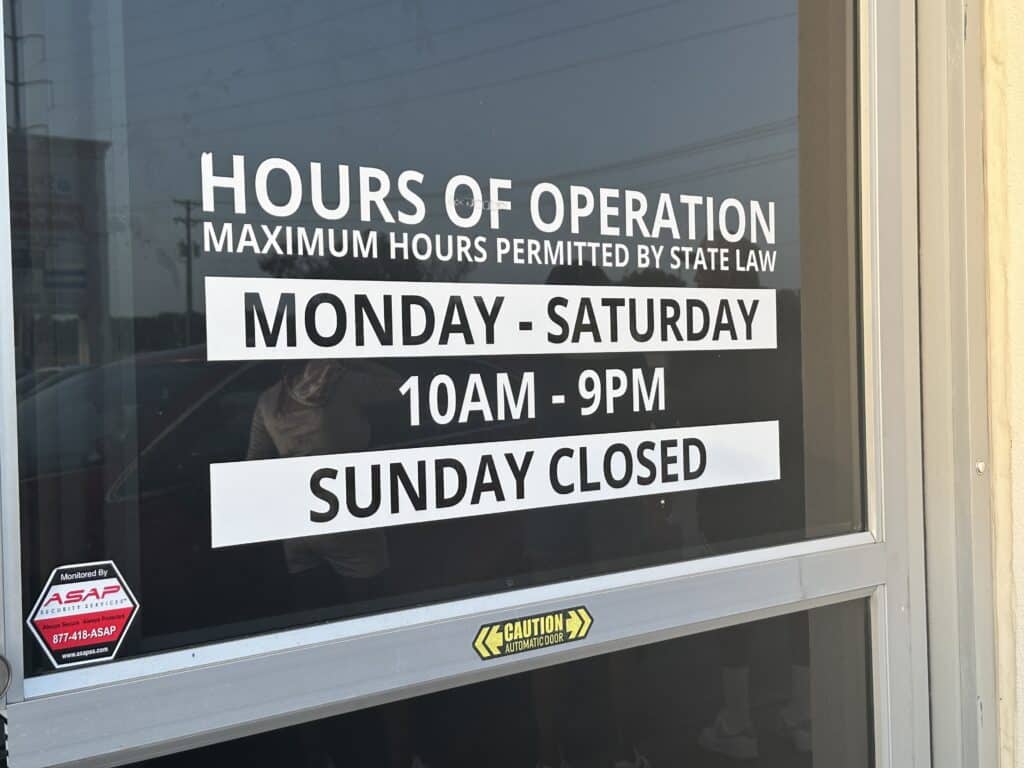
The most significant regulation to note for weekend travelers is the Texas law that prohibits the sale of beer and wine before noon on Sundays. This means that if you’re looking to purchase beer from a grocery or convenience store on a Sunday morning, you’ll need to wait until 12 p.m. (noon). This restriction applies to off-premise sales only.
However, this Sunday morning restriction does not apply to establishments licensed for on-premise consumption, such as restaurants, bars, and breweries. These venues can begin serving beer and wine at 10 a.m. on Sundays. This allows for the enjoyment of a brunch mimosa or a Bloody Mary, and crucially, a beer, starting two hours earlier than off-premise retailers. So, if you’re waking up to a beautiful Texas sunrise and fancy a beer with your brunch at a cafe in Galveston, you’re in luck.
It’s important to remember that these Sunday sales regulations are state-wide, but local jurisdictions can sometimes enact stricter ordinances. While less common for beer, it’s always a good practice to confirm local hours if you’re in a particularly remote area or a town with strong historical ties to blue laws. For travelers exploring charming towns like Marfa or enjoying the natural beauty of state parks, this nuance is worth noting.
Special Occasion and Local Variations
While the general rules provide a solid framework, Texas law also allows for some flexibility through local option elections and special circumstances. In many Texas cities and counties, voters have had the opportunity to decide whether to allow for more liberal alcohol sales, including Sunday sales before noon or extended hours. These “wet” or “dry” elections can create pockets within the state where regulations differ.
For example, a particular precinct might vote to allow alcohol sales at any time on Sundays, overriding the state’s standard noon start time. Conversely, some smaller communities might still adhere to stricter blue laws. As a traveler, it’s unlikely you’ll encounter significant deviations in major tourist hubs like Austin or San Antonio, which generally operate under the most permissive regulations. However, if your travel plans take you off the beaten path, perhaps to explore a specific landmark or attend a local festival, a quick online search or inquiry at your accommodation can clarify any localized rules.
Furthermore, establishments holding specific permits might have extended hours. For instance, certain businesses catering to conventions or large events may be granted special permits to extend their alcohol sales beyond midnight, though this is not standard for general retail. When planning your lifestyle choices for your trip, whether it’s a luxury travel experience or a budget travel adventure, these nuances can add to the richness of your understanding of local tourism.
Key Takeaways for Travelers
For visitors to the Lone Star State, remembering a few key points will ensure your beer-buying experiences are seamless:
- Weekdays (Monday-Saturday): Beer can generally be purchased from 7 a.m. to midnight at licensed retailers and on-premise establishments.
- Sundays (Off-Premise): Beer sales at grocery stores, convenience stores, and liquor stores are prohibited before noon (12 p.m.).
- Sundays (On-Premise): Restaurants, bars, and breweries can serve beer starting at 10 a.m.
- Local Variations: While state law provides the framework, always be mindful that local ordinances can sometimes differ. Major cities and tourist areas generally follow the most liberal rules.
Understanding these hours is a small but significant aspect of planning your travel adventures in Texas. It allows you to fully immerse yourself in the local culture, from enjoying a morning coffee at a charming cafe near a historic landmark to savoring a craft beer at a bustling brewery in the evening. Whether you’re booking a stay at a comfortable hotel or an expansive villa, knowing these details contributes to a stress-free and enjoyable trip.
By keeping these simple guidelines in mind, your exploration of Texas – be it its stunning destinations, its vibrant food scene, or its unique activities – will be all the more enjoyable. So, raise a glass to your travels, and cheers to discovering the Lone Star State!
LifeOutOfTheBox is a participant in the Amazon Services LLC Associates Program, an affiliate advertising program designed to provide a means for sites to earn advertising fees by advertising and linking to Amazon.com. Amazon, the Amazon logo, AmazonSupply, and the AmazonSupply logo are trademarks of Amazon.com, Inc. or its affiliates. As an Amazon Associate we earn affiliate commissions from qualifying purchases.