
Navigating the intricacies of alcohol sales in Texas can be as varied and colorful as the Lone Star State itself. Whether you’re a local looking to plan your next social gathering or a traveler eager to explore the vibrant culinary scene and unique Texas experiences, understanding the “when” of alcohol availability is crucial. This guide will delve into the specifics of Texas alcohol sales, ensuring you can enjoy a refreshing drink at the right time, whether you’re relaxing at a resort, exploring a landmark, or simply seeking to immerse yourself in local culture.
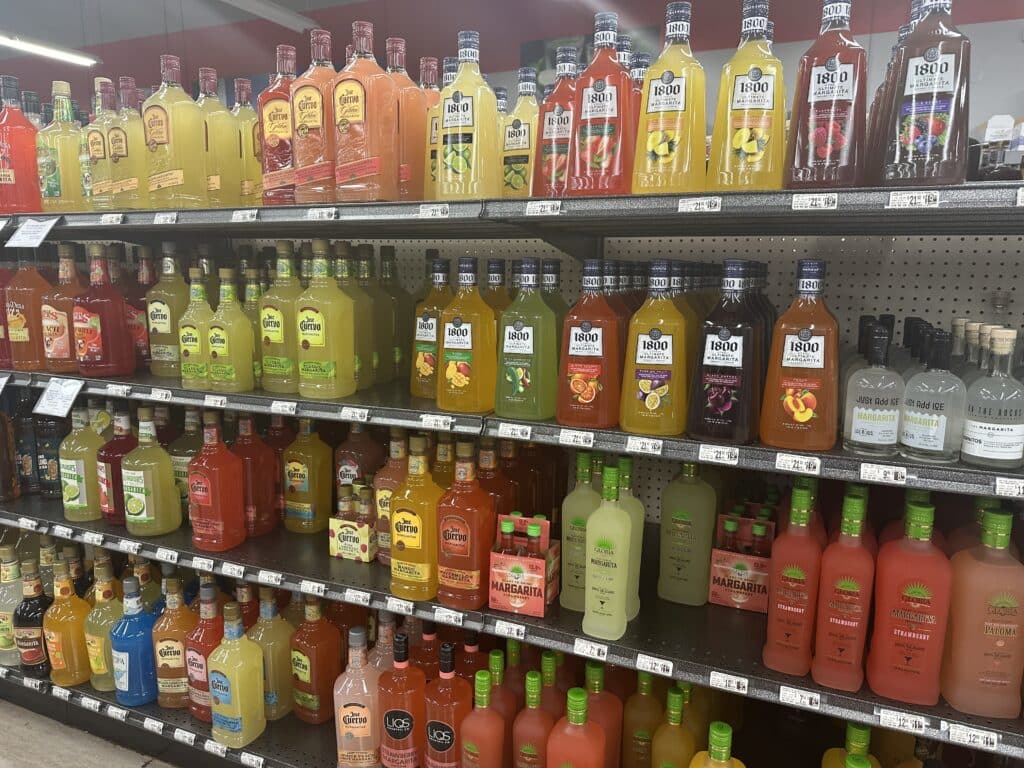
The Lone Star State, known for its expansive landscapes, rich history, and distinct lifestyle, also boasts a unique set of regulations concerning the sale of alcoholic beverages. These rules, often referred to as “blue laws” in other parts of the country, are in place to influence societal behavior and promote responsible consumption. For visitors and residents alike, these regulations can sometimes be a source of confusion, especially when planning an itinerary that includes dining out, visiting attractions, or stocking up at a local store.
Texas alcohol laws are not uniform across the entire state. Instead, they are influenced by local option elections, meaning that individual counties, cities, and even precincts within a city can vote to allow or prohibit the sale of alcohol, and under what conditions. This patchwork of regulations creates a dynamic environment where understanding the specific rules for your intended location in Texas is paramount. For instance, while a major metropolitan area like Dallas might have extensive options for purchasing alcohol, a more rural county might have stricter limitations. This guide aims to provide a comprehensive overview, empowering you with the knowledge to navigate these laws with ease, thereby enhancing your travel and lifestyle experiences in Texas.
Understanding Texas’s Alcohol Sales Framework
Texas’s approach to alcohol sales is characterized by a tiered system of regulation, primarily governed by the Texas Alcoholic Beverage Commission (TABC). The core principle is that the sale of alcohol is permissible only during specific hours, and these hours can vary based on the day of the week and the type of establishment. It’s important to note that these laws are designed with public interest in mind, aiming to balance commerce with social responsibility.
Weekday Sales: The Standard Hours
From Monday through Friday, the general rule for the sale of alcoholic beverages in Texas allows for sales to commence at 7:00 AM and continue until midnight. This timeframe applies to most retail establishments, including grocery stores, convenience stores, liquor stores, and bars. This means that if you’re enjoying a business stay in a city like Houston and need to pick up a bottle for a quiet evening, or if you’re starting your day early and fancy a breakfast cocktail at a restaurant, you’ll generally find availability within these hours.
However, there’s a crucial caveat. Businesses, particularly those holding “package store” permits (i.e., liquor stores), can choose to stop selling alcohol earlier than midnight, even on weekdays. This is a business decision, and it’s always advisable to check with the specific store if you have a particular time in mind. Similarly, restaurants and bars that are licensed to sell alcohol for on-premise consumption have their own discretion within the state-mandated hours.
Weekend Sales: Extended Hours and Sunday Considerations
The weekend brings slightly different, and often more relaxed, rules regarding alcohol sales in Texas.
Saturday Sales: A Continuation of Weekday Availability
On Saturdays, the sales hours generally mirror those of weekdays, starting at 7:00 AM and extending until midnight. This allows for ample opportunity to purchase alcohol for weekend gatherings, celebrations, or simply to enjoy a leisurely afternoon at a resort overlooking the Texas Hill Country. Again, individual businesses may opt to close their alcohol sales earlier, so confirming with the establishment is always a good practice.
Sunday Sales: A Nuance of the “Blue Laws”
Sundays in Texas present the most significant variations in alcohol sales. While the state has moved towards allowing more flexibility, particularly in urban areas, Sunday sales are subject to local option. Historically, Sunday was a day of rest, and strict “blue laws” prohibited alcohol sales. Today, many counties and cities have voted to permit Sunday sales, but the timing often differs from weekdays and Saturdays.
Generally, on Sundays, alcohol sales for off-premise consumption (e.g., from grocery or liquor stores) can begin at 10:00 AM and extend until midnight. For on-premise consumption (e.g., in restaurants and bars), sales can also start at 10:00 AM and continue until midnight. This liberalization allows travelers to enjoy brunch with mimosas or pick up drinks for a Sunday evening barbecue without undue restrictions, provided they are in a locality that has approved Sunday sales.
The key takeaway for Sunday is the local option. If you are traveling through a dry or damp county (counties where alcohol sales are restricted or prohibited entirely), you will not be able to purchase alcohol on any day, including Sunday. Conversely, in wet counties, the 10:00 AM start time for Sunday sales is the general norm, but it’s always wise to confirm with the specific venue or store, as some may have their own internal policies. This local control is a defining characteristic of alcohol sales in Texas, reflecting the diverse preferences and traditions across the state.
Factors Influencing Alcohol Availability
Beyond the general timeframes, several critical factors can influence when and where you can purchase alcohol in Texas. Understanding these elements will help you navigate the state’s beverage laws with confidence and avoid any potential disappointment.
Local Option Elections: The Power of the Precinct
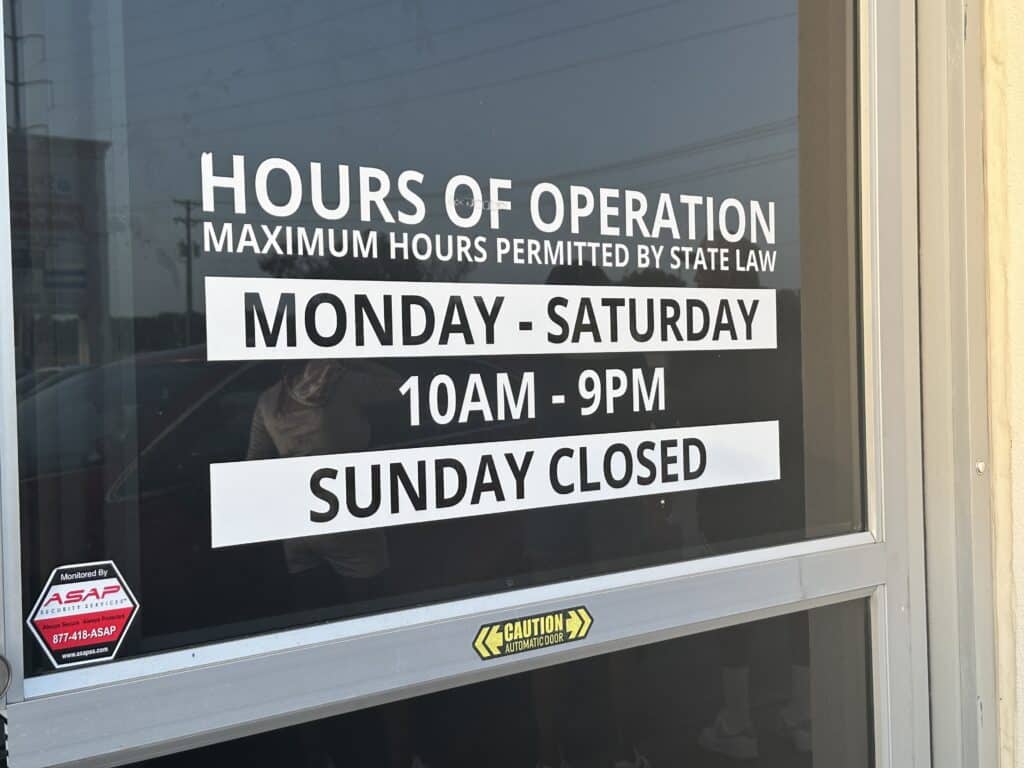
The most significant determinant of alcohol sales in Texas is the outcome of local option elections. These elections allow voters within specific geographical boundaries – typically counties, but sometimes cities or even precincts within cities – to decide whether to permit or prohibit the sale of alcohol, and to what extent. The options generally fall into three categories:
- Dry: No alcohol sales are permitted within the designated area.
- Wet: All types of alcohol sales are permitted.
- Damp: Certain types of alcohol sales are allowed, while others are restricted. For instance, a “damp” area might permit the sale of beer and wine but prohibit the sale of hard liquor.
This means that a border town like El Paso might have different regulations than a cultural hub like Austin. If you’re planning a trip focused on specific activities, such as exploring the natural beauty of Big Bend National Park or enjoying the nightlife in a particular city, it’s beneficial to research the local option status of that area beforehand. Many travel guides and local tourism websites provide this information, ensuring you can seamlessly integrate your alcohol purchasing plans into your itinerary.
Type of Establishment: Retail vs. On-Premise Consumption
The type of establishment where you are looking to purchase alcohol also plays a role. Texas law differentiates between establishments selling alcohol for off-premise consumption (like liquor stores, grocery stores, and convenience stores) and those selling it for on-premise consumption (like bars, restaurants, and breweries).
- Off-Premise Retailers: These are typically bound by the 7:00 AM to midnight weekday and Saturday hours, and the 10:00 AM to midnight Sunday hours, subject to local option. As mentioned, they can choose to cease sales earlier.
- On-Premise Consumption Establishments: Restaurants and bars generally adhere to the same core hours but often have more flexibility in how they integrate alcohol sales into their dining and entertainment offerings. For instance, a restaurant might serve alcohol throughout its operating hours as long as it aligns with the state and local regulations. This is particularly relevant if you’re staying at a resort with on-site dining options. Many upscale resorts, such as the The Ritz-Carlton, Dallas, will offer bar and restaurant services with alcohol available within the permitted hours, contributing to a seamless luxury travel experience.
Holidays and Special Occasions
While the general rules for alcohol sales apply, there can be specific considerations for holidays. For instance, on Christmas Day, the sale of alcoholic beverages is generally prohibited in Texas. On other major holidays like Thanksgiving, New Year’s Day, or Independence Day, sales typically follow the standard weekday or weekend schedule, unless the holiday falls on a Sunday, in which case the Sunday sales rules apply. However, it’s always prudent to confirm with individual businesses, especially if your travel plans coincide with a significant holiday.
Maximizing Your Texas Experience: Tips for Travelers
To make the most of your visit to the Lone Star State and enjoy its diverse offerings, from exploring historical landmarks to indulging in local cuisine, keeping these alcohol sales guidelines in mind can significantly enhance your experience.
Planning Your Itinerary Around Alcohol Availability
When planning your travel itinerary, especially if it involves exploring multiple cities or regions within Texas, consider researching the local option status of each destination. This proactive approach will save you time and potential frustration. For example, if you’re planning a road trip that includes a stop in a town known for its wineries or breweries, ensuring that your visit aligns with their operating and sales hours is key. Many attractions, like the historic The Alamo in San Antonio, offer guided tours that might extend into the evening, and knowing when you can grab a celebratory drink afterwards can be a nice addition to the experience.
If you’re booking accommodation, particularly at a resort or hotel, inquire about their on-site dining and bar services and their operating hours. Many hotels offer convenient access to food and beverages, allowing you to relax and enjoy your stay without needing to venture far, especially if your arrival is late in the evening or early on a Sunday. Accommodations that provide amenities like a swimming pool or a spa often have associated lounges or restaurants where alcohol is served within the legal hours, adding to the overall lifestyle experience.
Respecting Local Laws and Customs
Texas is a state that prides itself on its independence and its unique cultural blend. While alcohol laws are a practical consideration, so too is respecting local customs. In areas that may have historically been dry or damp, or in communities with strong traditions, a more conservative approach to alcohol consumption might be prevalent. Being mindful of this can lead to more positive interactions and a deeper appreciation for the local way of life. When dining out at a local restaurant, whether it’s a small, family-run eatery in a historic town or a fine-dining establishment in a major city, understanding the local approach to service and consumption can enhance your culinary journey.
Embracing the Diversity of Texas Cuisine and Drinks
Texas is renowned for its vibrant food scene, from authentic Tex-Mex and mouthwatering barbecue to innovative contemporary cuisine. Pairing these culinary delights with the right beverages is an integral part of the Texas experience. Whether you’re seeking a craft beer from a local brewery, a fine wine from the Texas High Plains, or a classic margarita, understanding the sales times ensures you can fully enjoy these pairings. For those interested in the finer things, exploring the luxury travel aspects of Texas often includes discovering its burgeoning wine regions and sophisticated cocktail bars, all of which operate within the framework of the state’s alcohol sales laws.
Conclusion: Enjoying Texas Responsibly
The question of “What Time Is Alcohol Sold In Texas?” is met with a nuanced answer that reflects the state’s commitment to local autonomy and responsible alcohol sales. While general guidelines exist – typically from 7:00 AM to midnight on weekdays and Saturdays, and 10:00 AM to midnight on Sundays – the ultimate availability is subject to the decisions made by individual counties and cities.
For travelers and residents alike, this means a bit of local research can go a long way. Whether you’re planning a family trip, a luxury escape, or simply looking to enjoy a meal at a landmark restaurant, understanding these regulations ensures a smoother and more enjoyable experience. From the bustling streets of San Antonio to the vast ranches of West Texas, the Lone Star State offers a wealth of experiences, and by being informed about its alcohol sales laws, you can fully embrace all that Texas has to offer, from its attractions and accommodations to its rich culture and vibrant lifestyle. Always drink responsibly and be aware of the specific rules in your chosen destination.
LifeOutOfTheBox is a participant in the Amazon Services LLC Associates Program, an affiliate advertising program designed to provide a means for sites to earn advertising fees by advertising and linking to Amazon.com. Amazon, the Amazon logo, AmazonSupply, and the AmazonSupply logo are trademarks of Amazon.com, Inc. or its affiliates. As an Amazon Associate we earn affiliate commissions from qualifying purchases.